



HVAC Company in Gonzales, CA
Experiencing HVAC issues in Gonzales? Contact Organ & Sons Mechanical, Inc. for expert repair and installation services. Ensure your comfort with our comprehensive solutions. Call now!
Unreliable Temperature Control Demands Immediate Professional Attention
When your heating or cooling equipment malfunctions during the peak of a Gonzales summer or a chilly winter night, the disruption to your routine is immediate and frustrating. Organ & Sons Mechanical, Inc. provides rapid response protocols to identify the root cause of the failure and restore functionality without unnecessary delays. Contact us now to schedule a diagnostic visit or to inquire about our available financing solutions:
- Rapid dispatch capabilities designed to minimize downtime and resolve discomfort quickly.
- Clear, upfront explanations of necessary repairs with accessible financing options to ease the process.
- Comprehensive warranty backing on parts and labor to ensure your investment is protected.
All technical work is performed in strict adherence to state safety codes and manufacturer warranty requirements.
Comprehensive HVAC Solutions Delivered Today
When you request service for your climate control system, you need more than a quick patch; you require a systematic approach that ensures long-term reliability. The service experience begins with a thorough diagnostic assessment. Technicians arrive fully equipped to handle a wide variety of common issues, from failed capacitors and contactors to refrigerant leaks and sensor malfunctions. The goal is to maximize the likelihood of a repair being completed in a single visit.
Residents in Gonzales and the surrounding areas benefit from a service model that prioritizes transparency. Before any wrench is turned, you receive a detailed breakdown of the findings. This includes the specific part that has failed, the condition of the rest of the system, and a clear quote for the repair. There is no guesswork involved. You are provided with the information necessary to make a financial decision that fits your budget and immediate needs.
This scope of service covers the entire lifespan of the unit. Whether it is an emergency repair on a distressing afternoon or a scheduled tune-up to prepare for the season, the focus remains on restoring the system to factory specifications. This attention to detail extends to the distribution system as well; airflow restrictions, ductwork integrity, and thermostat calibration are all evaluated to ensure the equipment is not just running, but running efficiently.
The Installation and Replacement Process
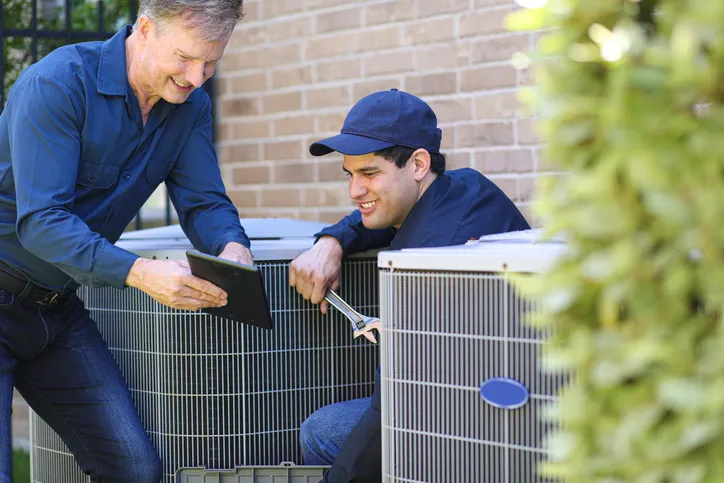
Replacing a central heating or cooling system is a significant construction project that alters the infrastructure of your home. It requires precise calculation and execution to ensure the new unit performs as rated. The process is broken down into specific phases to ensure quality control from start to finish:
- Load Calculation and Sizing: The process starts with a Manual J load calculation. This engineering step determines the exact heating and cooling requirements of the structure based on square footage, insulation levels, window orientation, and local climate data. Oversized units cycle too frequently, leading to humidity issues, while undersized units run continuously without reaching the target temperature.
- Site Preparation and Removal: Technicians protect the workspace with drop cloths and floor coverings before disconnecting the old equipment. Refrigerant is recovered safely according to EPA guidelines to prevent environmental contamination. The old unit is removed and hauled away for proper recycling.
- System Installation: The new equipment is positioned and leveled. This phase involves connecting the refrigerant lines, high-voltage electrical wiring, and low-voltage control wiring. For gas furnaces, flue pipes and gas lines are inspected and reconnected with strict adherence to safety protocols to prevent leaks.
- Ductwork and Airflow Modification: The plenum—the transition between the unit and the ductwork—is often modified to ensure a perfect fit. Proper sealing of these connections is vital to prevent conditioned air from leaking into attics or crawlspaces.
- Commissioning and Testing: Once the physical installation is complete, the system is charged with the correct amount of refrigerant. Technicians measure static pressure, temperature splits, and amp draws to verify the system is operating within the manufacturer’s design parameters.
- Final Walkthrough: The technician demonstrates how to operate the new thermostat and explains filter maintenance requirements. Warranty registration is processed to ensure full coverage is active immediately.
Deciding Between Repair and Replacement
Homeowners often face the difficult choice of sinking money into an aging system or investing in a new one. Making this decision requires analyzing the financial viability of the current unit against the efficiency gains of modern equipment. There are specific technical indicators that suggest replacement is the more prudent financial path.
The Age and Cost Equation
A common industry standard used to evaluate this decision is the "$5,000 Rule." Multiply the age of the equipment by the estimated cost of the repair. If the total exceeds $5,000, replacement is generally the better investment. For example, a 12-year-old unit requiring a $500 repair (Total: 6,000) has likely reached the end of its economic life. As components age, the likelihood of a secondary failure increases, turning a repair into a recurring expense.
Refrigerant Type and Availability
Older air conditioning units that utilize R-22 refrigerant (Freon) are becoming increasingly expensive to service. Environmental regulations have phased out the production of R-22, causing the price of the remaining supply to skyrocket. If an older unit develops a refrigerant leak, the cost to recharge it often approaches the cost of a down payment on a new, environmentally friendly R-410A or R-454B system.
Heat Exchanger Integrity
In gas furnaces, the heat exchanger is the most critical component. If this metal chamber cracks due to metal fatigue or rust, it can allow carbon monoxide to escape into the living space. Because a cracked heat exchanger poses a severe safety risk and requires a massive labor effort to replace, finding this fault almost always dictates a full system replacement.
Efficiency Ratings (SEER2 and AFUE)
Modern systems adhere to stricter efficiency standards, such as SEER2 (Seasonal Energy Efficiency Ratio 2). A system installed 15 years ago may operate at 10 SEER, whereas modern standard units start at 14.3 SEER2 and go much higher. Replacing a low-efficiency unit can result in immediate utility bill reductions, which helps offset the monthly cost of a new installation.
Local Considerations for HVAC Operations
Operating heating and cooling equipment in this region requires specific knowledge of local environmental factors and regulatory codes. The climate in Gonzales presents unique challenges that influence how systems should be configured and maintained.
Permitting and Compliance
HVAC installations and major modifications are not merely plug-and-play; they are regulated building projects. The City of Gonzales and Monterey County enforce Title 24 energy standards, which are among the strictest in the nation. These codes dictate duct sealing requirements, thermostat capabilities, and equipment efficiency ratings. Professional service ensures that all necessary permits are pulled and finalized, preventing issues during future home sales. Organ & Sons Mechanical, Inc. handles the administrative burden of permit application and inspection coordination, ensuring the job is legally compliant.
Utility Incentives and Rebates
Local utility providers often offer rebates for upgrading to high-efficiency heat pumps or air conditioners. These programs are designed to reduce the load on the electrical grid during peak demand. Eligibility often requires installation by a licensed contractor who can provide the necessary AHRI (Air-Conditioning, Heating, and Refrigeration Institute) matching certificates. Navigating these rebates requires documentation that a professional provider supplies as part of the close-out package.
Seasonality and Maintenance Timing
The transition seasons—spring and autumn—are critical for maintenance. In this region, the cooling season can extend well into October, while mornings in January and February require reliable heating. Neglecting to clear debris from outdoor condensers after the windy season or failing to check furnace ignition systems before the first freeze can lead to preventable emergency calls. Scheduling maintenance during the shoulder seasons ensures the system is primed for the extreme weather that follows.
Hard Water and Humidification
For homes utilizing whole-home humidifiers or hydronic heating elements, local water quality is a factor. Mineral buildup can clog lines and reduce the efficiency of heat transfer. Technicians familiar with the local water supply know to inspect these components for scale accumulation and recommend appropriate water treatment or frequent pad changes to maintain functionality.
Optimizing Indoor Air Quality
While temperature control is the primary function of an HVAC system, managing the quality of the air you breathe is equally important for a healthy home environment. Modern construction creates tightly sealed homes that conserve energy but trap pollutants. Integrating air quality solutions into your central system is a proactive way to address allergens, dust, and humidity imbalances:
- Filtration Upgrades: Standard one-inch filters are primarily designed to protect the equipment, not the occupants. Upgrading to 4-inch media cabinets allows for higher MERV ratings without restricting airflow. These filters capture smaller particulates like pet dander, pollen, and mold spores, significantly reducing the allergen load in the home.
- UV Germicidal Lights: Moisture inevitably collects on the indoor evaporator coil during the cooling process. This dark, damp environment is a breeding ground for mold and bacteria. UV lights installed within the coil housing sterilize these surfaces, preventing biological growth that can cause musty odors and airborne contamination.
- Humidity Control: Excess humidity makes air feel warmer than it is, leading to lower thermostat settings and higher energy bills. Conversely, dry air can damage wood flooring and irritate respiratory tracts. Whole-home dehumidifiers and humidifiers work in tandem with the central blower to maintain optimal humidity levels year-round, protecting both the structure and the comfort of the occupants.
Preventative Maintenance Protocols
The longevity of any mechanical system is directly tied to the consistency of its maintenance. Manufacturers require proof of annual maintenance to honor warranty claims for parts replacements. A structured maintenance plan moves a homeowner from a reactive stance—waiting for something to break—to a proactive stance.
During a cooling tune-up, technicians focus on the heat rejection capabilities of the system. This involves chemically cleaning the outdoor condenser coils to remove dirt and grass clippings that act as insulators. If the unit cannot release heat efficiently, the compressor must work harder, shortening its life. Refrigerant levels are checked using superheat and subcooling methods to ensure the charge is precise.
Heating maintenance shifts the focus to safety and combustion. For gas units, the burner assembly is cleaned and inspected for proper flame characteristics. Safety switches, such as limit switches and rollout sensors, are tested to ensure they will shut the unit down in the event of a malfunction. Electrical connections are tightened to prevent arcing and wire fatigue. This comprehensive approach identifies small components that are drifting out of tolerance before they cause a total system lockout.
Secure Your Comfort With Professional Service
The complexity of modern heating and cooling systems leaves no room for amateur repairs or cut corners. Whether you are facing a critical breakdown or planning a high-efficiency upgrade, the decision you make today impacts your comfort and finances for years to come. Reliable climate control requires technical expertise, adherence to local codes, and a commitment to quality components.
Organ & Sons Mechanical, Inc. stands ready to deliver the specific, high-intent service required to keep your home comfortable. From precise load calculations to emergency diagnostic dispatch, the focus remains on technical excellence and customer clarity. Do not let a compromised system dictate your comfort level. Contact us immediately to schedule your service or consultation.
Contact Us