



HVAC Company in Grover Beach, CA
Need fast and reliable HVAC services in Grover Beach? Contact us for expert repair and installation. Secure your home's comfort today. Learn more.
Restore Comfort to Your Home Immediately
Is your heating or cooling system failing just when you need it most? You are not alone, and immediate help is available to restore your indoor climate to a comfortable level. Contact us now to schedule an urgent diagnostic visit or ask about our flexible financing options.
When an HVAC system falters in Grover Beach, the disruption to your daily routine or business operations is immediate. You need a solution that goes beyond a temporary patch; you need a service provider that addresses the root cause of the inefficiency or breakdown. Whether you are dealing with a furnace that blows cold air or an air conditioner that refuses to cycle on, our team provides the technical expertise required to resolve the issue permanently:
- Rapid response teams available for emergency diagnostics and repairs to minimize downtime.
- Efficient, precise installation services and system upgrades that align with current energy standards.
- Secure financing options and assistance with available rebates to simplify your investment.
All services are backed by verified licenses, comprehensive manufacturer warranties, and a commitment to transparent, compliant work.
Comprehensive HVAC Services Available Today
When you request service, the objective is to bring your system back to peak performance or replace it with a unit that offers superior efficiency. The scope of work involves a thorough examination of your entire climate control infrastructure, including the thermostat, ductwork, and the mechanical units themselves.
Organ & Sons Mechanical, Inc. provides a holistic approach to heating and cooling. This means technicians do not simply swap out parts; they analyze airflow, refrigerant levels, and electrical connections to ensure the entire system functions as a cohesive unit.
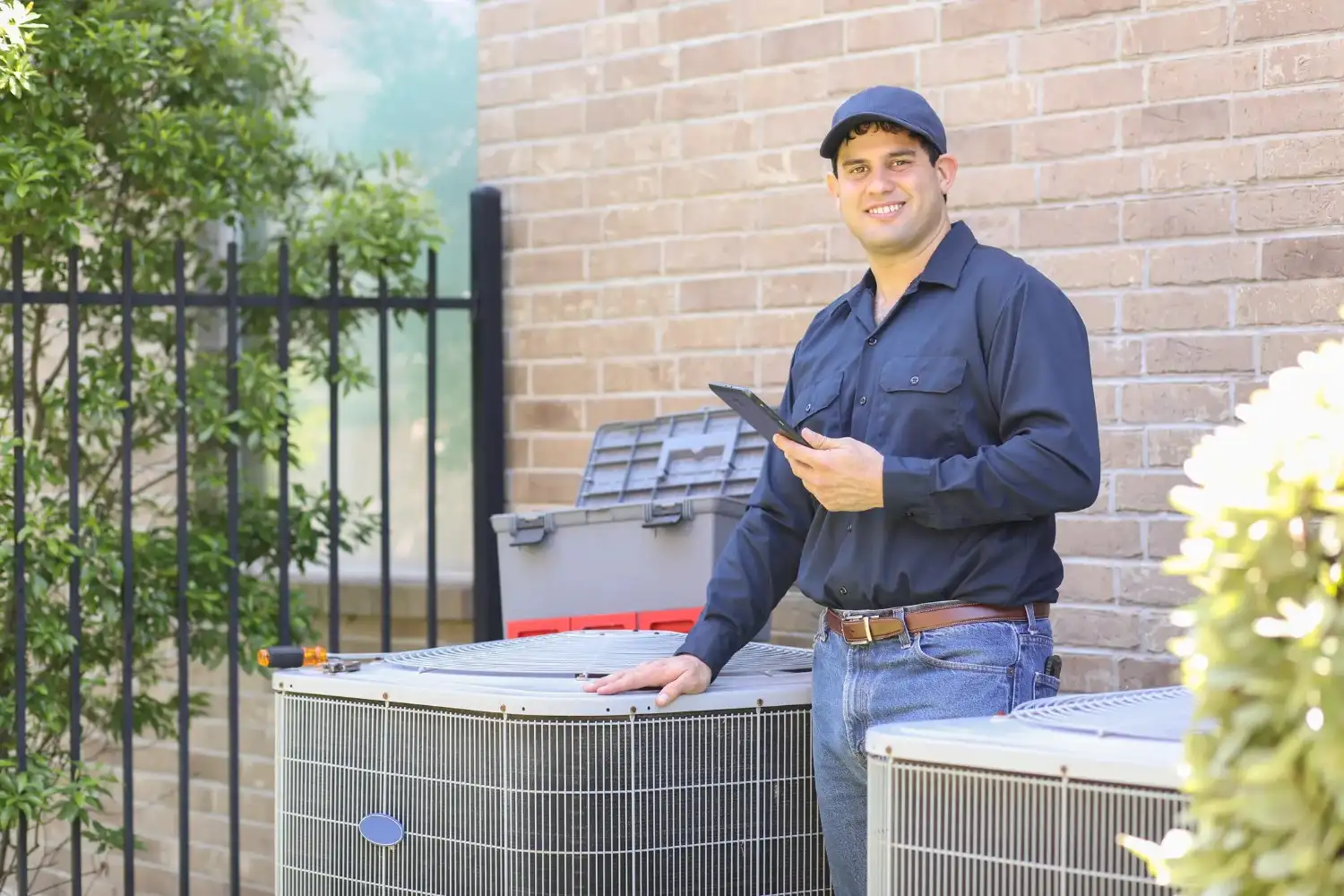
Air Conditioning Repair and Maintenance
Cooling systems in coastal California regions face unique challenges, including humidity management and salt-air corrosion. Services for air conditioning focus on restoring the heat exchange process:
- Refrigerant Leak Detection and Recharge: Low refrigerant levels indicate a leak that must be sealed before the system is recharged to manufacturer specifications.
- Compressor and Fan Motor Repair: The compressor is the heart of your AC. Technicians diagnose electrical failures, hard starts, and motor burnout.
- Condensate Drain Cleaning: clogged drains can cause water damage and humidity issues. Clearing these lines prevents overflow and mold growth.
- Capacitor and Contactor Replacement: Electrical components often fail due to wear and heat. Replacing them restores the unit’s ability to start and run reliably.
Heating System Diagnostics and Repair
Whether you utilize a gas furnace or a heat pump, heating reliability is critical during cooler months:
- Heat Exchanger Inspection: A cracked heat exchanger poses a carbon monoxide risk. Inspections verify the integrity of this critical component.
- Ignitor and Pilot Light Service: Faulty ignition systems are a common cause of furnace failure. Technicians replace hot surface ignitors and thermocouples.
- Blower Motor Adjustments: Proper airflow is essential for heat distribution. Service includes balancing the blower wheel and checking belt tension.
- Thermostat Calibration: Ensuring your control interface accurately reads and communicates with the heating unit.
System Optimization and Efficiency
Beyond immediate repairs, the service includes optimizing the system for lower energy consumption. This involves cleaning evaporator and condenser coils to improve heat transfer, checking ductwork for leaks that bleed conditioned air into attics or crawlspaces, and verifying that the system is not short-cycling, which increases wear and tear.
How the Installation and Replacement Process Works
Installing a new HVAC system is a major construction project within your home that requires adherence to strict engineering standards. A correct installation ensures the longevity of the equipment and validates the manufacturer's warranty. The process is systematic and transparent:
- Assessment and Load Calculation: The process begins with a Manual J load calculation. This engineering calculation determines the exact heating and cooling capacity your home requires based on square footage, insulation levels, window orientation, and local climate data. Guessing the size often leads to oversized units that short-cycle or undersized units that run continuously without satisfying the thermostat.
- System Selection and Design: Based on the load calculation, you select a system with the appropriate SEER2 (Seasonal Energy Efficiency Ratio) and HSPF2 (Heating Seasonal Performance Factor) ratings. This stage also involves designing any necessary modifications to the plenum or ductwork to accommodate the new equipment.
- Site Preparation and Removal: Technicians protect your flooring and property before work begins. The existing equipment is disconnected from electrical and gas lines. EPA-certified procedures are used to recover any existing refrigerant to prevent environmental contamination. The old unit is removed and disposed of according to local waste management regulations.
- Equipment Installation: The new furnace, air handler, or heat pump is positioned and leveled. For split systems, the indoor and outdoor units are placed, and copper refrigerant lines are brazed with nitrogen purging to prevent oxidation inside the pipes.
- Electrical and Gas Connections: Licensed professionals connect the high-voltage wiring and control wires. If a gas furnace is being installed, the gas piping is connected, tested for leaks, and verified for proper pressure.
- Ductwork and Airflow integration: The unit is sealed to the existing ductwork. Technicians ensure the supply and return plenums are airtight to prevent energy loss. If zoning is required, dampers and zone control boards are installed at this stage.
- Vacuum and Charging: For AC and heat pump systems, a deep vacuum is pulled on the refrigerant lines to remove moisture and non-condensables. The system is then charged with the precise amount of refrigerant required for the line set length.
- Final Testing and Commissioning: The system is powered on and tested in all modes of operation. Technicians measure static pressure, temperature rise/drop, and airflow to verify performance against design specifications. You receive a walkthrough of the new thermostat and maintenance requirements.
When to Replace vs. Repair Your System
Deciding between another repair bill and a full system replacement is a financial calculation. While repairs offer a lower immediate cost, they can be more expensive over time if the system is nearing the end of its lifecycle. You should evaluate the condition of your HVAC unit based on age, efficiency, and reliability:
- The 50% Rule: If the cost of the repair approaches 50% of the value of the system (or the cost of a new system), replacement is generally the smarter financial move. Investing heavy capital into a degrading asset rarely yields a return.
- Age of the Equipment: Most air conditioners and heat pumps have a lifespan of 10 to 15 years, while furnaces can last 15 to 20 years. If your equipment in Grover Beach is within this age range and requires a major component replacement (like a compressor or heat exchanger), it is time to upgrade.
- Frequency of Breakdowns: If you have required service calls more than twice in the last year, the system is becoming unreliable. Frequent "nickel and dime" repairs add up quickly and do not solve the underlying issue of an aging system.
- Rising Energy Bills: As components wear, motors create more friction and coils become fouled, causing the system to draw more electricity to do the same amount of work. A sudden spike in utility costs without a change in usage habits is a strong indicator of system failure.
- Comfort Issues: Uneven heating or cooling, excessive humidity, or loud noises during operation indicate that the system can no longer maintain the desired indoor environment. Modern systems offer variable-speed technology that maintains constant, even temperatures and superior humidity control.
Local Considerations for Permits, Utilities, and Climate
Operating HVAC equipment in this region requires specific knowledge of local environmental factors and regulatory codes. The Central Coast climate influences how systems should be sized and maintained.
Permitting and Title 24 Compliance
In California, HVAC replacements and significant repairs trigger Title 24 energy efficiency standards. This often requires:
- Duct pressure testing to ensure leakage is below a certain percentage.
- Verification of airflow and fan watt draw.
- Installation of programmable or smart thermostats.
- Proper permitting through the local building department to ensure safety and code compliance.
Coastal Climate Factors
Grover Beach presents specific challenges due to the marine environment:
- Corrosion Protection: Salt air can rapidly corrode the aluminum fins and copper tubing of outdoor condenser coils. Systems installed in this area often benefit from specialized coastal coatings or robust construction materials designed to withstand marine layers.
- Humidity Control: While temperatures are moderate, humidity can be high. Properly sizing the AC unit is crucial; if a unit is oversized, it will cool the air too quickly without running long enough to remove moisture, leading to a clammy indoor environment.
Utility Incentives
Local utility providers frequently offer rebates for upgrading to high-efficiency heat pumps or energy-efficient gas furnaces. These incentives can significantly offset the initial installation cost. Organ & Sons Mechanical, Inc. assists in identifying valid rebates and ensuring the installed equipment meets the necessary tier ratings to qualify.
Seasonal Operations
Because the climate is mild, systems may sit idle for weeks during shoulder seasons (spring and fall). This inactivity can lead to seized components if not exercised. Regular maintenance before the peak heating (winter) and cooling (late summer) seasons is essential to ensure the system engages when the thermostat demands it.
Why Professional Execution Matters
The difference between a system that lasts 15 years and one that fails in five often comes down to the quality of the installation and maintenance. Modern HVAC equipment is highly sophisticated, relying on complex electronics and precise pressures to operate efficiently:
- Safety Protocols: HVAC systems involve high-voltage electricity, natural gas, and high-pressure refrigerants. Professional technicians are trained to handle these hazards safely, preventing risks such as electrical fires, gas leaks, or carbon monoxide poisoning.
- Warranty Preservation: Manufacturers explicitly state that warranties are only valid if the equipment is installed and serviced by licensed professionals. DIY repairs or work performed by unlicensed handymen can void the warranty, leaving you responsible for the full cost of future parts replacements.
- Correct Sizing and Airflow: A system that is not properly matched to the ductwork will suffer from high static pressure. This forces the blower motor to work harder, reducing its lifespan and increasing noise levels. Professional design ensures the air delivery system matches the capacity of the equipment.
- Long-Term Efficiency: A system charged to the exact ounce of refrigerant and balanced for proper airflow will operate at its rated SEER or HSPF. Improper installation can reduce the realized efficiency by up to 30%, negating the savings you expected from purchasing a high-efficiency unit.
- Environmental Responsibility: Handling refrigerants requires EPA 608 certification. Professionals ensure that ozone-depleting substances and greenhouse gases are recovered and recycled, rather than vented into the atmosphere.
Whether you are looking to retrofit an older home with a modern ductless system or replace a central furnace in a commercial building, professional oversight ensures the project meets all safety and performance standards. Trusting the right team safeguards your property value and ensures reliable comfort for years to come.
Take the Final Step Toward Reliable Indoor Comfort
When your comfort, safety, and energy efficiency are on the line, choosing the right HVAC partner makes all the difference. Organ & Sons Mechanical, Inc. delivers precision-driven solutions that resolve immediate issues while strengthening your system’s long-term performance. From expert diagnostics to compliant installations, every service is designed to protect your investment and restore confidence in your home’s climate control.
Secure your home's comfort and efficiency today. Schedule your service or consultation now.
Contact Us