



Enhance Your Home's Air Quality Today
Struggling with allergies or concerned about the air your family breathes at home? Discover effective and certified solutions with our air purification installations in Santa Maria; contact us today or ask about our flexible financing options to schedule your consultation.
Poor indoor air quality can exacerbate respiratory issues, increase dust accumulation, and circulate harmful pathogens through your HVAC system. Homeowners often underestimate how tightly sealed modern homes trap pollutants inside, creating an environment significantly more polluted than the air outside. Organ & Sons Mechanical, Inc. provides comprehensive installation services designed to integrate directly with your central heating and cooling system for whole-home protection.
- Reduce common allergens including pollen, dust, and pet dander immediately upon operation.
- Enjoy cleaner indoor air with certified and efficient technology that targets microscopic contaminants.
- Experience quick, professional installation with minimal disruption to your daily routine.
Backed by full compliance with local regulations and attractive financing options.
Why Air Purification is Essential for Your Health
Indoor air quality (IAQ) is a critical factor in maintaining a healthy living environment. While standard HVAC filters capture large debris like lint and hair, they often fail to intercept microscopic particles that pose the greatest health risks. Biological contaminants, volatile organic compounds (VOCs), and fine particulate matter can circulate continuously through ductwork, aggravating asthma, allergies, and other respiratory conditions.
Installing a dedicated air purification system transforms your central HVAC unit from a simple temperature control device into an active defense system against airborne toxins. Unlike portable units that only treat the air in a single room, a whole-home installation treats 100% of the air flowing through your system. This ensures that every room in your house benefits from the same level of filtration and purification.
The technology deployed in modern air purification systems addresses three main categories of pollutants:
- Particulates: Dust, pollen, smoke, and dander that physically irritate the lungs and nasal passages.
- Biologicals: Mold spores, bacteria, and viruses that thrive in humid environments or are brought in from outside.
- Chemicals/Gases: VOCs released from cleaning products, paints, carpets, and cooking fumes that contribute to long-term health issues.
Our Air Purification Solutions: Features and Benefits
We provide a range of advanced air purification technologies suited to the specific architecture and needs of Santa Maria homes. The selection of the right system depends on the specific contaminants present in your home and the configuration of your existing HVAC equipment.
Media Air Cleaners
Media air cleaners are high-efficiency filtration systems installed directly into the return air duct of your furnace or air handler. These units utilize thick, pleated media filters with a high MERV (Minimum Efficiency Reporting Value) rating.
- Traps significantly smaller particles than standard one-inch fiberglass filters.
- Requires less frequent filter changes, often lasting six months to a year.
- Maintains proper airflow to prevent strain on your blower motor while maximizing filtration.
Ultraviolet (UV) Germicidal Lights
UV lights are often installed in the supply plenum or near the evaporator coil. This technology uses specific wavelengths of light to neutralize biological contaminants.
- Prevents mold growth on the moist HVAC coils, which helps maintain system efficiency.
- Deactivates airborne bacteria and viruses as they pass through the light field.
- Operates silently and continuously to reduce the biological load in the air.
Whole-Home Air Purifiers
These comprehensive systems often combine filtration with ionization or photocatalytic oxidation. They actively treat the air rather than waiting for it to pass through a filter.
- Releases charged ions that attach to airborne particles, causing them to clump together and become easier for filters to catch.
- Neutralizes odors and VOCs, leaving the home smelling fresher without artificial fragrances.
- Provides a proactive approach to cleaning the air in the living space, not just inside the ductwork.
Installation Process: What to Expect
A professional installation ensures that your air purification system functions correctly and does not impede the airflow of your heating and cooling equipment. Improper installation can lead to pressure drops that damage the furnace or air conditioner. Organ & Sons Mechanical, Inc. follows a strict protocol to ensure safety, efficiency, and performance.
Site Assessment and System Sizing
- Technicians inspect the current HVAC setup, measuring the physical space available in the return drop or supply plenum.
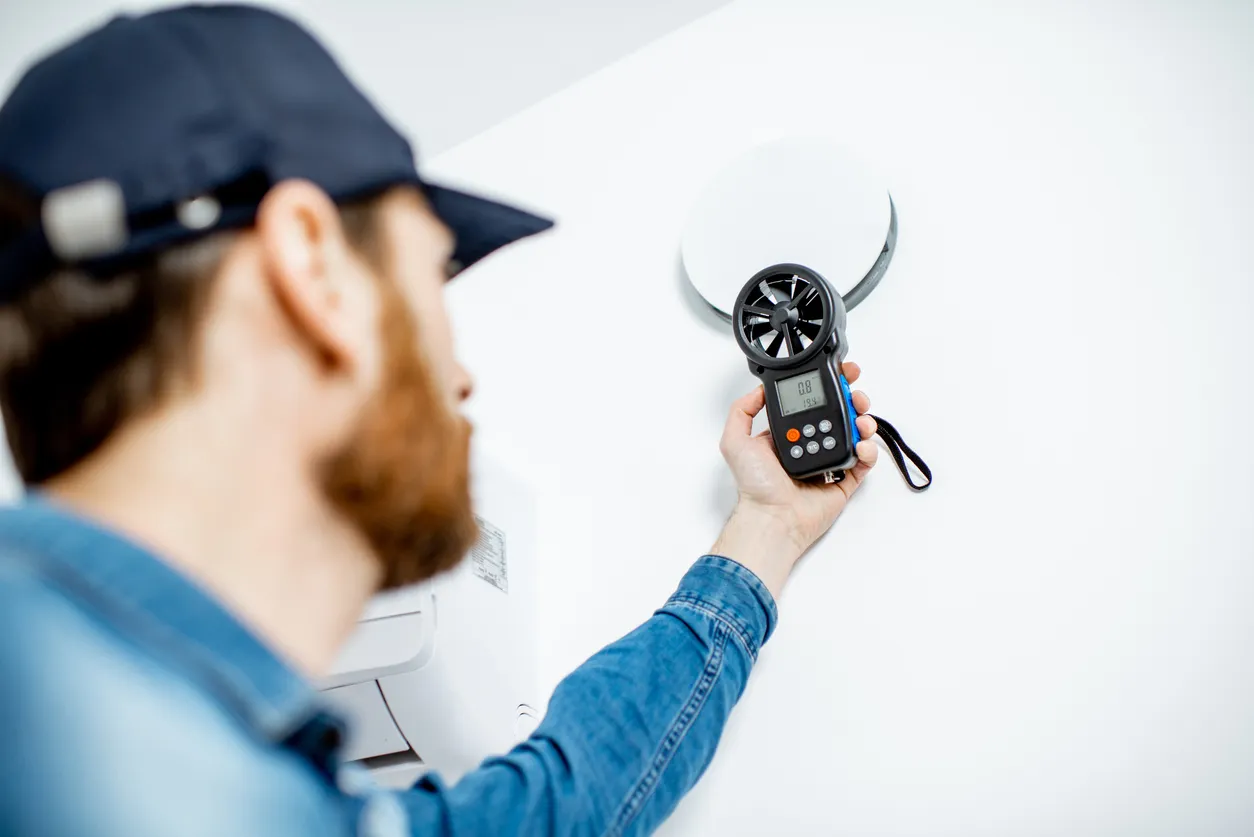
- Airflow measurements are taken to determine the maximum static pressure the system can handle.
- The specific air quality concerns of the household (e.g., heavy pet load, recent renovation dust, specific allergies) are reviewed to select the appropriate technology.
Mechanical Installation
- Power to the HVAC system is shut off to ensure safety.
- The ductwork is modified to accept the new purification unit. This may involve cutting into the sheet metal of the return air drop or the supply plenum.
- The unit is mounted securely using airtight seals to prevent air leakage, which would compromise efficiency.
- For UV lights and powered purifiers, electrical connections are hardwired into the HVAC system’s power supply or a dedicated circuit, ensuring the purifier runs in tandem with the blower fan.
Testing and Calibration
- The system is powered on and tested for proper operation.
- Static pressure is re-tested to verify that the new equipment is not restricting airflow beyond manufacturer specifications.
- Technicians verify that UV lamps are shielded from direct view to prevent eye damage and ensure safety interlocks are functioning.
- The homeowner is briefed on maintenance requirements, such as filter replacement schedules or bulb changes.
Deciding Between Air Purifier Replacement and Repair
If you have an existing air purification system that is malfunctioning, determining whether to repair or replace it is a financial and functional decision. Technology in this sector advances rapidly, and older units may not offer the protection required by modern standards.
When to Repair
- Simple Component Failure: If the issue is a burnt-out UV bulb or a blown fuse, these are routine maintenance items that are cost-effective to fix.
- Recent Installation: If the unit is less than five years old and under warranty, repair is usually the logical choice.
- Physical Integrity: If the cabinet and housing are sound, with no rust or air leaks, replacing internal components may extend the unit's life.
When to Replace
- Obsolete Technology: Older electrostatic precipitators that produce high levels of ozone are no longer recommended due to health standards. Replacing these with CARB-compliant, ozone-free models is necessary for safety.
- Cost of Parts: If the cost of a replacement power pack or ballast approaches 50% of the cost of a new, more efficient unit, replacement offers better long-term value.
- Ineffectiveness: If the current system is not noticeably improving air quality—dust is still accumulating rapidly, or odors persist—upgrading to a higher-capacity system is required.
- System Incompatibility: If you have recently upgraded your furnace or AC to a variable-speed system, an older purifier may not interface correctly with the new communicating technology.
Understanding Local Climate and Air Quality Standards
Residents in Santa Maria experience a Mediterranean climate that presents unique challenges for indoor air quality. The region’s wet winters and coastal breezes can introduce higher humidity levels, creating ideal conditions for mold growth within ductwork and on evaporator coils. Conversely, the warm, dry summers often bring agricultural dust and pollen into the home.
Regulatory Compliance
California has some of the strictest air quality regulations in the country. The California Air Resources Board (CARB) regulates all indoor air cleaning devices sold or installed in the state.
- All installed air cleaners must be certified to emit little to no ozone (an indoor smog component that is harmful to lungs).
- Our installations strictly adhere to these CARB standards, ensuring that the equipment improves health rather than introducing new hazards.
Seasonal Considerations
- Winter: During the rainy season (November to March), keeping windows closed traps moisture and pollutants. UV purification is highly recommended during this time to combat biological growth on HVAC coils.
- Summer: When coastal breezes moderate the heat, windows may be opened, admitting pollen. High-efficiency media filtration is critical during these months to capture allergens before they circulate through the house.
Permits and Electrical Safety
Installing powered air purifiers involves electrical integration with your home’s high-voltage systems.
- Modifications to the electrical panel or HVAC wiring require adherence to local building codes.
- Professional installation ensures that all wiring is up to code, reducing fire risks and ensuring insurance compliance.
Certifications and Technical Expertise
Selecting a service provider for air purification involves looking for verified technical competence. The effectiveness of a whole-home system relies entirely on the quality of the installation.
Industry Certifications
- NATE Certification: North American Technician Excellence (NATE) certification indicates that a technician has passed rigorous testing on real-world working knowledge of HVAC systems. This ensures they understand airflow dynamics and electrical safety.
- EPA Certification: Proper handling of refrigerants and understanding of indoor air quality standards are covered under EPA Section 608 and related certifications.
The Professional Difference
Retail "plug-and-play" units cannot match the performance of integrated systems. A professionally installed system treats the source of the air circulation.
- Airflow Management: Technicians ensure the purifier does not "choke" the system. A filter that is too restrictive can freeze up an air conditioner or overheat a heat exchanger.
- Proper Sizing: We calculate the Cubic Feet per Minute (CFM) requirements of your home to ensure the purifier is powerful enough to cycle the entire volume of air in the house multiple times per hour.
- Warranty Protection: Professional installation validates manufacturer warranties. DIY installation of whole-home units often voids coverage immediately.
Improving your indoor environment is an investment in long-term health and comfort. By removing contaminants at the microscopic level, you protect your respiratory system and keep your home cleaner. Trust the certified experts at Organ & Sons Mechanical, Inc. to provide a seamless, compliant, and effective installation tailored to your specific needs.
Call Us Now!
Take control of your indoor air quality today. Schedule your installation service.
Contact Us