



Is Your Heat Pump Acting Up? Get It Fixed Fast!
Are you facing unexpected heat pump failures, strange noises from the outdoor unit, or inefficient heating just when the Santa Maria temperatures drop? You need a reliable, fast solution that restores comfort to your home quickly and efficiently without the runaround. Contact us immediately to schedule a diagnostic visit and restore your system’s performance.
Our approach focuses on getting your system back online with minimal disruption:
- Rapid response and on-site repair capabilities to minimize downtime.
- Transparent pricing with no hidden fees or surprise costs on the final bill.
- Comprehensive service by licensed professionals ensuring lasting results, not just quick patches.
All services are backed by a full warranty and strictly comply with local zoning laws and safety codes.
Immediate Help for Heat Pump Malfunctions
Heat pumps are sophisticated systems that handle both heating and cooling, meaning they endure double the workload of a standard furnace or air conditioner. When they fail, the discomfort is immediate. Homeowners in Santa Maria often notice specific symptoms that indicate a breakdown is imminent or already present. You might hear grinding noises, notice the unit short-cycling (turning on and off rapidly), or feel lukewarm air coming from the vents when the thermostat calls for heat.
Ignoring these signs often leads to higher energy bills and catastrophic component failure. For instance, a heat pump that struggles to switch between heating and cooling modes usually has a faulty reversing valve. If the outdoor unit freezes over completely and fails to defrost, the compressor is at risk of overheating. We address these mechanical and electrical failures at the source. Whether it is a refrigerant leak that compromises heat transfer or a capacitor failure preventing the fan from spinning, professional intervention is required to prevent a minor repair from becoming a full system replacement.
What You Can Expect From The Repair Process
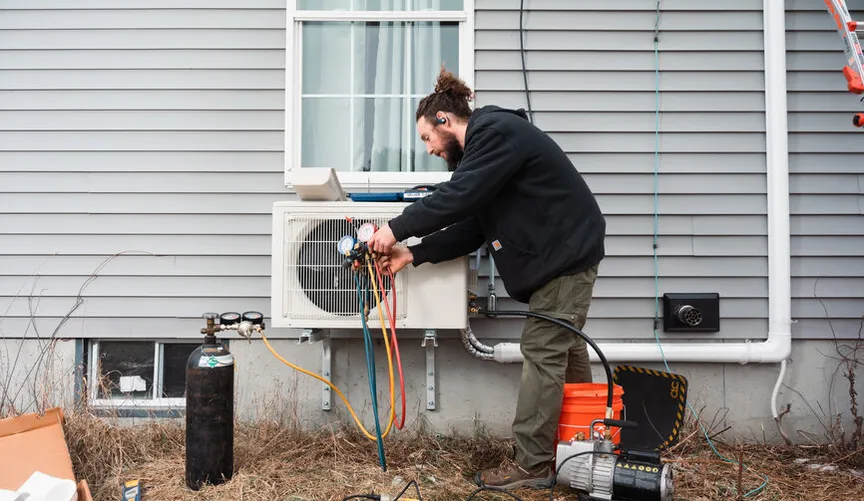
When you request service, the goal is to accurately identify the root cause of the failure rather than guessing with part swaps. Modern heat pumps rely on a complex balance of refrigerant pressure, airflow, and electrical voltage. A technician arrives equipped to handle the intricacies of these dual-function systems.
The scope of a standard repair visit typically covers the following areas:
- Electrical Diagnostics: Testing capacitors, contactors, and relays is standard. Loose wiring or blown fuses are common culprits that stop the system dead.
- Refrigerant Loop Inspection: The technician checks for proper charge levels. Low refrigerant indicates a leak that must be located and sealed before recharging; otherwise, the system will fail again.
- Airflow Analysis: Blocked filters, dirty coils, or failing blower motors restrict air movement, causing the coil to freeze or the system to overheat.
- Reversing Valve Testing: Since the reversing valve is what physically switches the unit from A/C to heat, verifying its operation is critical for heat pumps.
- Defrost Board Verification: In damp climates, the defrost cycle is vital. Technicians ensure the sensors and control board are triggering the defrost mode correctly to keep the outdoor coil clear of ice.
We arrive with fully stocked trucks containing the most common universal parts. This inventory strategy allows for many repairs to be completed on the same day as the diagnosis, restoring your home's temperature control without unnecessary delays for part ordering.
The Technical Steps of a Heat Pump Repair
Understanding the workflow helps manage expectations regarding the timeline and the work involved. We utilize a systematic approach to ensure no underlying issues are missed during the repair.
- Initial System Assessment: The process begins with a conversation about what you are experiencing. The technician then cycles the thermostat to observe the system's response, listening for auditory cues and measuring temperature differentials at the supply and return vents.
- Detailed Component Testing: Once the general area of the problem is isolated, the technician uses specialized tools like multimeters and refrigeration gauges. They test the electrical draw on the compressor and fan motors to ensure they are within manufacturer specifications.
- Isolating the Failure: After testing, the technician pinpoints the exact component causing the failure—whether it is a seized motor, a burnt-out control board, or a leak in the coil.
- Review and Approval: You receive a clear explanation of the problem and a flat-rate quote for the repair. No work proceeds until you understand the scope and approve the cost.
- Execution of Repair: The technician performs the necessary mechanical or electrical work. This may involved brazing copper lines, wiring in new controls, or chemically cleaning fouled coils.
- System Verification: After the repair is installed, the system is not just turned on; it is stress-tested. The technician monitors the system through a full cycle to ensure pressures stabilize and the temperature split is correct.
- Site Cleanup: The workspace is cleared of any debris, old parts, or packaging materials, leaving your utility area exactly as it was found.
Deciding When to Repair vs. Replace
Heat pumps are durable, but they are not immortal. At a certain point, throwing money at an aging system becomes less economical than investing in a new, high-efficiency unit. Making this decision requires looking at specific data points regarding your current equipment.
The 50% Rule
A general guideline used in the industry is the 50% rule. If the cost of the necessary repair approaches 50% of the value of the system (or the cost of a new unit), replacement is usually the smarter financial move. This is particularly true if the unit is out of warranty, as you are paying for both parts and labor.
Age and Refrigerant Type
Heat pumps generally last between 10 and 15 years. If your unit is over 12 years old and requires a major component like a compressor, repair is rarely recommended. Furthermore, older units may utilize R-22 refrigerant, which has been phased out and is exponentially expensive to acquire. If your system relies on R-22 and has a leak, upgrading to a modern system using R-410A or newer refrigerants is necessary.
Frequency of Breakdowns
If you have required repairs more than twice in the last two years, the system is signaling the end of its lifespan. Frequent breakdowns indicate that internal components are wearing out collectively. Organ & Sons Mechanical, Inc. provides honest assessments on whether a repair will extend the life of the unit significantly or if it is merely a temporary patch on a dying system.
Energy Efficiency
Newer heat pump technology, such as variable-speed inverters, offers significantly higher SEER (Seasonal Energy Efficiency Ratio) and HSPF (Heating Seasonal Performance Factor) ratings. If your current unit is old and inefficient, the energy savings from a new unit can often offset the monthly cost of financing a replacement.
Local Climate Factors and Operational Notes
Operating a heat pump in the Central Coast region presents unique challenges and advantages compared to other parts of the country. The climate in Santa Maria significantly influences how these systems perform and how they should be maintained.
Marine Influence and Corrosion
Proximity to the ocean means the air can carry salt content. For the outdoor unit of a heat pump, this accelerates corrosion on the aluminum fins and copper tubing. Regular inspections are critical here to catch rust early. Specialized coatings or more frequent cleaning of the outdoor coils can prevent premature rot that leads to refrigerant leaks.
The Importance of the Defrost Cycle
While our winters are mild, they are wet. High humidity combined with temperatures in the 40s or low 50s creates the perfect condition for frost to form on the outdoor coil. Your heat pump must enter a "defrost cycle" to melt this ice. If you see steam rising from the outdoor unit in winter, that is normal operation. However, if the unit turns into a block of ice and stays that way, the defrost control has failed. This is a common service call in our region during the rainy season.
Permitting and Regulations
Local building codes dictate specific requirements for HVAC repairs, particularly those involving refrigerant handling or major component replacements. Licensed contractors adhere to EPA Section 608 regulations regarding refrigerant recovery and disposal to protect the environment. Additionally, if a repair turns into a replacement, local permits are required to ensure the new installation meets Title 24 energy efficiency standards. We handle all compliance aspects, ensuring your system is legal and safe.
Electrical Grid Considerations
Heat pumps run entirely on electricity. Ensuring your home’s electrical panel can handle the amperage draw of the heat pump, especially the backup heat strips (auxiliary heat), is vital. During a repair, we verify that your electrical connections are tight and the voltage supplied by the utility matches the equipment's requirements to prevent motor burnout.
Why Professional Troubleshooting Matters
Attempting to repair a heat pump without professional training is dangerous and often ineffective. These systems operate under high pressure and high voltage. A misdiagnosis can lead to replacing the wrong part, wasting money while the actual problem worsens. For example, a system that is tripping the breaker might seem like it has a bad breaker, but the root cause is often a grounded compressor. Replacing the breaker simply allows the compressor to continue destroying itself.
Professional technicians utilize diagnostic protocols that look at the system holistically. We examine the ductwork design, the static pressure, and the indoor/outdoor temperature balance. This ensures that when a repair is made, it addresses the cause, not just the symptom. We focus on restoring the factory specifications of the equipment.
Furthermore, professional repair protects your manufacturer's warranty. Most equipment manufacturers require proof of maintenance and repair by a licensed contractor to honor parts warranties. DIY repairs or work by unlicensed handymen can void these warranties instantly, leaving you liable for the full cost of future failures.
We prioritize clear communication and technical excellence. When your heat system fails, you need a partner who understands the urgency and has the technical capability to resolve the issue on the first visit. By choosing a dedicated service provider, you ensure that your home remains comfortable regardless of the weather outside.
Whether it is a minor electrical fix or a major component replacement, Organ & Sons Mechanical, Inc. delivers the expertise required to get your heat pump running smoothly again.
Fast, Accurate Heat Pump Repairs—Done Right the First Time
When your heat pump starts acting up, delays and guesswork only make things worse. Organ & Sons Mechanical, Inc. provides rapid, expert heat pump repairs in Santa Maria—focused on pinpoint diagnostics, same-day solutions when possible, and long-term reliability. Our licensed technicians handle everything from electrical faults and refrigerant leaks to reversing valve and defrost issues, all with transparent pricing and full warranty protection.
Restore your home's comfort today—contact us now to book your heat pump repair service.
Contact Us