



Restore Comfort Quickly When Your Heating System Fails
When your furnace fails, it isn’t just an inconvenience—it can be a day-ruiner, especially when temperatures drop and the damp chill sets in. Whether the system acts up at the coldest hour of the night or simply refuses to cycle on during a busy morning, you need a repair solution that is fast, accurate, and reliable. Contact Organ & Sons Mechanical, Inc. today to schedule a diagnostic appointment and restore your home's heat.
Homeowners in Santa Maria need a service provider that understands the urgency of a broken heater. You cannot afford to wait days for parts or deal with vague arrival windows when your home is uncomfortable. We prioritize getting your system back online with minimal disruption to your routine:
- Quick on-site service arrival within hours, not days, to address urgent heating failures.
- Expert assessment from technicians with decades of experience in diagnosing complex mechanical issues.
- Cost-effective solutions with transparent pricing structures provided before any work begins.
- Licensed, bonded, and insured service with straightforward financing options available for major repairs.
Comprehensive Diagnostics and Immediate Repair Solutions
A furnace is a complex machine involving electrical components, gas combustion, and airflow management. When one component falters, the entire system can shut down to prevent safety hazards. Effective repair starts with accurate troubleshooting. Instead of guessing or swapping out parts at random, professional technicians use advanced diagnostic tools to pinpoint the exact source of the failure. This approach ensures that the repair addresses the root cause, preventing the issue from returning a few weeks later.
Upon arrival, the technician evaluates the entire heating sequence. This includes checking the thermostat communication, the control board logic, the ignition sequence, and the blower motor operation. By systematically testing each phase of the heating cycle, the specific failure point is isolated. This method saves time and reduces the overall cost of the service by eliminating unnecessary part replacements.
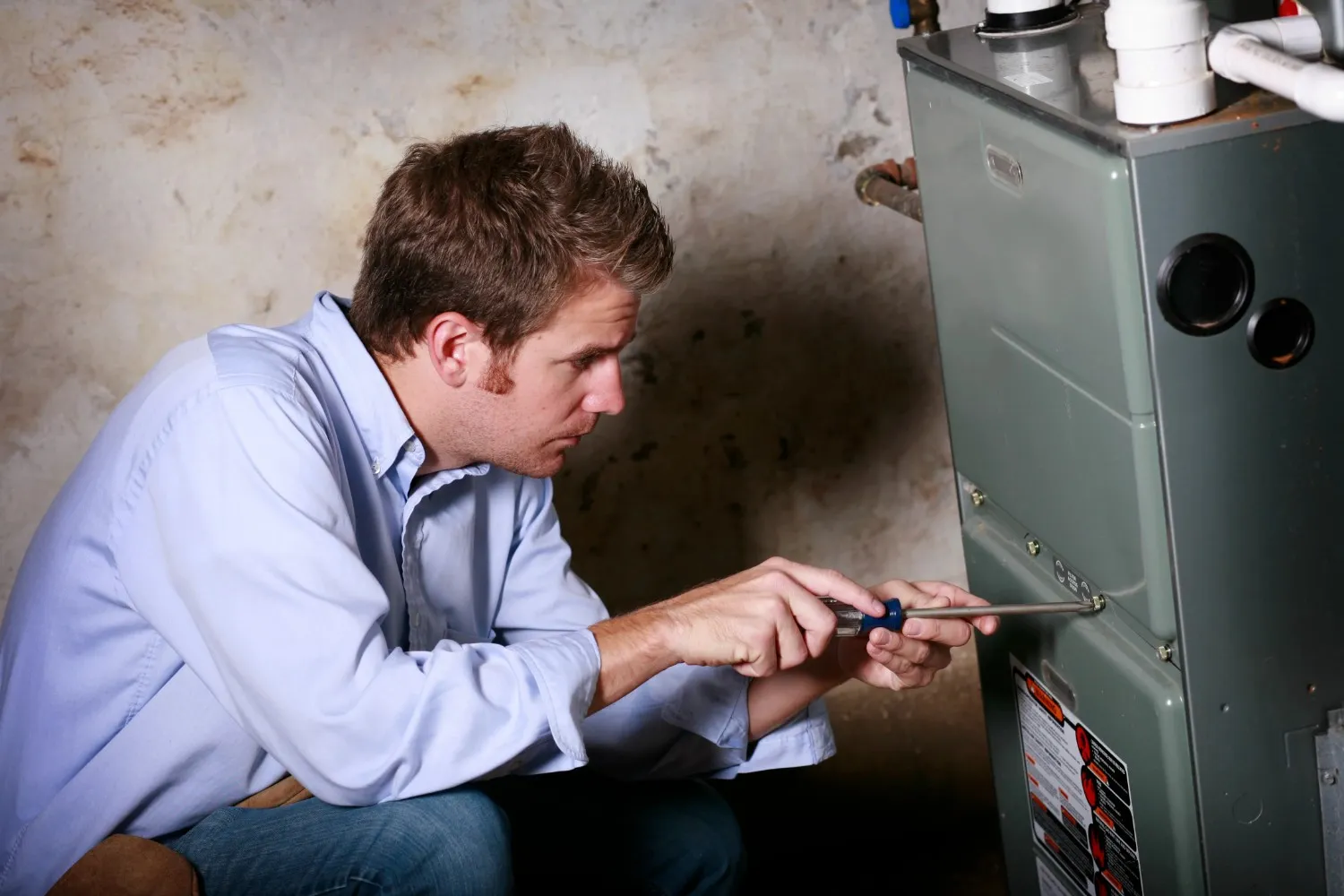
Addressing Common Furnace Failures
Heating systems often display similar symptoms, but the underlying causes can vary significantly. Experienced professionals are equipped to handle a wide range of common mechanical failures on the spot:
- Ignition and Pilot Control Issues: Modern furnaces use hot surface ignitors or intermittent pilots. If these fail, the burners will not light, and the system will blow cold air. Technicians carry replacement ignitors to restore combustion immediately.
- Airflow and Limit Switch Problems: If a furnace overheats, the limit switch trips to shut off the burners. This is often caused by restricted airflow from dirty filters or blower motor issues. The repair involves diagnosing the airflow restriction and resetting or replacing the safety switch.
- Thermostat and Control Board Malfunctions: Sometimes the issue lies in the "brain" of the unit. If the thermostat isn't sending the right voltage to the furnace, or if the control board isn't processing the signal, the system remains idle. Calibration or replacement of these electronic controls restores operation.
- Noisy Operation: Squealing, banging, or rattling noises indicate mechanical stress. This could be a loose belt, a failing inducer motor, or thermal expansion in the ductwork. Addressing these noises early prevents catastrophic component failure.
- Short Cycling: If the furnace turns on and off rapidly without reaching the set temperature, it is short cycling. This puts immense stress on the heat exchanger. Causes range from oversized units to blocked exhaust vents or flame sensor corrosion.
The Furnace Repair Process: What to Expect
Understanding the service workflow helps homeowners know exactly what is happening in their home. Professional repair services follow a structured process to ensure safety, efficiency, and clarity. The goal is to move from a cold house to a warm, functioning environment as smoothly as possible:
- Initial Assessment and Safety Check: The technician arrives and inspects the area around the furnace. They check for gas leaks, carbon monoxide presence, and clear clearances around the unit. This safety check is mandatory before any tools are used on the machinery.
- Fault Code Analysis: Modern furnaces have LED indicator lights that flash specific error codes. The technician reads these codes to get a preliminary understanding of which circuit or sensor triggered the lockout.
- Component Testing: Using multimeters and manometers, the technician measures electrical voltage, amperage, and gas pressure. They verify that the gas valve is releasing the correct pressure to the burners and that the flame sensor is detecting heat accurately.
- Transparent Quoting: Once the problem is identified, you receive a clear explanation of what is broken, why it failed, and what is required to fix it. A flat-rate quote is presented for approval. There are no hidden fees or hourly surprises; the price agreed upon is the price paid.
- Execution of Repair: The technician proceeds with the approved work. This may involve cleaning a flame sensor, replacing a pressure switch, installing a new blower motor, or clearing a condensate trap.
- System Validation: After the repair is complete, the furnace is not just turned on; it is tested through a full heating cycle. The technician measures the temperature rise (the difference between air entering and leaving the unit) to ensure it falls within the manufacturer’s specifications.
- Site Cleanup: The workspace is left as clean as it was found. Old parts and packaging are removed, and the unit is wiped down.
When to Repair vs. When to Replace Your Heating System
One of the most difficult decisions a homeowner faces is whether to invest in another repair or to replace the aging system entirely. While Organ & Sons Mechanical, Inc. focuses on repairing your existing unit whenever possible, there are mathematical and safety thresholds where replacement becomes the smarter financial choice.
The Age and Reliability Factor
Furnaces typically last between 15 and 20 years. If your unit is under 10 years old, repair is almost always the best option unless the cost is astronomical. However, once a system passes the 15-year mark, parts become harder to source, and the metal components of the heat exchanger are more prone to fatigue and cracking. If you are facing a major repair on a unit that is approaching two decades of service, the money spent on a repair might be better utilized as a down payment on a high-efficiency replacement.
The 50% Investment Rule
A general guideline used in the industry is the 50% rule. If the cost of the repair approaches or exceeds 50% of the cost of a new system, replacement is recommended. Putting half the value of a new machine into an old machine that might fail again next season is rarely a good investment.
Safety Concerns and Heat Exchangers
The heat exchanger is the component that separates the combustion gases (including carbon monoxide) from the breathable air in your home. If a heat exchanger is cracked or rusted through, it cannot be safely repaired; it must be replaced. In many cases, replacing a heat exchanger is so labor-intensive and costly that replacing the entire furnace is more economical and safer.
Efficiency and Utility Bills
Older furnaces often operate at 60% to 70% efficiency (AFUE). This means 30 to 40 cents of every dollar you spend on gas is going out the exhaust pipe. Modern systems operate at 90% to 98% efficiency. If your energy bills in Santa Maria have been climbing despite moderate usage, the operational savings of a new unit might offset the installation cost over time.
Local Climate Considerations for Santa Maria Heating
The climate in Santa Maria presents specific challenges for heating systems that differ from other regions. While winters are generally mild compared to the Midwest, the specific environmental conditions on the Central Coast impact how furnaces wear and tear.
Humidity and Corrosion
The proximity to the ocean brings fog and higher humidity levels, even in the winter months. This moisture can accelerate corrosion on metal components within the furnace, particularly the burners, electrical contacts, and the heat exchanger. Regular inspections are critical in this region to spot rust early before it eats through vital safety components.
Seasonality and Usage Patterns
Because the heating season is concentrated between November and March, furnaces often sit idle for months at a time. This long period of inactivity can lead to issues when the system is finally turned on for the first time in late autumn. Dust settles on the burners, insects may build nests in the flue, and lubrication in the motors can dry out.
Permitting and Local Codes
When major repairs involve gas line modifications or system replacements, local building codes come into play. Compliance with Title 24 energy standards and local municipal regulations ensures that the system is safe and efficient. Professional technicians are well-versed in these local requirements, handling necessary verifications to ensure that all work is up to code and that your home insurance coverage remains valid.
Why Technical Expertise Matters in Heating Repair
Heating repair is not a DIY task. It involves working with high-voltage electricity, combustible natural gas, and carbon monoxide. The difference between a safe repair and a hazardous situation lies in the training and precision of the technician performing the work.
Specialized Diagnostics
A generic handyman may be able to swap a part, but they rarely have the tools to diagnose why the part failed. Professional technicians utilize advanced diagnostic gear to read static pressure, measure micro-amps in flame rectification, and analyze combustion gases. This depth of analysis ensures that the repair solves the problem permanently rather than applying a temporary bandage.
Access to OEM Parts
High-quality repairs rely on high-quality parts. Professional service providers maintain relationships with manufacturers and supply houses, granting access to Original Equipment Manufacturer (OEM) parts. These parts are designed specifically for your make and model, ensuring proper fit, function, and longevity. Universal or "one-size-fits-all" parts often result in reduced efficiency or safety compromises.
Safety Protocols
The most important aspect of furnace repair is safety. Technicians follow strict protocols to ensure there are no gas leaks after a valve replacement and no carbon monoxide leakage after a heat exchanger inspection. They verify that safety switches, such as rollout switches and limit switches, are functioning correctly and have not been bypassed. Your safety is the priority during every service call.
Unbiased Recommendations
Professional technicians operate with the goal of restoring your comfort, not meeting a sales quota. When a system can be repaired, the focus remains on the repair. When a system is unsafe or economically unviable, the data is presented clearly so you can make an informed decision without pressure.
Secure Your Home Comfort Today
A broken furnace disrupts your life and compromises the comfort of your home. You do not have to endure cold nights or uncertainty regarding your heating system. Professional, decision-based repair services are available to diagnose the issue accurately and provide a lasting solution. Whether it is a minor sensor cleaning or a major component replacement, the focus remains on safety, efficiency, and restoring heat to your living space.
Don't let a heating failure linger. Contact our team to schedule your service appointment now.
Contact Us