



AC Service in Santa Maria, CA
Struggling with AC issues in Santa Maria? Contact us for professional diagnostics, repairs, and maintenance. Ensure your home stays comfortable all year.
Experiencing AC Troubles in Mild Winters or Dry Summers?
Struggling with inconsistent AC performance as the seasons shift in the central coast region can disrupt your daily routine and home comfort. Whether it is a chilly winter morning requiring heat pump efficiency or a dry summer afternoon demanding maximum cooling, a failing system creates immediate stress for homeowners in Santa Maria. If your air conditioner is making strange noises or failing to reach the set temperature, contact us today or inquire about our financing options to restore your climate control immediately:
- Responsive service—problem diagnosed and fixed swiftly to minimize downtime.
- Experienced professionals ensuring high-quality, reliable fixes for all major makes and models.
- Open year-round to address both urgent breakdowns and routine maintenance needs.
All services are carried out by licensed experts, compliant with local codes, with flexible financing options available. Organ & Sons Mechanical, Inc. provides the technical expertise required to handle these specific regional climate challenges.
Comprehensive Air Conditioning Diagnostics and Repair Scope
When a cooling system fails, the issue often stems from specific mechanical or electrical faults that require precise identification. Homeowners in Santa Maria often encounter systems that run but do not cool, units that cycle on and off too frequently (short cycling), or equipment that trips the circuit breaker upon startup. Effective service begins with a granular analysis of the system’s operation rather than guesswork.
A professional service visit covers the inspection and repair of critical components that drive the cooling cycle. This includes examining the compressor, which acts as the heart of the system, and the refrigerant levels. Low refrigerant indicates a leak that must be located and sealed; simply adding more fluid does not solve the underlying problem and violates environmental regulations. Technicians also evaluate the electrical components, such as capacitors and contactors. These small parts often fail due to wear and tear, preventing the outdoor unit from starting even if the thermostat signals a call for cooling.
Airflow restrictions represent another common failure point. Issues within the blower motor, clogged air filters, or collapsed ductwork can freeze the evaporator coil, halting the cooling process entirely. Addressing these airflow dynamics is essential not just for temperature control but for the longevity of the entire HVAC system. By resolving these core issues, the system returns to manufacturer specifications, ensuring efficient energy usage and reliable performance during the warmer months.
The Service Process: From Diagnosis to Resolution
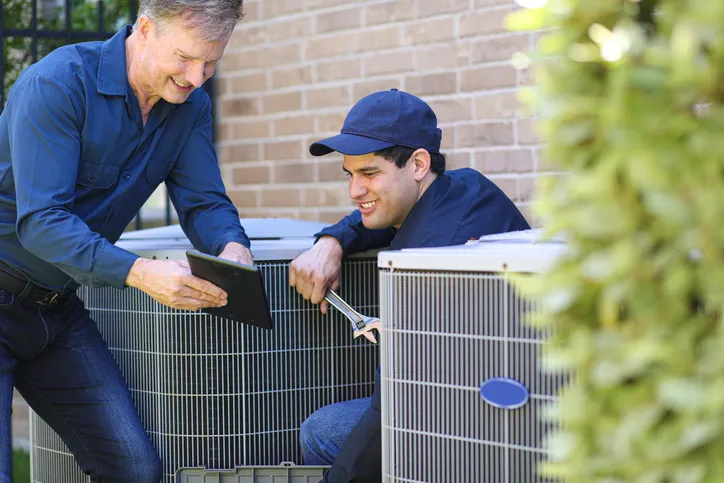
Understanding the sequence of a service call helps homeowners prepare for the repair process. Professional intervention follows a structured approach to ensure no variable is overlooked, moving from a broad assessment to a targeted resolution:
- Initial Assessment and Safety Check: The technician arrives and performs a safety inspection of the unit. This involves checking for electrical hazards, examining the disconnect box, and ensuring the area around the condenser is clear of debris. The system is tested in its current state to replicate the failure the homeowner is experiencing.
- System Diagnostics and Testing: Using specialized gauges and multimeters, the technician measures voltage, amperage, and pressure levels. They assess the temperature difference (Delta T) between the supply and return air to gauge cooling efficiency. This data isolates the malfunction to a specific component, such as a failed fan motor or a blocked condensate drain line.
- Transparent Reporting and Quote: Once the issue is identified, the findings are presented clearly. The explanation includes what failed, why it failed, and the options for repair. A flat-rate quote is provided before any work begins, eliminating surprises regarding the final cost.
- Execution of Repairs: Upon approval, the technician proceeds with the repair. This may involve brazing a refrigerant line, replacing a capacitor, cleaning the coils, or clearing a blockage in the drain line. High-quality parts are used to ensure the repair lasts.
- Final System Validation: After the repair is complete, the system is restarted and monitored. The technician verifies that pressures have stabilized, the airflow is correct, and the thermostat is cycling the unit properly. The workspace is cleaned, and a final report is generated for the homeowner’s records.
Determining When to Replace Versus Repair Your Cooling System
Deciding between repairing an existing unit and investing in a new system is a financial and logical calculation. In the Santa Maria area, where coastal fog and inland heat can both affect system wear, this decision often relies on the age of the unit, the cost of the current repair, and the system’s recent performance history.
The 50% Rule
Industry standards suggest that if the cost of the repair approaches 50% of the value of a new system, replacement is the more prudent financial choice. Investing heavily in an aging unit often yields diminishing returns, as one major repair is frequently followed by another.
Age of the Equipment
Air conditioners generally have a lifespan of 10 to 15 years. Units approaching or exceeding the 15-year mark typically operate at much lower efficiency levels (SEER ratings) compared to modern equipment. Even if a repair is possible, the ongoing utility costs of running an outdated system can outweigh the price of a new installation over time.
Frequency of Breakdowns
If a system has required multiple service calls within the last two years, it indicates that the internal components are reaching the end of their lifecycle. Frequent "band-aid" fixes accumulate costs that could have been directed toward a more reliable, warrantied system.
Refrigerant Type
Older systems utilizing R-22 refrigerant (Freon) are becoming prohibitively expensive to service due to the phase-out of this chemical. If an R-22 system develops a leak, the cost of the refrigerant alone often justifies an upgrade to a system using R-410A or newer, eco-friendly alternatives.
Navigating Local Requirements and Regional Climate Factors
Operating an AC system in California involves adherence to strict state codes and an understanding of the local microclimate. The regulatory environment is designed to maximize energy efficiency, which directly impacts how service and replacements are handled.
Title 24 and HERS Testing
California’s Title 24 energy standards are among the strictest in the nation. When significantly altering or replacing an AC system, permits are required, and the system often must undergo HERS (Home Energy Rating System) testing. This third-party verification ensures that the ductwork is sealed properly and the unit is sized correctly for the home. Professional service providers manage this permitting and testing process to ensure the homeowner remains compliant and avoids fines or issues during a future home sale.
Coastal Influence on Equipment
While Santa Maria enjoys a Mediterranean climate, the proximity to the ocean introduces salt air and moisture. This can accelerate corrosion on the outdoor condenser coils and metal housing. Routine service in this region includes checking for rust and corrosion that might compromise the structural integrity or heat transfer capabilities of the unit. Special coatings or specific maintenance protocols may be recommended to extend the life of equipment in these conditions.
Variable Weather Patterns
The region experiences significant temperature swings between day and night, and between the wet winter months and dry summer months. Systems must be calibrated to handle these shifts. A system that is slightly low on refrigerant might function adequately on a mild day but will fail completely during a September heatwave. Service protocols prioritize ensuring the system has the capacity to handle peak loads, not just average days.
The Role of Preventive Maintenance in System Longevity
Reactive repair solves immediate problems, but proactive maintenance prevents them. Given the dry summers in the region, dust and debris accumulation is a primary enemy of AC efficiency. A lack of maintenance forces the system to work harder to achieve the same cooling result, increasing electrical consumption and strain on the compressor.
A comprehensive tune-up involves more than just changing a filter. It includes tightening all electrical connections to prevent overheating, lubricating moving parts to reduce friction, and chemically cleaning the condenser coils to maximize heat rejection. The condensate drain is cleared to prevent water damage to the home, and the thermostat is calibrated to ensure accurate temperature reading.
Regular maintenance also preserves the manufacturer's warranty. Most equipment manufacturers require proof of annual service to honor warranty claims for parts like compressors or heat exchangers. Neglecting this routine care can lead to a voided warranty, leaving the homeowner fully responsible for expensive part replacements. Organ & Sons Mechanical, Inc. emphasizes the importance of these scheduled inspections to protect your investment.
Indoor Air Quality and Ductwork Integrity
The performance of an air conditioner is intrinsically linked to the condition of the ductwork and the quality of the air circulating through the home. In older homes, ductwork may have developed leaks, disconnected joints, or deteriorated insulation. Leaky ducts create a pressure imbalance, pulling in dusty, unconditioned air from attics or crawlspaces and pushing conditioned air out. This forces the AC to run longer cycles to cool the living space, wasting energy.
Service visits often include an assessment of the duct system. Sealing leaks not only improves efficiency but also enhances indoor air quality. In a climate where seasonal allergens and dust are common, maintaining a sealed system ensures that the air passing through the filter is actually being cleaned.
Furthermore, humidity control is a function of the AC system. If the unit is oversized or short-cycling, it will cool the air quickly but fail to remove adequate moisture. This can lead to a clammy indoor environment and increase the risk of mold growth, particularly during the wetter winter months. Properly servicing the unit ensures it runs for long enough cycles to effectively dehumidify the air, maintaining a comfortable and healthy indoor environment.
Why Professional Execution Matters for Long-Term Performance
The difference between a quick fix and a lasting solution lies in the technical execution. HVAC systems are complex thermal machines that rely on precise pressures, airflow calculations, and electrical inputs. An improper repair or installation can reduce system efficiency by up to 30%, leading to higher utility bills and premature failure.
Licensed professionals bring the necessary diagnostic tools and training to adhere to manufacturer specifications. They carry insurance to protect the homeowner and the property during the service. Moreover, professional service providers stand behind their work with labor warranties, providing peace of mind that if an issue recurs, it will be addressed without additional cost.
Choosing a reputable provider ensures that you are not just buying a part, but investing in the restored comfort and safety of your home. From navigating local permit requirements to understanding the specific load calculations required for your home's layout, expert service mitigates risk and optimizes performance.
Secure Your Comfort with Reliable AC Solutions
A functioning air conditioning system is not a luxury; it is a necessity for maintaining a habitable and comfortable home environment. When performance falters, delays can lead to increased damage and rising repair costs. Whether you are facing a complete system breakdown, efficiency issues, or simply need a seasonal tune-up to prepare for the coming weather, decisive action is required.
Do not let a minor issue escalate into a major replacement expense. Secure professional diagnostics and repair services that prioritize accuracy, code compliance, and long-term reliability. Trust the team that understands the unique climate and technical requirements of Santa Maria. Contact Organ & Sons Mechanical, Inc. today to schedule your service and ensure your home remains cool and comfortable year-round
Contact Us