



Emergency HVAC Repair in Santa Maria, CA
Emergency HVAC Repair in Santa Maria, CA
Is Your HVAC System Down? Get It Fixed Fast
Caught off-guard by a sudden HVAC breakdown? Don't sweat it—help is just a call away, so contact us now or inquire about our financing options to restore your comfort immediately. When your heating or cooling system fails in Santa Maria, you need a solution that prioritizes speed without sacrificing quality. Organ & Sons Mechanical, Inc. delivers prompt, professional diagnostics and repairs to get your home back to the perfect temperature.
- Experience same-day repairs from certified technicians.
- Transparent pricing with no hidden fees.
- Emergency service available 24/7 to ensure your comfort.
- All services backed by a satisfaction guarantee and fully insured for peace of mind.
Immediate Service Response and Repair Timeline
When an air conditioner fails during a dry summer heatwave or a furnace quits in the middle of a wet winter night, the immediate priority is securing a technician who can arrive quickly. Waiting days for an appointment is not an option when internal temperatures become unsafe or unbearable. The service timeline begins the moment a request is logged. Dispatch teams prioritize emergency calls based on urgency and location, ensuring that technicians are routed efficiently throughout the area.
Upon arrival, the primary goal is accurate diagnosis. Emergency repairs often involve complex mechanical or electrical failures that require specialized tools to identify. Technicians arrive in vehicles stocked with common parts—such as capacitors, contactors, igniters, and blower motors—to maximize the chances of a "one-trip" fix. If a system is blowing warm air, making grinding noises, or refusing to turn on, the focus is on isolating the faulty component immediately.
Homeowners can expect the following during an emergency visit:
- Arrival and Protection: The technician arrives within the agreed window, wearing shoe covers and using drop cloths to protect flooring and property.
- System Diagnostics: Advanced testing equipment is used to check refrigerant levels, electrical voltage, airflow restrictions, and safety switch operation.
- Upfront Explanation: Before any work begins, the root cause is explained clearly, along with a breakdown of the necessary repairs.
- Immediate Execution: With approval, the repair is performed on the spot using OEM or high-quality aftermarket parts.
The duration of an emergency repair varies depending on the severity of the issue. A simple capacitor replacement may take less than an hour, whereas finding and fixing a refrigerant leak or replacing a compressor could require several hours. The objective is always to restore functionality safely and efficiently, minimizing downtime for the household.
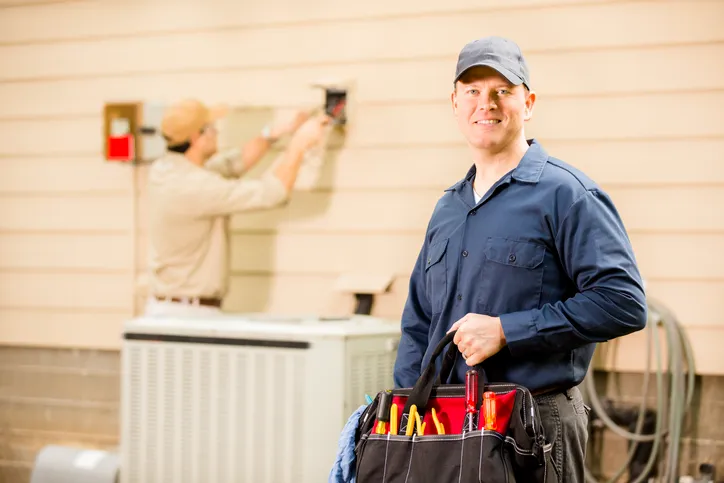
Your Guide to the Fast Repair Process
Understanding the steps involved in an emergency repair helps alleviate the stress of the situation. Professional intervention follows a structured protocol designed to ensure safety and long-term reliability. This is not guesswork; it is a systematic approach to HVAC restoration.
- Initial Assessment and Safety Check: The process begins with a safety inspection. Technicians check for gas leaks, carbon monoxide risks, and electrical hazards. This is particularly critical for furnaces during the rainy season when ventilation issues can pose serious health risks. Ensuring the system is safe to operate is the prerequisite for any repair work.
- Component Isolation and Testing: The technician moves through the system logically. For cooling issues, the outdoor condenser coil, compressor, and refrigerant lines are inspected. For heating issues, the focus shifts to the burner assembly, heat exchanger, and ignition sequence. Multimeters and pressure gauges provide the hard data needed to pinpoint the failure.
- Reviewing Options: Once the problem is identified, options are presented. If a part can be repaired, that option is tabled. If a component must be replaced, the technician checks inventory availability. In the rare event a specific part must be ordered, temporary solutions or expedited shipping options are discussed to manage comfort in the interim.
- The Repair Execution: The failed component is removed and replaced. This often involves brazing copper lines, rewiring electrical connections, or calibrating gas valves. Precision is key here; improper installation of a new part can lead to future failures.
- System Testing and Calibration: The job is not complete when the new part is installed. The system is cycled through a full operation sequence. Technicians measure temperature differentials (the split between supply and return air) to verify the system is cooling or heating effectively. Thermostats are calibrated, and airflow is balanced to ensure even distribution throughout the home.
- Final Walkthrough: The technician demonstrates that the system is running correctly. Maintenance tips relevant to the specific repair are provided, such as how often to change filters to prevent the new motor from overheating. This educational step empowers homeowners to prevent recurrence.
Deciding Between Repair and Replacement: A Quick Guide
One of the most difficult decisions during an emergency service call is determining whether to pour money into a repair or invest in a new system. This decision relies on data, equipment age, and financial logic rather than emotion. While the immediate instinct is often to choose the cheapest path to restore comfort, a repair is not always the most economical choice in the long run.
Organ & Sons Mechanical, Inc. provides honest assessments to help navigate this decision, using industry-standard metrics to evaluate the viability of the current unit.
- The 50% Rule: A common guideline used by professionals is the 50% rule. If the cost of the repair approaches or exceeds 50% of the value of the system (or the cost of a new unit), replacement is generally the smarter financial move. This is especially true if the unit is out of warranty, as future repairs will also be full-price expenses.
- Age of the Equipment: HVAC systems have a finite lifespan. In the Santa Maria region, the mix of coastal air and inland heat typically results in a lifespan of 10 to 15 years for air conditioners and 15 to 20 years for furnaces. If a system is over 12 years old and suffers a major component failure—like a compressor or heat exchanger—replacement is often recommended. Older units likely operate on phased-out refrigerants like R-22, making repairs prohibitively expensive and environmentally unfriendly.
- Frequency of Breakdowns: If the system has required multiple emergency repairs in the last two years, it has become unreliable. "Nickel and diming" a dying system often costs more over two years than the monthly payments on a new, high-efficiency unit. Chronic breakdowns also indicate that the system is struggling to keep up with the home's thermal load, likely due to wear and tear.
- Efficiency and Energy Bills: Modern HVAC technology has advanced significantly. A unit installed 15 years ago likely has a SEER (Seasonal Energy Efficiency Ratio) rating far lower than today's minimum standards. Replacing a 10 SEER unit with a modern 16+ SEER system can result in substantial energy savings. If monthly utility bills have been creeping up despite normal usage, the system is losing efficiency. Investing in a new system captures these savings immediately, essentially subsidizing the cost of the installation over time.
- Comfort Consistency: Does the current system leave hot spots in upstairs bedrooms or cold drafts in the living room? Emergency repairs fix the immediate breakage but do not solve underlying design or capacity issues. Replacement offers an opportunity to resize the equipment, redesign ductwork, and install zoning capabilities that solve comfort issues a simple repair cannot address.
Local HVAC Regulations and Seasonal Tips for Santa Maria
Operating an HVAC system in the Central Coast region requires specific attention to local climate patterns and regulatory standards. While the weather is generally mild, the specific conditions of the area influence how systems degrade and when they are most likely to fail.
- Navigating the Mediterranean Climate: The region is characterized by a Mediterranean climate, featuring mild, wet winters and dry, warm summers. The majority of rainfall occurs between November and March. This seasonality creates two distinct "danger zones" for HVAC systems.
- Winter Moisture: The wet season introduces moisture that can accelerate rust and corrosion on outdoor heat pump units and furnace venting systems. Electrical connections can oxidize, leading to intermittent failures. Before the first heavy rains, ensuring that drainage ports are clear and vents are properly sealed is crucial to prevent water damage to the unit's internals.
- Summer Dryness: Conversely, the dry summers put a heavy load on air conditioning capacitors and fan motors. Dust and pollen accumulation on condenser coils can severely restrict airflow, causing compressors to overheat during the hottest days of the year.
- Permits and Title 24 Compliance: California maintains some of the strictest energy codes in the country under Title 24. While minor repairs (like replacing a capacitor or fan motor) generally do not require a permit, significant work—such as replacing a compressor, heat exchanger, or the entire unit—does.
- Why Compliance Matters: Unpermitted work can lead to fines and complications when selling a home. Furthermore, Title 24 dictates duct testing and refrigerant charge verification for new installations and major alterations. This ensures the system performs at its rated efficiency.
- Professional Handling: Professional technicians handle the permitting process, ensuring that all repairs or replacements meet local building safety codes and energy standards. This includes verifying that ductwork leakage is within acceptable limits, which is vital for maintaining indoor air quality and efficiency.
- Utility Coordination and Rebates: Local utility providers often offer rebates for upgrading to high-efficiency heat pumps or smart thermostats. During an emergency replacement scenario, navigating these rebate programs can help offset costs. Additionally, if the emergency involves a gas furnace, coordination with the gas company may be necessary if a shutoff was triggered by a safety leak. Professionals are accustomed to liaising with utility providers to ensure gas lines are pressure-tested and safe before service is restored.
Why Choose Us: Reviews and Community Trust
When an emergency strikes, the character of the service provider matters as much as their technical ability. Homeowners invite technicians into their private spaces during stressful times, making trust and reputation non-negotiable factors.
- Local Knowledge and Presence: A locally based service provider understands the specific environmental challenges of the area, from coastal fog corrosion to inland valley heat loads. This local expertise translates to more accurate diagnostics and preventative advice tailored to the region's specific climate conditions.
- Technical Certification and Training: Modern HVAC equipment involves sophisticated electronics and variable-speed motors. Technicians undergo rigorous, ongoing training to stay current with the latest technologies. This ensures that whether the system is a vintage gas furnace or a cutting-edge mini-split heat pump, the repair is performed according to manufacturer specifications.
- Respect for Property: Emergency service shouldn't leave a mess behind. Professionalism is demonstrated through the use of drop cloths, shoe covers, and thorough cleanup after the job is done. The goal is to leave the home in better condition than it was found, with the only evidence of the visit being a comfortable indoor temperature.
- Fully Stocked Mobile Warehouses: Efficiency relies on logistics. Service trucks are maintained as mobile warehouses, stocked with a wide array of universal and OEM parts. This preparation significantly reduces the need for follow-up visits and ensures that comfort is restored on the very first call whenever possible.
- Warranty and Guarantee: Standing behind the work is the hallmark of a reputable business. Repairs are backed by warranties on both parts and labor. If a replaced part fails prematurely, it is addressed promptly and without hassle. This commitment to quality assurance protects the homeowner's investment and builds long-term relationships based on reliability.
Call Us Now!
If your system has failed and you need immediate, professional assistance, do not delay. Ensure your home remains safe and comfortable by reaching out to a team that prioritizes your needs. For rapid response and expert emergency HVAC repair, contact Organ & Sons Mechanical, Inc. today.
Contact Us