



Despite the high level of safety that modern gas furnaces offer, it's always a good idea to be prepared for the worst. It is suggested to call heating service in Santa Maria, CA, at the beginning of the winter season to inspect and upgrade the furnace's functioning.
However, it is always important to stay alert of signs of gas leakage from your furnace.
Reasons Why Gas Can Leak From The Furnace System
Although leaks in your furnace's gas supply line are possible, cracked heat exchangers are mostly to blame. The blower typically blows air over a chamber where gas is burned inside a heat exchanger to absorb heat before it circulates through your ductwork. Before it ignites, gas can leak from a cracked heat exchanger, releasing toxic fumes into your house.
Signs Indicating There is a Gas Leakage From The Furnace
Natural gas furnaces are the most common type of furnace, so the risk of gas leakage is high in almost all homes. Despite the low failure rate of modern gas furnaces, you should still be aware of the symptoms of a gas leak.
Here are five indications of a furnace gas leak that every homeowner needs to know:
1. Sulfur or Rotten Egg Smell
There is a gas leakage if your surroundings have a sulfur or rotten egg-like odor. The gas is odorless; however, the manufacturers add a chemical named mercaptan that gives a smell to the gas to become detectable.
If you have a larger leak, you might only be able to smell it right next to the furnace. In any case, shut down the system, open the windows, and call a heating repair expert in Santa Maria, CA.
2. Hissing Sound
Both the heat exchanger in a furnace and the lines that carry natural gas into homes are pressurized. The pressure of the gas escaping from a leak frequently produces a recognizable hissing sound. When the furnace is not in use, you should occasionally check for leaks because the blower motor's noise can occasionally mask them.
3. Issues Regarding Pilot Light
A pilot light is present in most gas-burning appliances like furnaces. This light might frequently go out if there is a gas leak. Due to leaks, pilot lights and gas stovetop flames may also turn orange or yellow when they should be blue. As a result, be more careful when lighting your cooktop or checking your pilot lights and if you see a change in flame, schedule an appointment with heating repair professionals in Santa Maria, CA
4. Increase in Gas Bill
If the gas is escaping into the house more than you have been using, you may notice a spike in electricity bills. Ensure your bills are reasonably consistent and proportional to the gas you use by keeping track.
You can also detect a leakage by noticing the plant growth in your home. Natural gas does not directly harm plants, but will kill them by altering the soil they grow.
Keep an eye out for these indications of gas leaks, and get in touch with Organ And Sons Mechanical immediately if you suspect you have a leak or any other heating related problems. Call (805) 928-8844 and schedule heating service in Santa Maria, CA, today!
Contact Us
Other Blogs
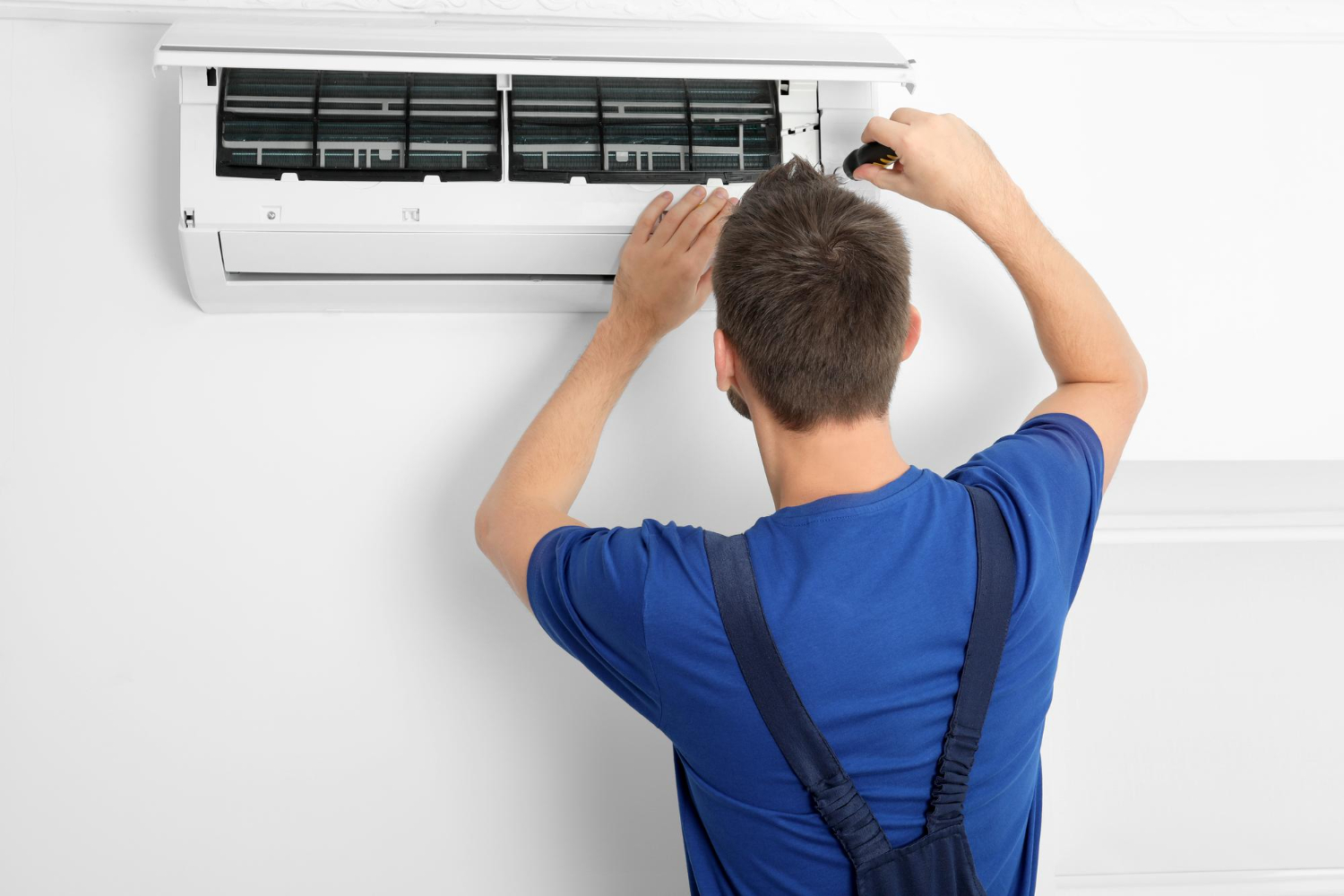
Spring AC Tune-Up Checklist for Santa Maria Homeowners
Discover essential tips for AC maintenance in Santa Maria to keep your system efficient and reliable this spring. Ensure comfort and energy savings all season.
Read more
How to Effectively Remove Common Indoor Air Pollutants in Santa Maria Homes
Enhance indoor air quality in Santa Maria homes. Learn how to reduce pollutants like dust, mold, and VOCs for a healthier living space.
Read more
Why Your Water Heater is Making Popping Sounds in Santa Maria
Discover the causes of water heater popping sounds in Santa Maria and learn how Organ & Sons Mechanical, Inc. can help with expert water heater repair.
Read more
Heat Pump Emergency Warning Signs Every Santa Maria Homeowner Should Know
Recognize heat pump issues early with expert tips from Organ & Sons Mechanical. Ensure efficient heat pump repair in Santa Maria for home comfort.
Read more
Effective AC Installation Tips to Avoid Future Disruptions
Learn essential tips for AC installation to avoid disruptions. Ensure longevity with regular maintenance. Explore plumbing and air quality services.
Read more
Maintaining Water Heaters: Tips from Our Experts
Learn essential water heater maintenance tips from our experts to keep your system running efficiently and prolong its lifespan.
Read more