



Installing a water heater in a commercial building requires careful planning and execution. The right installation not only ensures a reliable hot water supply but also significantly impacts the efficiency and lifespan of the water heater. Understanding the proper practices for water heater installation can save businesses from unnecessary costs and disruptions.
Key Considerations Before Water Heater Installation in Commercial Buildings
Proper planning is essential before installing a water heater in a commercial building. Several factors should be taken into account to ensure a successful installation.
1. Hot Water Needs
Assess the specific hot water requirements of your commercial space. Determine peak usage times and evaluate the demand to select a water heater with adequate capacity. Underestimating hot water needs can lead to insufficient supply, causing inconvenience and possible downtime.
2. Type of Water Heater
Choose the appropriate type of water heater that aligns with your building’s needs. Options include tankless, electric, gas, or hybrid water heaters. Each type has its benefits and limitations. Our professionals can help determine the best choice based on your usage and budget.
3. Compliance with Regulations
Ensure that the installation complies with local building codes and regulations. This includes obtaining the necessary permits and adhering to safety standards. Non-compliance can lead to fines and potential safety hazards.
4. Energy Efficiency
Evaluate the energy efficiency of various water heaters. Efficient models can reduce energy consumption and lower operating costs over time. Look for units with a good energy rating and consider long-term savings when making your selection.
Step-by-Step Guide to Proper Water Heater Installation
A systematic approach is crucial for the proper installation of a water heater in commercial buildings. Here are the essential steps involved:
1. Preparation and Planning
Before starting the installation, gather all necessary tools and materials. Turn off the power and water supply to the area where the new system will be installed. Remove the old water heater, if applicable, following safety guidelines.
2. Securing Permits
Obtain the required permits from local authorities. This step is necessary to comply with building regulations and ensures that the installation meets safety standards.
3. Positioning the Water Heater
Place the new water heater in the selected location, ensuring it is level and stable. Proper placement is crucial for optimal performance and safety.
4. Connecting Water Supply and Outlet
Connect the water supply to the new water heater. Use appropriate fittings and pipes to ensure secure and leak-free connections. Attach the outlet pipe to the system to facilitate hot water flow throughout the building.
5. Electrical and Gas Connections
For electric water heaters, connect the electrical wiring following safety protocols. Gas water heaters require connecting the gas supply, ensuring all connections are tight and secure. Check for potential gas leaks as an added safety measure.
6. Testing and Calibration
Once all connections are completed, turn on the water supply and power or gas supply. Allow the tank to fill, and then turn on the water heater. Test the system for proper operation and adjust settings as needed to ensure the desired temperature is maintained.
7. Final Inspection
Conduct a thorough inspection of the installation. Check for leaks, verify all connections, and ensure the water heater operates correctly. Address any issues immediately to prevent future problems.
Following these steps ensures a smooth and safe water heater installation. Our professionals are equipped to handle all aspects, from planning to execution, providing peace of mind and efficient service.
Common Installation Mistakes and How to Avoid Them
Proper water heater installation is critical for ensuring a reliable hot water supply in commercial buildings. However, numerous mistakes can compromise the system’s efficiency and safety. Being aware of these common errors and how to avoid them can save businesses from future issues.
1. Incorrect Sizing
Installing a water heater that is too small or too large for the building’s needs is one of the most common mistakes. A unit that is too small will struggle to meet demand, while one that is too large can lead to unnecessary energy consumption. Proper assessment of hot water requirements before installation is essential.
2. Improper Ventilation
Sufficient ventilation is crucial, especially for gas water heaters. Poor ventilation can cause dangerous gas buildup and reduce the heater’s efficiency. Ensure that the installation area has adequate ventilation and that all exhaust systems are functioning correctly.
3. Faulty Connections
Incorrectly installed water, gas, or electrical connections can result in leaks, electrical hazards, or operational issues. All connections should be double-checked during installation to confirm they are secure and leak-free.
4. Neglecting the Expansion Tank
An expansion tank absorbs excess pressure from heated water and prevents potential damage to the plumbing system. Neglecting to install an expansion tank can lead to increased pressure and potential system failure. Always include an expansion tank in the installation for safety and efficiency.
The Role of Professional Technicians in Ensuring Quality Installation
Relying on professional technicians for water heater installation has significant advantages. Their expertise ensures the job is done correctly, adhering to all safety and regulatory standards.
1. Expert Assessment
Our professionals begin with a detailed inspection and assessment of your commercial building’s hot water needs. They determine the appropriate size and type of water heater, ensuring optimal performance and energy efficiency.
2. Quality Installation
The actual installation process requires precision and accuracy. Our technicians follow industry best practices, from securing permits to making necessary connections. They ensure every step is executed flawlessly, minimizing the risk of errors that could lead to future issues.
3. Comprehensive Safety Checks
Safety is a paramount concern during water heater installation. Our professionals conduct thorough safety checks before, during, and after the installation. This includes verifying all connections, ensuring proper ventilation, and checking for leaks. These measures protect your property and the well-being of its occupants.
4. Post-Installation Support
Following the installation, our technicians provide valuable support, including system testing and calibration. They also offer guidance on maintenance practices to ensure the water heater operates efficiently and has a long lifespan.
Conclusion
Proper water heater installation in commercial buildings is essential for ensuring reliable hot water supply and operational efficiency. By considering key factors and following a detailed, step-by-step process, businesses can avoid common installation mistakes. Relying on professional technicians provides added assurance through expert assessment, precise installation, and comprehensive safety checks.
For your water heater installation in Santa Maria, trust us at Organ & Sons Mechanical, Inc. Our experienced technicians ensure a high-quality installation that meets all your commercial requirements. Contact us today to schedule an assessment and enjoy the peace of mind that comes with professional service.
Contact Us
Other Blogs
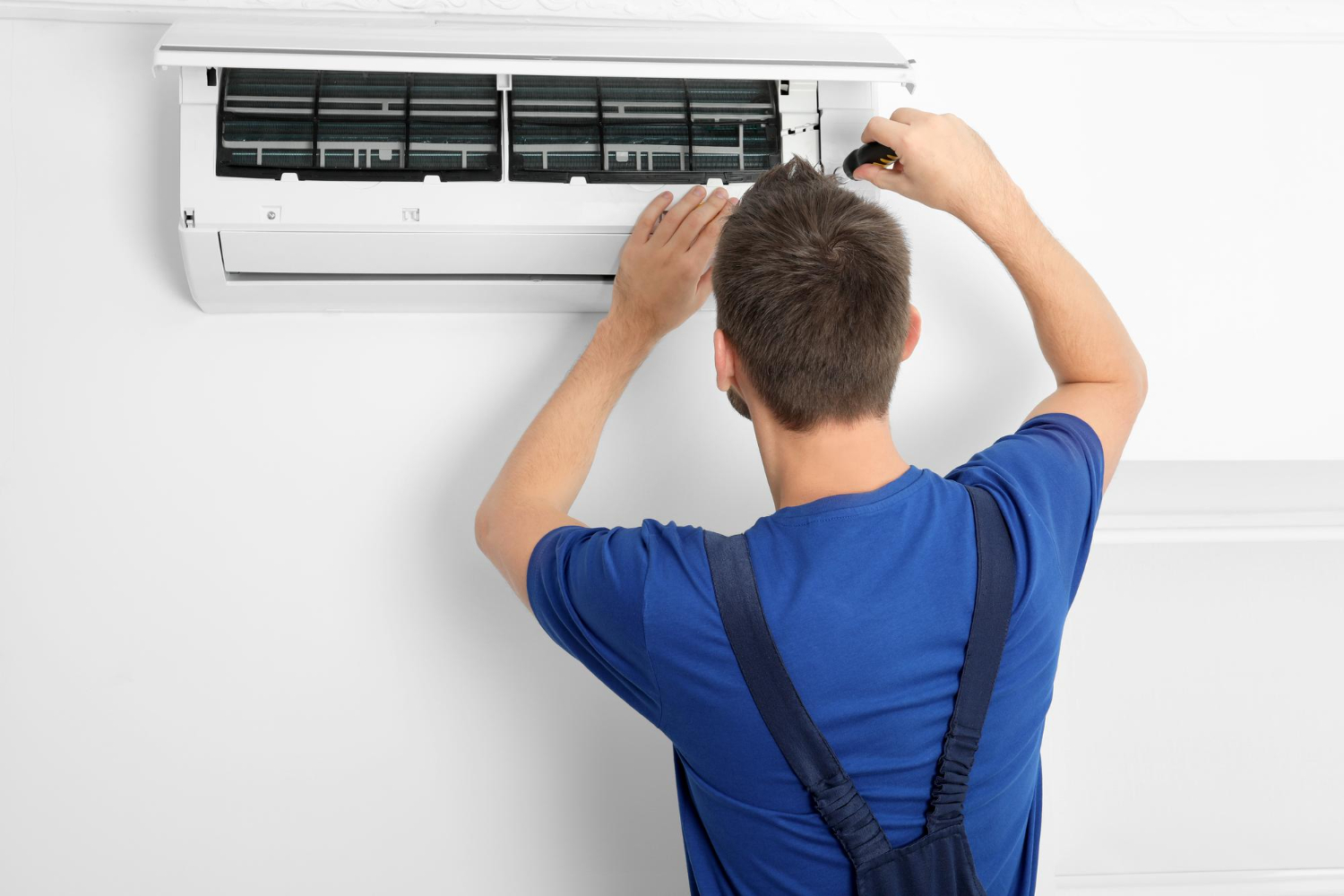
Spring AC Tune-Up Checklist for Santa Maria Homeowners
Discover essential tips for AC maintenance in Santa Maria to keep your system efficient and reliable this spring. Ensure comfort and energy savings all season.
Read more
How to Effectively Remove Common Indoor Air Pollutants in Santa Maria Homes
Enhance indoor air quality in Santa Maria homes. Learn how to reduce pollutants like dust, mold, and VOCs for a healthier living space.
Read more
Why Your Water Heater is Making Popping Sounds in Santa Maria
Discover the causes of water heater popping sounds in Santa Maria and learn how Organ & Sons Mechanical, Inc. can help with expert water heater repair.
Read more
Heat Pump Emergency Warning Signs Every Santa Maria Homeowner Should Know
Recognize heat pump issues early with expert tips from Organ & Sons Mechanical. Ensure efficient heat pump repair in Santa Maria for home comfort.
Read more
Effective AC Installation Tips to Avoid Future Disruptions
Learn essential tips for AC installation to avoid disruptions. Ensure longevity with regular maintenance. Explore plumbing and air quality services.
Read more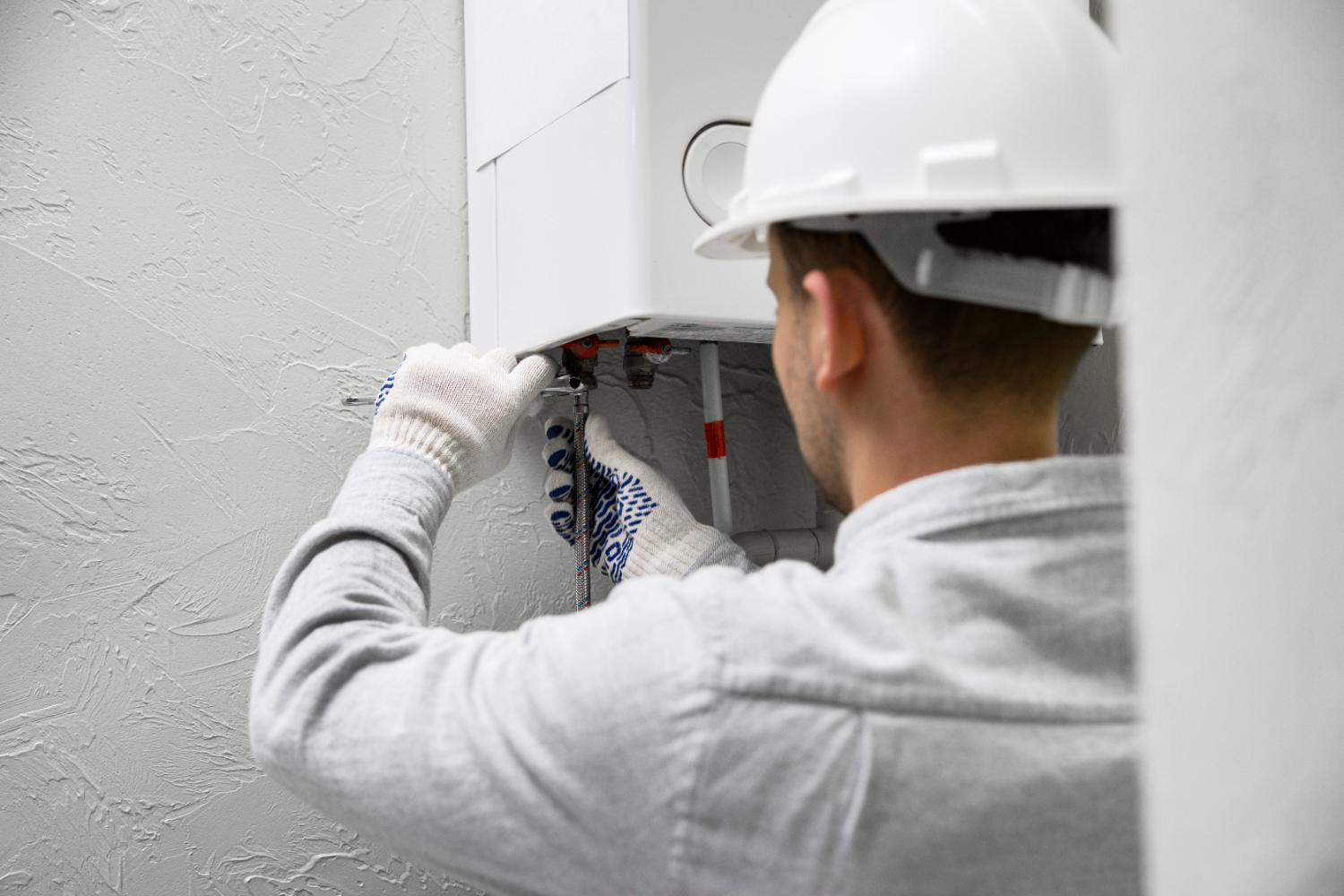
Maintaining Water Heaters: Tips from Our Experts
Learn essential water heater maintenance tips from our experts to keep your system running efficiently and prolong its lifespan.
Read more