



Restore Your Indoor Comfort Immediately When Systems Fail
When the Central Valley heat spikes well past 90°F or the winter chill settles into the region, a broken HVAC system shifts from a minor annoyance to a critical emergency that disrupts your entire household. Contact Organ & Sons Mechanical, Inc. now to schedule an immediate diagnostic visit or click here to explore our financing options for system replacement.
We understand that HVAC failures rarely happen at convenient times. You might be dealing with an air conditioner blowing warm air during a Fresno heatwave, or a furnace that refuses to cycle on during a damp, cold night. In these moments, you need more than just a quick fix; you need a permanent solution that addresses the root cause of the inefficiency or breakdown. Our team provides comprehensive mechanical services designed to handle the specific climate load of this region, ensuring your system runs efficiently when you need it most.
- Receive same-day diagnostics and repair solutions tailored to the specific high-heat demands of the local climate.
- Access energy-efficient system upgrades that may qualify for local utility rebates and come with satisfaction guarantees.
- Rely on 24/7 emergency support to restore safety and comfort to your home regardless of the time or day.
- We are a fully licensed and insured contractor offering flexible financing options to make your comfort accessible.
Immediate HVAC Solutions and What to Expect Today
When your climate control system fails, the immediate priority is identifying the source of the failure and establishing a plan to restore function. The decision-making process begins the moment a technician arrives at your property in Fresno. You need a clear understanding of what is broken, why it broke, and exactly what is required to fix it without hidden fees or vague terminology.
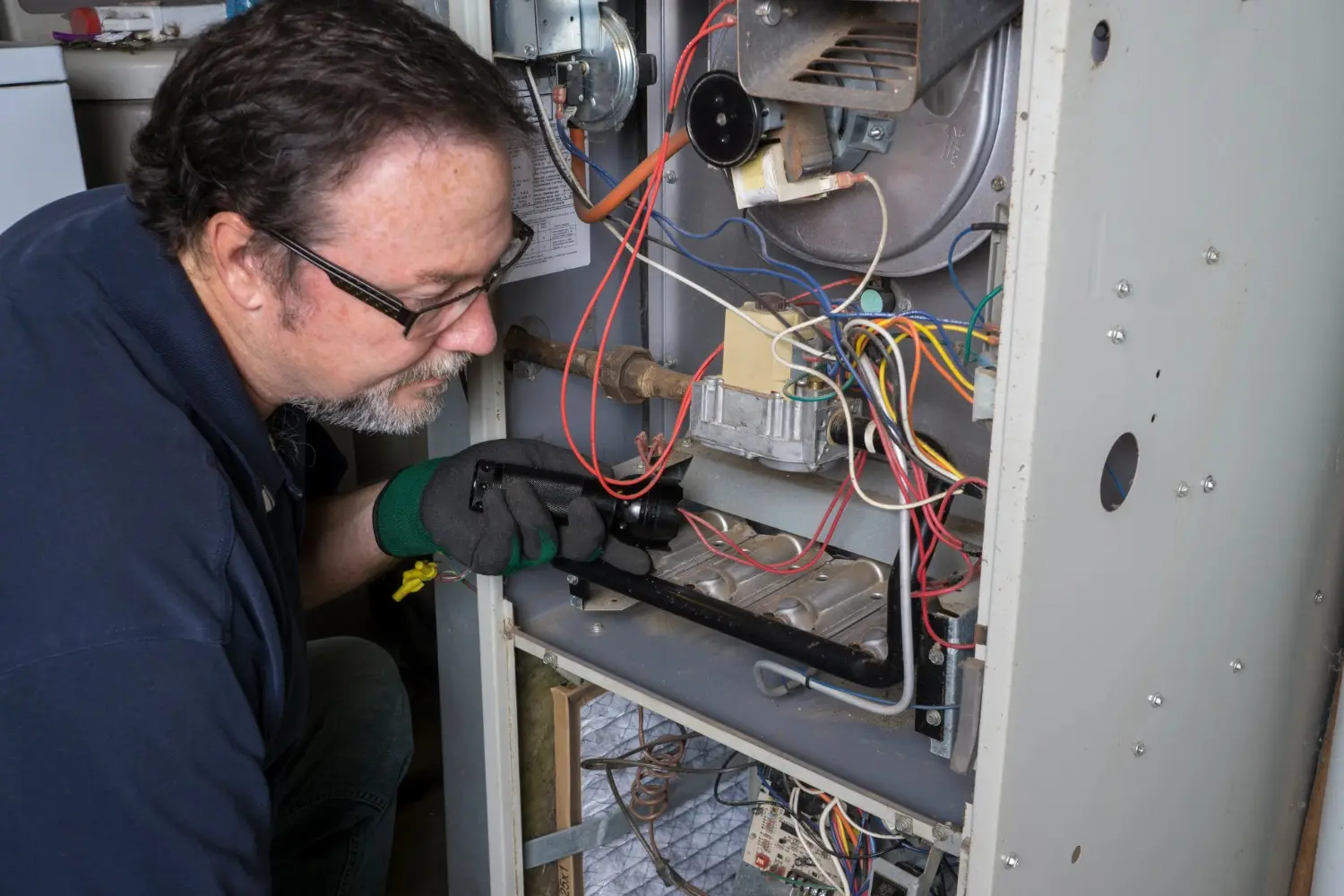
Upon arrival, the focus is on a thorough diagnostic evaluation. This is not a cursory glance at the thermostat. It involves a systematic check of the electrical components, refrigerant levels, airflow static pressure, and mechanical integrity of the unit. For air conditioning units struggling against high ambient temperatures, technicians inspect the capacitor, compressor, and contactor—common failure points during summer peaks. For heating systems, the heat exchanger, burner assembly, and ignition systems are tested for safety and performance.
Once the diagnostic is complete, you receive a detailed report. This report outlines the specific component failure and provides a straightforward scope of work for the repair. If the system is operational but inefficient, the focus shifts to optimization—cleaning coils, calibrating thermostats, and adjusting blower motor speeds to ensure the system can keep up with the weather. The goal is to move from a state of emergency to a state of reliable comfort within a single visit whenever possible.
Comprehensive Heating and Cooling Capabilities
Modern HVAC contracting goes beyond simple part swaps. It requires a holistic understanding of how air moves through a structure and how mechanical systems interact with the building envelope. Whether you have a traditional split system, a package unit, or a ductless mini-split setup, professional service ensures that every component functions in harmony to minimize energy consumption while maximizing output.
Air Conditioning Repair and Maintenance
In an area known for blistering summers, cooling systems operate under immense strain. Services in this category focus on mitigating the wear and tear caused by continuous operation.
- Refrigerant Leak Detection and Recharge: Low refrigerant levels often indicate a leak, which can freeze up the evaporator coil and burn out the compressor. Technicians use electronic sniffers to locate leaks, repair the copper line set, and recharge the system to factory specifications.
- Electrical Component Replacement: Capacitors and contactors often fail due to overheating. Replacing these components promptly prevents damage to the more expensive compressor and fan motors.
- Coil Cleaning and Airflow Correction: Dirty condenser coils cannot release heat effectively, causing the system to run longer and drive up utility bills. Professional chemical cleaning restores heat transfer efficiency.
Heating System Services
While winters are milder compared to other regions, they are wet and cold enough to require a reliable heat source.
- Furnace Repair: This involves troubleshooting gas valves, ignition sensors, and limit switches to ensure the furnace cycles correctly and safely eliminates combustion gases.
- Heat Pump Service: Since heat pumps handle both heating and cooling, they run year-round. Service involves checking the reversing valve and ensuring the defrost cycle operates correctly during frosty mornings.
- Safety Inspections: Technicians inspect heat exchangers for cracks, which is crucial for preventing carbon monoxide leaks in gas-fired systems.
Air Quality and Ductwork
The mechanical unit is only half the equation; the ductwork delivers the air.
- Duct Inspection and Sealing: Leaky ducts can lose up to 30% of conditioned air into the attic or crawlspace. Sealing these leaks improves system performance immediately.
- Filtration Upgrades: Standard filters protect the equipment, but upgraded media cabinets or electronic air cleaners protect the occupants by capturing smaller particulates like dust, pollen, and smoke.
The Installation and Replacement Process
Installing a new HVAC system is a major construction project that alters the infrastructure of your home. It requires precise calculation, skilled labor, and adherence to strict codes. This is not a plug-and-play appliance; it is a custom-fabricated solution designed for your specific square footage and insulation levels. Organ & Sons Mechanical, Inc. approaches every installation with a focus on longevity and efficiency.
- Load Calculation: The process begins with a Manual J load calculation. This engineering standard determines exactly how much heating and cooling power your home requires based on window direction, insulation values, and square footage. Oversized units cycle too frequently, while undersized units run continuously without reaching the set temperature.
- System Selection: Based on the load calculation, you select a system with the appropriate SEER2 (Seasonal Energy Efficiency Ratio) and AFUE (Annual Fuel Utilization Efficiency) ratings. Higher ratings translate to lower monthly energy costs, which is a vital consideration given local electricity rates.
- Site Preparation and Removal: Technicians protect your flooring and property before disconnecting the old unit. The existing refrigerant is recovered according to EPA guidelines to prevent environmental contamination. The old equipment is then removed and hauled away.
- Ductwork Modification: Often, new high-efficiency systems require larger return air drops or modified plenums to handle increased airflow. Sheet metal is fabricated to ensure a perfect, airtight fit between the new unit and existing ductwork.
- Equipment Setting and Brazing: The new condenser and furnace/air handler are set in place. Copper refrigerant lines are brazed using nitrogen purging to prevent oxidation inside the pipes, ensuring the new compressor remains contaminant-free.
- Commissioning and Testing: Once the physical installation is complete, the system is not just turned on; it is commissioned. Technicians measure static pressure, temperature split, and gas pressure to verify the system is performing exactly as the manufacturer designed.
- Final Walkthrough: You receive a complete walkthrough of the new system, including how to operate the thermostat, how to change the filter, and what maintenance schedule is required to keep the warranty valid.
Determining When to Replace vs. Repair
Homeowners often struggle with the decision of whether to pour more money into an aging system or invest in a new one. While repair is often the most immediate low-cost option, it can be a financial drain in the long run if the system is nearing the end of its useful life. Making the right choice depends on a few critical factors regarding the condition of your current unit.
- The 50% Rule: A general industry guideline suggests that if the cost of the repair approaches 50% of the value of the system (or the cost of a new one), replacement is the better financial move.
- System Age: Most central air conditioners and heat pumps last between 10 and 15 years in hot climates due to heavy usage. Furnaces may last 15 to 20 years. If your equipment is within this age range and requires a major component like a compressor or heat exchanger, replacement offers better long-term value.
- Refrigerant Type: Older systems utilizing R-22 (Freon) are becoming prohibitively expensive to repair due to the phase-out of this refrigerant. If your R-22 system has a leak, upgrading to a system that uses R-410A or R-454B is often the only viable option.
- Frequency of Breakdowns: If you have required repairs more than twice in the last two years, the system is likely entering a cascade of failures. Continuing to repair it is essentially paying for a new system on the installment plan without getting the benefits of a new system.
- Efficiency and Comfort: If your utility bills are rising despite normal usage, or if some rooms are always too hot or too cold, the current system may have lost compression or was never sized correctly in the first place. New inverter-driven systems can modulate their output to provide precise temperature control and significantly lower energy bills.
Local Considerations: Permits, Utilities, and Climate
Operating as an HVAC contractor in Fresno involves navigating specific regulatory and environmental challenges unique to the Central Valley and California as a whole. Compliance with these local factors ensures that your installation is legal, safe, and optimized for the environment.
- Permitting and Title 24 Compliance: The City of Fresno and surrounding jurisdictions require building permits for HVAC replacements. This triggers California's Title 24 energy efficiency standards. This often means that when a unit is replaced, the ductwork must be pressure-tested for leaks (HERS testing) and the thermostat may need to be upgraded to a smart, programmable model. A professional contractor handles all permitting and coordinates with third-party HERS raters to ensure the job passes final inspection.
- Utility Rebates and PG&E: Pacific Gas and Electric (PG&E) and other local entities frequently offer rebates for upgrading to high-efficiency heat pumps or air conditioners. These programs change annually and often require specific equipment ratings. Navigating these rebates can offset the initial investment cost significantly.
- Extreme Heat Management: The climate here is characterized by dry heat that puts immense thermal load on buildings. Insulation levels in attics become critical. Furthermore, because the heat is dry, the condensate drain systems must be checked to ensure they don't dry out and allow sewer gases back up, or conversely, clog with algae during heavy use.
- Air Quality Concerns: The Central Valley topography often traps agricultural dust and wildfire smoke. HVAC systems in this area benefit greatly from upgraded MERV 13 filtration or whole-home air purifiers to maintain indoor air quality during poor outdoor air quality days.
Why Professional Execution Matters
The difference between a system that lasts 10 years and one that lasts 20 years often comes down to the quality of the installation and maintenance. High-quality equipment installed poorly will never achieve its rated efficiency. It requires a technician who understands the science of thermodynamics and the electrical intricacies of modern control boards.
Professional execution means carrying the right insurance to protect your property during the work. It means having technicians who are certified and continuously trained on the latest technology, from variable-speed compressors to communicating thermostats. It involves a commitment to transparency—providing written estimates, clear warranties on labor and parts, and standing behind the work long after the truck drives away.
When you choose a professional service, you are paying for the assurance that the system will handle the peak loads of July and the lows of January without faltering. You secure the peace of mind that comes with knowing your home's climate control is compliant with state codes and optimized for your specific living situation.
Secure Your Comfort Today
Don't wait for a total system failure to address your heating and cooling needs. Whether you require an emergency repair to get through the night or a full system replacement to ensure years of worry-free comfort, professional help is available. Organ & Sons Mechanical, Inc. is ready to provide the expertise and service necessary to keep your home comfortable year-round.
Contact us today to schedule your service or request a free estimate on a new system installation.
Contact Us