



Beat the Heat: Reliable HVAC Installation Solutions
Struggling with intense heat or worried about your indoor air quality is a dangerous gamble when summer temperatures spike, which is why securing a professional system replacement now is the only way to guarantee safety and comfort. Contact us immediately to schedule an assessment or inquire about our flexible financing options to get your new system running without delay. Organ & Sons Mechanical, Inc. specializes in high-performance cooling and heating installations designed to withstand extreme weather patterns.
- Enjoy cooler indoor temperatures within 48 hours with our quick, efficient installation service.
- Benefit from high-efficiency units that reduce your monthly energy bills and significantly enhance indoor air filtration.
- Get peace of mind with our emergency services and dedicated support that ensures your system performs when you need it most.
All installations fully comply with local building codes and come with extensive manufacturer warranties alongside our workmanship guarantees.
What to Expect From Your New HVAC System
Investing in a modern HVAC system is about more than just swapping out a metal box; it is about upgrading the infrastructure of your home to handle the specific climate demands of the Central Valley. Residents in Fresno face unique challenges, including blistering summer highs above 90°F and specific air quality concerns that older units simply cannot manage — visit our HVAC FAQs for more info. A comprehensive installation service addresses these issues head-on.
When you authorize an installation, you receive a complete solution that includes the removal of outdated equipment, inspection of existing infrastructure, and the integration of high-efficiency components. The scope of work typically covers the outdoor condenser unit, the indoor evaporator coil, the furnace or air handler, and the thermostat. Modern systems are designed to meet strict SEER2 (Seasonal Energy Efficiency Ratio) standards, which translates to lower electricity usage for the same amount of cooling power.
- Advanced Filtration: Given local air quality issues, new installations often include upgraded media cabinets or air purifiers to trap dust, pollen, and smoke.
- Smart Integration: New thermostats offer Wi-Fi connectivity, allowing for precise temperature control and scheduling that adapts to your lifestyle.
- Quiet Operation: Modern variable-speed compressors and fans run significantly quieter than single-stage legacy units.
- Matched Systems: We ensure the indoor and outdoor units are perfectly matched to maximize efficiency and longevity.
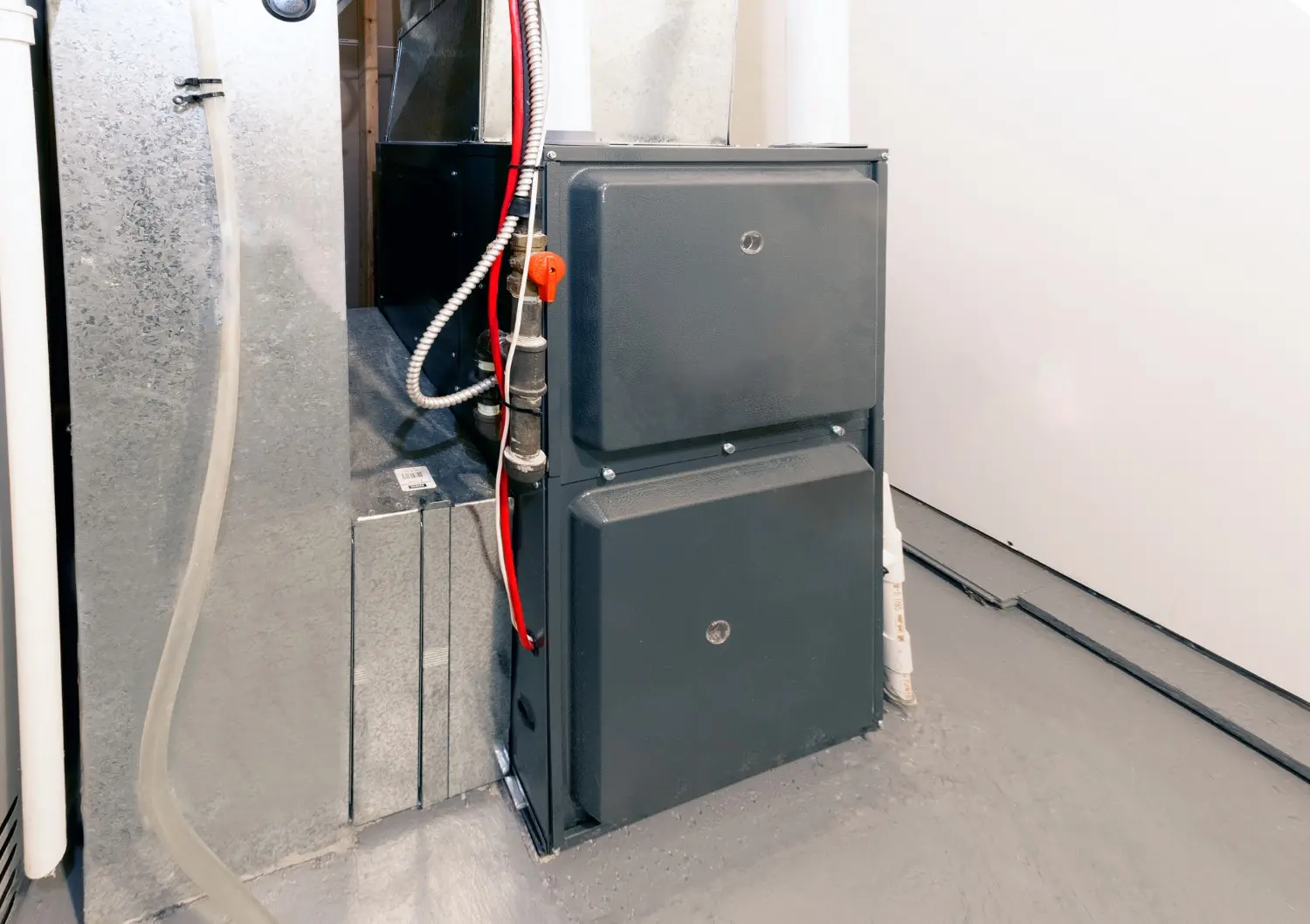
The Installation Process: Step-by-Step
A professional installation follows a rigorous protocol to ensure the system operates at peak performance for years to come. We do not cut corners or rely on guesswork. Every step is calculated to meet manufacturer specifications and local safety standards.
- Load Calculation: Before any equipment is ordered, technicians perform a Manual J load calculation. This determines the exact heating and cooling capacity required for your specific home layout, insulation levels, and window orientation. Guessing the size based on the old unit often leads to inefficiency.
- Site Preparation: The installation team prepares the work area to protect your property. This involves laying down drop cloths and clearing the path to the equipment site.
- System Removal: The old equipment is disconnected and safely removed. This includes the recovery of old refrigerant according to EPA regulations to prevent environmental contamination.
- Infrastructure Inspection: Once the old unit is gone, the team inspects the plenum box, ductwork connections, and the concrete pad. Any deterioration found here is addressed to prevent future airflow leaks.
- Equipment Placement: The new indoor and outdoor units are positioned and leveled. Proper leveling is critical for the drainage of condensate and the longevity of the compressor.
- Connections: Technicians connect the line set (copper refrigerant lines), high-voltage electrical wiring, and low-voltage control wiring. In gas furnace setups, the gas lines and flue pipes are connected and tested for leaks.
- Vacuum and Charge: A vacuum pump removes moisture and air from the refrigerant lines. The system is then charged with the precise amount of refrigerant required by the manufacturer.
- Commissioning and Testing: The system is powered on and tested. Technicians measure static pressure, temperature drop (delta T), and airflow to verify the system is performing within design parameters.
When to Replace vs. Repair Your Unit
Deciding between another repair bill and a full replacement is a financial and logical decision. While repairs can extend the life of a unit, there comes a point where sinking money into an aging system yields diminishing returns. Understanding the specific thresholds for replacement helps homeowners make educated choices.
- The 50% Rule: If the cost of the repair approaches 50% of the value of a new system, replacement is the more economically sound option.
- Age of the Unit: Heat pumps and air conditioners in this region typically last 10 to 15 years. If your unit is over 12 years old and requires a major component like a compressor or blower motor, replacement is recommended.
- Refrigerant Type: If your older system utilizes R-22 (Freon), which has been phased out, repair costs for refrigerant leaks will be exorbitant. upgrading to a system that uses R-410A or newer refrigerants is necessary.
- Rising Energy Bills: As components wear out, they work harder to produce the same cooling, causing energy spikes. If your utility bills are climbing despite normal usage, the system has lost efficiency.
- Frequent Breakdowns: If you have required multiple service calls in the last two seasons, the system is becoming unreliable. A new installation eliminates the stress of potential failure during a heatwave.
Critical Local Factors for Installation
Operating an HVAC system in Fresno requires adherence to specific state and local regulations that do not apply in other parts of the country. Ignoring these factors can lead to compliance issues, fines, or a system that fails to keep up with the local weather extremes.
- Permitting and Title 24: California requires permits for HVAC alterations. This triggers Title 24 energy compliance standards. This may require duct testing to ensure leakage is below a certain percentage. Professional installers handle the permitting process and ensure the system passes all required HERS (Home Energy Rating System) testing.
- Electrical and Gas Safety: Upgrading a system often requires upgrading the electrical disconnect or the gas shut-off valve to meet current codes. This ensures the safety of the household and compliance with utility provider requirements.
- Condensate Management: In hot climates, air conditioners remove massive amounts of humidity. Local codes dictate how this water must be drained to prevent water damage or foundation issues.
- Sizing for the Valley Heat: Standard sizing charts often fail in areas with extreme summer highs. Systems must be sized to handle the "design temperature" of the region, ensuring the unit can maintain 75°F inside even when it is 105°F outside.
- Air Quality Considerations: Due to agricultural dust and wildfire smoke common in the region, selecting a system compatible with high-MERV filtration (MERV 11 or 13) without choking airflow is essential.
Technical Differentiators in Professional Installation
The quality of the installation is just as important as the brand of the equipment. A top-tier unit installed poorly will fail sooner and run less efficiently than a mid-range unit installed perfectly. Organ & Sons Mechanical, Inc. focuses on the technical details that dictate long-term performance.
- Airflow Balancing: Simply turning the unit on isn't enough. We adjust dampers and blower speeds to ensure every room receives the correct amount of air. This eliminates hot and cold spots in the home.
- Ductwork Modifications: Connecting a new, high-airflow system to undersized or collapsed ductwork destroys efficiency. We assess and modify the transition points to reduce static pressure. High static pressure is the leading cause of premature blower motor failure.
- Brazing Standards: We use nitrogen purging during the brazing process. This prevents oxidation (scale) from forming inside the copper lines. Without this step, scale can break loose and clog the sensitive expansion valve or compressor.
- Thermostat Calibration: Smart thermostats are complex computers. We configure the threshold settings, cycle rates, and Wi-Fi integration to ensure the thermostat controls the equipment exactly as intended.
Energy Efficiency and Long-Term Savings
Modern HVAC systems are marvels of engineering compared to units produced just a decade ago. The shift toward higher SEER2 ratings means homeowners can expect a tangible return on investment through monthly utility savings.
- Variable Speed Technology: Unlike traditional "on/off" systems, variable capacity inverters can ramp the compressor up or down in tiny increments. This maintains a steady temperature within one degree of the setpoint, using only the energy required.
- Two-Stage Heating: Two-stage furnaces can run at a lower capacity on mild winter days (which are common in our area) and kick into high gear only when temperatures drop significantly. This results in quieter operation and less fuel consumption.
- Zoning Capabilities: For larger homes or multi-story properties, we can install zone control systems. This allows you to cool the upstairs bedrooms at night without wasting energy cooling the unoccupied downstairs living areas.
Secure Your Comfort Today
The demand for reliable cooling increases rapidly as the seasons change. Waiting until a catastrophic failure occurs often results in limited equipment choices and delayed service windows. By acting proactively, you secure the best equipment match for your home and a seamless installation timeline.
We provide transparent assessments and clear timelines for every project. Our team handles the heavy lifting, the code compliance, and the technical calibration, leaving you with a climate control system that operates silently and effectively in the background.
Don't let the weather dictate your comfort. Upgrade your system to ensure consistent cooling and improved air quality year-round.
Contact us today to schedule your comprehensive HVAC installation consultation and take control of your indoor climate.
Contact Us