



Immediate Help for Urgent Heating Installation Needs
Facing a sudden breakdown during Ventura's chilly winter nights? Our certified technicians are ready to install new heating systems swiftly and efficiently. Whether your system has failed completely or has become unsafe to operate, you need a solution that restores warmth to your property without delay. Contact us immediately to schedule an assessment or apply for financing to get your installation started.
Organ & Sons Mechanical, Inc. specializes in rapid, code-compliant replacements that maximize energy efficiency and long-term reliability. We understand that going without heat, especially when the marine layer rolls in, is not an option for your home or business.
- Rapid response team available 24/7 to manage any heating emergencies.
- High-quality installations using the latest energy-efficient models.
- Clear, upfront pricing with no hidden costs and flexible payment options.
All installations are fully insured, meeting local code standards with extensive warranties and financing options.
What You Receive With A Professional Installation Service
When you invest in a new heating system, you are purchasing more than just a piece of equipment; you are securing a comprehensive service designed to ensure the unit operates at peak performance for its entire lifespan. The installation process dictates the efficiency, safety, and longevity of the furnace or heat pump. A system installed incorrectly will never achieve its rated efficiency, leading to higher utility bills and premature failure.
A professional installation encompasses the complete removal of your old, defunct unit and the precise integration of modern technology into your existing infrastructure. This includes a thorough evaluation of your ductwork to ensure it can handle the airflow requirements of a new, high-efficiency system. Often, older ductwork is incompatible with modern variable-speed blowers, and necessary adjustments are made during the installation phase to prevent static pressure issues.
You also receive a system that is sized correctly for your specific property. Oversized units cycle on and off too frequently (short-cycling), which wears out components and fails to dehumidify the air—a crucial factor in coastal areas like Ventura. Undersized units run constantly without ever reaching the set temperature. Professional service includes load calculations to guarantee the perfect fit.
The scope of work generally includes:
- Safe disconnection and disposal of the existing heating unit in compliance with environmental regulations.
- Adaptation of gas lines, electrical connections, and flue pipes to accommodate the new equipment.
- Installation of a matched system (furnace and coil, or heat pump and air handler) to ensure warranty validity.
- Configuration of thermostats and control systems, including smart home integration if requested.
- A clean job site where drop cloths and shoe covers are used to protect your flooring and furniture.
How The Heating Installation Process Works
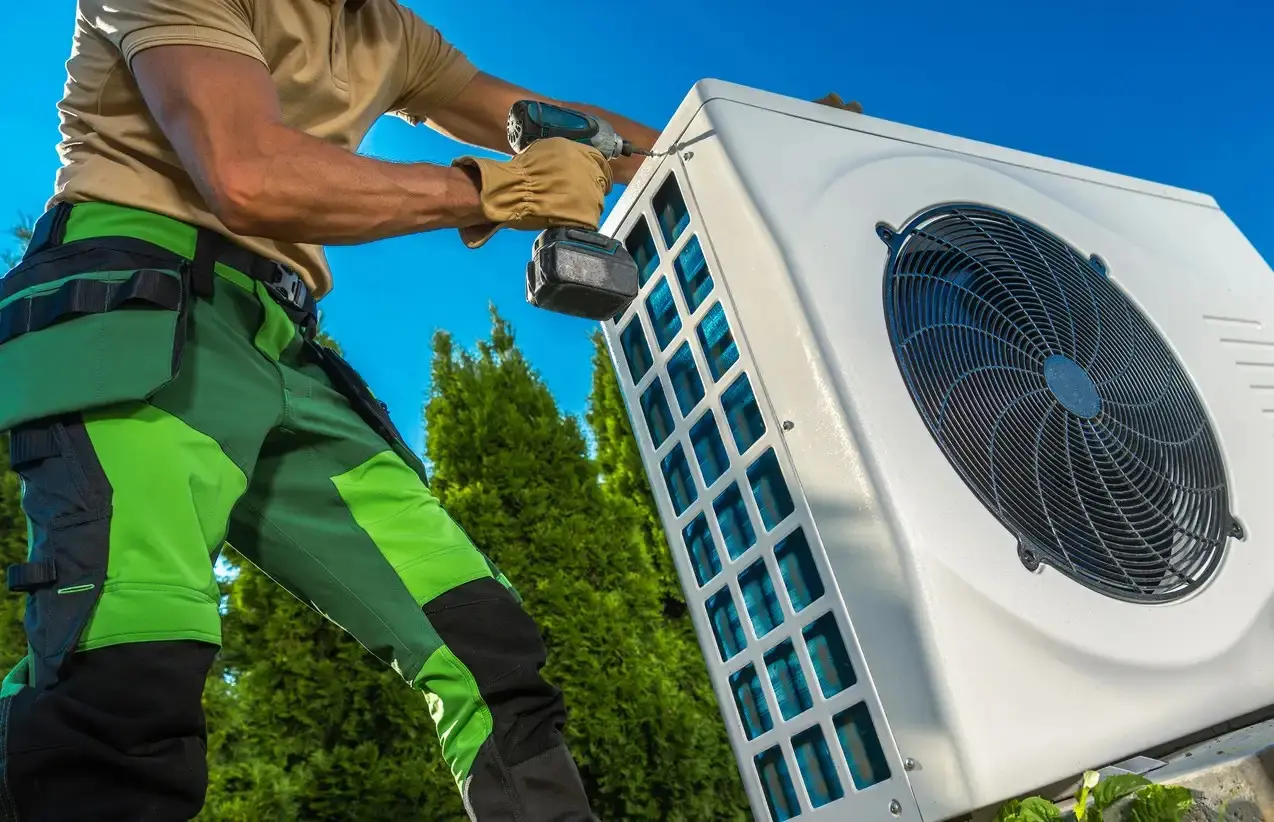
Replacing a heating system is a significant construction project within your home that requires technical expertise and adherence to a strict sequence of steps. Understanding this workflow helps you prepare for the service and ensures you know exactly what is happening at each stage of the project. We prioritize clear communication and technical precision to minimize disruption while maximizing safety.
- Site Assessment and Load Calculation: The process begins with a technical evaluation of your home. Technicians do not simply look at the size of the old unit; they perform a Manual J load calculation. This calculation considers square footage, insulation levels, window types, and the direction the home faces. This data determines the exact heating capacity required in British Thermal Units (BTUs).
- System Selection and Design: Based on the assessment, you select a system that fits your budget and efficiency goals. This stage involves choosing between gas furnaces, electric heat pumps, or dual-fuel systems. If ductwork modifications are needed to improve airflow or satisfy local building codes, those designs are finalized here.
- Safe Removal of Old Equipment: Before the new unit comes in, the old one must go. Technicians shut off gas and electrical supplies to the unit. They carefully disconnect the plenum, vent pipes, and fuel lines. The old unit is removed and hauled away for recycling. The area is then cleaned and prepared for the new equipment.
- Equipment Positioning and Connection: The new furnace or air handler is positioned. If it is a gas furnace, the heat exchanger and burner assembly are checked. The unit is leveled to ensure proper drainage of condensate (especially important for high-efficiency condensing furnaces). Technicians then reconnect the supply and return plenums, sealing them with mastic or foil tape to prevent air leakage.
- Utility and Safety Connections: Gas lines are reconnected and tested for leaks using electronic sniffers or bubble solutions. Electrical wiring is updated to meet current code requirements, including the installation of a dedicated service disconnect switch if one is not present. Flue pipes are installed to vent combustion gases safely outside the home, preventing carbon monoxide buildup.
- System Commissioning and Testing: Once connected, the system is not just turned on; it is commissioned. Technicians measure static pressure in the ducts, check the temperature rise (the difference between air entering and leaving the unit), and verify gas pressure at the manifold. This ensures the system runs within the manufacturer's specified parameters.
- Final Walkthrough: The lead technician walks you through the operation of the new system. You will learn how to operate the thermostat, how to change the filter, and what maintenance sounds or signals to look out for. Warranty registration is typically handled or explained at this stage.
When Replacement Beats Repair
Deciding between repairing an aging heater and installing a new one is a financial and logical decision based on data, not just age. While repairs can extend the life of a unit, there is a tipping point where continuing to patch up an old system becomes more expensive than replacing it. In the Ventura area, where heating needs are moderate but humidity is a factor, older systems often suffer from rust and corrosion that compromise safety before the motor actually fails.
The 50% Rule:
A standard industry benchmark is the 50% rule. If the cost of the repair approaches 50% of the value of a new system, replacement is the smarter financial move. For example, replacing a cracked heat exchanger or a failed compressor is a major expense. Putting that money toward a new unit with a fresh warranty provides better long-term value than fixing a 15-year-old unit that might break down again next month.
Frequency of Breakdowns:
If you have required multiple repairs in the last two years, the system is likely entering the end-of-life failure curve. "Nickel and diming" repair costs add up quickly. A new system eliminates these surprise expenses and provides peace of mind during the heating season.
Energy Efficiency and Operational Costs:
Heating technology has advanced significantly in the last decade. Older furnaces often operate at 60% to 70% Annual Fuel Utilization Efficiency (AFUE). This means 30 to 40 cents of every dollar you spend on gas is wasted up the flue. Modern standard units start around 80% AFUE, and high-efficiency models reach up to 98%. Installing a new system can immediately reduce your monthly heating bills, helping the system pay for itself over time.
Comfort and Air Quality Issues:
Old systems often struggle to distribute air evenly, leaving some rooms cold while others are hot. They may also be noisy or produce strange odors. Furthermore, older units are less effective at filtering air and controlling humidity. If your home feels clammy or dusty despite the heater running, the equipment is likely failing to perform its secondary job of air conditioning and circulation.
Local Considerations: Permits, Utilities, and Climate
Installing a heater in Ventura, CA, involves specific regional factors that do not apply in other parts of the country. Ignoring these local nuances can lead to code violations, safety hazards, and poor system performance.
Permits and Title 24 Compliance:
In California, replacing a heating and air conditioning system triggers Title 24 energy efficiency standards. This is not optional. A permit is required for heating installations to ensure the work meets safety codes. Organ & Sons Mechanical, Inc. handles the permitting process, ensuring that the installation passes required HERS (Home Energy Rating System) testing. This often includes duct sealing verification and refrigerant charge testing. Compliance ensures that when you eventually sell your home, your HVAC upgrades are documented and legal.
Utility Providers and Rebates:
Depending on your specific location and fuel type, you are likely dealing with Southern California Edison for electricity or SoCalGas for natural gas. We stay updated on current rebate programs offered by these utilities. Often, installing high-efficiency heat pumps or furnaces qualifies homeowners for substantial rebates or tax credits, effectively lowering the upfront cost of the installation.
Mediterranean Climate and Marine Layer:
The local climate is classified as Mediterranean, characterized by mild, wet winters and warm, dry summers. However, the coastal influence brings a marine layer that creates significant morning humidity. Heating systems here must be robust enough to handle the chill but also capable of combating dampness to prevent mold growth in ductwork. Unlike the dry heat of the desert or the deep freeze of the Midwest, local installations focus heavily on airflow and corrosion resistance to handle the salt air and moisture associated with coastal living.
Technical Expertise and Service Differentiators
When selecting a partner for your heating installation, technical qualifications are the primary differentiator between a system that lasts 20 years and one that fails in five. We prioritize technical certification and adherence to strict industry standards over marketing fluff.
Certified Technicians:
Our team is composed of technicians who hold certifications such as NATE (North American Technician Excellence). This ensures they have mastered the physics of heating and cooling. We also maintain a C-20 HVAC license and B-general building contractor status, authorizing us to handle complex installations that may require structural adjustments.
Safety-First Approach:
Heating installation involves combustible gases, high-voltage electricity, and carbon monoxide exhaust. We treat safety as the baseline, not a feature. Every gas connection is pressure-tested, and every electrical circuit is verified for proper grounding and amperage. We do not cut corners on venting materials or clearance distances for combustible materials.
Warranty and Protection:
A new installation should come with security. We stand behind our workmanship with guarantees that supplement the manufacturer's equipment warranty. Because we adhere to manufacturer installation guidelines strictly, your parts warranties remain valid. Improper installation is the number one reason manufacturers deny warranty claims; we ensure your paperwork and physical installation are flawless to protect your investment.
Financing Options:
We understand that heating replacement is often an unexpected expense. We offer financing plans that allow you to manage the cost of a high-efficiency system over time. This enables you to install the system you need for long-term comfort rather than settling for the cheapest, least efficient option due to immediate budget constraints.
Keep Your Home Warm and Worry-Free
If your heating system is failing, inefficient, or unsafe, do not wait for a complete breakdown. Secure your comfort and safety today. Contact our team now to schedule your heating installation consultation.
Contact Us