



High Energy Bills and Uneven Temperatures Signal System Failure
Dealing with the unique coastal heat and humidity in Ventura can be frustrating when your air conditioning system fails to perform consistently. If your current unit requires frequent repairs or causes your energy costs to spike, it is likely time to transition to a more efficient, modern system. Contact us today to discuss flexible financing options and schedule your site evaluation.
- Experience rapid turnaround times with installation services designed to restore comfort immediately.
- Optimize your monthly utility expenses by upgrading to high-efficiency systems specifically rated for the coastal climate.
- Maximize the lifespan of your investment with proper sizing and professional implementation that prevents premature wear.
All installations are fully permitted, backed by comprehensive labor and equipment warranties, and adhere strictly to local building and safety codes. When you choose Organ & Sons Mechanical, Inc., you are selecting a seamless transition from a failing unit to a high-performance climate control solution.
Comprehensive HVAC Installation Scope and Inclusions
A full-service installation involves much more than simply swapping out one box for another. The process focuses on integrating a new central air or heat pump system into your home’s existing infrastructure to ensure maximum airflow and energy efficiency. Modern HVAC equipment is significantly larger and more complex than units manufactured just a decade ago, requiring precise modifications to plenums, electrical connections, and drainage systems.
When you invest in a new system, the service includes a complete assessment of the entire building envelope. This ensures that the equipment selected is not just the newest model, but the correct fit for the square footage and thermal properties of the residence. An oversized unit will short-cycle, leading to humidity issues, while an undersized unit will run continuously without reaching the target temperature.
- Load Calculation: A Manual J load calculation determines the exact heating and cooling requirements based on windows, insulation, and orientation.
- Equipment Selection: Options include variable-speed air conditioners, high-efficiency heat pumps, and gas furnaces with high AFUE ratings.
- Ductwork Inspection: Existing ducts are evaluated for leaks or disconnects that could compromise the efficiency of the new machinery.
- Thermostat Integration: Installation of smart thermostats or zoning controls to allow for precise temperature management across different areas of the home.
- Disposal: Safe removal and environmentally responsible disposal of the old refrigerant and equipment.
The Step-by-Step Installation Process
Understanding the workflow of an installation day helps homeowners prepare for the transition. Professional technicians follow a rigorous protocol to ensure the safety of the property and the longevity of the system. This process is designed to be minimally invasive while adhering to strict technical standards.
- Site Preparation and Protection: Technicians arrive with drop cloths and protective gear to shield flooring and furniture. The workspace is cleared, and power to the existing HVAC circuit is shut off at the breaker panel to ensure electrical safety.
- System Removal: The existing refrigerant is pumped down or recovered into approved cylinders to prevent environmental contamination. The old condenser and evaporator coil are disconnected from the electrical and line sets. If a furnace is being replaced, gas lines are safely capped before the unit is extracted.
- Infrastructure Modification: Before the new unit is set in place, the installation team modifies the plenum to fit the new equipment dimensions. This often involves custom sheet metal work. At this stage, the refrigerant line set is either flushed to remove old oil and contaminants or replaced entirely if the new system uses a different refrigerant type standard.
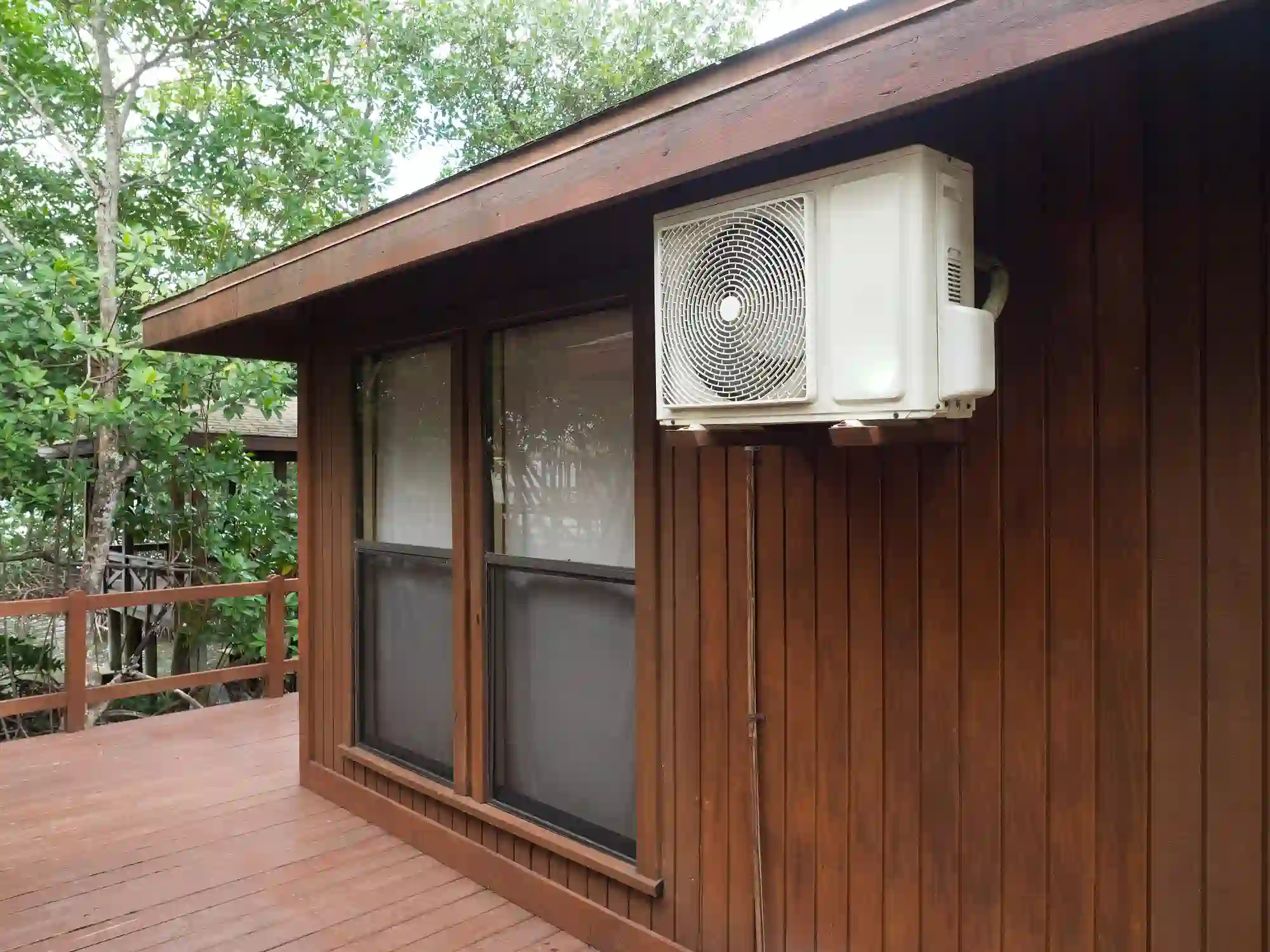
- Equipment Setting and Connection: The new indoor and outdoor units are leveled and secured. For outdoor condensers, this may involve placing a new composite pad to prevent settling. Technicians braze the copper line sets, connect the high and low-voltage electrical wiring, and attach the condensate drain lines.
- System Commissioning: Once connected, the system is pressure-tested with nitrogen to check for leaks. A vacuum pump removes moisture and air from the lines before the refrigerant is released. The technician then measures static pressure, airflow, and temperature split to verify the system is operating within manufacturer specifications.
Determining When Replacement Is the Smarter Financial Move
Homeowners often grapple with the decision to repair an aging unit or invest in a replacement. While repairs can solve immediate issues, they often act as a temporary bandage on a system that is fundamentally failing. There are clear indicators when pouring money into repairs becomes financially imprudent compared to the long-term savings of a new installation.
The "50% Rule" is a standard metric used in the industry. If the cost of a necessary repair approaches 50% of the value of the system, or 50% of the cost of a new unit, replacement is the logical choice. Additionally, the availability of parts for older systems can drive up repair costs significantly.
- Age of Equipment: Heat pumps and air conditioners generally have a lifespan of 10 to 15 years. If a unit in Ventura is exceeding this age range, major components like the compressor are at high risk of failure.
- Rising Energy Bills: As components wear out, motors and compressors must work harder to achieve the same results, drawing more electricity. A sudden, unexplained rise in utility costs often signals that the unit has lost its efficiency rating.
- Refrigerant Type: Older systems utilize R-22 (Freon), which has been phased out due to environmental regulations. Recharging an R-22 system is exorbitantly expensive. New systems use eco-friendly refrigerants like R-410A or R-454B, which are readily available and cheaper to service.
- Frequency of Breakdowns: If a system requires service calls multiple times a year, the cumulative cost of service fees and parts will quickly eclipse the monthly payments on a new, financed system.
Navigating Local Requirements and Climate Factors
Installing HVAC equipment in Ventura requires specific knowledge of local building codes and environmental challenges. California has some of the strictest energy efficiency standards in the country, specifically under Title 24. These regulations dictate everything from the efficiency rating (SEER2/EER2) of the equipment to the quality of the ductwork insulation.
Compliance is not optional; it is required for the permit process. A professional installation includes handling the permitting paperwork and scheduling the necessary HERS (Home Energy Rating System) testing. This third-party verification ensures the ducts are sealed properly and the airflow matches the design, protecting the homeowner from liability and ensuring the home remains insurable.
- Coastal Corrosion Protection: The proximity to the ocean introduces salt air, which can rapidly corrode standard aluminum fins and copper tubing on outdoor condenser units. It is critical to select equipment with factory-applied corrosion inhibitors or specialized coatings to prevent the system from rotting out within a few years.
- Humidity Control: While summers are dry, the marine layer can bring significant moisture. Properly sized systems run long enough to pull humidity out of the air. Oversized units cool the air too quickly and shut off before dehumidification occurs, leading to a clammy indoor environment.
- Noise Ordinances: Local municipal codes often regulate the decibel level of outdoor mechanical equipment. Modern variable-speed units are significantly quieter than older single-stage models, ensuring compliance with property line noise restrictions.
Organ & Sons Mechanical, Inc. ensures that every specific local requirement is met, protecting your home from code violations and premature equipment failure caused by environmental factors.
Why Professional Installation Matters for Long-Term Efficiency
The most advanced HVAC equipment on the market will underperform if installed incorrectly. Manufacturers state that the majority of equipment failures are due to improper installation rather than factory defects. A professional installation safeguards the warranty and ensures the system delivers the efficiency promised on the EnergyGuide label.
Technical expertise is required to manage the high-voltage electrical connections and potentially volatile gas lines involved in heating and cooling. Licensed professionals carry the necessary liability insurance and worker’s compensation coverage to protect the homeowner from any accidents that might occur during the project.
- Warranty Preservation: Most manufacturer warranties are void if the equipment is not installed by a licensed contractor. This protection covers expensive parts like compressors and heat exchangers for up to 10 years.
- Safety Assurance: Improper venting of gas furnaces can lead to carbon monoxide leaks, while faulty wiring represents a significant fire hazard. Certified technicians adhere to strict safety protocols to eliminate these risks.
- Optimized Performance: Technicians utilize digital gauges and airflow meters to fine-tune the system. This calibration ensures that every room receives adequate airflow and that the temperature differential across the coil is correct for maximum cooling power.
Securing Your Home Comfort
Investing in a new heating and cooling system is a significant decision that impacts your home's comfort, energy consumption, and resale value for years to come. By choosing a reputable provider, you ensure that the system is sized correctly, installed safely, and compliant with all state and local regulations. The result is a quiet, reliable system that manages the coastal climate effectively while keeping utility bills under control.
For residents in Ventura looking to upgrade their home environment, professional execution is the key to longevity. Organ & Sons Mechanical, Inc. provides the expertise required to navigate these complexities, delivering a turnkey solution that transforms how you experience indoor comfort.
Take control of your indoor climate and reduce your energy expenses. Schedule your consultation today to explore your installation options.
Contact Us