



Struggling with Heating Issues? Get Expert and Swift Repairs Now
Facing a cold home due to a heating system failure can be stressful and uncomfortable, especially when the coastal dampness settles into your Ventura property. Organ & Sons Mechanical, Inc. is here to provide fast, effective, and professional heating repairs to restore your comfort quickly. Contact us immediately to dispatch a certified technician to your location.
- Experienced technicians reach you within hours, ensuring a quick resolve.
- Comprehensive diagnostics to pinpoint issues accurately and fix them efficiently.
- All repairs are backed by a customer satisfaction guarantee to give you peace of mind.
Fully licensed and insured, with easy financing options available to suit your budget.
Comprehensive Heating Diagnostics and Immediate Repair Solutions
When your heating system fails, the primary objective is to identify the root cause accurately to prevent recurring breakdowns. A surface-level fix often leaves underlying issues unaddressed, leading to further expense down the line. Professional service begins with a thorough evaluation of the entire heating envelope, ensuring that every component—from the thermostat to the heat exchanger—is functioning within manufacturer specifications.
Technicians arrive prepared to address a wide array of mechanical and electrical failures common in residential heating systems. Whether the system is a gas furnace, a heat pump, or a dual-fuel system, the goal is to restore heat immediately. Modern heating units rely on complex circuit boards and safety switches. A failure in one sensor can shut down the entire system to prevent safety hazards. Expert troubleshooting isolates these faults quickly.
Residents in Ventura often experience specific issues related to the local environment. While winters are mild compared to other regions, the humidity and salt air can accelerate corrosion on electrical contacts and outdoor units. A professional diagnostic assessment checks for:
- Ignition Failure: Issues with the pilot light, hot surface ignitor, or flame sensor that prevent the burners from lighting.
- Airflow Restrictions: Blockages in the blower motor or ductwork that cause the system to overheat and shut down automatically.
- Thermostat Malfunctions: Calibration errors that lead to short cycling or accurate temperature readings.
- Component Wear: Worn-out belts, bearings, or capacitors that cause loud noises or complete motor failure.
Upon completion of the diagnostic phase, you receive a clear explanation of the failure and a direct path to resolution. The focus remains on transparency regarding the scope of work required to get the heat back on safely.
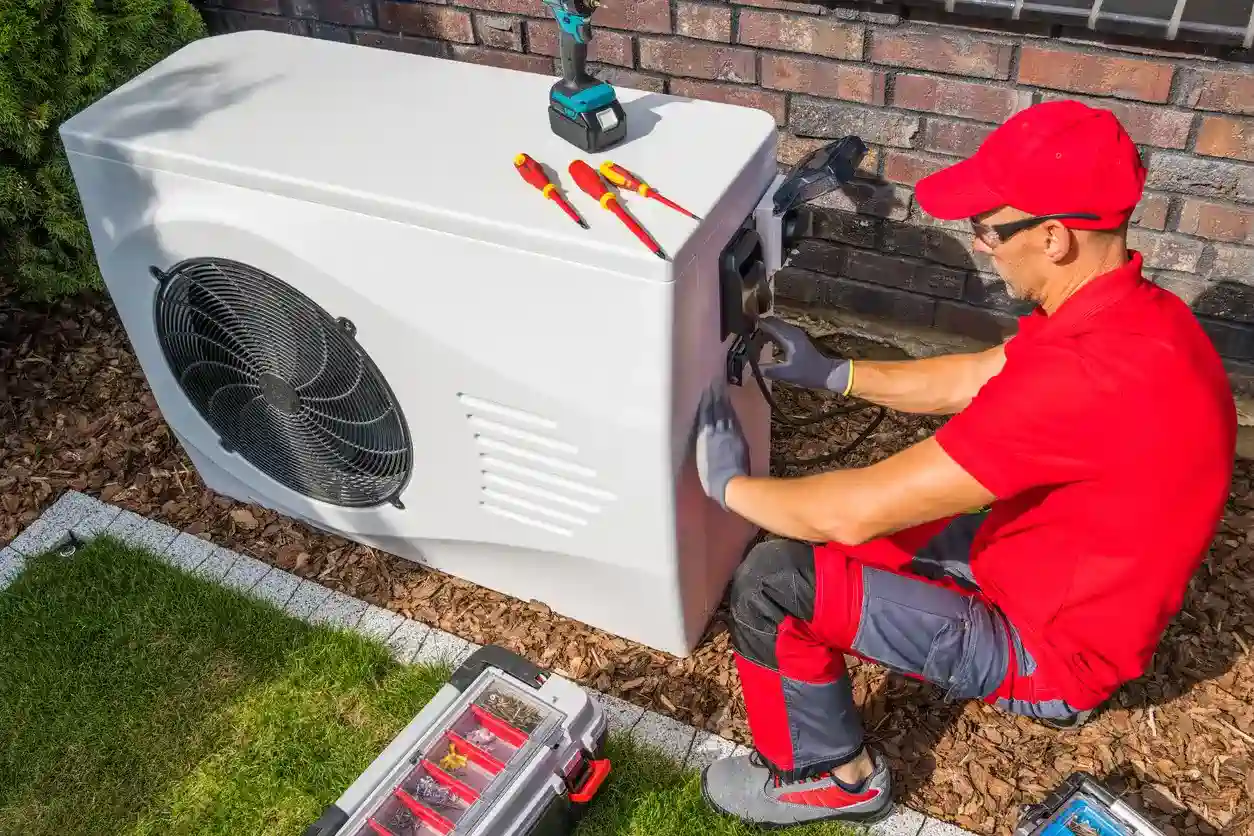
The Repair Process: From Troubleshooting to Full Restoration
The repair process is structured to minimize disruption to your household while ensuring safety and compliance with local codes. Professional repair technicians follow a systematic approach to ensure that once the repair is made, the system runs efficiently for the remainder of the season.
The engagement typically moves through the following stages:
- System Assessment: The technician performs a static and dynamic test of the equipment. This involves checking gas pressure, measuring voltage and amperage on motors, and inspecting the heat exchanger for cracks or breaches.
- Detailed Reporting: You are presented with the findings. If a part has failed, you are informed of the availability of the replacement and the total cost involved. There are no hidden fees; the quote provided is for the complete restoration of the unit.
- Execution of Repairs: With your approval, the technician proceeds with the repair. Service trucks are generally stocked with universal parts and common manufacturer-specific components to facilitate same-day completion. This includes replacing flame sensors, control boards, pressure switches, and blower motors.
- Safety Inspection: After the mechanical repair is complete, a rigorous safety check is performed. This includes testing for carbon monoxide leaks, ensuring proper venting of exhaust gases, and verifying that all safety limits are operational.
- Performance Testing: The system is run through a full heating cycle. The technician measures the temperature rise (the difference between the air entering and leaving the unit) to ensure it falls within the manufacturer’s recommended range.
- Site Cleanup: The workspace is returned to its original condition. Old parts and packaging materials are removed from the premises.
This structured workflow ensures that nothing is overlooked. By the time the technician departs, the heating system is not just running; it is operating safely and efficiently.
Deciding Between Repair and System Replacement
One of the most critical decisions homeowners face during a breakdown is whether to invest in a repair or opt for a full system replacement. This decision relies on data, not guesswork. While a repair is often the most immediate and cost-effective solution, there are specific thresholds where continuing to repair a failing unit becomes financially imprudent.
Making the right choice involves evaluating the age, condition, and repair history of the current unit.
- The 50% Rule: If the cost of the necessary repair approaches or exceeds 50% of the cost of a new system, replacement is generally the smarter financial move. Investing heavy capital into an old asset often yields diminishing returns.
- System Age: The average lifespan of a well-maintained furnace or heat pump is between 15 and 20 years. If the equipment is nearing the end of this window and suffers a major component failure (such as a cracked heat exchanger or a failed compressor), replacement offers better long-term value through improved efficiency and warranty coverage.
- Frequency of Breakdowns: If the system has required multiple repairs over the last two years, it indicates that the unit is entering a phase of rapid decline. "Nickel and diming" repairs can quickly exceed the monthly cost of financing a new, high-efficiency unit.
- Energy Efficiency: Older systems often operate at 60% to 70% AFUE (Annual Fuel Utilization Efficiency). Modern systems operate at 90% to 98% efficiency. If your energy bills have been steadily climbing despite moderate usage, the operational savings of a new unit may offset the installation cost over time.
- Comfort Consistency: If the current unit struggles to maintain a consistent temperature, leaves cold spots in the house, or makes excessive noise, a repair may only be a bandage on a larger performance issue.
Technicians provide objective data to help navigate this decision. The priority is to ensure the home has reliable heat. If a repair can extend the life of the unit for several years without significant risk, that is the path taken. If the unit poses a safety risk or is a money pit, replacement options are presented clearly.
Critical Considerations for Coastal Homeowners
Operating a heating system in a coastal environment presents unique challenges that standard inland maintenance does not always address. The proximity to the ocean introduces salt-laden air, which acts as a corrosive agent on metal components. This is particularly relevant for heat pumps and outdoor package units, but it also affects the venting systems of indoor furnaces.
When seeking heating repair, several local factors influence the service approach:
- Corrosion Management: Electrical connections and condenser coils are prone to rapid oxidation in this climate. Repair services often include inspecting these elements for "sea rot" and applying protective coatings or replacing corroded terminals to prevent electrical fires or failures.
- Permitting and Regulations: Significant repairs, particularly those involving gas lines or the replacement of major components like the heat exchanger, may require adherence to specific local building codes. Professional providers handle the verification of these requirements to ensure all work is compliant with city and state regulations.
- Humidity Control: While the region does not experience sub-zero temperatures, the damp cold can feel penetrating. Heating systems must be calibrated not just for temperature, but to assist in managing indoor humidity. A system that short-cycles (turns on and off too quickly) will heat the air but fail to remove moisture, leading to a clammy and uncomfortable indoor environment.
- Gas Safety: Many homes in the area utilize natural gas furnaces. Earthquakes and ground shifting, common in California, can stress gas lines and connections over time. A heating repair visit is an essential opportunity to leak-check the gas infrastructure connected to the furnace.
Understanding these local nuances ensures that the repair holds up against the specific environmental stressors of the region.
Why Professional Execution Matters for Warranty and Safety
Heating systems are controlled explosions (in the case of gas furnaces) or high-voltage electrical appliances (in the case of heat pumps). Attempting DIY repairs or relying on uncertified handymen can void manufacturer warranties and create serious safety hazards.
Most HVAC manufacturers explicitly state that warranties are only valid if repairs and maintenance are performed by licensed professionals. If a part fails under warranty, the manufacturer will require proof of professional service before issuing a credit. Organ & Sons Mechanical, Inc. ensures that all service records are documented correctly to protect your warranty status.
Beyond financial protection, professional execution is a matter of safety.
- Carbon Monoxide Risks: A cracked heat exchanger or a misaligned flue pipe can vent deadly carbon monoxide gas into the living space. These leaks are odorless and invisible. Certified technicians use combustion analyzers to detect even trace amounts of CO, ensuring the air you breathe is safe.
- Electrical Fire Hazards: Improperly sized wiring or bypassed safety switches can lead to overheating and electrical fires. Professionals adhere to the National Electrical Code (NEC) during all repairs.
- Refrigerant Handling: For heat pumps, handling refrigerant requires an EPA Section 608 certification. Leaking or improperly charged refrigerant damages the compressor and harms the environment.
Choosing a professional service means investing in the longevity of the equipment and the safety of the household. It ensures that the heat comes on when needed, stays on, and operates without posing a risk to the property or its inhabitants.
Get Reliable Heating Back Fast
Secure your home’s comfort and safety today. If your heating system is acting up, making strange noises, or failing to keep your home warm, do not wait for a total breakdown. Schedule your repair now to ensure reliable, efficient heating.
Contact Us