



Unexpected Equipment Failure Requires Immediate Professional Attention
A malfunctioning heater during a wet winter night or a stalled air conditioner during a humid afternoon can immediately compromise the safety and livability of your home. Contact us today or apply for financing online to restore your indoor climate without delay. Residents in Goleta generally enjoy a mild climate, but when temperatures shift or humidity rises, a reliable HVAC system is non-negotiable, and Organ & Sons Mechanical, Inc. provides the rapid, skilled intervention necessary to resolve outages.
We understand that you are looking for a definitive solution, not a temporary patch. Our technicians arrive prepared to address the root cause of the failure rather than just treating the symptom. We focus on restoring efficiency, ensuring safety, and prolonging the life of your investment through established industry protocols.
- Rapid response times and diagnostic assessments to identify issues within hours.
- Expert installations and repairs ensuring peak system performance and energy efficiency.
- Routine maintenance plans designed to prevent future breakdowns and extend equipment lifespan.
- All services are fully licensed, insured, and backed by a comprehensive satisfaction guarantee for your peace of mind.
Comprehensive HVAC Diagnostics and Service Scope
When you request service, you need to know exactly what is included and how the technician will approach the problem. Modern HVAC systems are complex networks of electrical, mechanical, and chemical components that require precise calibration. Our service protocol begins with a thorough diagnostic phase. This is not a cursory glance; it is a systematic evaluation of your heating and cooling infrastructure to determine why the system is not meeting the thermostat's demand.
For air conditioning systems, the focus often shifts to airflow and refrigerant charges. A system that runs but does not cool often suffers from a refrigerant leak or a blocked evaporator coil. Our technicians utilize digital gauges to measure superheat and subcooling levels, ensuring the refrigerant charge matches the manufacturer's specifications exactly. We also inspect electrical components such as capacitors and contactors, which are common failure points during the warmer months. If these components fail, the compressor cannot engage, leaving the home without cooling.
Heating services differ based on the fuel source. For gas furnaces, safety is the primary concern. We inspect the heat exchanger for cracks, which can lead to carbon monoxide leaks, and verify that the combustion process is venting correctly. For heat pumps, which are increasingly common in coastal areas, we check the reversing valve and defrost controls to ensure the unit can switch effectively between heating and cooling modes.
Our daily service scope encompasses:
- Electrical System Analysis: Tightening connections, measuring voltage and amperage on motors, and testing safety switches.
- Airflow Verification: Checking static pressure within the ductwork to identify blockages, leaks, or undersized returns that choke system performance.
- Mechanical Inspection: Lubricating moving parts like blower motors and fan bearings to reduce friction and wear.
- Thermostat Calibration: Ensuring the interface that controls your system is reading the indoor temperature accurately and communicating correctly with the control board.
- Drainage Cleaning: Clearing condensate drain lines to prevent water damage and bacterial growth, a common issue in humid environments.
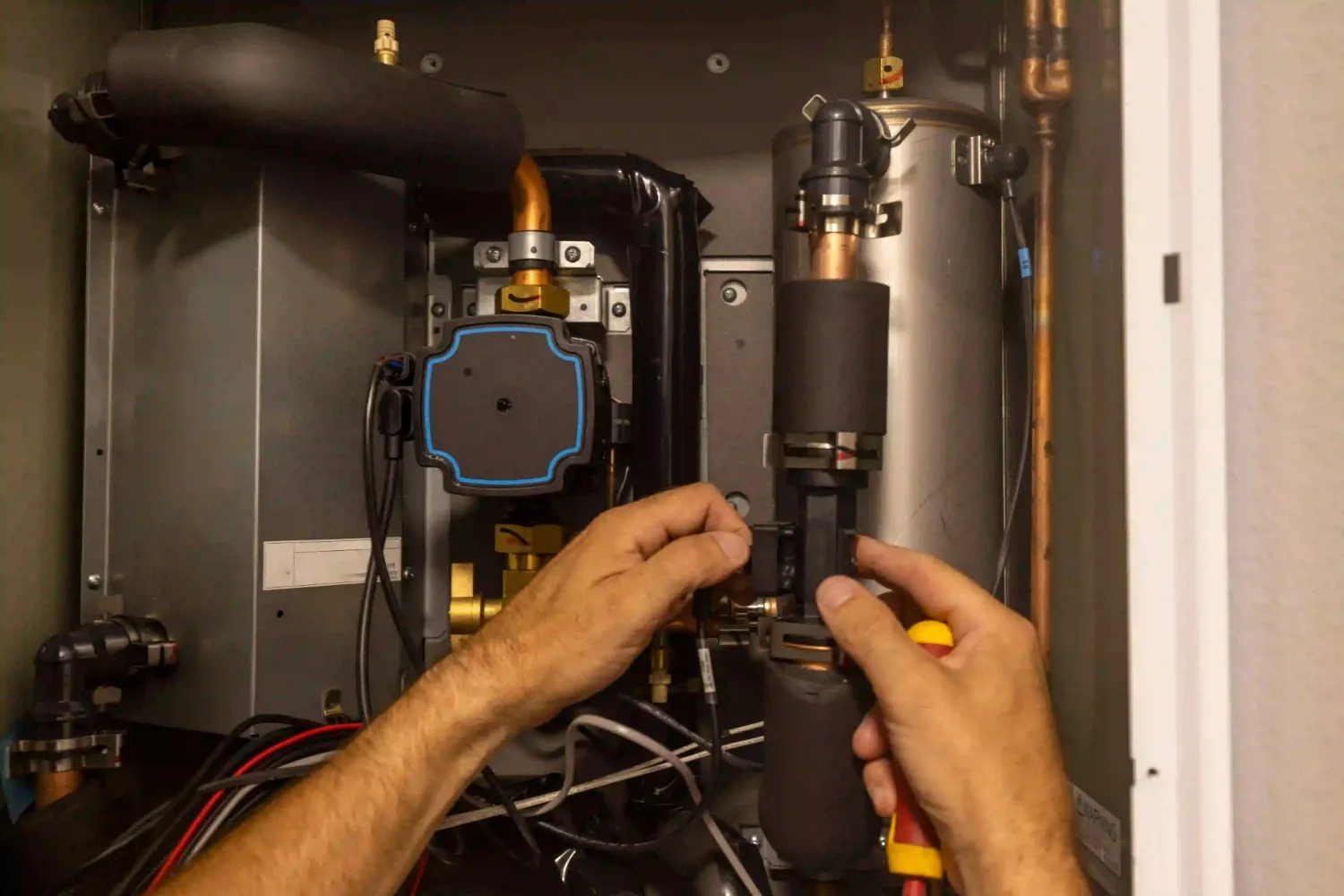
The System Installation and Replacement Process
There comes a point where a repair is no longer feasible, and a new installation is required. A proper installation is the most critical factor in the longevity and efficiency of an HVAC system. Studies show that a significant percentage of equipment failures are due to improper sizing or installation errors. We follow a strict, step-by-step process to ensure that your new unit operates exactly as designed.
- Load Calculation: Before any equipment is selected, we perform a Manual J load calculation. This assesses the thermal characteristics of your specific property, including square footage, insulation levels, window orientation, and local climate data. This ensures the new unit is neither undersized (which causes it to run constantly) nor oversized (which leads to short cycling and humidity issues).
- Site Preparation: We prepare the installation site to protect your property. This involves laying down drop cloths and ensuring a clear path to the utility closet or exterior pad.
- Safe Removal: We disconnect the existing unit from the gas, electrical, and refrigerant lines. All old equipment and hazardous materials, such as old refrigerant, are recovered and disposed of according to EPA regulations.
- System Placement: The new indoor and outdoor units are positioned and leveled. Leveling is crucial for proper drainage and compressor operation.
- Connection and sealing: We braze the refrigerant lines using nitrogen to prevent oxidation inside the copper tubing. Ductwork connections are sealed with mastic to prevent air leakage, and electrical connections are secured and tested for proper voltage.
- Evacuation and Charging: A vacuum pump is used to remove moisture and air from the refrigerant lines, measuring down to 500 microns. Once the vacuum holds, the system is charged with the precise amount of refrigerant.
- Commissioning: The system is powered on and tested through a full cycle. We measure temperature differentials (delta T), static pressure, and gas pressure (for furnaces) to verify performance benchmarks are met.
Deciding Between Repair and System Replacement
Homeowners often struggle with the decision to repair an aging unit or invest in a replacement — read our FAQs for guidance. This decision should be based on data, financial logic, and the long-term outlook of the equipment. While a lower upfront repair cost is appealing, it can be deceptive if the system is near the end of its service life.
One effective metric to use is the "$5,000 Rule." Multiply the age of your equipment by the estimated cost of the repair. If the total exceeds $5,000, replacement is generally the more financially sound option. For example, if you have a 12-year-old system requiring a $500 repair (12 x 500 = 6,000), the investment in a new unit is likely justified. Conversely, a 5-year-old system with a $500 repair (5 x 500 = 2,500) is worth fixing.
Consider the efficiency ratings. Older units often operate at 10 SEER (Seasonal Energy Efficiency Ratio) or lower. Modern standards require a minimum of SEER2 ratings that are significantly higher. By upgrading from an old 10 SEER unit to a new 15 SEER2 system, you can reduce energy consumption by roughly 30% to 50%. This monthly savings on utility bills can offset the cost of the new system over time. Organ & Sons Mechanical, Inc. can provide a detailed cost-benefit analysis based on your specific usage patterns.
Additionally, refrigerant availability plays a major role. Older systems utilize R-22 (Freon), which has been phased out due to environmental regulations. Supplies of R-22 are dwindling and becoming prohibitively expensive. If your older unit leaks R-22, a simple recharge can cost nearly as much as a down payment on a modern R-410A or R-454B system.
Key indicators that replacement is the better path include:
- Frequent Breakdowns: If you have required multiple repairs in the last two years, the system is becoming unreliable.
- Uneven Temperatures: Significant hot or cold spots in different rooms indicate that the system can no longer distribute air effectively or the ductwork is compromised.
- Rising Energy Bills: An unexplained increase in energy costs suggests the internal components are wearing out and working harder to produce the same results.
- Excessive Noise: Grinding, rattling, or squealing noises point to severe mechanical failure in the motor or compressor.
Operational Considerations for Goleta Properties
Operating HVAC equipment in this region presents specific challenges that generic service providers might overlook. While the area enjoys a Mediterranean climate, local environmental factors dictate specific maintenance and installation requirements.
Coastal Influence and Corrosion
One of the primary concerns for properties in this area is the proximity to the ocean. Salt-laden air is highly corrosive to the aluminum fins and copper tubing found in outdoor condenser units. Standard equipment can degrade rapidly, leading to refrigerant leaks and reduced heat transfer efficiency. In this environment, we recommend units with specialized epoxy coatings or marine-grade protection on the coils. Regular rinsing of the outdoor unit is also a critical maintenance step to wash away salt accumulation.
Humidity and Moisture Control
Although summers are generally dry, coastal fog and marine layers can introduce significant humidity. An oversized air conditioner will cool the home quickly but shut off before it has run long enough to dehumidify the air. This results in a "clammy" indoor environment and can promote mold growth in ductwork. Proper sizing ensures run times are long enough to pull moisture out of the air.
Heating in Wet Winters
The majority of precipitation occurs between November and March. While freezing temperatures are rare, the combination of cold and dampness requires a reliable heating source. Heat pumps are an excellent solution for this climate, as they are highly efficient in temperatures above 40 degrees. However, the external unit must be elevated off the ground to prevent drainage issues, and the defrost cycle must be functioning correctly to handle the damp morning air.
Permitting and Code Compliance
Local building codes regarding HVAC installations are strict to ensure safety and energy efficiency. Replacing a furnace or air conditioner requires a permit. This process involves submitting plans, verifying the unit meets Title 24 energy efficiency standards, and passing a final inspection by a city official. We handle the entire permitting process, ensuring that your installation is legal, safe, and code-compliant. Attempting to bypass permits can lead to fines and complications when selling the property.
Technical Precision and Service Standards
Choosing a service provider involves looking beyond the lowest initial price and evaluating the technical competency and reliability of the company. We operate with a philosophy of transparency and technical precision. Our technicians are not salespeople; they are skilled tradespeople trained to diagnose physics and mechanical issues.
We utilize advanced diagnostic tools, including combustion analyzers, static pressure manometers, and thermal imaging cameras, to see what is happening inside your system. This eliminates guesswork and ensures that we fix the right problem the first time. We are fully licensed, bonded, and insured, protecting your property and liability during every service call.
When you choose us, you are choosing a partner who understands the intricacies of thermodynamics and the local requirements of the Central Coast. We respect your time and your home, utilizing shoe covers and drop cloths to leave the workspace as clean as we found it. Whether it is a routine tune-up, an emergency repair, or a complete system overhaul, our focus remains on delivering a result that ensures your comfort and safety.
Don't wait for a minor noise to turn into a catastrophic failure. Secure your home’s comfort and efficiency today. Contact us now to schedule your service with Organ & Sons Mechanical, Inc.
Contact Us