



Immediate Sewage Line Repair Services
Facing sudden sewage backups or smells? Immediate, expert repair is essential to safeguard your home and health. Contact us or apply for financing today to restore your sanitation system.
- Rapid response team available 24/7 to address emergency repairs.
- Professional inspection and resolution of both common and complex sewage issues.
- Clear, upfront pricing and no hidden fees, ensuring peace of mind.
Licensed, insured, and complying with all local building codes for your security and trust.
Comprehensive Sewage System Diagnostics and Repair
A compromised sewer line is not just an inconvenience; it is a biohazard that threatens the structural integrity of a property and the health of its occupants. When wastewater fails to exit the premises correctly, it can back up into drains, pool in the yard, or seep into the foundation. Addressing these issues requires immediate professional intervention to contain the damage and restore sanitation standards. Organ & Sons Mechanical, Inc. provides high-level diagnostic and repair services designed to handle the specific plumbing architecture found in Goleta.
The first step in any effective repair strategy is understanding the severity of the failure. Sewage systems are complex networks that rely on gravity and pressure. When a blockage, crack, or collapse occurs, the symptoms are often visible, but the root cause lies underground. Homeowners often notice slow drains, gurgling sounds from toilets, or the distinct odor of sewage before a catastrophic backup occurs. Acting on these early warning signs prevents extensive property damage.
Modern repair protocols move beyond guesswork. By utilizing advanced technology and proven mechanical methods, technicians can locate the exact point of failure without unnecessary excavation. This approach minimizes disruption to the property while ensuring that the repair addresses the underlying issue rather than just the symptoms. Whether the system requires a spot repair or a more extensive rehabilitation, the goal remains the same: restoring a fully functional, watertight, and code-compliant waste removal system.
Critical Signs of Sewer Line Failure
Recognizing the indicators of a failing sewer line allows property owners to schedule repairs before the system fails completely. While some signs are obvious, others are subtle and require a keen eye.
- Persistent Clogs: If multiple drains in the house are clogging simultaneously, the issue is likely not in the individual pipes but in the main sewer line.
- Unpleasant Odors: A functioning sanitary sewer system should be airtight with the exception of vent stacks. Smelling sewer gas inside or outside the home indicates a crack or breach in the line.
- Lush Patches in the Yard: Sewage acts as a fertilizer. If a specific area of the lawn is significantly greener or growing faster than the surrounding grass, it suggests a leak underneath.
- Indentation in the Lawn: A cracked main line can saturate the soil, causing it to dissipate and creating a depression or sinkhole in the yard.
- Foundation Issues: Leaking wastewater can wash away the soil supporting the foundation, leading to cracks in the slab or walls.
- Insect or Rodent Problems: Pests can enter the home through cracks in the sewer line. A sudden infestation often points to a breach in the plumbing system.
The Repair Process: From Inspection to Restoration
Repairing a sewage system involves a systematic approach to ensure longevity and compliance. The process is broken down into distinct phases to ensure accuracy and efficiency.
Advanced Camera Inspections
The diagnostic phase begins with a video inspection. Technicians feed a high-definition, waterproof camera into the sewer cleanout. This real-time video feed allows the team to visually inspect the interior of the pipe. This step is crucial for identifying the specific nature of the problem, whether it is an offset joint, a tree root intrusion, a belly in the line, or a complete collapse. The footage provides the data necessary to formulate the correct repair plan.
Hydro Jetting and Cleaning
Before a repair can be finalized, the line must often be cleaned. High-pressure water jets are used to scour the interior walls of the pipe. This process removes grease buildup, scale, and debris. In cases of root intrusion, hydro jetting can cut through roots to restore flow temporarily and prepare the surface for permanent repair. This step ensures that any lining or patch adheres correctly to the host pipe.
Execution of Repairs
Once the line is prepped, the repair is executed based on the diagnostic findings.
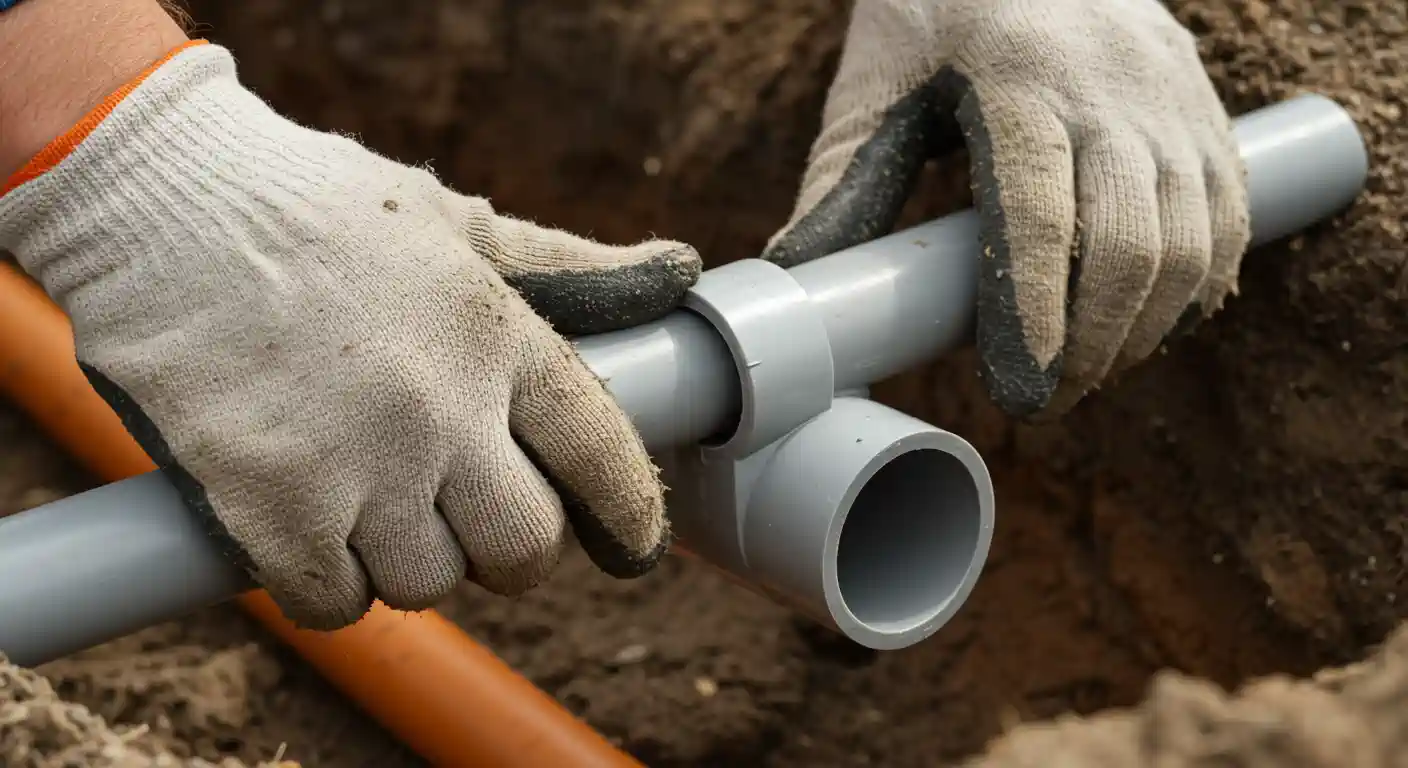
- Spot Repair: If the damage is localized to a small section, technicians excavate that specific area to replace the damaged pipe segment.
- Trenchless Pipe Lining: For longer sections of damage where excavation is not ideal, a resin-saturated liner is pulled into the existing pipe and cured in place. This creates a new, seamless pipe within the old one.
- Pipe Bursting: In cases where the existing pipe is too damaged for lining, a bursting head is pulled through the line, fracturing the old pipe outward while simultaneously pulling in a new high-density polyethylene (HDPE) pipe.
Final Quality Assurance
After the repair or replacement is complete, a secondary camera inspection is performed. This ensures that the new installation is free of defects, properly aligned, and fully integrated with the existing municipal connection. The system is then flow-tested to verify that waste moves efficiently away from the property.
Repair vs. Replacement: Making the Right Decision
Deciding between repairing a specific section of the sewer line or opting for a full replacement is a significant decision. Several factors influence this choice, and understanding them helps in making a financially and technically sound investment.
When to Repair
Spot repairs are generally recommended when the integrity of the pipe is largely intact, but a specific failure has occurred.
- Localized Damage: If a camera inspection reveals a single crack or offset joint while the rest of the line is healthy, a spot repair is the most cost-effective solution.
- Recent Installations: Newer pipes that have suffered accidental damage (such as from construction work) are good candidates for repair rather than replacement.
- Minimal Root Intrusion: If roots have entered through a single joint, sealing that joint may be sufficient.
When to Replace
Full replacement becomes necessary when the sewer line has reached the end of its useful life or when multiple failure points exist.
- Age of Material: Homes built prior to the 1980s often have clay or Orangeburg pipes. These materials degrade over time. If a clay pipe is collapsing in one area, it is likely deteriorating elsewhere. Replacement prevents chasing leaks year after year.
- Bellied Pipes: If a section of the pipe has sunk due to ground shifting, creating a valley where waste collects, cleaning will not solve the problem. The slope must be corrected, often requiring replacement.
- Extensive Root Damage: When roots have pulverized the pipe at multiple joints, the structural integrity is compromised beyond what a liner can support.
- Cost-Benefit Analysis: If the cost of multiple spot repairs approaches 50% of the cost of a full replacement, replacing the entire line is usually the smarter long-term financial move.
Local Regulatory and Environmental Factors
Operating in the Goleta region requires an understanding of specific local environmental and regulatory conditions. The local climate and geology play a significant role in how sewer systems function and fail.
Weather Patterns and Soil Impact
This region experiences a Mediterranean climate characterized by wet winters and dry summers. The majority of rainfall occurs between November and March. This seasonal saturation can cause the soil to expand and contract. For sewer lines, particularly older rigid pipes like clay or cast iron, this ground movement can lead to shear stress, causing cracks or offset joints. During the dry summer months, tree roots become more aggressive in their search for moisture, often targeting the nutrient-rich water inside sewer lines. Repairs must be robust enough to withstand these environmental shifts.
Permitting and Code Compliance
Sewage repair is strictly regulated to protect public health and the environment. Any significant alteration to the sewer lateral—the pipe connecting the home to the municipal main—requires adherence to local plumbing codes. This includes securing the necessary permits before work begins and scheduling inspections with city officials.
- Backwater Valves: Local codes may require the installation of backwater valves in certain flood-prone zones to prevent municipal sewage from backing up into the residence.
- Material Standards: Regulations dictate which pipe materials are permissible for use, typically favoring PVC or HDPE for their durability and resistance to corrosion.
- Utility Marking: Before any excavation occurs, professional crews must coordinate with local utility services to mark gas, water, and electric lines, preventing dangerous accidents during the repair process.
The Role of Trenchless Technology
Advancements in plumbing technology have revolutionized how sewer lines are repaired. Traditional methods often involved digging a trench across the entire length of the yard, destroying landscaping, driveways, and hardscapes. Trenchless technology offers a less invasive alternative that is particularly valuable for properties with established landscaping or hard-to-access lines.
Cured-in-Place Pipe (CIPP)
CIPP involves inserting a flexible liner coated with a specialized resin into the damaged pipe. Once in position, the liner is inflated and cured using heat or UV light. The resin hardens, creating a structural pipe within a pipe. This method eliminates joints, which are the most common points of failure for root intrusion and leaks. It also improves flow characteristics due to the smooth interior surface.
Advantages of Trenchless Methods
- Preservation of Property: Because only one or two access points are needed, driveways, patios, and gardens remain largely untouched.
- Speed of Completion: Trenchless repairs can often be completed in a single day, whereas traditional excavation may take several days of digging and backfilling.
- Longevity: The materials used in trenchless pipe bursting and lining are rated to last for decades, offering a durability comparable to or exceeding that of new PVC installation.
Why Professional Execution Matters
The integrity of a sewage repair relies heavily on the skill of the technicians and the quality of the materials used. Improperly installed sewer lines can lead to recurrent blockages, poor drainage, and eventual system failure. Professional mechanical services ensure that every aspect of the job, from the initial slope calculation to the final pressure test, meets industry standards.
Organ & Sons Mechanical, Inc. utilizes industrial-grade diagnostic equipment and heavy-duty repair machinery to handle substantial sewer complications. Proper bedding of the pipe, correct calculation of the grade (slope), and watertight sealing of all connections are non-negotiable aspects of a successful installation. Furthermore, professional services provide the documentation and warranty support necessary to prove the value and security of the work performed, which is vital for property value and insurance purposes.
Attempting to address sewage issues with temporary patches or chemical drain cleaners often exacerbates the problem. Chemical agents can corrode older pipes, accelerating their collapse. Professional mechanical repair physically restores the channel, ensuring that waste is removed from the property efficiently and hygienically.
Final Considerations for Property Owners
Maintaining a functional sewer line is a critical responsibility for any property owner. Ignoring the early signs of failure can result in escalating costs and significant environmental hazards. Whether the situation calls for a targeted repair or a complete system overhaul, the priority must be on securing a solution that lasts.
By choosing a service provider that understands the local geology and regulatory landscape of Goleta, homeowners ensure that their repairs will withstand the test of time. Expert technicians assess the specific needs of the property, recommending solutions that balance immediate budget constraints with long-term performance.
Secure the sanitation and safety of your property by scheduling a professional assessment today. Contact Organ & Sons Mechanical, Inc. to diagnose and resolve your sewer line issues immediately.
Contact Us