



Is Your Ductless Mini-Split Failing to Cool or Heat Effectively?
A ductless system that is leaking water, blowing warm air during a heatwave, or making grinding noises disrupts the comfort of your Santa Barbara home immediately. Contact us today or inquire about our financing options to restore your indoor climate without delay.
When a mini-split system malfunctions, it requires specialized attention different from traditional central air conditioning. You need a technician who understands inverter technology and complex zonal controls. Organ & Sons Mechanical, Inc. provides targeted diagnostics and repairs to get your system running efficiently again.
- Restore your comfort immediately with responsive repair availability.
- Rely on expert solutions provided by NATE-certified technicians.
- Improve system longevity with efficiency-enhancing maintenance and repair protocols.
Industry-leading warranties back all repair jobs, ensuring peace of mind long after the technician leaves your property.
Comprehensive Diagnostics and Scope of Repair Services
When you schedule a service call, the objective is to identify the root cause of the failure rather than simply addressing the symptom. Ductless mini-splits are sophisticated pieces of equipment that rely on seamless communication between the indoor air handling unit and the outdoor compressor. A failure in one component often triggers safety shutdowns in the other.
Homeowners in Santa Barbara often report issues ranging from reduced airflow to complete system refusal to power on. The repair scope covers every aspect of the unit's operation. This includes analyzing the refrigerant cycle, testing electrical connections, and verifying the integrity of the drainage system. Technicians arrive with fully stocked vehicles containing common parts such as control boards, thermistors, and sensors specific to major ductless brands.
The diagnostic phase typically involves the following:
- Checking for refrigerant leaks which can cause the coils to freeze or the system to blow warm air.
- Inspecting the condensate drain line for blockages that result in water leaking down the wall.
- Testing the blower motor and fan assembly to resolve noise issues or airflow restrictions.
- Verifying the communication signal between the indoor and outdoor units to correct error codes.
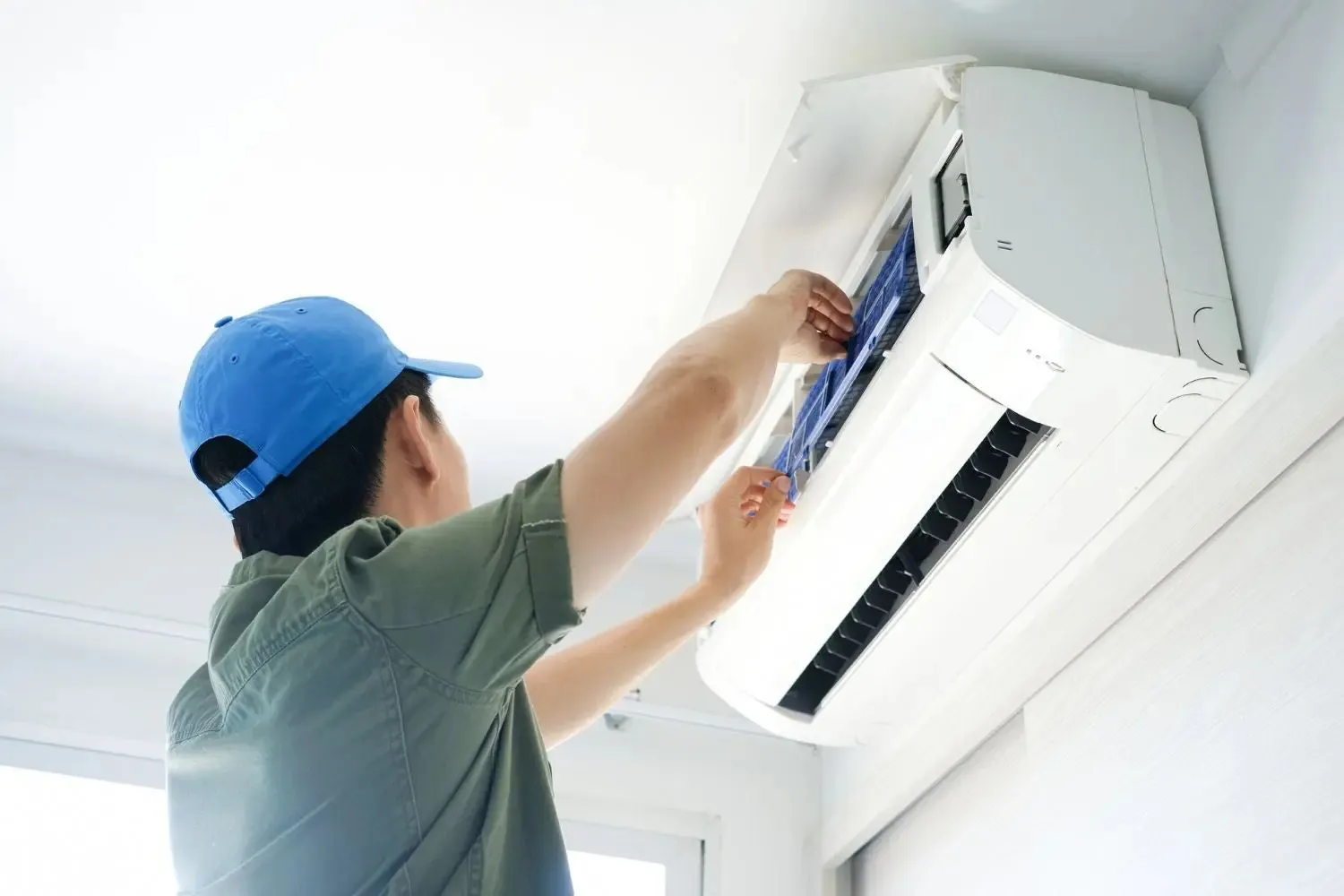
The Repair Process: Step-by-Step Restoration
Restoring a ductless system requires a methodical approach to ensure the fix is permanent and safe. Unlike standard HVAC systems, mini-splits have compact components that require precision handling.
- Initial Assessment and Isolation: The technician begins by isolating the power supply to ensure safety. Using advanced diagnostic tools, they read the error codes displayed on the unit or the remote control. These codes provide a roadmap to the internal electrical or mechanical failure. Once the error is interpreted, the technician performs a visual inspection of the filters, coils, and electrical terminals.
- Component Repair or Replacement: If a specific part is identified as the culprit, such as a faulty sensor or a burnt-out printed circuit board (PCB), the technician proceeds with the replacement. For refrigerant issues, the technician will locate the leak using electronic leak detectors or UV dye. The leak is sealed before the system is recharged to the manufacturer's exact specifications. Precision is critical here; ductless systems are sensitive to even slight variances in refrigerant levels.
- System Testing and Calibration: After the physical repair is complete, the system is powered back on. The technician does not leave immediately. They monitor the system through a full operational cycle, switching between cooling and heating modes if applicable. They measure the temperature differential (Delta T) between the supply and return air to verify that the unit is cooling or heating at optimal capacity. Finally, the condensate pump is tested to ensure water is draining away from the home properly.
Troubleshooting Electrical and Sensor Failures
Electrical issues are among the most common reasons for ductless system failures. Because these units utilize inverter technology to modulate compressor speed, the electrical components are highly complex. Voltage fluctuations or power surges can damage the sensitive inverter boards.
- Inverter Board Diagnostics: The inverter board converts incoming AC power to DC, then back to simulated AC to control the motor speed. If this board fails, the entire outdoor unit may cease to function. Technicians use multimeters to trace voltage through the system, identifying whether the issue lies with the power supply, the reactor, or the board itself.
- Thermistor and Sensor Accuracy: Mini-splits rely on thermistors to read air and coil temperatures. If a sensor falls out of calibration, the unit may "think" the room is already cold and shut off prematurely, or run continuously without reaching the set point. Testing involves measuring the resistance of these sensors against temperature charts to ensure they are providing accurate data to the main computer.
- Communication Wire Integrity: The wire connecting the indoor and outdoor units carries both power and data. If this connection is compromised by loose terminals or rodent damage, the units cannot "talk" to each other, resulting in a communication error. Repair involves re-establishing a solid electrical connection or running new shielded cabling to prevent interference.
Addressing Refrigerant Leaks and Drainage Issues
Two of the most visible signs of distress in a ductless system are water damage and a lack of cooling power. Both require immediate intervention to prevent structural damage to the home or compressor failure.
- Resolving Condensate Leaks: Ductless heads are mounted on walls, meaning any water leak happens inside the living space. This is usually caused by a clogged drain line or a failed condensate pump. In humid periods or during the rainy season in Santa Barbara, mold and algae can build up in the drain pan, blocking the flow. Technicians clear these blockages using pressurized nitrogen or vacuum systems and sanitize the pan to prevent regrowth. If a pump has failed, it is replaced to ensure water is mechanically pushed out of the unit.
- Refrigerant Leak Detection and Repair: A system low on refrigerant works twice as hard to cool the space, leading to higher energy bills and eventual compressor burnout. Simply adding more refrigerant (topping off) is not a solution. The technician must find the source of the leak, which often occurs at the flare connections where the copper tubing meets the unit. Once the leak is brazed or the flare is re-done, the system is pressure tested with nitrogen to confirm integrity before being recharged with fresh refrigerant.
Troubleshooting vs. Full Replacement: Making the Right Call
Homeowners often struggle with the decision of whether to repair a failing unit or invest in a new system. While Organ & Sons Mechanical, Inc. prioritizes repair whenever feasible, certain scenarios dictate that replacement is the more prudent financial decision.
- The Age of the Equipment: Most ductless systems have a lifespan of 12 to 15 years. If your unit is approaching or has exceeded this range, parts may be obsolete or prohibitively expensive. A major component failure, such as a compressor, in an old unit is often a signal to replace.
- Frequency of Breakdowns: If you find yourself calling for repairs multiple times a year, the cumulative cost of these service visits will quickly outpace the cost of a modern, more efficient replacement. Persistent reliability issues suggest that the system is reaching the end of its useful life.
- Refrigerant Type: Older systems may utilize R-22 refrigerant, which has been phased out due to environmental regulations. Supplies of R-22 are scarce and extremely expensive. If an older R-22 unit develops a leak, upgrading to a system that uses R-410A or newer refrigerants is generally the only viable option.
- Cost of Repair vs. System Value: A general rule of thumb is the "50% Rule." If the cost of the repair approaches 50% of the value of a new system, replacement is recommended. This ensures you are not investing heavily in a dying asset.
Navigating Santa Barbara Climate Factors and Regulations
The local climate and building codes in Santa Barbara significantly influence how ductless systems operate and wear down over time. Understanding these local factors helps in diagnosing issues accurately.
- Coastal Corrosion and Maintenance: Proximity to the ocean introduces salt air, which accelerates corrosion on the aluminum fins of the outdoor condenser coils. This corrosion reduces heat transfer efficiency and can lead to premature refrigerant leaks. Repairs in coastal zones often include applying anti-corrosive coatings or recommending systems built with marine-grade materials.
- Seasonality and Moisture Management: While winters are generally mild, the wet season from November to March introduces high humidity. If a ductless heat pump is used for heating, it must effectively manage the defrost cycle. Issues often arise when the outdoor unit freezes up due to sensor failures or drainage issues, leaving the home without heat. Conversely, the dry summers create dust accumulation that can clog filters and blower wheels rapidly, restricting airflow and reducing cooling capacity.
- Permitting and Title 24 Compliance: Major repairs or replacements involving electrical alterations or refrigerant circuit work often require adherence to local building codes. California’s Title 24 energy standards are strict. Professional repair services ensure that any component replacement maintains the system's efficiency rating and complies with local regulations regarding electrical safety and environmental standards.
Why Specialized Ductless Expertise Matters
Ductless mini-splits are not the same as traditional central AC units. They require a different set of tools and a different knowledge base. Using a general handyman or a technician not trained in inverter technology can lead to misdiagnosis and further damage.
- Inverter Technology Training: The variable-speed compressors in ductless units are controlled by complex algorithms. Technicians must understand how to interpret frequency readings and DC voltage outputs to diagnose drive board failures accurately.
- Proprietary Tools and Diagnostics: Different manufacturers (like Mitsubishi, Daikin, Fujitsu) utilize proprietary diagnostic tools and error code logic. Specialized technicians carry the specific service keys and interface cables required to "talk" to these specific brands.
- Zoning Knowledge: Multi-zone systems, where one outdoor unit powers multiple indoor heads, introduce cross-wiring and cross-piping risks. If one zone is calling for cooling and another for heating, the system may lock out. Expert troubleshooters understand the logic of priority zones and solenoid valves that direct refrigerant flow.
Choosing a specialized provider ensures that the intricate electronics and high-pressure fluid dynamics of your ductless system are handled with precision. From identifying microscopic leaks to reprogramming control boards, the focus remains on restoring energy-efficient performance and extending the lifecycle of the equipment.
Don’t let a malfunctioning ductless unit compromise your comfort or increase your energy costs. Secure professional repair services to ensure your system operates at peak performance.
Schedule your diagnostic service now to restore your home's comfort.
Precision Repairs for Advanced Ductless Systems
Professional ductless repair in Santa Barbara, CA, addresses system issues that affect performance and reliability. Organ & Sons Mechanical, Inc. uses advanced diagnostics to resolve malfunctions at their source. Delaying repair often leads to expanded system issues. Our repair process focuses on restoring proper operation and minimizing future disruptions.
Take action early to keep ductless systems operating as intended.
Schedule Expert Ductless Repair Services
Contact Us