



Heating Service in Santa Barbara, CA
Struggling with heating issues in Santa Barbara? Contact Organ & Sons Mechanical for immediate, expert heating repair and service. Fast, reliable, and certified professionals are ready to restore your warmth today.
Eliminate Cold Spots and System Failures Tonight
Is your heating system failing to keep up with the sudden drop in temperature typical of Santa Barbara winters? You need fast, reliable service that ensures warmth without the wait, so contact us immediately or inquire about our financing options to restore your comfort today. When the heat goes out, the damp chill of the coast can settle into your home quickly, making prompt repair essential for your safety and comfort.
- Enjoy quick, same-day heating service—at your door within hours.
- Trust in our certified professionals with decades of local experience.
- Get peace of mind with transparent pricing and no hidden fees.
All services come with a full warranty and adhere to local building codes, ensuring your protection and long-term system reliability. Organ & Sons Mechanical, Inc. is prepared to handle everything from minor tune-ups to major system overhauls, ensuring your home remains a sanctuary against the cold.
Comprehensive Heating Diagnostics and Repair Services
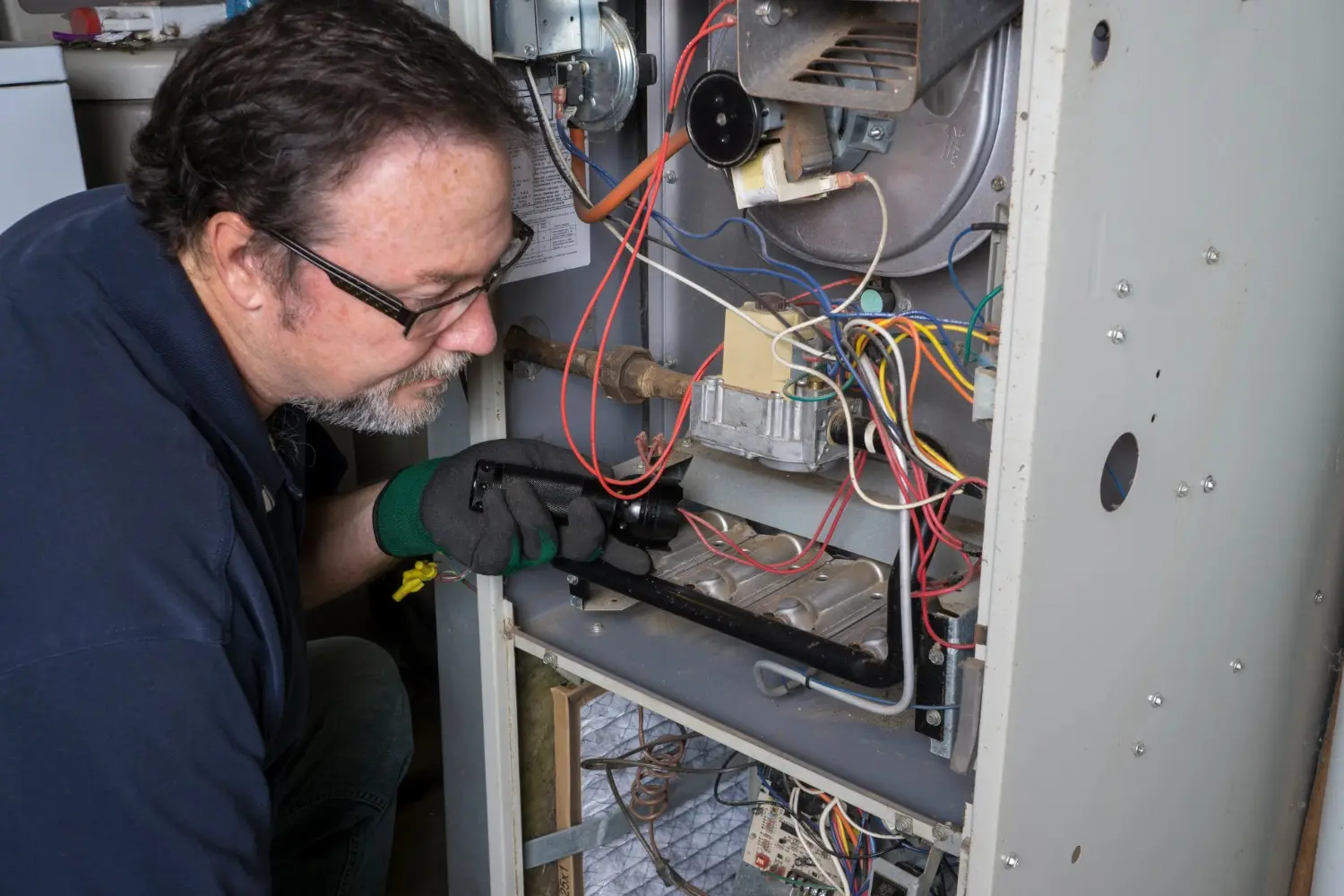
When a heating system malfunctions, the primary goal is identifying the root cause immediately to prevent further damage or safety hazards. Modern heating systems, whether gas furnaces or electric heat pumps, are complex machines that require precise calibration. A service visit begins with a thorough inspection of the unit’s vital components. Technicians arrive fully equipped to handle common issues on the spot, minimizing the downtime you experience.
The scope of service includes a detailed analysis of the thermostat, electrical connections, and airflow obstructions. In many cases, a lack of heat is caused by a failed ignition system, a clogged filter, or a worn-out blower motor. For gas systems, inspecting the heat exchanger is critical. A cracked heat exchanger can lead to carbon monoxide leaks, posing a serious health risk. Professional technicians use specialized tools to detect even microscopic cracks or gas leaks that are invisible to the naked eye.
Beyond immediate repairs, the service aims to optimize the system for the specific weather patterns found in Santa Barbara. While days may be sunny, the nights often bring a significant drop in temperature combined with higher humidity. Your system needs to be calibrated to handle these shifts efficiently without short-cycling. A properly serviced unit will not only heat your home but also help regulate indoor humidity levels, preventing the growth of mold or mildew associated with damp, cold interiors.
You can expect the following during a service visit:
- Full System Audit: A complete review of the blower, burner, heat exchanger, and safety controls.
- Airflow Analysis: Checking ductwork and filters to ensure heat is distributing evenly across all rooms.
- Electrical Safety Check: Tightening loose connections and measuring voltage to prevent electrical fires or component failure.
- Gas Pressure Calibration: Ensuring the fuel-to-air mixture is correct for safe and efficient combustion.
The System Restoration and Installation Process
If a repair is not feasible and a new system is required, or if a major component needs replacement, the process follows a structured, code-compliant approach. This ensures that the new equipment operates at peak efficiency from day one. Proper installation is the most critical factor in the longevity of a heating unit; even the best equipment will fail prematurely if installed incorrectly.
- First, the technical team performs a load calculation. This is not a guess; it is a mathematical determination of how much heat your specific property requires based on square footage, insulation levels, window placement, and local climate data. This step ensures you do not pay for an oversized unit that wastes energy or an undersized unit that runs constantly.
- Next, the work area is prepared to protect your property. Technicians lay down drop cloths and wear shoe covers to ensure your floors and carpets remain pristine throughout the project. The old unit is disconnected, and all hazardous materials, such as refrigerant or old gas piping, are handled according to environmental regulations.
- Following removal, the installation team inspects the existing ductwork or mounting area. Any modifications needed to accommodate the new, likely more efficient unit are made at this time. This may include adjusting the plenum or sealing duct leaks that were previously causing energy loss.
- Then, the new unit is positioned and connected. This involves precise brazing of copper lines, connecting gas lines with leak-proof seals, and wiring the high and low-voltage electrical connections. The thermostat is updated or reprogrammed to communicate effectively with the new hardware.
- Finally, the system undergoes a rigorous commissioning process. The team does not simply turn it on and leave. They measure static pressure, temperature rise, and combustion efficiency. The system is tested through a full cycle to ensure it starts, runs, and shuts down exactly as intended. Only after these metrics meet manufacturer specifications is the job considered complete.
When to Replace vs. Repair Your Heating System
Deciding between repairing an aging unit or investing in a new one is a financial and logical decision that homeowners face eventually. While repairs are often the lower upfront cost, they can become a money pit if the system is nearing the end of its useful life. Understanding when to stop repairing and start replacing can save thousands of dollars in the long run.
Organ & Sons Mechanical, Inc. helps homeowners navigate this decision by applying industry-standard metrics rather than guesswork. The "5000 Rule" is a common benchmark: multiply the age of the equipment by the cost of the repair. If the total exceeds $5,000, replacement is generally the wiser investment. For example, a 15-year-old furnace requiring a $400 repair hits a score of 6,000, suggesting that the money is better spent on a new unit.
Consider replacement if you encounter these factors:
- Age of the Unit: Most furnaces and heat pumps have a lifespan of 15 to 20 years. If your unit is in this range, parts may be obsolete, making repairs difficult and expensive.
- Frequency of Repairs: If you have required repairs more than twice in the last two years, the system is likely entering a phase of rapid decline.
- Rising Energy Bills: As components wear, motors and burners work harder to produce the same amount of heat. A sudden spike in utility costs without a change in usage often indicates internal failure.
- Uneven Heating: If some rooms are freezing while others are roasting, the system may have lost its ability to circulate air effectively, or the heat exchanger may be compromised.
- Noise and Smells: Squealing, banging, or rattling noises often indicate serious mechanical failure. Persistent burning smells or musty odors can signal electrical issues or mold growth within the unit.
Modern systems offer significantly higher AFUE (Annual Fuel Utilization Efficiency) ratings compared to units from a decade ago. Upgrading from an 80% efficiency unit to a 96% efficiency unit means more of your money goes toward actual heat, drastically reducing monthly operating costs.
Local Considerations: Permits, Climate, and Utilities
Operating a heating system in Santa Barbara involves specific regional considerations that differ from other parts of the country. The local Mediterranean climate, characterized by mild but wet winters, creates a unique demand on heating infrastructure. While the region does not experience sub-zero freezing, the moisture content in the air can make 45 degrees feel much colder, requiring heating systems to run for longer duration during the winter months.
- Permitting and Building Codes: Any significant alteration to a heating system, particularly full replacements or modifying gas lines, requires adherence to local municipal codes. The city requires permits to ensure that installations meet safety standards regarding ventilation, electrical grounding, and gas line integrity. Unpermitted work can lead to fines, issues when selling the home, and voided homeowner insurance policies in the event of an accident. Professional service providers handle the permitting process, ensuring that the work passes all city inspections.
- Gas vs. Electric Trends: California is increasingly moving toward electrification, but natural gas remains a common fuel source for heating in established homes. Homeowners must be aware of changes in utility structures and rebates. High-efficiency heat pumps are becoming a preferred choice in the region because they provide both heating and cooling, ideal for the local climate which sees sunny days and cool nights. Understanding the local utility rate structures can help in deciding whether a dual-fuel system or a dedicated heat pump is the most economical choice for your specific neighborhood.
- Humidity Control: Because the rainy season coincides with the heating season (December through February), managing indoor humidity is vital. A heating system that is too large will satisfy the temperature setting too quickly and shut off before it has had a chance to dry out the air. This leads to "clammy" warmth. Proper sizing and service ensure the system runs long enough to reduce humidity, protecting the home structure and improving comfort.
Technical Expertise and Service Reliability
The difference between a quick fix and a lasting solution lies in the technical expertise of the service provider. Heating systems involve high-voltage electricity, combustible gases, and pressurized refrigerants. Handling these elements requires certification and continuous training.
Professional technicians utilize advanced diagnostic tools, such as combustion analyzers and digital manometers, to read the system’s health accurately. This data-driven approach removes the guesswork. Instead of simply swapping parts until the unit works, a professional identifies the exact point of failure.
Furthermore, reliability extends to availability. Heating emergencies rarely happen at convenient times. A service provider that offers clear timelines and maintains a stocked inventory of universal parts ensures that you are not left waiting for days for a simple component. This level of readiness is what separates professional mechanical services from general handymen.
Warranties also play a major role in the value of the service. Professional repairs come with labor and parts warranties, guaranteeing that if the issue persists, it will be rectified without additional cost to the homeowner. This assurance allows you to make decisions about your property with confidence, knowing that the investment is protected.
Secure Your Comfort and Safety Now
Waiting to address heating inconsistencies can turn a minor inconvenience into a major emergency. Whether you are dealing with strange noises, lukewarm air, or a system that refuses to turn on, immediate professional attention is the only way to ensure the safety and warmth of your home. Do not let the chill settle in.
Take action to protect your home and family. Contact Organ & Sons Mechanical, Inc. today to schedule your service or consultation and experience the difference professional, high-intent care makes for your heating system.
Contact Us