



Experiencing HVAC Issues? Immediate Help Available!
Struggling with an inefficient HVAC system in Santa Barbara can be quite challenging, especially with our unique climate considerations. At Organ & Sons Mechanical, Inc., we understand these struggles and are here to provide rapid and efficient solutions. Contact us immediately to schedule an evaluation or discuss financing options to restore your home comfort.
When your cooling or heating system fails, waiting days for a resolution is not an option. We prioritize restoring your environment with specific, outcome-focused service standards:
- Guaranteed same-day service to restore your comfort quickly.
- Financing options available to make your installation seamless and stress-free.
- High-rated service with transparent pricing and no hidden fees.
All operations are fully licensed and compliant with local codes, backed by our comprehensive service warranty.
Comprehensive System Installation and Setup
Investing in a new heating and air conditioning system is about more than just swapping out a box outside your home. It involves a complete analysis of your property’s thermal characteristics and a precise installation execution that guarantees efficiency. Modern equipment operates differently than units manufactured a decade ago, requiring specific installation protocols to meet current SEER2 (Seasonal Energy Efficiency Ratio) standards and California energy regulations.
When you secure a professional installation, the scope of work extends far beyond the physical placement of equipment. The primary goal is to ensure the system is correctly sized for the square footage and insulation levels of your specific residence in Santa Barbara. Oversized units cycle on and off too frequently, leading to wear and tear, while undersized units run constantly without achieving the desired temperature. A professional load calculation ensures the equipment matches the load requirement exactly.
The installation package typically includes:
- Site Evaluation and Load Calculation: Technicians perform a Manual J load calculation to determine the exact heating and cooling requirements based on windows, insulation, and orientation.
- Ductwork Inspection and Modification: Existing ductwork is examined for leaks, potential collapse, or design flaws that could throttle the airflow of a new, high-efficiency unit.
- Equipment Selection: Assistance in choosing between heat pumps, split systems, or packaged units based on fuel availability (electric vs. gas) and energy goals.
- Safe Removal and Disposal: Compliance with EPA regulations regarding the recovery of old refrigerant and the environmentally safe disposal of the previous unit.
- System Balancing: Adjusting dampers and registers to ensure even temperature distribution across all rooms, eliminating hot or cold spots.
Achieving optimal performance requires attention to the peripheral components as well. This includes upgrading the thermostat to a smart, programmable interface capable of managing humidity and temperature schedules. It also involves installing new refrigerant lines or thoroughly flushing existing ones to prevent contamination. The result is a system that not only meets manufacturer specifications but also complies with the rigorous energy standards required in California.
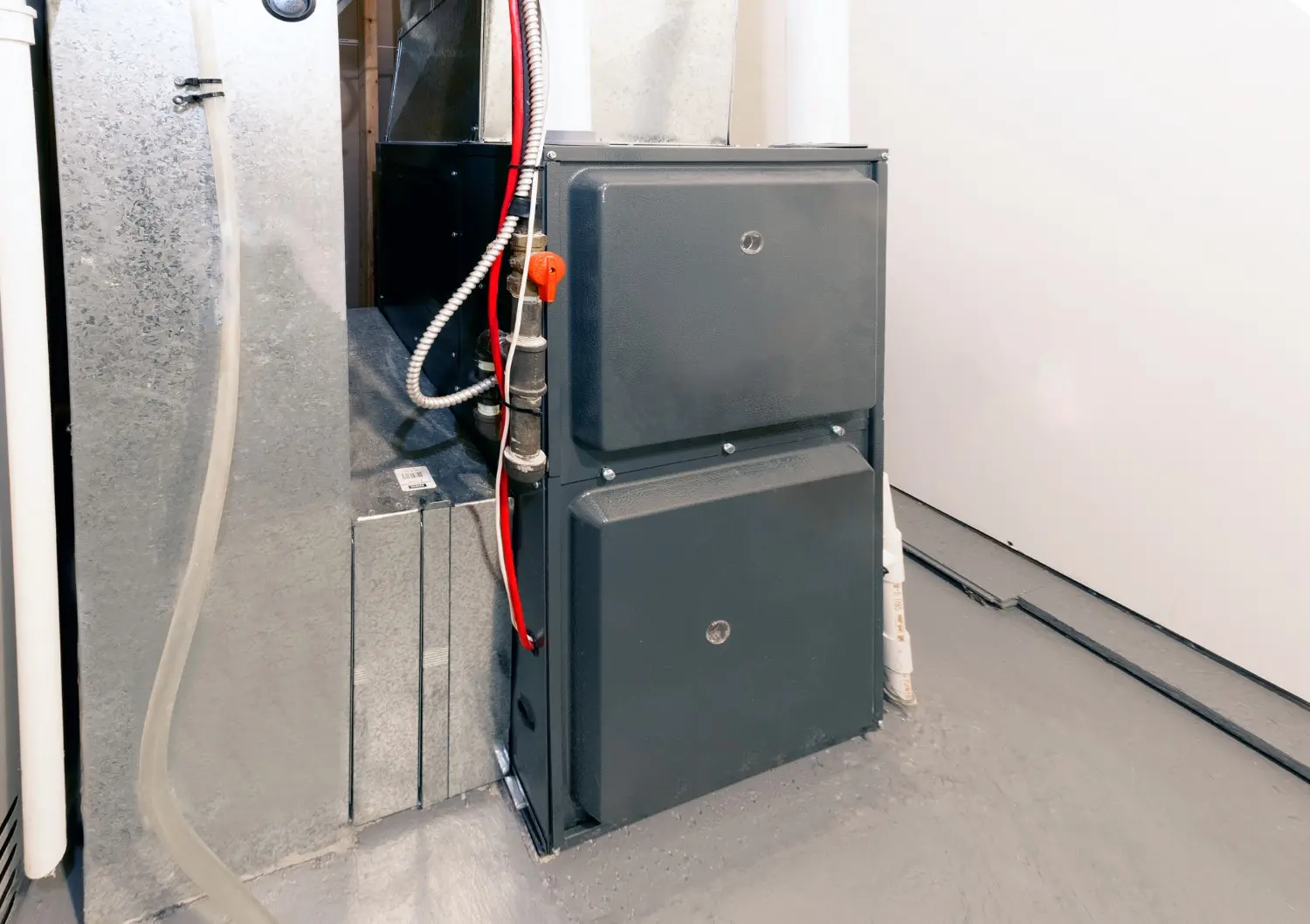
The Installation Process Step-by-Step
Understanding the sequence of events helps homeowners prepare for the installation day and ensures transparency regarding the work being performed. A structured approach minimizes disruption to the household and ensures that every technical requirement is met for safety and longevity.
- Site Preparation and Protection: The process begins with preparing the workspace. Technicians lay down drop cloths and protective coverings to safeguard flooring and furniture. The electrical circuit serving the HVAC equipment is turned off at the breaker panel to ensure safety. Clear access paths are established to the indoor air handler or furnace and the outdoor condenser unit.
- Refrigerant Recovery and Equipment Removal: Before the old unit can be moved, certified technicians must recover any remaining refrigerant. Venting refrigerant into the atmosphere is illegal and harmful to the environment. Once the system is empty, the electrical connections and fuel lines are disconnected. The old equipment is then carefully removed from the premises.
- Modification and Positioning: If the new unit has different physical dimensions than the old one, the plenum (the box connecting the unit to the ductwork) may need modification. The installation team adjusts the sheet metal to create an airtight seal. For the outdoor unit, a new composite pad may be installed to ensure the condenser sits level and is elevated off the ground to prevent debris accumulation and allow for proper drainage.
- Connection and Brazing: The new indoor and outdoor units are moved into place. Refrigerant lines (the copper tubing connecting the two units) are connected. Technicians use nitrogen during the brazing process to prevent oxidation inside the copper lines, which is a critical step for the longevity of modern compressors. Electrical wiring is connected, including the high-voltage power supply and the low-voltage control wires for the thermostat.
- Vacuum and Charge: Once the physical connections are made, the system is pressure-tested with nitrogen to check for leaks. Following a successful pressure test, a vacuum pump is used to remove all moisture and air from the lines. This is crucial because moisture mixed with refrigerant creates acid that eats away at the compressor. Finally, the system is charged with the precise amount of refrigerant specified by the manufacturer.
- Commissioning and Testing: The system is powered on and tested. Technicians measure static pressure in the ducts, temperature drop across the evaporator coil, and amp draw on the motors. This data confirms the system is operating within its design parameters. The thermostat is programmed, and the homeowner is guided through its operation.
Determining When to Upgrade Your Heating and Cooling Unit
Deciding between another repair and a full replacement is a financial and logical calculation. While repairs can extend the life of a unit, there is a tipping point where the cumulative cost of fixes and the inefficiency of an old system outweigh the investment in a new one.
- The 50% Rule: A common industry standard for decision-making is the 50% rule. If the cost of the necessary repair approaches 50% of the value of the system (or the cost of a new unit), replacement is generally the smarter financial move. Investing heavy capital into a degrading asset often leads to diminishing returns.
- Age of the Equipment: Most air conditioners and heat pumps have a service life of 10 to 15 years, while furnaces may last 15 to 20 years. If your equipment is exceeding this age range and requires a major component replacement—such as a compressor or heat exchanger—replacement is recommended. Parts for older units become scarce and expensive, and the technology is likely obsolete compared to modern energy standards.
- Rising Energy Bills: As HVAC systems age, their efficiency drops due to wear on motors and the accumulation of debris on coils. If energy bills have been steadily climbing despite normal usage, the system is likely working overtime to maintain the set temperature. New systems with high SEER2 ratings can significantly reduce monthly utility costs, eventually offsetting the installation price.
- Frequency of Breakdowns: If service calls have become a seasonal routine, the system is unreliable. Frequent breakdowns indicate that multiple components are reaching the end of their lifecycle simultaneously. Replacing the system eliminates the stress of unexpected failures during peak weather extremes.
- Comfort Consistency: Older systems often struggle to maintain consistent temperatures or control humidity. If some rooms are freezing while others are stifling, or if the home feels clammy due to poor humidity removal, the current system likely cannot handle the home's load requirements. Modern multi-stage or variable-speed systems solve these comfort issues effectively.
Regional Considerations for Home Comfort Systems
Operating an HVAC system in Santa Barbara presents unique challenges and requirements compared to other regions. The local climate, characterized by mild, wet winters and warm, dry summers, influences both the type of equipment selected and the installation protocols used.
- Managing Coastal Humidity and "June Gloom": The early summer phenomenon known as "June Gloom" brings heavy marine layer fog and high humidity. While temperatures may not be scorching, the moisture content in the air can make indoor environments uncomfortable. An HVAC installation here must prioritize humidity control. Variable-speed air handlers are excellent for this, as they run at lower speeds to remove more moisture from the air without over-cooling the space.
- Corrosion Protection: Proximity to the ocean means salt air is a constant factor. Salt is highly corrosive to the aluminum fins and copper tubing found in standard condenser coils. Systems installed in this region often benefit from special anti-corrosion coatings or the selection of units specifically designed for coastal environments to prevent premature failure due to oxidation.
- Title 24 and Permit Compliance: California has some of the strictest energy codes in the nation under Title 24. Any significant alteration to an HVAC system requires a permit and must meet specific efficiency benchmarks. This often involves third-party duct testing to ensure leakage is below a certain percentage (usually 5% or 15% depending on the scope). It may also require refrigerant charge verification. Professional installers handle the permitting process and coordinate the required HERS (Home Energy Rating System) testing to ensure the home remains compliant and sellable in the future.
- Heat Pump Viability: Given the mild winters where temperatures rarely drop below freezing, heat pumps are an incredibly efficient option for this area. Unlike furnaces that generate heat by burning fuel, heat pumps move heat from the outside air into the home. In this climate, they operate at peak efficiency and can serve as both the heating and cooling source, eliminating the need for natural gas connections for climate control.
Why Professional Implementation Matters
The performance of an HVAC system is determined more by the quality of the installation than the brand on the metal box. A top-tier unit installed poorly will perform worse than a mid-range unit installed perfectly. The difference lies in the technical details—brazing techniques, vacuum levels, airflow balancing, and electrical safety.
Organ & Sons Mechanical, Inc. ensures that every technical specification is met with precision. Improper sizing or poor duct connection can result in a loss of up to 30% of the system's efficiency before it even runs for a full day. Professional implementation protects the manufacturer's warranty, which can be voided if the equipment is not installed by a licensed contractor. Furthermore, safety is paramount; handling high-voltage electricity and natural gas connections requires certified expertise to prevent fire hazards or carbon monoxide leaks.
Choosing a provider that understands the local nuances—from the permitting requirements of the city to the specific atmospheric challenges of the coast—ensures a system that lasts longer and runs cheaper. We focus on the long-term operability of the system, ensuring that the investment made today continues to pay dividends in comfort and energy savings for years to come.
Secure your home’s comfort with a reliable, code-compliant installation. Contact us now to schedule your estimate and take the first step toward a more efficient home.
Professional Installation Built Around Proper System Design
Expert HVAC installation in Santa Barbara, CA, plays a critical role in long-term system performance. Organ & Sons Mechanical, Inc. installs HVAC systems according to industry standards and manufacturer specifications. Improper installation can reduce efficiency and shorten system lifespan. Our team ensures each installation is completed with accuracy and attention to detail. Start with a system installed correctly from day one.
Request Professional HVAC Installation Services
Contact Us