



24 Hour HVAC Service in Lompoc, CA
24 Hour HVAC Service in Lompoc, CA
Restore Comfort Immediately with Round-the-Clock HVAC Support
Facing an unexpected heating or cooling failure is stressful, especially when it happens in the middle of the night or over a weekend. In Lompoc, where temperatures can shift noticeably between day and night, waiting days for a repair isn't an option when your safety and comfort are at risk. You need a solution that addresses the mechanical failure swiftly and restores the livability of your home. Call our emergency line immediately for 24-hour assistance.
Organ & Sons Mechanical, Inc. understands that mechanical systems rarely break down at convenient times. A functional HVAC system is essential for maintaining indoor air quality and temperature control, and a malfunction requires professional intervention regardless of the hour. We provide homeowners with accessible, high-level technical support when standard business hours are over.
- Rapid response teams are available around the clock, every day of the year.
- Experienced technicians provide quick diagnostics and effective solutions for all major brands.
- Comprehensive service covers furnaces, heat pumps, and air conditioning systems.
We are licensed and fully insured, ensuring quality and safety in every job we undertake.
Immediate Actions Taken During After-Hours HVAC Service
When you request emergency service, the objective is to mitigate damage and restore functionality as quickly as possible. Unlike standard maintenance calls, emergency service prioritizes critical system failures that affect the safety or immediate comfort of the home. The focus is on rapid triage and stabilization.
Upon dispatch, a qualified technician arrives with a vehicle stocked with common parts and diagnostic tools. The primary goal is to identify the root cause of the failure. This could range from electrical component failure to refrigerant leaks or ignition issues in heating units. The technician performs a safety inspection to ensure there are no hazards, such as gas leaks or electrical shorts, which are common triggers for emergency shut-offs.
Once the safety check is complete, the focus shifts to operational restoration. If a permanent repair can be made immediately with on-hand parts, it is completed on the spot. In instances where a specialized component must be ordered, the technician works to provide a temporary solution or stabilizes the system to prevent further damage until the part is acquired. You receive a clear explanation of the issue, the work required to fix it, and the immediate steps being taken to get your system running again.
What Qualifies as an HVAC Emergency
Homeowners often hesitate to call for after-hours service, unsure if their situation warrants immediate attention. However, certain symptoms indicate a critical failure that should not be ignored. Ignoring these signs can lead to more extensive damage to the unit or potential safety risks for the occupants.
- Total System Failure in Extreme Weather: If the furnace fails during a winter low or the AC dies during a heatwave, the internal temperature of the home can reach unsafe levels quickly. This is particularly critical for households with elderly residents, infants, or those with medical conditions.
- Electrical Burning Smells: A distinct acrid odor or the smell of burning plastic often indicates an overheating motor, frayed wiring, or a seized component. This is a fire hazard that requires immediate system shutdown and professional inspection.
- Loud or Unusual Noises: Screeching, grinding, or banging sounds suggest a significant mechanical failure, such as a loose blower wheel, broken belt, or failing compressor. Continued operation under these conditions will destroy the component permanently.
- Gas Odors: Any scent of sulfur or rotten eggs near a furnace suggests a gas leak. This requires immediate evacuation, a call to the utility company, and an emergency HVAC repair to locate and seal the leak.
- Water Leaks: Excessive water pooling around a furnace or indoor AC unit can cause structural damage to the home or indicate a blocked condensate line that needs clearing.
The Emergency Repair and Diagnosis Process
Understanding the workflow of an emergency call helps manage expectations and ensures the process moves smoothly. Professional technicians follow a systematic approach to troubleshoot and repair systems efficiently, even in low-light or difficult weather conditions.
- Dispatch and Arrival: After your initial call, a technician is routed to your location in Lompoc. They arrive equipped with the necessary diagnostic gear to assess the situation without needing to wait for daylight.
- System Isolation: To ensure safety, the technician isolates the electrical power or gas supply to the unit before beginning the inspection. This prevents accidental shocks or leaks during the diagnostic phase.
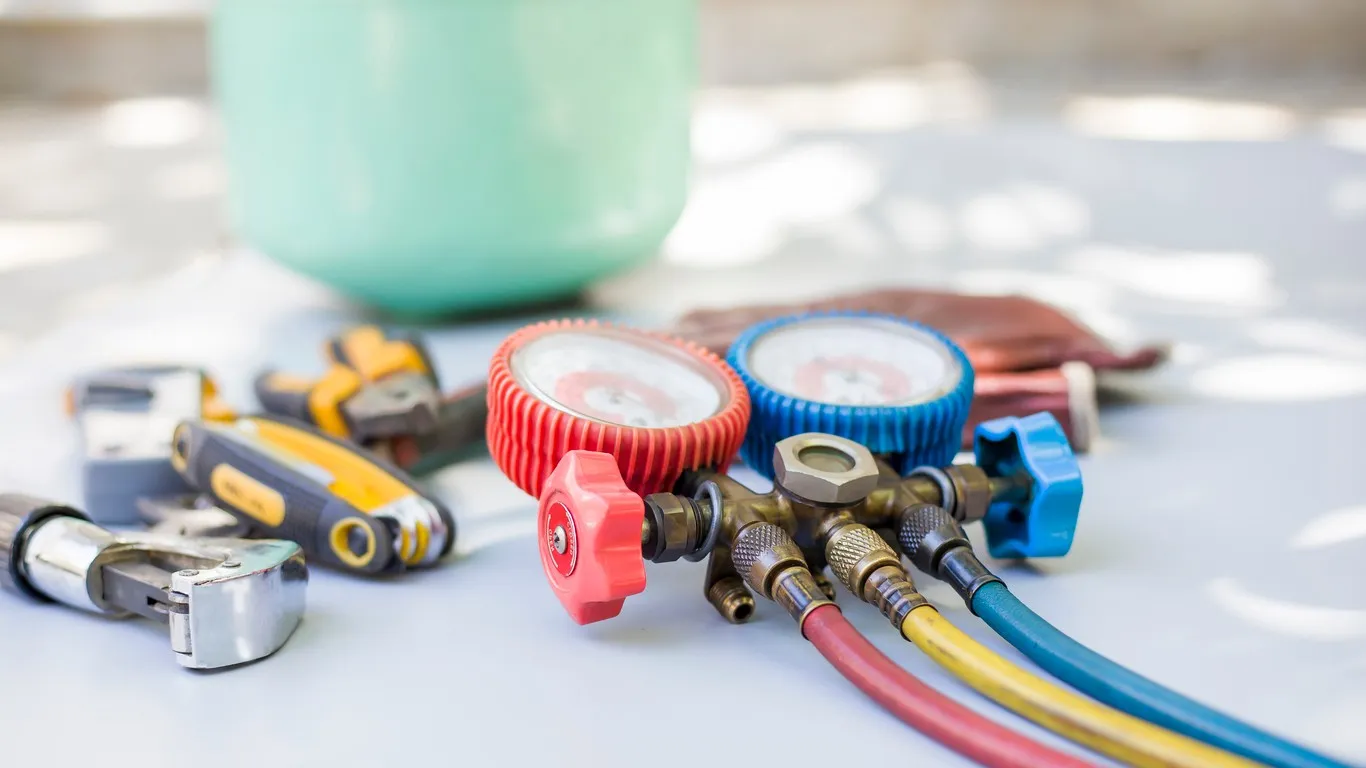
- Diagnostic Testing: Using multimeters, manometers, and pressure gauges, the technician tests the electrical circuits, airflow, and refrigerant pressures. They check the thermostat communication to rule out control issues.
- Fault Identification: The technician identifies the specific failed component—whether it is a bad capacitor, a faulty ignitor, a frozen coil, or a burnt-out contactor.
- Repair Execution: With your approval, the technician replaces the faulty part using inventory from the service truck. If the repair involves the refrigerant cycle, they ensure the system is sealed and charged to factory specifications.
- System Testing: After the repair, the system is restarted and monitored. The technician checks for proper temperature differential (delta T), airflow velocity, and cycle duration to ensure the unit is operating correctly before departing.
Deciding Between Emergency Repair and System Replacement
During an emergency service call, you may be faced with a difficult decision: repair the existing unit or invest in a replacement. This decision often depends on the age of the system, the severity of the breakdown, and the long-term economic viability of the repair.
If a system is relatively new (under 10 years old) and the repair cost is manageable, fixing the unit is typically the logical choice. However, if the system is nearing the end of its expected lifespan—usually 15 to 20 years for furnaces and 10 to 15 years for air conditioners—putting significant money into an emergency repair may be a poor investment.
Consider replacement if the cost of the repair approaches 50% of the value of the system. Additionally, if the unit has a history of frequent breakdowns, uses phased-out refrigerant (like R-22), or has a critical failure like a cracked heat exchanger or a blown compressor, replacement is often the more financially sound option. In emergency scenarios, a technician may perform a "band-aid" fix to get you through the night or weekend, allowing you to discuss full replacement options during regular business hours when suppliers are open.
Managing HVAC Systems in Local Climate Conditions
The climate in Lompoc presents specific challenges for HVAC equipment. While the region enjoys a Mediterranean climate, the specific environmental factors here dictate how systems should be maintained and when they are most likely to fail.
- Marine Layer and Corrosion: The proximity to the coast brings moisture and salt air, which can accelerate corrosion on outdoor condenser units and heat pump housings. Rust can compromise the structural integrity of the unit and damage electrical connections, leading to premature failure.
- Temperature Fluctuations: Lompoc experiences mild, wet winters and cool, dry summers, but the temperature swings between day and night can be significant. This forces HVAC systems to cycle frequently, putting stress on start capacitors and compressor motors.
- Seasonal Dormancy: Because the weather is often mild, heating or cooling systems may sit idle for months. When a sudden cold snap or heatwave hits, homeowners turn on systems that haven't run in a long time, leading to "start-up failure" where dried-out seals or seized motors become apparent.
- Humidity Management: The wet winters from November to March require furnaces to run not just for heat, but to keep indoor humidity levels in check. A failing furnace can lead to dampness and mold growth inside the home.
Organ & Sons Mechanical, Inc. technicians are familiar with these local patterns and check for climate-specific wear and tear during every emergency visit.
The Risk of DIY Fixes During Emergencies
When a breakdown happens at an inconvenient time, the temptation to attempt a Do-It-Yourself repair can be strong. However, modern HVAC systems are complex machines involving high-voltage electricity, combustible gases, and high-pressure refrigerants. Without proper training and tools, DIY attempts often worsen the problem.
- Electrical Hazards: Mishandling capacitors or wiring can result in severe electrical shock or frying the unit’s control board, turning a minor repair into a total system replacement.
- Warranty Voiding: Most manufacturers require proof of service by a licensed professional to maintain the warranty. DIY repairs can void this coverage instantly.
- Safety Protocol Violations: Incorrectly adjusting a gas valve or bypassing a safety switch can lead to carbon monoxide leaks or fire hazards.
- Incorrect Parts: Universal parts bought online often do not match the specific specifications of the OEM equipment, leading to inefficient operation or further mechanical stress.
Professional technicians carry the correct insurance and certifications to handle these risks. They follow strict protocols to ensure that the repair is not only effective but compliant with all local building and safety codes.
Operational Reliability and Technical Expertise
Choosing a service provider for 24-hour support is about trust and technical capability. You need a team that does not merely patch problems but solves them fundamentally. The difference lies in the depth of diagnostic capability and the inventory management that allows for immediate fixes.
Our service model is built on readiness. Trucks are stocked based on historical data of common failures, reducing the likelihood of needing to leave the site for parts. Technicians undergo continuous training to stay updated on the latest control boards, variable speed motors, and smart thermostat integrations. This expertise ensures that whether you have an aging furnace or a cutting-edge heat pump, the technician can navigate the internal logic of the system to find the error.
Transparency is also a key component of the service. In an emergency, you need clear information about what is broken, why it broke, and what it costs to fix it. There are no hidden steps; the diagnostic process is shared with you so that you can make informed decisions about your property.
Restoring Your Home Environment
A broken HVAC system disrupts your life, your sleep, and your peace of mind. The goal of 24-hour service is to minimize that disruption. By engaging a professional service immediately, you protect your home from temperature-related damage and ensure the comfort of your family is restored without delay.
Whether it is a minor electrical fix or a major component replacement, the priority is always safety, efficiency, and reliability. Do not let a mechanical failure dictate the comfort of your home for days on end.
If your system has failed and you need immediate assistance in Lompoc, do not hesitate. Organ & Sons Mechanical, Inc. is ready to respond. Call now to dispatch an emergency technician to your home.
Contact Us