



Restore Comfort Quickly With Professional Mechanical Diagnostics and Repair
Unexpected climate control failures disrupt your daily routine, threaten your indoor air quality, and leave your home uncomfortably exposed to the elements. If your system has stopped working, contact Organ & Sons Mechanical, Inc. immediately to schedule a diagnostic visit or inquire about available financing options to restore your environment today.
When a heating or cooling system fails in Lompoc, the immediate priority is securing a qualified technician who can identify the root cause without guesswork. You need a service provider who arrives prepared to handle complex mechanical issues on the spot, ensuring that your downtime is minimized.
- Same-day service availability to address critical system failures immediately.
- Qualified technicians with over a decade of hands-on experience in residential diagnostics.
- All repairs are backed by a satisfaction guarantee to ensure long-term performance.
- Fully licensed and insured professionals offering flexible financing options for major repairs.
Immediate HVAC Repair: What to Expect
When your thermostat calls for heat or cooling but the system fails to respond, the window for repair is often critical. A malfunctioning unit effectively puts your household on hold. The primary objective during an emergency repair visit is accurate fault isolation. This means going beyond the symptoms—such as a frozen coil or a blowing fuse—and identifying the mechanical or electrical origin of the failure.
Homeowners often worry about the timeline of a repair. In the service industry, efficiency is dictated by preparedness. A professional response involves a fully stocked mobile warehouse containing the most common universal parts, including capacitors, contactors, ignitors, and control boards. This preparation minimizes the need for second trips and ensures that the majority of issues are resolved during the initial appointment.
Upon arrival, the technician initiates a comprehensive safety check. This is non-negotiable. Before any tools are applied to the machinery, the electrical disconnects and gas valves are inspected to ensure the workspace is safe. Following this, the diagnostic phase begins. This involves checking refrigerant pressures, measuring voltage and amperage on motors, and inspecting the heat exchanger for integrity. Organ & Sons Mechanical, Inc. prioritizes this thorough diagnostic approach to ensure we solve the problem permanently rather than applying a temporary patch.
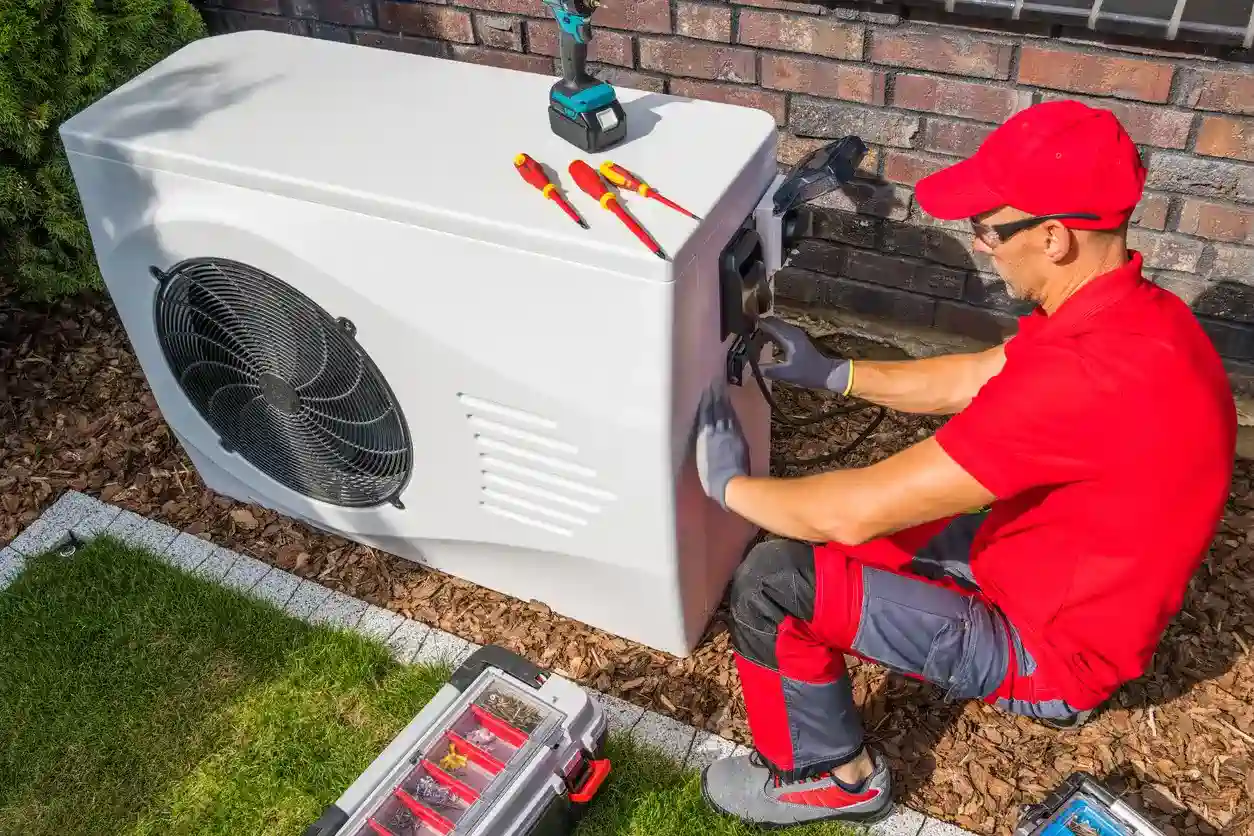
Our Commitment on Service Day: Speed & Precision
The service experience is defined by technical proficiency and respect for your property. When a technician arrives at your Lompoc residence, the goal is to restore order. This starts with clear communication regarding the arrival window and continues with the physical protection of your home. Technicians utilize drop cloths and shoe covers to ensure that the work area remains clean, regardless of whether the unit is located in a crawlspace, attic, or garage.
Comprehensive System Evaluation
The initial evaluation covers the entire ecosystem of your HVAC unit. A repair is rarely just about swapping a part; it is about understanding why that part failed.
- Airflow analysis to ensure the blower motor is moving sufficient volume.
- Thermostat calibration checks to verify accurate temperature readings.
- Electrical connection tightening to prevent future shorts or arcing.
- Condensate drain line inspection to prevent water damage and biological growth.
Transparent Reporting
Once the issue is identified, you receive a detailed explanation of the findings. This includes a breakdown of the failed component, the cause of the failure (e.g., wear and tear, lack of maintenance, or external surges), and the specific steps required to fix it. You are provided with a clear, upfront description of the work scope before any repairs commence. This eliminates surprise costs and allows you to make an informed decision regarding your property.
Understanding the Repair Process: From Call to Completion
The path to a restored climate control system follows a logical, step-by-step protocol designed to ensure safety and quality. By adhering to a strict process, technicians avoid missing subtle indicators that could lead to future breakdowns.
Initial Assessment and Diagnostics
The process begins with the technician listening to your description of the problem. Unusual noises, smells, or cycling patterns provide vital clues.
- First, the technician cycles the thermostat to observe the startup sequence.
- Next, panels are removed to access the internal components for visual inspection.
- Then, specialized gauges and meters are used to read the system’s vital signs, such as superheat and subcooling levels for AC units or draft pressure for furnaces.
Execution of Repairs
Once the diagnostic is complete and the repair plan is approved, the physical work begins.
- First, power is cut to the unit to ensure electrical safety.
- Next, faulty components are carefully removed to avoid damaging surrounding wiring or tubing.
- Then, OEM or high-quality universal parts are installed according to manufacturer specifications.
- Finally, all wiring is reconnected and secured with zip ties or clips to prevent vibration damage.
System Testing and Validation
A repair is not complete until the system has completed a full cycle.
- First, the system is powered on and monitored for proper startup amperage.
- Next, temperature differentials (Delta T) are measured across the supply and return air to ensure the unit is actually heating or cooling.
- Finally, the technician verifies that the system satisfies the thermostat setting and shuts down correctly.
Deciding Between Repair and Replacement: A Cost-Benefit Guide
One of the most difficult decisions a homeowner faces is determining when a system has reached the end of its viable lifespan. While repairs are often the most immediate and cost-effective solution, there are specific thresholds where continuing to repair a degrading system becomes economically unwise.
The 5000 Rule
Industry professionals often use the "5000 Rule" as a baseline metric. You multiply the age of the equipment by the estimated cost of the repair. If the total exceeds $5,000, replacement is generally the more prudent financial choice. For example, a 12-year-old unit requiring a $500 repair equals 6,000, suggesting replacement is viable. Conversely, a 5-year-old unit with a $600 repair equals 3,000, indicating repair is the better path.
Frequency of Breakdowns
If you find yourself calling for service multiple times a year, the system is signaling critical fatigue. While individual repairs might seem manageable, the cumulative cost of service calls, parts, and the inconvenience of downtime often outweighs the monthly investment in a modern, warrantied system.
Energy Efficiency Considerations
Older systems typically operate with lower SEER (Seasonal Energy Efficiency Ratio) or AFUE (Annual Fuel Utilization Efficiency) ratings.
- A system installed 15 years ago may operate at 10 SEER, while modern standards require 14 SEER or higher.
- Upgrading can result in significant reduction in monthly utility bills, effectively subsidizing the cost of the new unit over time.
- Newer systems often modulate performance, providing better humidity control and consistent temperatures compared to the single-stage operation of older units.
Phase-Out of R-22 Refrigerant
For air conditioning units manufactured before 2010, the refrigerant used (R-22 or Freon) has been phased out due to environmental regulations.
- Repairing a leak in an R-22 system is exceptionally expensive due to the scarcity of the refrigerant.
- Investing in major repairs (like a compressor replacement) on an R-22 unit is rarely recommended, as the refrigerant costs alone can rival the price of a new condenser.
Local HVAC Rules and Seasonal Recommendations for Lompoc
Operating an HVAC system in Lompoc requires attention to the specific microclimate and regulatory environment of the Central Coast. While the region avoids the extreme heat of the inland valleys, the coastal influence creates unique challenges that impact equipment longevity.
Managing Humidity and Coastal Air
The proximity to the ocean introduces salt air, which can accelerate corrosion on outdoor condenser coils and aluminum fins.
- Regular rinsing of the outdoor unit is recommended to prevent salt buildup that restricts heat transfer.
- Inspect the base of the unit for rust, which can compromise structural integrity.
- Consider protective coatings for coils if you are located particularly close to the shoreline.
Seasonal Transition Notes
Lompoc experiences distinct wet winters and dry summers. The rainfall from November to March dictates a specific maintenance rhythm.
- Ensure furnace flues and vents are clear of debris before the rainy season begins to prevent carbon monoxide back-drafting.
- Check drainage around the outdoor unit; standing water caused by heavy rains can damage electrical components if the pad settles unevenly.
- During the transition to the warmer months (highs reaching 80°F), test the AC disconnect box to ensure no insects or moisture have compromised the contacts during the dormant winter period.
Permits and Compliance
Any significant alteration to your mechanical system, particularly equipment replacement, requires adherence to California Title 24 energy standards and local building codes.
- Licensed contractors manage the permitting process to ensure the work is legal and safe.
- Repairs generally do not require permits unless they involve altering the gas line or main electrical service.
- Ductwork testing is often required during change-outs to verify leakage rates are within acceptable limits.
Why Trust Us: Local Expertise and Customer First Policies
Selecting a service provider is a decision based on trust and technical capability. We operate with a philosophy that prioritizes the correct technical solution over the easiest one. Our technicians are not incentivized to sell unnecessary parts; they are trained to restore comfort and safety to your home.
We understand that mechanical failures rarely happen at convenient times. Our operational structure is built to handle urgency without sacrificing quality. We maintain all necessary state licenses and insurance policies, protecting your property and our employees during every service call. By focusing on diagnostics-led repair, Organ & Sons Mechanical, Inc. ensures that when we fix a system, it stays fixed. We believe in educating our clients on the health of their system, providing the data needed to make smart decisions regarding repair or replacement.
Whether you are dealing with a furnace that won't ignite during a cold snap or an air conditioner that freezes up in July, professional intervention is the fastest route to resolving the issue. Do not let a mechanical failure compromise your home environment.
Take control of your indoor comfort today. Contact us now to schedule your expert diagnostic and repair service.
Corrective Repairs Designed to Stabilize Performance
Professional HVAC repair in Lompoc, CA requires accurate diagnostics to resolve issues before they escalate. Organ & Sons Mechanical, Inc. identifies underlying system problems and applies targeted repair solutions to reduce repeat failures. Delayed repair often increases operational strain and service costs. Our approach supports stable performance and reliable system operation.
Restore proper HVAC function with repairs focused on long-term system stability.
Schedule Targeted HVAC Repair Services Today
Contact Us