



AC Installation in San Luis Obispo, CA
Explore professional AC installation services in San Luis Obispo. Ensure energy efficiency with our certified installations. Contact us for a tailored estimate!
Unreliable Cooling and Rising Energy Costs Demand a Permanent Solution
Living with an outdated or failing air conditioner in San Luis Obispo turns warm summer afternoons into an endurance test rather than a time for relaxation. You need a properly sized, energy-efficient system installed correctly the first time to ensure lasting comfort and manageable utility bills. Contact us today to schedule your estimate and restore your home's comfort:
- Secure fast installation from certified professionals ready to tackle local microclimate challenges.
- Gain peace of mind with robust warranty protection on every new unit installation.
- Lower your upfront investment by identifying and utilizing available energy-efficient rebates.
All our installations meet strict local building codes and come with flexible financing options to fit your budget.
Comprehensive Air Conditioning Solutions for Your Home
Investing in a new air conditioning system is significant, and the quality of the installation is just as critical as the brand of equipment you choose. A seamless installation ensures that your new unit operates at its rated efficiency, provides consistent cooling, and lasts for its intended lifespan. Residents in San Luis Obispo require systems that can handle the dry, warm summers while remaining efficient during milder periods.
When you move forward with a professional installation, you receive a complete solution tailored to your property’s specific thermal profile. This is not merely swapping one metal box for another; it is a re-engineering of your home’s comfort system. The service encompasses a full load calculation, inspection of existing ductwork, and the integration of modern thermostats or zoning systems.
Modern cooling technology has advanced significantly in recent years. Homeowners now have access to variable-speed compressors and high-efficiency heat pumps that offer precise temperature control. A professional installation ensures that whether you are selecting a traditional split system, a packaged unit, or a ductless mini-split configuration, the equipment is calibrated to meet the manufacturer's exact specifications. This attention to detail eliminates hot spots in the home and reduces the humidity issues that can occasionally plague coastal-adjacent valleys.
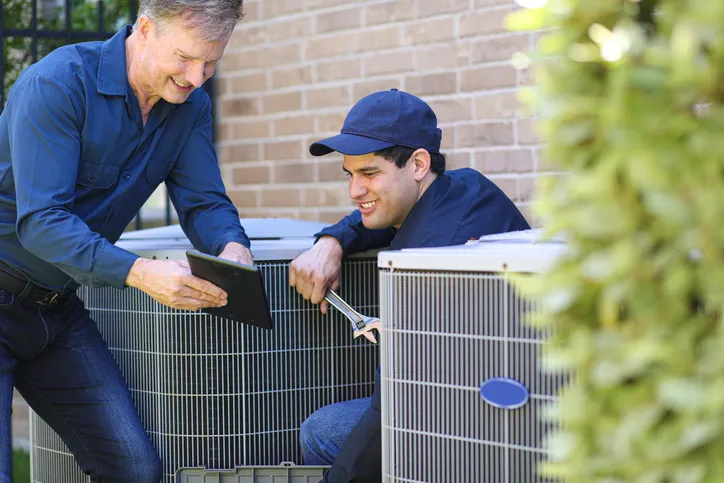
The Installation Process Step-by-Step
Understanding the installation timeline and methodology helps homeowners prepare for the transition to a new system. A standardized, rigorous process ensures that no steps are skipped and that safety remains the top priority throughout the project.
Site Evaluation and Sizing:
The process begins with a Manual J load calculation. This engineering formula considers the square footage, window placement, insulation levels, and orientation of the home. Installing a unit that is too large causes short-cycling, while a unit that is too small runs continuously without reaching the set temperature. Correct sizing is the foundation of efficiency.
Work Area Preparation:
Technicians arrive with drop cloths and protective gear to ensure your home remains clean. The area around the existing indoor and outdoor units is cleared to allow for safe access and maneuvering of heavy equipment.
Safe Removal of Existing Equipment:
Before the old unit can be removed, the refrigerant must be pumped down or recovered according to EPA regulations. This prevents environmental contamination. Once the lines are clear, the old condenser and evaporator coil are disconnected and removed from the property.
System Installation:
The new indoor coil is fitted to your furnace or air handler, ensuring a tight seal to prevent air leakage. Simultaneously, the outdoor condenser is positioned on a level pad. If the location requires it, hurricane straps or seismic bracing are applied to meet California building codes.
Line Set and Electrical Connection:
New copper refrigerant lines are installed or existing lines are flushed and cleaned. Technicians braze the connections using nitrogen to prevent oxidation inside the pipes, a critical step for the longevity of modern refrigerants. High-voltage wiring is connected to a safety disconnect box, and low-voltage wiring is run to the thermostat.
Vacuum and Charge:
A deep vacuum is pulled on the system to remove all moisture and non-condensable gases. This is measured in microns to ensure a perfectly sealed system. Once verified, the specific amount of refrigerant required for your line set length is weighed in.
Commissioning and Testing:
The system is powered on and tested. Technicians measure static pressure, airflow, and temperature splits (the difference in temperature between supply and return air) to verify the system is performing optimally.
Deciding Between Repair and Full Replacement
Homeowners often struggle with the decision to repair an aging unit or invest in a replacement. While repairs can be cheaper in the short term, they often lead to higher cumulative costs if the system is nearing the end of its useful life. Making the right choice depends on a few key factors regarding the health and history of your current AC.
The 50% Rule:
If the cost of the repair equals 50% or more of the cost of a new system, replacement is generally the better financial move. This is especially true if the unit is out of warranty.
Age of the Equipment:
Most central air conditioners last between 10 and 15 years. If your unit is over 10 years old and requires a major component replacement, such as a compressor or fan motor, technology has likely improved enough to justify upgrading to a more efficient model.
Frequency of Breakdowns:
A system that requires multiple service calls in a single season is signaling failure. Constant repairs indicate that internal components are wearing out simultaneously. Replacement eliminates the stress of unexpected breakdowns during a heatwave.
Energy Efficiency Ratings (SEER2):
Older units may have SEER (Seasonal Energy Efficiency Ratio) ratings of 10 or 12. Modern standards require higher efficiency, often starting at SEER2 14.3 or higher in the Southwest region. upgrading from a SEER 10 to a SEER 16+ system can result in significant reductions in monthly electricity costs.
Refrigerant Type:
Systems installed before 2010 typically use R-22 Freon, which has been phased out and is incredibly expensive to source. New systems use environmentally friendly refrigerants like R-410A or R-454B. If an R-22 system develops a leak, replacement is almost always the only viable option.
Navigating Local Requirements and Climate Factors
Installing air conditioning in San Luis Obispo involves more than just plugging in a machine. The region’s specific climate and regulatory environment dictate how systems must be designed and commissioned. The Mediterranean climate means that while cooling is essential, the system must also handle humidity shifts between the marine layer mornings and dry afternoons.
Title 24 Compliance:
California has some of the strictest energy codes in the nation. Title 24 compliance requires that new HVAC installations meet specific efficiency standards. This often involves third-party HERS (Home Energy Rating System) testing to verify that ductwork is sealed properly and that the refrigerant charge is accurate. Non-compliant installations can lead to fines or issues when selling the home.
Permitting and Inspections:
Permits are required for AC replacements and new installations. This process ensures that the electrical work is safe and that the installation meets all zoning and safety codes. Professional installers handle the permitting process, ensuring the homeowner is not liable for unpermitted work. Organ & Sons Mechanical, Inc. ensures every project documentation is handled correctly to satisfy local municipal requirements.
Electrical Infrastructure:
Many older homes in the area may not have the electrical capacity to support modern, high-powered AC units. An installation project may include upgrading the electrical panel or adding dedicated circuits to ensure the system runs safely without tripping breakers.
Coastal Considerations:
Even slightly inland, the salt air can accelerate corrosion on outdoor condenser coils. Choosing equipment with enhanced corrosion protection or applying protective coatings can extend the life of the unit significantly in this region.
Why Precision Matters for Long-Term Efficiency
The efficiency rating on the box (SEER or SEER2) represents the potential of the equipment, not the guaranteed performance. The actual efficiency your system achieves depends entirely on the quality of the installation. Studies have shown that improper installation can reduce system efficiency by up to 30%, negating the savings you expected from a high-efficiency purchase.
Ductwork Integrity:
Leaky ducts are a primary source of energy loss. If the cool air leaks into the attic or crawlspace before reaching your living areas, the AC must work harder and run longer. Professional installation includes assessing and sealing ducts to deliver air where it is needed.
Airflow Balancing:
Proper airflow is vital for the heat exchange process. If the airflow is restricted due to poor duct design or improper fan settings, the evaporator coil can freeze, potentially damaging the compressor. technicians ensure that the static pressure is within the manufacturer's range.
Thermostat Calibration:
Modern thermostats are the brain of the HVAC system. If they are not calibrated correctly or compatible with the specific features of the AC unit (such as two-stage cooling), comfort and efficiency suffer. Professionals ensure the interface is set up to maximize the system's capabilities.
Securing Your Comfort with Professional Installation
A new air conditioning system is an investment in your home’s value and your family’s daily comfort. Navigating the options for efficiency, sizing, and brand requires expertise to ensure you select the unit that best fits your needs. By focusing on technical precision, adherence to California’s strict building codes, and a comprehensive understanding of the local climate, a professional installation bridges the gap between buying equipment and achieving true home comfort.
Don’t let another season pass with an unreliable cooling system that drives up energy costs. Trust the process to a team that values longevity and performance. For homeowners in San Luis Obispo, Organ & Sons Mechanical, Inc. delivers the expertise required for a flawless AC installation experience.
Contact Us