



Is Your Heat Pump Failing to Maintain Comfort Levels?
Struggling with a malfunctioning heat pump in San Luis Obispo? Your comfort can’t wait—get fast, reliable service tailored to your needs. If your system is blowing cold air in heating mode or making unusual noises, contact us immediately or inquire about our financing options to restore your home's climate control.
- Rapid response and on-site service within hours.
- Transparent pricing and no hidden fees guaranteed.
- Effective solutions by certified and experienced technicians.
All services are fully licensed, with extended warranties and flexible financing options available. When Organ & Sons Mechanical, Inc. arrives at your property, the goal is to diagnose the root cause swiftly and implement a lasting fix.
Comprehensive Heat Pump Diagnostics and Repair
When a heat pump fails, the issue often stems from specific components unique to this dual-purpose system. Unlike standard air conditioners or furnaces, heat pumps rely on complex reversing valves and defrost control boards to switch between heating and cooling modes. Professional service goes beyond a cursory glance; it involves a deep technical analysis of the refrigeration cycle and electrical controls.
Homeowners in San Luis Obispo often notice performance drops during the transition between the wet, mild winters and the warm, dry summers. A system that struggles to defrost properly in January may overheat in July. Comprehensive service addresses these seasonal variances. The technician evaluates the system’s ability to extract heat from the outside air even in lower temperatures, ensuring the auxiliary heat strips are not engaging unnecessarily, which can skyrocket energy bills.
The scope of a service visit includes a thorough inspection of the refrigerant charge. Incorrect refrigerant levels, whether due to a leak or improper initial installation, severely impact the unit’s efficiency. Technicians measure subcooling and superheat levels to ensure the compressor is operating within manufacturer specifications. Electrical components, including capacitors, contactors, and relays, are tested for wear and tear. Loose connections are tightened to prevent arcing or intermittent power failures. By addressing these specific mechanical and electrical points, the system is restored to optimal performance, extending its operational lifespan.
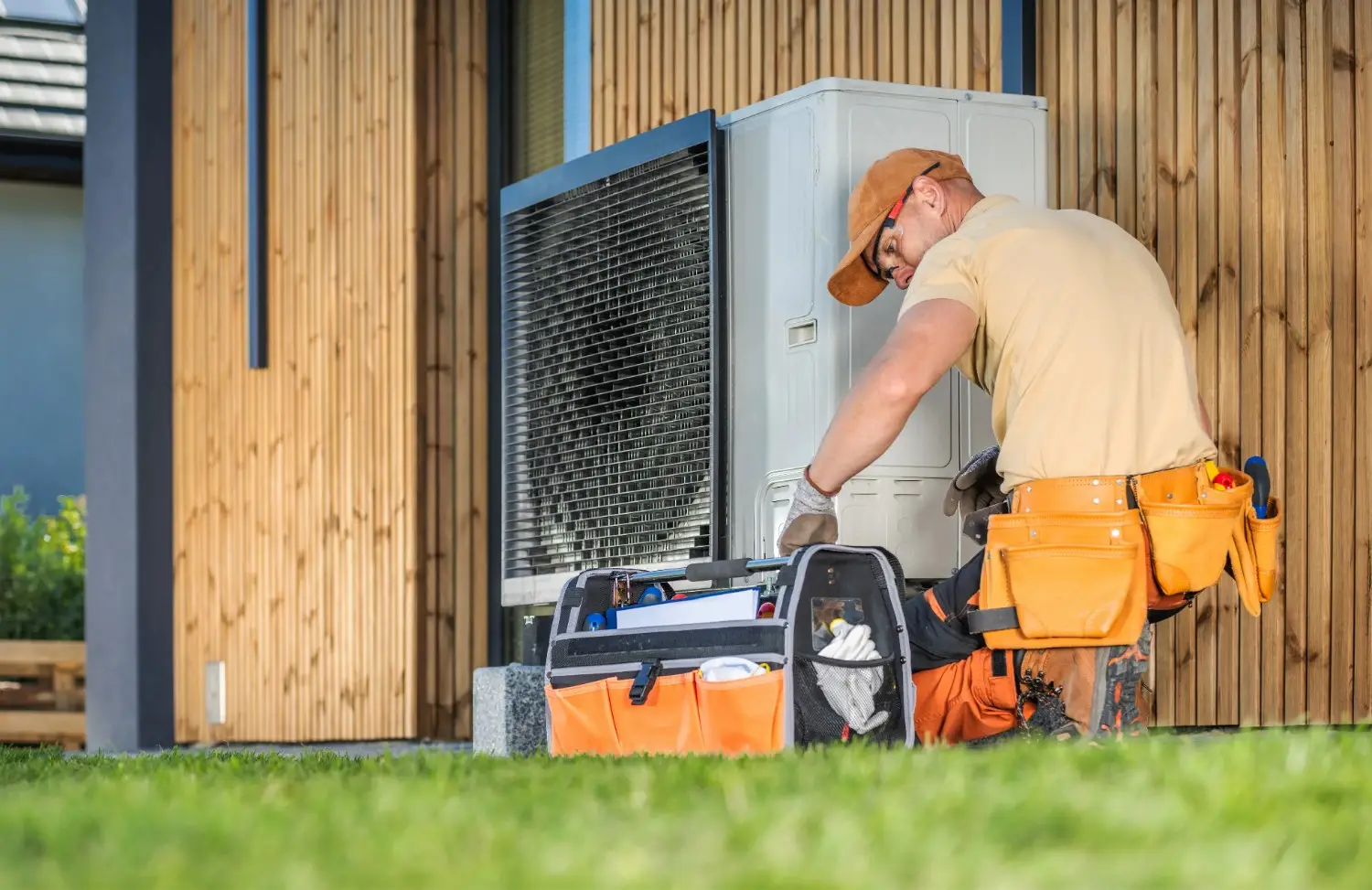
The Service Process: From Assessment to Resolution
Understanding the steps involved in a professional heat pump service call eliminates uncertainty. The process is designed to be systematic, ensuring no component is overlooked and that the homeowner is fully informed before any major work begins.
Initial System Evaluation
The technician arrives fully equipped to assess the entire HVAC system. This begins with the thermostat operation to verify communication between the interface and the air handler. The technician then inspects the outdoor condenser unit and the indoor evaporator coil. Airflow is measured to ensure that the static pressure within the ductwork is not restricting performance.
Fault Isolation and Diagnosis
Using specialized diagnostic tools, the technician isolates the specific point of failure. If the system is frozen, they check the defrost board and sensors. If the unit is short-cycling, they investigate the thermostat anticipator or low-pressure switches. This step determines whether the issue is a minor electrical fault, a refrigerant leak, or a major mechanical failure like a seized compressor.
Clear Explanation and Quote
Once the problem is identified, the findings are presented clearly. You receive a detailed breakdown of the necessary repairs, the parts required, and the labor involved. This ensures there are no surprises regarding costs. The technician explains the immediate necessity of the repair versus any recommended preventative maintenance.
Execution of Repairs
Upon approval, the repair work begins immediately. This may involve brazing a leak in the copper lines, replacing a faulty reversing valve, or cleaning a fouled coil. The technician adheres to strict safety and environmental protocols, particularly when handling refrigerant.
System Testing and Verification
The job is not complete when the part is replaced. The system is cycled through all modes—heating, cooling, and defrost—to verify that the repair was successful. The technician checks the temperature split (the difference in temperature between the supply and return air) to confirm the unit is heating or cooling effectively.
Site Cleanup and Final Report
Work areas are cleaned, and any debris or old parts are removed. A final report is provided, documenting the work performed, the condition of the system, and any warranty information relevant to the new parts.
Determining When to Repair vs. Replace Your Unit
Deciding between repairing an existing heat pump or investing in a modern replacement is a significant financial decision. This choice often comes down to a balance of age, efficiency, and repair costs. While repairs are often the most immediate and lower-cost solution, there are thresholds where replacement becomes the more prudent long-term investment.
The 50% Rule
A common industry standard is the 50% rule. If the cost of the necessary repair approaches or exceeds 50% of the value of a new system, replacement is generally recommended. This is particularly true if the unit is out of warranty, as the cumulative cost of future repairs will likely exceed the price of a new installation within a few years.
Age of the Equipment
Heat pumps in the Central Coast region typically last between 10 and 15 years. If a unit is over 12 years old and requires a major component replacement, such as a compressor or coil, it is often nearing the end of its serviceable life. Newer models offer significantly improved technology that older units cannot match.
Efficiency and Technology Standards
Heat pump technology has advanced rapidly. Older units may use R-22 refrigerant, which is phased out and expensive to replenish. New systems utilize environmentally friendly refrigerants and offer higher SEER2 (Seasonal Energy Efficiency Ratio) and HSPF2 (Heating Seasonal Performance Factor) ratings. Moving from a 10 SEER unit to a modern 16+ SEER2 system can result in substantial energy savings, offsetting the installation cost over time.
Frequency of Breakdowns
"Nickel and diming" is a clear sign that a system is failing. If you find yourself calling for service multiple times a year for different issues—first a capacitor, then a fan motor, then a control board—the system has likely lost its reliability. A new unit provides peace of mind and warranty protection that an aging unit cannot offer.
Navigating Local Requirements and Climate Factors
Operating a heat pump in California requires adherence to specific local codes and an understanding of the regional climate. The Mediterranean climate, while generally mild, presents specific challenges such as salt air corrosion and high humidity during the rainy season.
Corrosion and Coastal Elements
Homes located near the coast face accelerated corrosion of the outdoor condenser coils due to salt spray. This can lead to refrigerant leaks and reduced heat transfer efficiency. Local service providers often recommend specific coatings or more frequent maintenance schedules to wash down the coils and protect the aluminum fins from deterioration.
Title 24 and Permitting
California’s Title 24 Building Energy Efficiency Standards are among the strictest in the nation. When a heat pump is replaced or significantly altered, specific permits are required. This often triggers a requirement for duct testing to ensure leakage is below a certain percentage. A HERS (Home Energy Rating System) rater may need to verify the installation. Professional technicians ensure all work is compliant with these regulations to avoid fines and ensure the home is safe and efficient.
Electrification and Utilities
California is moving toward electrification, encouraging the use of heat pumps over gas furnaces. Local utility providers and regional energy networks sometimes offer rebates for upgrading to high-efficiency electric heat pumps. Understanding these programs requires a provider who is up-to-date with the current rebate landscape and can assist in providing the necessary documentation for claims.
Winter Defrost Cycles
While the area does not experience deep freezes, temperatures do drop low enough to trigger the heat pump's defrost mode. In humid, cool weather (around 35-40°F), frost can build up on the outdoor coil. The system must effectively reverse itself to melt this ice. If this cycle fails, the unit can become a block of ice, risking severe damage. Local technicians verify that the defrost sensors are calibrated correctly for this specific microclimate.
Technical Expertise and Certification
The complexity of modern heat pump systems demands a high level of technical expertise. These are not simple plug-and-play appliances; they are sophisticated thermal exchange systems that require precise calibration. Organ & Sons Mechanical, Inc. prioritizes technical proficiency to ensure every job is done right the first time.
Refrigerant Handling
Heat pumps are sensitive to refrigerant charge. An overcharged system risks flooding the compressor with liquid refrigerant, while an undercharged system will overheat the windings and fail to heat the home. Certified technicians use digital gauges and temperature clamps to measure superheat and subcooling to the exact degree, ensuring the thermodynamic cycle is balanced.
Electrical Safety and Logic
Modern variable-speed heat pumps use inverters to modulate the speed of the compressor and fan. This involves high-voltage DC power and complex communication wiring. Technicians must be skilled in troubleshooting these electronic circuits without damaging expensive control boards. They also check the integrity of the grounding and safety switches to prevent fire hazards.
Airflow Dynamics
A heat pump requires a specific volume of airflow across the indoor coil to function. Restricted airflow due to poor duct design or dirty filters can cause the system to trip on high-pressure limits in heating mode or freeze up in cooling mode. Professionals measure static pressure and inspect ductwork to ensure the system can "breathe" properly, modifying the plenum or return drops if necessary to improve performance.
Warranty Compliance
Most manufacturer warranties require proof of professional maintenance and installation by a licensed contractor. DIY repairs or work done by unlicensed handymen can void these warranties, leaving the homeowner liable for expensive parts. Utilizing a certified service provider protects the equipment warranty and ensures that if a part fails prematurely, it is covered.
Restoring Comfort and Efficiency
A reliable heat pump is essential for maintaining a comfortable home environment year-round. Whether dealing with an emergency breakdown during a cold snap or planning a proactive replacement to improve energy efficiency, the quality of the service determines the longevity of the system. Homeowners who prioritize professional, licensed intervention avoid the pitfalls of recurring breakdowns and inefficient operation.
Choosing the right service provider means selecting a team that understands the local climate, adheres to strict California building codes, and possesses the diagnostic tools to resolve complex HVAC issues. From managing refrigerant levels to navigating Title 24 compliance, expert service ensures that the heating and cooling system operates seamlessly. Organ & Sons Mechanical, Inc. remains committed to delivering high-quality, solution-oriented service for every client.
Don't let a faulty heat pump disrupt your home—secure your appointment today for immediate, expert resolution.
Contact Us