



Is Your HVAC System Ready for the Next Season?
As San Luis Obispo's temperatures climb or the coastal fog rolls in, your AC unit often struggles to keep up with the demand. If you are experiencing frequent breakdowns, inconsistent temperatures, or rising energy bills, it is time for a professional assessment. Contact us today to schedule your service or inquire about available financing options.
- Get same-day service—no more long waits.
- Improve efficiency to reduce your energy costs.
- Extend the lifespan of your HVAC with expert maintenance.
Licensed and certified, with easy financing options available.
Comprehensive Climate Control Solutions
Maintaining a consistent indoor environment in California’s Central Coast requires a system that can adapt to rapid weather changes. One day may bring dry heat, while the next brings heavy moisture from the marine layer. Organ & Sons Mechanical, Inc. specializes in diagnosing and correcting performance issues that plague residential and commercial systems in this unique region.
When a heating or cooling system fails, the disruption goes beyond simple discomfort. It impacts your sleep, your productivity, and the air quality inside your home. Our technicians focus on identifying the root cause of the failure rather than applying temporary patches. Whether your system has completely shut down or is making unusual noises, professional intervention restores functionality and efficiency.
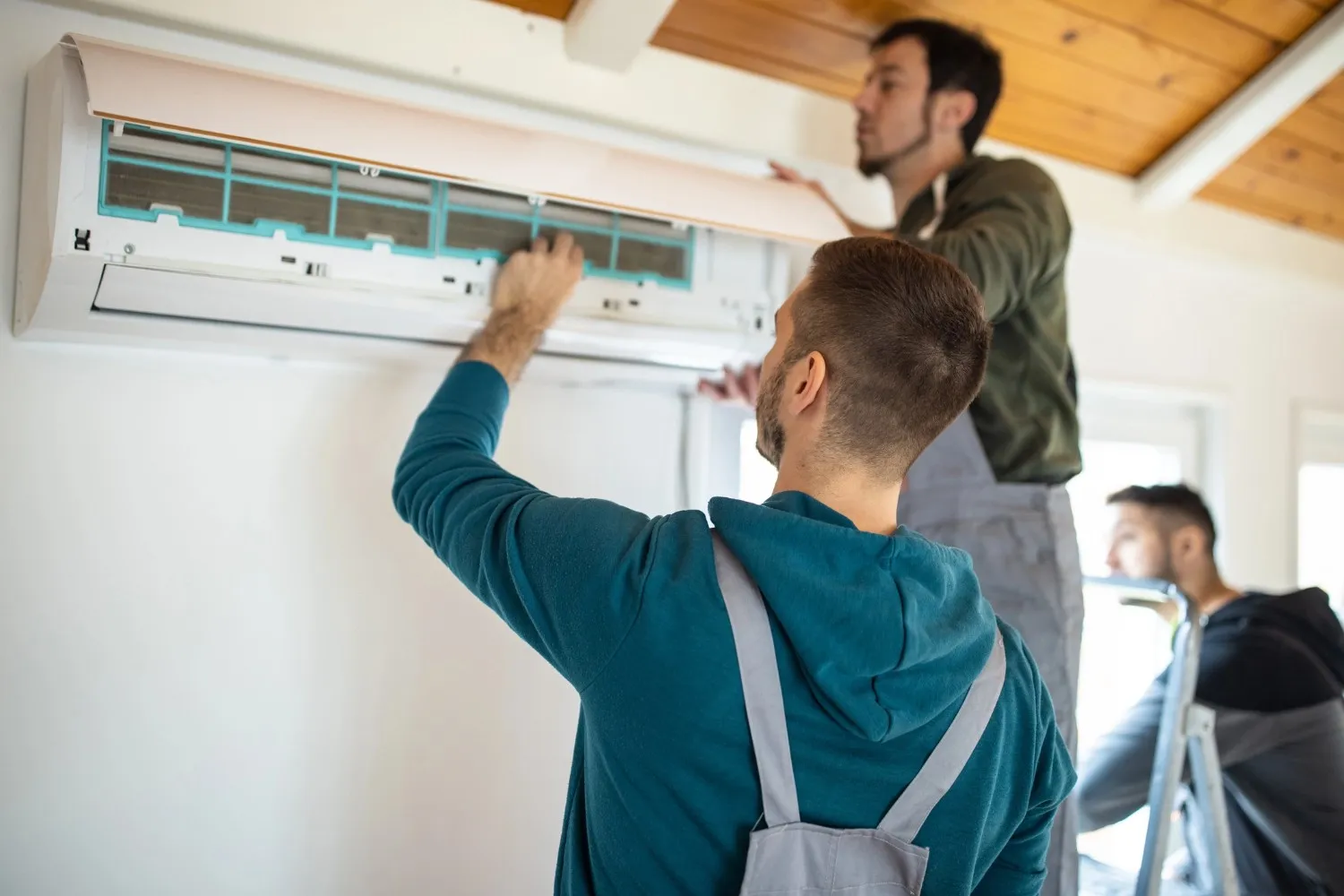
What You Can Expect From Professional HVAC Service
When you book a service appointment, the objective is to restore your comfort immediately while ensuring the long-term health of your equipment. Professional service goes beyond a quick filter change. It involves a deep analysis of the thermodynamic and electrical performance of your unit.
Upon arrival, a technician evaluates the entire system to pinpoint inefficiencies. This includes checking the outdoor condenser unit for debris or damage, inspecting the indoor evaporator coil for airflow restrictions, and testing all electrical connections for safety. Modern HVAC systems rely on complex circuit boards and sensors; a thorough diagnostic process ensures that every component communicates correctly.
Services typically included during a comprehensive visit:
- Electrical Component Testing: Technicians inspect capacitors, contactors, and relays. Worn electrical parts are the leading cause of compressor failure. Testing these components under load reveals if they are within the manufacturer's specified range.
- Refrigerant Charge Verification: Incorrect refrigerant levels reduce cooling capacity and drive up energy bills. Technicians measure subcooling and superheat levels to ensure the charge is precise. If a leak is detected, it is located and repaired before recharging.
- Airflow Analysis: Proper airflow is critical for heat exchange. Static pressure tests reveal if your ductwork is undersized, blocked, or leaking. Improving airflow solves issues with hot or cold spots in different rooms.
- Safety Inspection: For heating cycles, technicians inspect the heat exchanger for cracks, which can leak carbon monoxide. They also verify that gas valves open and close properly and that flue pipes vent exhaust gases safely outside.
- Drainage Cleaning: Condensate drain lines can clog with algae and sediment, leading to water damage in your home. Clearing these lines and testing the condensate pump prevents overflow emergencies.
- Thermostat Calibration: Sometimes the issue is not the equipment but the control center. Calibrating the thermostat ensures that the temperature on the screen matches the actual temperature in the room.
The Service and Repair Process
Understanding the workflow of a service call helps homeowners prepare for the visit — view our FAQs for details. The process is designed to be efficient, transparent, and minimally intrusive to your daily routine.
Scheduling and Arrival:
The process begins with a dispatch notification. You receive a timeframe for the technician’s arrival, eliminating the need to wait around all day. Technicians arrive in fully stocked vehicles, carrying the most common parts required for repair, such as motors, fuses, and sensors. This preparation increases the likelihood of resolving the issue in a single trip.
Diagnostic Phase:
Before picking up a wrench, the technician performs a complete system run-through. They listen for abnormal sounds, smell for electrical burning or gas, and use diagnostic tools to read system pressures and temperatures. This data provides a clear picture of the system's health.
Explanation and Quote:
Once the problem is identified, the technician explains the findings clearly. You are presented with options for repair. If a part needs replacement, you receive a flat-rate quote for the work. There are no surprise fees; work only begins after you approve the scope and price.
Execution of Repairs:
Approved repairs are carried out immediately using OEM or high-quality aftermarket parts. The technician follows industry best practices, such as reclaiming refrigerant responsibly and ensuring all electrical connections are tightened to torque specifications.
System Verification:
After the repair is complete, the system is cycled on to verify performance. The technician measures the temperature split (the difference between the air entering and leaving the system) to confirm that cooling or heating capacity has been restored to factory standards.
Site Cleanup:
The workspace is left exactly as it was found. Old parts, packaging, and debris are removed from your property.
Repair vs. Replacement: Making the Financial Decision
One of the most difficult decisions for a homeowner is knowing when to stop repairing an aging unit and when to invest in a new one. While repairs are often cheaper upfront, frequent breakdowns can make keeping an old unit alive more expensive in the long run.
Organ & Sons Mechanical, Inc. helps homeowners navigate this decision using data rather than guesswork — read our blog for advice. Several factors dictate the most improved financial path.
The 50% Rule:
A general industry standard suggests that if the cost of a necessary repair approaches 50% of the cost of a new system, replacement is the wiser investment. Investing heavily in a dying system often results in throwing good money after bad.
System Age:
Most heat pumps and air conditioners have a lifespan of 10 to 15 years. If your unit is over 12 years old and requires a major component replacement—like a compressor or blower motor—replacement is usually recommended. Newer systems are far more reliable and come with fresh warranties.
Frequency of Breakdowns:
If you have required service calls more than twice in the last year, the system has likely reached the end of its reliable service life. Reliability is a key value; knowing your system will work when you need it is worth the investment.
Energy Efficiency (SEER Ratings):
Older units often have SEER (Seasonal Energy Efficiency Ratio) ratings of 10 or 12. Modern standards require a minimum of SEER2 14.3 in California, with high-efficiency units reaching SEER 20+. Upgrading to a higher efficiency unit can lower monthly utility bills significantly, offsetting the cost of installation over time.
Refrigerant Availability:
Older systems utilize R-22 refrigerant (Freon), which has been phased out and is incredibly expensive to source. If your R-22 system develops a leak, replacement is almost always the only viable option due to the cost of the refrigerant alone. Modern systems use environmentally friendly alternatives like R-410A or R-454B.
Local Considerations for San Luis Obispo Homeowners
Operating HVAC equipment in San Luis Obispo presents unique challenges due to the specific geography and regulatory environment of the Central Coast.
Coastal Corrosion:
Homes located nearer to the coast are subject to salt-laden air. This salinity accelerates corrosion on the outdoor condenser coils and aluminum fins. Local service often involves applying anti-corrosive coatings or recommending specially designed coastal units to prevent premature rot and refrigerant leaks.
The "Marine Layer" Factor:
The frequent fog and marine layer impact humidity levels. An HVAC system in this area must do more than just cool air; it must effectively dehumidify. If a system is oversized (short-cycling), it cools the home too quickly without running long enough to remove moisture, leading to a clammy, uncomfortable indoor environment. Proper sizing and service ensure humidity control is maintained.
Permitting and Code Compliance:
The City of San Luis Obispo and surrounding county areas have strict building codes regarding HVAC alterations. Replacing a furnace or AC unit requires a permit. This ensures that the installation meets safety standards, particularly regarding gas line connections and electrical loads. Professional providers handle the permitting process, ensuring your home remains compliant for insurance and resale purposes.
California Energy Commission Rebates:
California frequently updates its rebate programs to encourage energy efficiency. Upgrading to a heat pump or a high-efficiency gas furnace often qualifies homeowners for significant financial incentives. Professional technicians stay updated on current rebate availability and can provide the necessary documentation to help you claim these funds.
Proper Disposal:
Local sanitation districts have strict rules regarding the disposal of old HVAC units, particularly the refrigerant and heavy metals contained within them. Licensed contractors ensure that old units are hauled away and recycled according to environmental regulations, protecting the local ecosystem.
Why Technical Expertise Matters
In an era of DIY videos, HVAC repair remains a task best left to certified professionals. The systems in your home utilize high-voltage electricity, combustible gases, and high-pressure refrigerants. Mishandling any of these elements poses severe safety risks to the occupants of the home.
Accurate Diagnostics:
Without the proper training, it is easy to misdiagnose a symptom. For example, a frozen evaporator coil might look like a refrigerant issue, but it could easily be caused by a dirty blower wheel or a collapsed duct. Swapping parts without understanding the root cause is expensive and ineffective.
Tooling and Technology:
Modern diagnostics require manometers, psychrometers, and multimeters. Professional technicians invest thousands of dollars in tools that allow them to see what is happening inside the pipes and wires. This precision eliminates the "trial and error" approach.
Warranty Protection:
Most equipment manufacturers require proof of professional maintenance to honor their warranties. Attempting repairs yourself or hiring an unlicensed handyperson can void the warranty on your expensive equipment, leaving you liable for future part failures.
Comprehensive Solutions:
A true professional looks at the house as a system. They assess insulation levels, window seals, and ductwork integrity. Sometimes, the best way to improve comfort isn't fixing the AC, but sealing a leak in the attic ductwork. This holistic approach saves money and improves comfort more effectively than equipment repair alone.
Maintaining a comfortable home in San Luis Obispo requires a partnership with a service provider who understands the local climate and the intricacies of modern mechanical systems. From routine seasonal tune-ups to emergency repairs during a heatwave, reliable service ensures your home remains a sanctuary. Organ & Sons Mechanical, Inc. is committed to delivering the technical excellence and customer service required to keep your system running at peak performance.
Ready to Restore Your Comfort?
Don't let a malfunctioning system compromise your comfort or safety. Whether you need a quick repair, a seasonal inspection, or a full system assessment, professional help is available now.
Contact our team immediately to schedule your HVAC service.
Contact Us