



Need Fast and Reliable HVAC Installation?
Struggling with an outdated or broken HVAC system in varying temperatures makes managing your home comfort impossible. Get quick, effective solutions tailored to San Luis Obispo's climate by scheduling a consultation or applying for financing today.
- Same-day installation services available to ensure immediate comfort.
- Energy-efficient systems designed for optimal performance in Mediterranean climates.
- Free consultation to assess your specific HVAC needs and budget.
All installations are fully licensed and include a comprehensive warranty for peace of mind.
Comprehensive HVAC Installation Solutions
When your heating or cooling system fails, you need a solution that goes beyond a simple quick fix. A full system installation provides the reliability and efficiency required to handle the unique weather patterns found in San Luis Obispo. Homeowners often delay replacement, fearing a long and intrusive process, but modern installation services are designed to be expedited and minimally invasive. The goal is to restore your indoor air quality and temperature control as rapidly as possible, often with options for same-day service availability.
Choosing to install a new unit ensures you receive the latest in climate control technology. Older units struggle to maintain consistent temperatures, leading to hot spots in the summer and drafts in the winter. By upgrading, you gain access to systems that modulate output based on real-time demand, rather than simply blasting air at full capacity. This results in quieter operation, lower humidity levels during the dry summers, and significantly reduced energy consumption.
Included in a professional installation service is a complete assessment of your current infrastructure. This involves more than just swapping out the box outside. It requires inspecting the ductwork for leaks, checking the electrical capacity, and ensuring the refrigerant lines are sized correctly for the new equipment. Organ & Sons Mechanical, Inc. focuses on a holistic approach to installation, ensuring that every component of the system works in harmony to deliver maximum comfort.
What to Expect During Your System Replacement
The installation process is a multi-step operation designed to ensure safety, code compliance, and long-term performance. While the timeline can vary based on the complexity of the home, most residential installations are completed within a single day. The process is broken down into distinct phases to ensure nothing is overlooked.
Site Evaluation and Sizing
- Technicians perform a Manual J load calculation to determine the exact heating and cooling requirements of your specific floor plan.
- Factors such as window orientation, insulation levels, and square footage are analyzed to prevent oversizing or undersizing the unit.
- Existing ductwork is inspected to verify it can handle the airflow of modern, high-efficiency equipment.
Safe Removal of Old Equipment
- The power supply is disconnected, and any remaining refrigerant is reclaimed according to EPA standards to prevent environmental contamination.
- The old condenser and air handler are removed carefully to avoid damage to your property or landscaping.
- Debris and old components are hauled away for proper disposal or recycling.
Installation of New Components
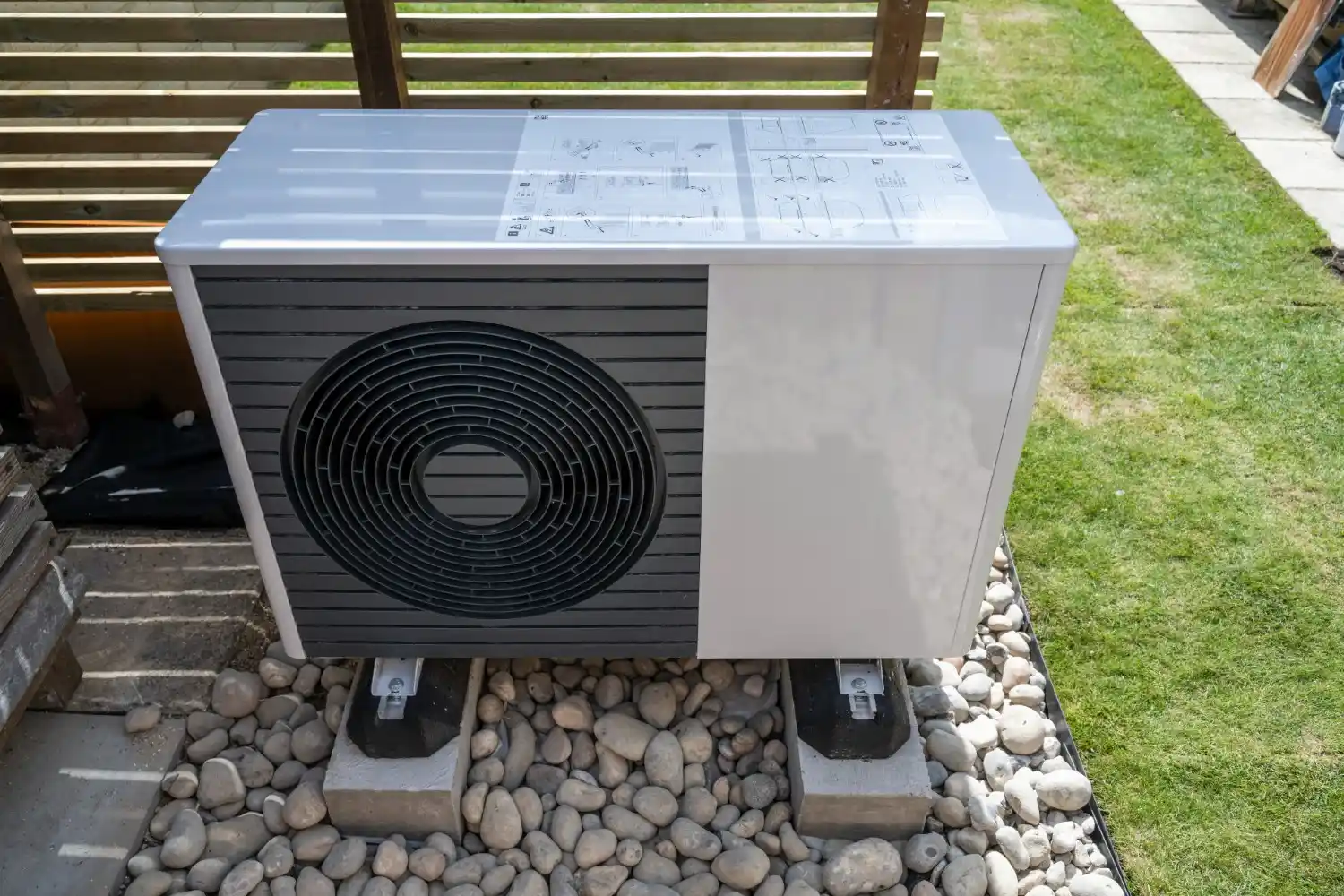
- The new outdoor condenser is positioned on a level pad to ensure proper drainage and vibration isolation.
- The indoor air handler or furnace is secured, and connections are made to the existing plenum.
- New refrigerant lines are run if necessary, or existing lines are flushed and pressure-tested to ensure they are free of leaks.
Commissioning and Testing
- The system is charged with the correct amount of refrigerant based on the manufacturer’s subcooling and superheat specifications.
- Airflow is measured to ensure static pressure falls within the recommended range for the equipment.
- Thermostats are calibrated and programmed to match your lifestyle preferences.
Determining When to Replace vs. Repair
Deciding between repairing an aging unit and investing in a new installation is a common dilemma for homeowners. While a repair might seem cheaper upfront, it is often a temporary solution that leads to higher costs over time. Understanding the decision criteria helps you make a financially sound choice.
The 50% Rule
- If the cost of the repair approaches 50% of the value of a new system, replacement is generally the better option.
- As systems age, major components like compressors and heat exchangers become prone to failure. Spending significant money to fix one part does not guarantee that another major part won't fail shortly after.
System Age and Efficiency
- Heat pumps and air conditioners typically have a lifespan of 10 to 15 years. If your equipment is in this age range and requires frequent repairs, it is nearing the end of its useful life.
- Older units often utilize R-22 refrigerant, which has been phased out. Repairs involving R-22 are prohibitively expensive due to scarcity.
- New systems have higher SEER2 (Seasonal Energy Efficiency Ratio) ratings. Replacing a 10 SEER unit with a modern 16+ SEER unit can reduce energy bills significantly, offsetting the monthly cost of financing a new system.
Comfort and Air Quality Issues
- If your home has humidity issues, excessive dust, or uneven heating and cooling despite repairs, the system design may be flawed or the unit may be failing.
- New installations often include upgraded filtration and humidity control capabilities that older systems lack.
Local Climate Considerations and Compliance
San Luis Obispo presents a specific set of challenges and requirements for HVAC installations. The Mediterranean climate means that systems must be capable of handling warm, dry summers while also providing efficient heating during mild but chilly winters. This dual demand often makes heat pumps an excellent choice for the region, as they provide both heating and cooling from a single unit.
Regional Weather Impact
- Coastal Influence: Properties closer to the coast may experience salt air corrosion. This requires equipment with specialized coatings on the condenser coils to prevent premature rust and failure.
- Diurnal Temperature Variation: The region often sees significant temperature drops from day to night. Systems must be responsive enough to switch from cooling to heating or idle modes efficiently without wasting energy.
Permitting and Title 24 Compliance
- California has some of the strictest energy codes in the country. Title 24 compliance is mandatory for HVAC alterations and replacements.
- Permits are required for all major installations. This ensures that the work meets safety standards regarding electrical connections, gas piping, and venting.
- Duct testing is frequently required during replacement to ensure leakage does not exceed allowable limits (typically 15% or less).
- Using a licensed provider ensures that all paperwork, HERS (Home Energy Rating System) testing, and final inspections are handled correctly, protecting your home’s value and insurance validity.
Utility Rebates and Incentives
- Local utility providers often offer rebates for upgrading to high-efficiency electric heat pumps or smart thermostats.
- These financial incentives are designed to reduce the load on the electrical grid and can significantly lower the net cost of a new installation.
Why Professional Sizing and Installation Matters
The most important day in the life of an HVAC system is the day it is installed. Even the highest-rated brand of equipment will fail to perform if it is installed incorrectly. Professional installation ensures that the equipment delivers the efficiency and longevity promised by the manufacturer.
Avoiding the Oversizing Trap
- Many amateur installers simply replace the old unit with one of the same size, assuming the original was correct. However, many homes have had insulation upgrades or window replacements that reduce the heating and cooling load.
- An oversized unit will cool the house too quickly, shutting off before it has removed the humidity. This leads to "short-cycling," which wears out the compressor and results in a clammy, uncomfortable indoor environment — read our blog for more insights.
- Professional load calculations ensure the unit runs long enough to dehumidify the air properly while maintaining a steady temperature.
Ductwork Integrity
- Connecting a new, high-performance unit to old, leaky ductwork is like putting a sports car engine in a rusted frame. You lose the performance you paid for.
- Professionals inspect the distribution system to ensure that the conditioned air actually reaches the rooms it is intended for, rather than leaking into the attic or crawlspace.
Warranty Protection
- Manufacturers require proof of professional installation to honor warranties. DIY or unlicensed work typically voids the parts and labor warranty immediately.
- A proper installation includes registering the equipment with the manufacturer, ensuring that you are covered for the full term, which is often 10 years for parts.
Securing Your Home Comfort
Investing in a new heating and cooling system is about securing the comfort and safety of your home for the next decade or longer. It requires technical precision, knowledge of local codes, and an understanding of the specific climate challenges in the area. From selecting the right SEER rating to ensuring the refrigerant charge is precise, every detail matters in maximizing your return on investment.
A new system brings immediate benefits: lower energy bills, reduced noise, and consistent temperatures throughout the home. It eliminates the anxiety of sudden breakdowns during a heatwave and ensures your family breathes cleaner, properly filtered air. Trusting this process to experienced professionals guarantees that the transition is smooth, code-compliant, and tailored to your specific needs. Organ & Sons Mechanical, Inc. is dedicated to providing high-quality installation services that stand the test of time.
Take the next step toward a comfortable and energy-efficient home. Schedule your system assessment today.
Contact Us