



Emergency HVAC Repair in San Luis Obispo, CA
Emergency HVAC Repair in San Luis Obispo, CA
Immediate Solutions for Emergency HVAC Issues
When your heating or cooling system fails without warning, it can disrupt your comfort and safety. Don’t wait—one call can bring you quick, reliable emergency HVAC repairs; contact us immediately or inquire about our financing options to get your system running again.
- Immediate response, typically arriving within hours.
- Equipped and ready to repair all major HVAC brands and models.
- Clear, upfront pricing with no hidden fees.
Licensed and insured, with satisfaction guaranteed – your comfort is our priority.
Living in San Luis Obispo, CA, means enjoying a relatively mild climate, but when the temperatures spike into the 90s during summer or dip into the mid-60s during a wet winter, your HVAC system becomes essential. A sudden breakdown is not just an inconvenience; it can pose health risks to vulnerable family members and potential damage to your home infrastructure. Whether it is a furnace failing during a February rainstorm or an air conditioner seizing up during a July heatwave, the need for professional intervention is urgent.
Organ & Sons Mechanical, Inc. provides comprehensive emergency diagnostics and repair services designed to restore your home's climate control swiftly. We understand that mechanical failures rarely happen at convenient times. Our technicians are deployed with fully stocked vehicles to address the problem immediately, minimizing downtime and restoring the environment inside your home to a safe and comfortable level.
Fast Repair Service You Can Depend On
When an HVAC system goes down, homeowners need to know exactly what services are available to them immediately. Emergency repair is distinct from routine maintenance; it focuses on triaging the system, identifying the critical failure, and implementing a fix that restores functionality instantly.
Identifying True HVAC Emergencies
Not every noise or rattle constitutes an emergency, but specific scenarios require immediate professional attention to prevent further damage or safety hazards.
- Total System Failure: If the unit refuses to turn on during extreme weather conditions, the interior temperature can rise or fall to unsafe levels rapidly.
- Gas Leaks: If you smell sulfur or rotten eggs near your furnace, this indicates a gas leak. This requires immediate shut-off and professional repair to prevent fire or health hazards.
- Electrical Burning Smells: Acrid odors coming from vents suggest wiring issues or motor overheating, which are fire risks.
- Water Leaks: Excessive water leaking from an AC unit or heat pump can damage drywall, flooring, and ceilings if not stopped immediately.
- Loud Screeching or Banging: These sounds often indicate a catastrophic mechanical failure, such as a blower motor seizing or a connecting rod breaking.
What Is Included in Emergency Service
Our emergency protocol is designed for speed and accuracy. When a technician arrives at a property in San Luis Obispo, the focus is on the following deliverables:
- Comprehensive Safety Inspection: Before attempting repairs, the technician ensures the unit is safe to operate, checking for carbon monoxide leaks, electrical shorts, or refrigerant hazards.
- Fault Isolation: Using advanced diagnostic tools, we pinpoint the exact component causing the failure—whether it is a failed capacitor, a broken compressor, or a faulty thermostat.
- Immediate Repair Implementation: Because trucks are stocked with universal parts and common OEM components, most repairs are completed on the first visit.
- System Testing: The job is not done until the system has cycled through a full operation to verify that the fix is stable and the unit is cooling or heating correctly.
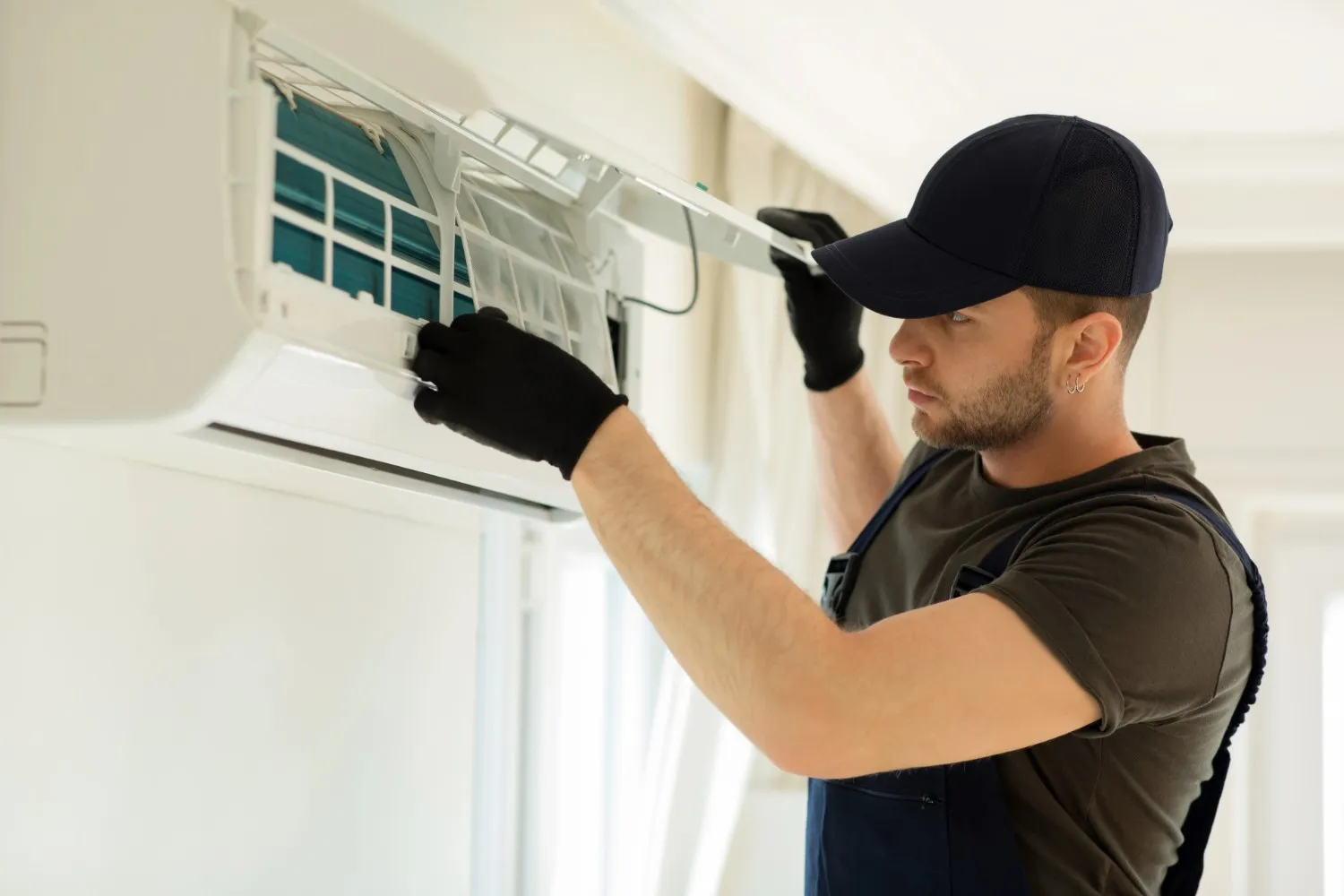
Understanding Our Emergency Repair Process
Transparency reduces the stress associated with emergency home repairs. We follow a strict, standardized process to ensure every repair is performed correctly and according to code. This systematic approach ensures that nothing is overlooked, from the initial diagnostic to the final quality check.
Dispatch and Arrival
Your request is prioritized based on urgency. A technician is dispatched to your location with the necessary tools and equipment. upon arrival, the technician will respect your property, wearing shoe covers and using drop cloths where necessary.
Diagnostic Assessment
The technician performs a series of tests to determine the root cause of the breakdown. This involves checking refrigerant levels, testing electrical voltage and amperage, inspecting the heat exchanger for cracks, and verifying thermostat communication.
Explanation and Authorization
Once the issue is identified, the technician explains the problem clearly, avoiding jargon. You are presented with the repair options and the associated costs upfront. Work only begins after you have reviewed and approved the scope of work.
Execution of Repairs
The technician proceeds with the approved repair. This may involve replacing a contactor, unclogging a condensate drain line, brazing a refrigerant line, or replacing a flame sensor. All work is performed to manufacturer specifications to protect existing warranties.
Verification and Cleanup
After the repair is complete, the system is forced to run for a set period to monitor performance. We check temperature differentials (the difference between supply and return air) to ensure efficiency. Finally, the work area is cleaned, and all debris is removed.
Deciding Between Repair and Full Replacement
One of the most difficult decisions a homeowner faces during an emergency breakdown is whether to invest in a repair or opt for a full system replacement. This decision typically happens under pressure, so having a clear framework for evaluation is helpful. At Organ & Sons Mechanical, Inc., we help you weigh the variables objectively — visit our FAQs for more help.
The 50% Rule
A general guideline in the HVAC industry is the 50% rule. If the cost of the repair approaches 50% of the value of a new system, replacement is usually the wiser financial choice. However, this is not the only factor.
Age of the Equipment
HVAC systems generally last between 10 and 15 years.
- Under 10 Years: If the system is relatively new and well-maintained, repair is almost always the best option unless the compressor or heat exchanger has failed.
- Over 15 Years: Systems of this age are living on borrowed time. Parts may be obsolete or expensive to source. Even if fixed, another component is likely to fail soon.
Refrigerant Type
Older air conditioning units often use R-22 refrigerant (Freon), which has been phased out due to environmental regulations.
- R-22 Availability: Sourcing R-22 is becoming increasingly difficult and prohibitively expensive.
- Modern Standards: Newer systems use R-410A or other eco-friendly refrigerants. If an older R-22 unit has a refrigerant leak, it is often more cost-effective to upgrade to a modern, compliant system rather than paying for expensive, scarce refrigerant.
Frequency of Breakdowns
If you have required emergency service more than once in the last two years, the system is likely unreliable. Recurring repair costs can quickly exceed the monthly payment of a financed new system. A new installation also brings the peace of mind of a new warranty, eliminating the fear of sudden expenses.
Efficiency Considerations
Older systems have much lower SEER (Seasonal Energy Efficiency Ratio) ratings compared to modern units. Replacing a 10 SEER unit with a 16 SEER unit can result in significant savings on monthly energy bills. These savings can offset the cost of installation over time.
Local Permitting and Seasonal Considerations for SLO
Operating in San Luis Obispo requires specific knowledge of local codes and regional climate patterns. The coastal influence combined with inland geography creates a unique environment for HVAC systems.
Addressing the Wet Season
From November to March, the region sees the majority of its rainfall. February is typically the wettest month.
- Moisture Issues: High humidity and direct rainfall can cause outdoor units to rust or corrode if not properly protected. Electrical connections in outdoor condensers are particularly vulnerable during these months.
- Drainage: Proper condensate drainage is critical. During the rainy season, the ground can become saturated, and if the condensate line drains improperly, it can back up into the house.
Coping with Dry Summers
While summers are generally warm and dry, heat spikes are common.
- Thermal Load: Homes in the area must be able to handle rapid temperature increases. Systems that are undersized will run continuously without reaching the set temperature, leading to premature wear on the compressor.
- Wildfire Smoke: The dry season also brings the risk of wildfires. Smoke and ash can clog outdoor condenser coils and ruin indoor air filters rapidly. Emergency maintenance often involves deep cleaning these components to restore airflow and efficiency.
Permitting and Regulations
HVAC work in California is strictly regulated to ensure energy efficiency and safety.
- Title 24 Compliance: California’s Title 24 energy standards are some of the most rigorous in the nation. Any significant alteration, such as replacing a furnace or AC unit, triggers these requirements. This may involve duct testing to ensure leakage is below a certain percentage.
- Permit Requirements: Emergency repairs that involve replacing major components or entire units usually require a building permit from the local municipality. Professional contractors handle the application and inspection process to ensure the homeowner is not liable for unpermitted work. Failing to pull permits can complicate future home sales and void manufacturer warranties.
Why Trust Us? Our Commitment to Quality and Community
Selecting a service provider for emergency repairs requires trust. You need a team that possesses the technical expertise to diagnose complex issues and the integrity to recommend the right solution, not just the most expensive one.
Certified Technical Expertise
Modern HVAC systems are complex machines involving advanced electronics, high-pressure gases, and combustion. Our technicians undergo rigorous training and hold certifications that validate their ability to work on these systems safely. We stay updated on the latest diagnostic technologies and repair techniques for inverter-driven compressors, smart thermostats, and variable-speed blowers.
Tooling and Preparation
Efficiency in an emergency comes from preparation. Our service vehicles are essentially mobile warehouses. By carrying a vast inventory of capacitors, relays, control boards, and motors, we reduce the need to leave the job site to fetch parts. This "one-trip" philosophy saves you time and ensures your comfort is restored faster.
Integrity in Diagnostics
We believe in evidence-based repair. When we recommend a fix, we show you exactly why it is needed. Whether it is a multimeter reading showing a bad capacitor or a visual check of a cracked heat exchanger, you will understand the "why" behind the service. We do not upsell unnecessary accessories during a crisis; our focus is strictly on resolving the emergency at hand.
Long-Term Reliability
A quick fix should not be a temporary patch. We use high-quality parts that meet or exceed OEM specifications. Our repairs are backed by warranties that protect your investment. When we leave your home, you can be confident that the system is stable and reliable.
Call Now
Organ & Sons Mechanical, Inc. is dedicated to serving the San Luis Obispo community with professional, high-quality HVAC solutions. We understand the local climate, the local codes, and the needs of local homeowners. When your system fails, you need a partner who acts fast and works hard to earn your satisfaction.
Do not let a broken HVAC system compromise your safety or comfort. Contact us today to schedule your emergency service.
Contact Us