



Stop Overpaying to Cool Empty Rooms with Inefficient Systems
Tired of battling inconsistent temperatures and skyrocketing utility bills while trying to keep your home comfortable? A ductless AC system provides a targeted, energy-efficient solution that eliminates the energy loss associated with traditional ductwork, giving you precise control over your indoor climate. Call Organ & Sons Mechanical, Inc. today to schedule your site assessment or apply for our flexible financing options.
For homeowners in Arroyo Grande, switching to a ductless mini-split system solves several cooling challenges simultaneously.
- Achieve precise, room-by-room temperature control to eliminate hot spots.
- Drastically reduce installation complexity and ongoing maintenance costs compared to central air.
- Create a peaceful home environment with whisper-quiet operation and improved air quality.
All installations are fully code-compliant, backed by extensive manufacturer warranties, and supported by financing plans to fit your budget.
Comprehensive Ductless Cooling Solutions Available Today
When you invest in a ductless mini-split system, you are purchasing a versatile climate control solution designed for the specific architectural and climate needs of the Central Coast. Unlike central air conditioning, which relies on a network of ducts that can leak up to 30% of conditioned air, ductless systems deliver air directly into the zones where you need it most.
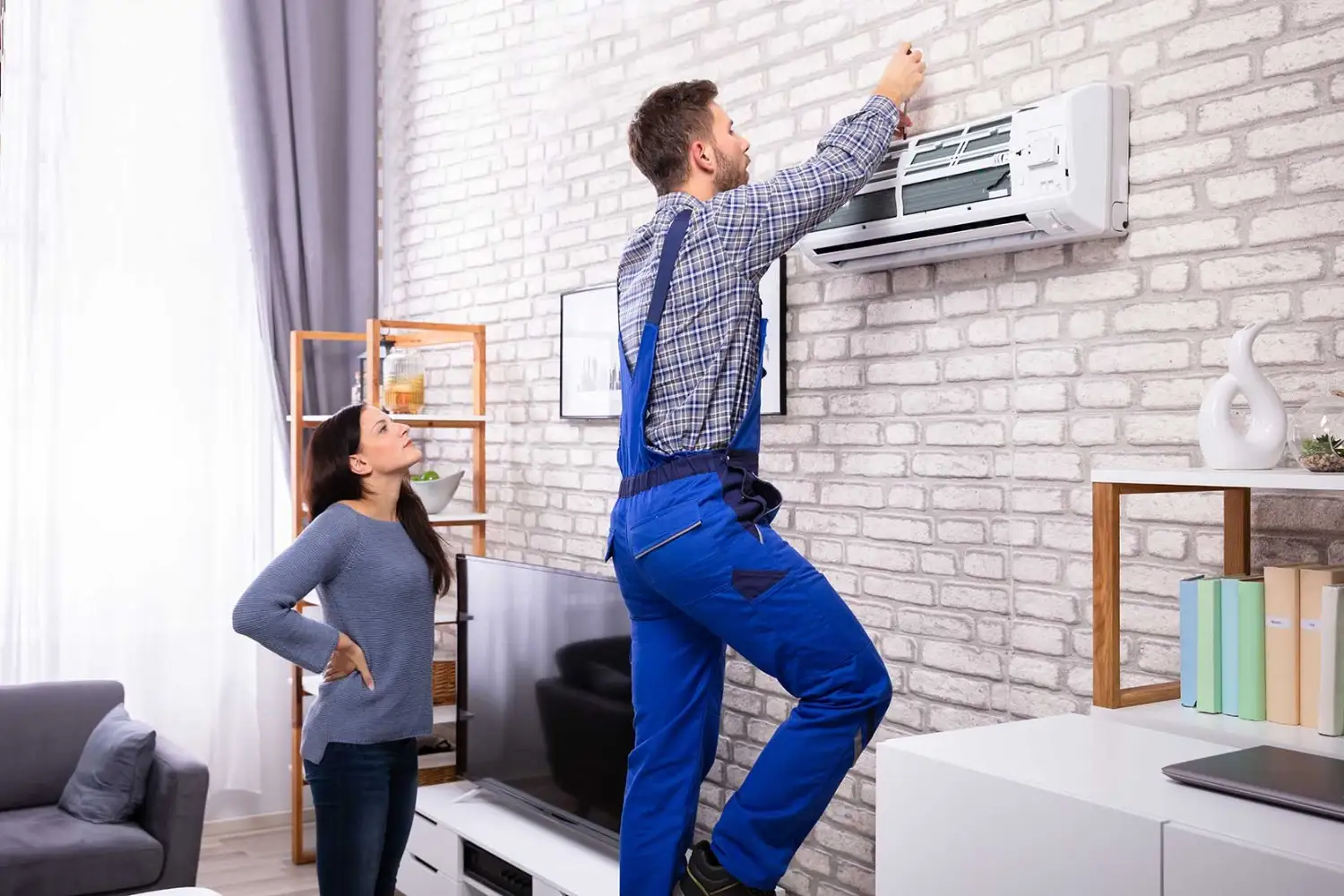
Organ & Sons Mechanical, Inc. provides systems that include an outdoor compressor/condenser and one or more indoor air-handling units. These components are connected by a conduit housing the power cable, refrigerant tubing, and a condensate drain. This setup allows for a minimally invasive installation that preserves the aesthetic and structural integrity of your home.
Scope of Installation
The installation scope for a standard ductless system is significantly less disruptive than retrofitting a home with ducts.
- Hardware Selection: You receive a high-efficiency outdoor unit and indoor handlers matched to the square footage of your specific rooms.
- Zoning Capabilities: Systems can be configured as single-zone (one outdoor unit to one indoor unit) or multi-zone (one outdoor unit connecting up to eight indoor units), allowing different rooms to be set to different temperatures.
- Control Systems: Modern units come with handheld remote controls and wall-mounted thermostats. Many are Wi-Fi enabled, allowing control via smartphone apps to adjust temperatures before you arrive home.
Timeline and Expectations
Speed is a major advantage of going ductless.
- Assessment: A technician evaluates the cooling load requirements based on room size, insulation levels, and sun exposure.
- Installation: Most single-zone installations are completed in a single day. Multi-zone systems may require two days depending on the complexity of the line set runs.
- Immediate Use: Once the system is pressure-tested and charged, it is ready for immediate operation. There is no waiting period for drywall repair or duct sealing.
The Technical Process of Installing a Ductless System
Understanding the installation process helps homeowners prepare for the work and ensures confidence in the structural modifications required. The procedure is straightforward but requires licensed precision to ensure efficiency and warranty compliance.
Site Preparation and Sizing
Before any equipment is mounted, accurate load calculations are performed. This step is critical. An undersized unit will run constantly, failing to cool the space and driving up electric bills. An oversized unit will short-cycle, turning on and off too frequently, which fails to dehumidify the room properly and wears out the compressor.
- Technicians measure the cubic footage of the target zone.
- Assessment of window placement and insulation quality informs the British Thermal Unit (BTU) requirements.
- The location for the indoor unit is selected to ensure optimal airflow distribution and accessibility for filter cleaning.
Mounting the Indoor Unit
The indoor air handler must be mounted securely to an interior or exterior wall.
- A mounting plate is leveled and secured to the wall studs to support the unit’s weight.
- The unit is typically placed high on the wall, at least six feet from the floor, to allow cool air to settle naturally into the room.
- Clearances are checked to ensure the unit is not blocked by furniture or curtains.
establishing the Connection Pathway
A small, three-inch hole is drilled through the wall behind the indoor unit to route the necessary lines to the outside.
- This hole is drilled at a slight downward angle to the exterior to ensure proper drainage of condensate water.
- A sleeve is inserted to protect the lines and seal the opening.
- The refrigerant lines, drain tube, and control wiring are bundled and passed through this conduit.
Setting the Outdoor Condenser
The outdoor unit houses the compressor and requires a stable foundation.
- The unit is placed on a concrete pad or mounted to the side of the house using heavy-duty brackets.
- Location is chosen to minimize noise transfer to bedrooms and to ensure adequate airflow around the coil.
- In coastal areas like Arroyo Grande, positioning is also considered to minimize direct exposure to salt spray where possible, though modern units are built to withstand the elements.
Final Connections and Commissioning
The final steps involve connecting the mechanical and electrical components.
- Refrigerant lines are flared and connected to both units.
- The system is pressure-tested with nitrogen to check for leaks.
- A vacuum pump removes moisture and air from the lines before the refrigerant is released.
- Electrical connections are finalized, often requiring a dedicated circuit and a disconnect box near the outdoor unit.
- The system is powered on, and technicians verify the temperature differential between intake and output air.
When Replacement or New Installation Beats Repair
Homeowners often debate between repairing an existing window unit, extending an old central system, or installing a new ductless system. There are specific scenarios where a new ductless installation is the only logical financial decision.
Renovations and Additions
If you are adding a room, converting a garage, or finishing a basement, extending existing ductwork is often cost-prohibitive or physically impossible due to space constraints.
- Ductless units provide independent cooling for the new space without overloading the existing central HVAC system.
- They avoid the need for bulkheads or dropped ceilings to hide new ducts.
Replacing Window Units
Window air conditioners are noisy, inefficient, and pose a security risk by leaving windows unlocked or easily accessible.
- Ductless systems are permanently installed and require only a small hole, maintaining home security.
- They operate much quieter than window units, as the noisy compressor is located outside.
- The efficiency rating (SEER) of a ductless unit is significantly higher, leading to lower monthly operational costs.
Aging Central Systems in Segmented Homes
In older homes with closed-off floor plans, central air is often inefficient because it forces the system to cool unoccupied rooms to make occupied rooms comfortable.
- If your central system is over 15 years old and facing a major repair (like a compressor failure), switching to a multi-zone ductless setup allows for "zoning."
- Zoning lets you stop cooling the guest room or dining room when they are not in use, directing your energy budget only toward the living room or master bedroom.
Critical Local Considerations for Arroyo Grande
Installing HVAC equipment in California involves specific regulatory and environmental considerations. Compliance with these local factors ensures the system operates legally and efficiently.
Permitting and Title 24 Compliance
Any permanent HVAC alteration requires a building permit. This ensures the installation meets safety codes regarding electrical connections and structural integrity.
- California’s Title 24 energy standards mandate specific efficiency ratings for new equipment. Ductless systems generally exceed these standards easily.
- Licensed contractors handle the permitting process, ensuring that the installation passes final inspection by local building officials.
Electrical Infrastructure
Many older homes in the area may not have adequate space in their electrical panel for the new equipment.
- A dedicated circuit is required for the ductless system to prevent overloading household wiring.
- An electrical upgrade or the addition of a sub-panel may be necessary if the current service panel is full.
- An external disconnect switch must be installed within sight of the outdoor unit for safety during maintenance.
Coastal Climate Factors
While the weather is generally mild, the marine influence requires specific equipment care.
- Outdoor units are exposed to salt air, which can accelerate corrosion on standard coils.
- Selecting units with anti-corrosive coatings on the fins and coils extends the lifespan of the hardware.
- The mild winters mean that heat pump models (which reverse the cycle to provide heating) are an excellent primary heat source, eliminating the need for gas furnaces in many zones.
Inverter Technology and Energy Efficiency
The core technology that drives the efficiency of modern ductless systems is the inverter-driven compressor. Understanding this technology clarifies why these systems are worth the investment compared to traditional "on/off" systems.
Variable Speed Operation
Traditional AC compressors run at 100% capacity until the thermostat hits the target temperature, then they shut off completely. When the temperature rises, they blast back on at 100%. This is energy-intensive and creates temperature swings.
- Inverter compressors ramp up or down to match the cooling demand.
- Once the room reaches the desired temperature, the motor slows down to maintain that temperature rather than shutting off.
- This results in a stable indoor climate and significantly reduced electricity consumption.
High SEER Ratings
Seasonal Energy Efficiency Ratio (SEER) measures cooling efficiency. The higher the number, the less energy the unit uses to cool your home.
- Federal standards require a minimum SEER, but ductless systems often far exceed these minimums, frequently reaching ratings of 20 to 30 SEER.
- High SEER units may qualify for local utility rebates or federal tax credits, offsetting the initial installation cost.
Maintenance Requirements for Longevity
To protect your investment and ensure warranty coverage, regular maintenance is required. Ductless systems have specific needs due to their compact design and high airflow.
Air Filter Cleaning
Unlike central systems with one large filter, each indoor ductless unit has its own mesh filters.
- These filters trap dust and allergens and must be cleaned regularly—typically once a month during heavy use.
- Clogged filters restrict airflow, reducing cooling capacity and forcing the blower motor to work harder.
Coil and Condensate Line Maintenance
The moist environment inside the indoor unit can promote mold growth if not maintained.
- Annual professional cleaning involves flushing the condensate drain line to prevent algae buildup and water backups.
- The evaporator coils are deep-cleaned to ensure efficient heat transfer.
- Refrigerant levels are checked to ensure the system is not leaking, which is vital for environmental safety and system performance.
Differentiators in Professional Installation
Choosing the right contractor is as important as choosing the brand of equipment. Improper installation is the leading cause of premature system failure.
Precision Sizing and Placement
A professional assessment goes beyond guessing. It involves calculating the thermal envelope of the home.
- Organ & Sons Mechanical, Inc. ensures that units are sized correctly for the specific heat load of Arroyo Grande summers.
- Placement is strategic to ensure airflow reaches the occupants without creating uncomfortable drafts.
Clean and Secure Installation
The quality of the finish work matters.
- Line sets are covered in durable line hide covers that match the home’s exterior, rather than leaving exposed tubing.
- Wall penetrations are sealed tightly to prevent drafts, moisture intrusion, and pest entry.
- The work area is left clean, with all debris and packaging removed.
Warranty Registration and Support
Authorized installers ensure that the equipment is registered with the manufacturer to activate the full warranty period.
- Labor warranties provide additional peace of mind, covering the cost of service calls if an issue arises shortly after installation.
- Support includes a walkthrough of the remote control functions and advice on the most efficient settings for the local climate.
Financing and Rebates
Upgrading your home comfort system is a significant investment. Professional HVAC companies offer financing solutions that allow homeowners to pay for the system over time while immediately benefiting from lower energy bills.
- Technicians can assist in identifying available rebates from local utility providers for installing high-efficiency heat pump systems.
- Transparent proposals outline all costs upfront, including permits, labor, and equipment, so there are no surprises.
Take Control of Your Home Comfort
Living with hot spots, noisy window units, or inefficient central air is a choice, not a necessity. A ductless AC installation offers a modern, scalable, and highly efficient way to cool your home, specifically tailored to the unique layout of your property and the local climate conditions. Whether you are cooling a single bedroom, a new addition, or an entire home, the technology exists to deliver comfort without the renovation headache.
Ensure your home remains a sanctuary against the heat. Contact Organ & Sons Mechanical, Inc. today to discuss your cooling needs and secure a system that delivers performance and savings for years to come.
Contact Us