



Is Your Home Ready for a Comfort Upgrade?
Relying on an aging or inefficient HVAC system during the damp winters and foggy summers common to Arroyo Grande can result in inconsistent temperatures and skyrocketing utility bills. If your current system struggles to keep up with the coastal climate, contact us to schedule an assessment or inquire about our financing options.
Homeowners frequently ignore the warning signs of a failing system until a breakdown occurs, often during the peak of the heating or cooling season. Transitioning to a modern heat pump solves these comfort issues by providing a single, efficient solution for both heating and cooling. At Organ & Sons Mechanical, Inc., we specialize in sizing and installing systems that handle the specific atmospheric demands of the California coast.
- Achieve reliable heating and cooling capability from a single unit all year round.
- Reduce your monthly energy expenditure by switching to high-efficiency heat transfer technology.
- Experience a professional, hassle-free installation process that respects your property.
All installations are fully licensed and conducted by certified technicians, ensuring strict compliance with local building codes and Title 24 regulations.
Why Modern Heat Pumps Are a Smart Choice
Heat pumps have become the preferred HVAC solution for coastal California due to their versatility and energy efficiency. Unlike traditional furnaces that burn fuel to generate heat, a heat pump moves heat from one place to another. In the summer, it acts exactly like an air conditioner, extracting heat from your home and releasing it outdoors. In the winter, the process reverses; the system extracts ambient heat from the outside air—even in cold temperatures—and transfers it inside.
This technology is particularly effective in regions with Mediterranean climates. Since the winters here are mild and wet rather than freezing, heat pumps operate at peak efficiency without the need for excessive backup heating sources. This transfer method requires significantly less energy than creating heat via combustion or electric resistance, leading to lower operational costs.
Furthermore, modern systems utilize variable-speed compressors. Older systems typically run at full capacity until the thermostat setting is reached and then shut off, leading to temperature swings and high energy consumption. Variable-speed units adjust their output to maintain a constant temperature, running longer at lower speeds. This not only keeps the home consistently comfortable but also provides better humidity control—a critical factor when dealing with the heavy marine layer and fog often present in the area.
What to Expect from Your Heat Pump Installation
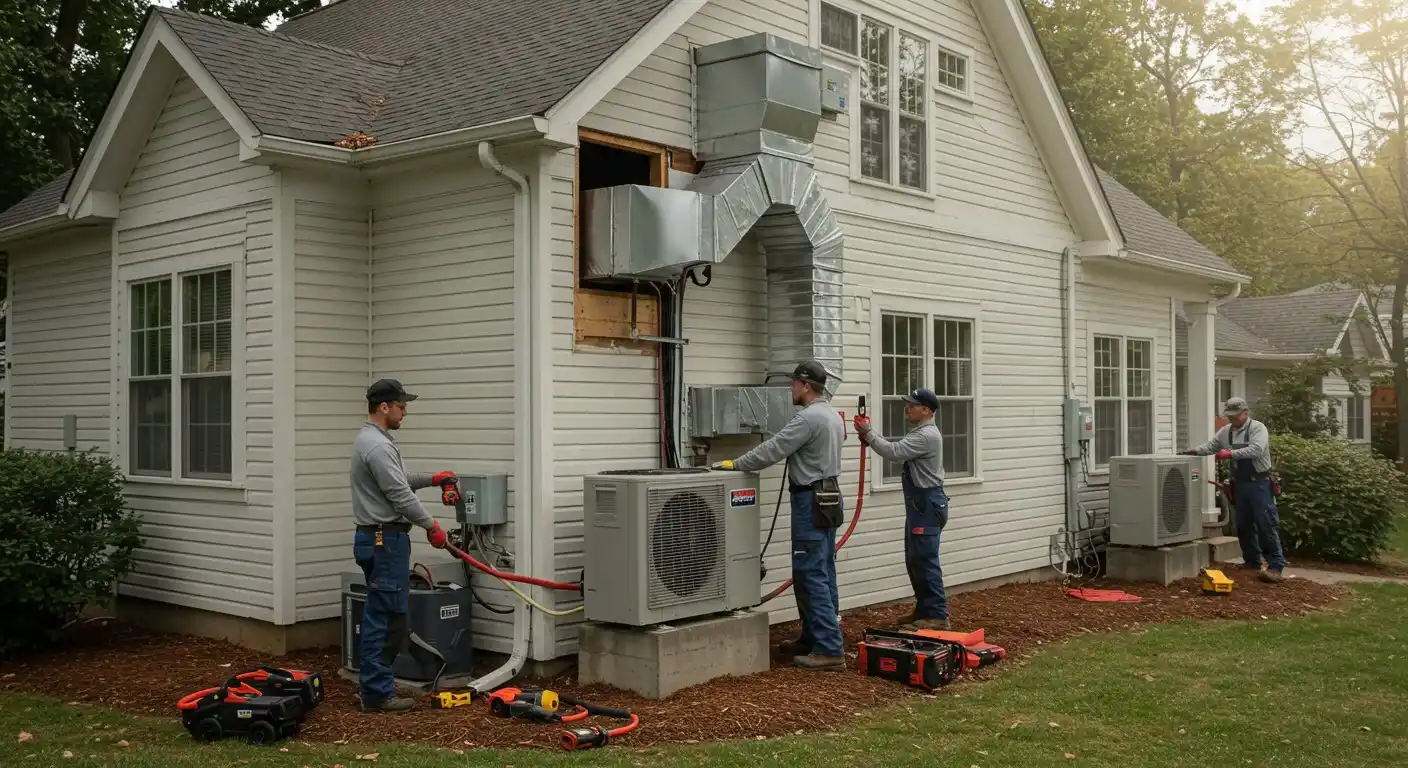
Investing in a new HVAC system involves more than just swapping out a box; it requires a comprehensive approach to ensure the new unit performs according to manufacturer specifications. When you move forward with an installation, the project is managed to minimize disruption while maximizing system longevity.
The scope of work generally includes:
- Site Assessment and Sizing: Technicians perform a load calculation (Manual J) to determine the exact heating and cooling requirements of your specific floor plan. Oversized units cycle too frequently, while undersized units run constantly without reaching the set temperature.
- System Removal and Disposal: The existing furnace, air conditioner, or heat pump is safely disconnected. Refrigerant is recovered according to EPA guidelines to prevent environmental contamination, and the old equipment is hauled away for proper recycling.
- Infrastructure Inspection: The existing ductwork and electrical systems are evaluated. If the ducts are leaking or undersized, they may need sealing or modification to handle the airflow of the new heat pump. Electrical panels are checked to ensure they can support the amperage of the new equipment.
- Installation Timeline: Most residential replacements are completed within one to two days. Complex installations requiring significant ductwork modification or zoning systems may take slightly longer.
Our Heat Pump Installation Process: Step-by-Step
A precise installation protocol is the difference between a system that lasts 15 years and one that fails in five. We adhere to a rigorous checklist to ensure every component is integrated correctly.
- Workspace Preparation: Technicians lay down drop cloths and protective coverings to safeguard your flooring and furniture. The work area is cleared to ensure safe access to indoor and outdoor installation points.
- Indoor Unit Placement: For split systems, the air handler or furnace (if dual fuel) is positioned and leveled. Proper leveling is essential for drainage and vibration reduction. If installing a ductless mini-split, the wall-mounted heads are secured to backing plates with precise clearances for airflow.
- Outdoor Unit Setup: The condenser is placed on a composite or concrete pad. In coastal areas, we pay special attention to location to minimize exposure to direct salt spray where possible, and ensure the unit is elevated enough to allow for proper drainage during defrost cycles.
- Refrigerant Line Connection: Copper refrigerant lines connect the indoor and outdoor units. These lines are brazed with nitrogen flowing through them to prevent oxidation inside the pipe, a critical step that prevents future compressor failure.
- Electrical and Control Wiring: High-voltage wiring is connected to the disconnect box and the unit, while low-voltage wiring is run to the thermostat and control board.
- Vacuum and Charge: Once lines are connected, a vacuum pump removes all moisture and air from the system. This is verified with a micron gauge. The system is then charged with the precise amount of refrigerant required by the manufacturer.
- Commissioning and Testing: The system is powered on and tested in both heating and cooling modes. Technicians measure static pressure, temperature split, and airflow to verify performance benchmarks.
Deciding Between Heat Pump Repair and Replacement
Homeowners often grapple with the decision to repair an existing system or invest in a new one. While repairs can resolve immediate issues, there is a tipping point where replacement becomes the more financially sound decision.
Consider replacement if your situation aligns with these factors:
- Age of the System: If your heat pump or air conditioner is over 10 to 15 years old, major components like the compressor are nearing the end of their design life. Investing heavily in an old system often leads to diminishing returns.
- Frequency of Breakdowns: If you have required repairs more than once in the last two years, the system is likely becoming unreliable. Repeated service calls quickly add up to the cost of a down payment on a new unit.
- Refrigerant Type: Older systems utilizing R-22 refrigerant are becoming prohibitively expensive to repair due to the phase-out of this chemical. If an R-22 system develops a leak, replacement is almost always the only viable option.
- Rising Energy Bills: As internal components wear out and coils corrode, efficiency drops. If your utility bills are increasing despite normal usage, the equipment is working harder to provide the same level of output.
- The 50% Rule: A general industry guideline suggests that if the cost of a repair approaches 50% of the value of a new system, you should opt for replacement.
Organ & Sons Mechanical, Inc. can provide a transparent cost-benefit analysis based on the specific condition of your current unit, helping you make a data-driven decision rather than an emotional one.
Understanding Your Local Climate and Installation Permits
Installing HVAC equipment in Arroyo Grande and surrounding coastal cities presents unique challenges and regulatory requirements that do not apply in other regions.
Managing Coastal Corrosion
The proximity to the Pacific Ocean introduces salt air, which accelerates corrosion on outdoor condenser coils. Standard aluminum or copper coils can degrade rapidly if not protected. We recommend units with factory-applied corrosion inhibitors or specialized coatings designed for marine environments. This protection preserves the heat transfer efficiency of the coils and prevents premature refrigerant leaks caused by rust.
Permitting and Title 24 Compliance
California has some of the strictest energy codes in the nation. Any alteration or replacement of HVAC equipment triggers the need for a building permit. This process ensures the installation meets safety standards and energy efficiency mandates.
- HERS Testing: Under Title 24, a third-party Home Energy Rating System (HERS) rater is often required to verify the installation. They may test duct leakage, refrigerant charge, and airflow.
- SEER2 and HSPF2 Standards: New equipment must meet minimum efficiency ratings. We ensure all proposed systems comply with federal and state efficiency minimums, qualifying you for a compliant installation.
- Electrical Upgrades: In some older homes, switching from a gas furnace to an all-electric heat pump may require an electrical panel upgrade to handle the load. We assess this early in the process to prevent surprises during inspection.
Ignoring permit requirements can lead to fines, issues with selling your home in the future, and voided manufacturer warranties. We handle the permitting paperwork and coordinate the necessary inspections to ensure your project is fully compliant with local jurisdiction requirements.
Why Choose Us? Our Commitment to Quality and Efficiency
The performance of a heat pump is determined as much by the quality of the installation as it is by the brand of the equipment. A top-tier unit installed poorly will never achieve its rated efficiency and will likely fail prematurely. We prioritize technical precision and adherence to industry best practices.
Our approach focuses on:
- Technical Expertise: Our technicians undergo continuous training to stay updated on the latest heat pump technologies, including inverter-driven compressors and smart thermostat integration.
- Transparent Communication: You receive clear, detailed scopes of work. There are no hidden fees or surprise charges once the project begins.
- System Matching: We do not believe in one-size-fits-all solutions. We design the system based on your home’s thermal envelope, ductwork capacity, and your specific comfort preferences.
- Post-Installation Support: Our relationship does not end when the truck drives away. We provide guidance on system operation, filter changes, and maintenance schedules to keep your investment running smoothly.
When you are ready to improve your home's energy efficiency and comfort, choose a partner who understands the local environment and the technical intricacies of modern HVAC. Trust Organ & Sons Mechanical, Inc. to deliver a high-performance installation that stands the test of time.
Contact Us Today
Take the next step toward a comfortable home. Contact us today to schedule your consultation and heat pump installation estimate.
Contact Us