



Eliminate Unpredictable Indoor Temperatures in Your Home
As Atascadero heats up, stay cool and comfortable with reliable ductless AC solutions. Don’t let another sweltering summer pass without the perfect climate control. Organ & Sons Mechanical, Inc. is ready to mobilize immediately; contact us today to schedule your assessment or inquire about financing options.
- Achieve perfectly balanced indoor temperatures year-round regardless of exterior weather conditions.
- Reduce energy costs with efficient, state-of-the-art ductless technology that eliminates energy loss associated with ductwork.
- Experience minimal disruption with quick and professional installation that preserves your home's aesthetics.
All installations are fully licensed, with extensive warranties to ensure your peace of mind and long-term protection.
Comprehensive Ductless Mini-Split Services
Homeowners often face a binary choice between inefficient window units and expensive, invasive central air conditioning retrofits. Ductless mini-split systems bridge this gap, offering a permanent, high-efficiency solution for homes that lack existing ductwork or for room additions that require independent climate control. A ductless service goes beyond simple installation; it encompasses a complete lifecycle of care designed to maximize the lifespan of the equipment and the comfort of the residents.
The core of this service involves the deployment and maintenance of heat pump technology. In a region like Atascadero, where temperature swings are significant between day and night, a system that can switch seamlessly between heating and cooling is essential. Unlike traditional forced-air systems that condition the entire house—often cooling empty rooms—ductless systems allow for zoning. This means you direct cooling power only where it is needed, drastically reducing the electrical load.
Our service covers the full spectrum of ductless needs:
- System Design and Sizing: Calculating the precise BTU load required for specific zones to prevent short-cycling or under-performance.
- Multi-Zone Configuration: Setting up a single outdoor compressor to manage multiple indoor air handlers, allowing different temperatures in different rooms.
- Preventative Maintenance: Deep cleaning of evaporator coils, filter management, and refrigerant pressure checks to maintain SEER (Seasonal Energy Efficiency Ratio) ratings.
- Emergency Repair: Diagnosing and fixing communication errors between units, condensate leaks, or compressor failures.
Ductless systems utilize inverter-driven compressors. This technology allows the system to speed up or slow down based on the exact needs of the room, rather than blasting at 100% capacity and then shutting off. This modulation maintains a constant temperature within a fraction of a degree, eliminating the hot and cold spots common in traditional HVAC setups.
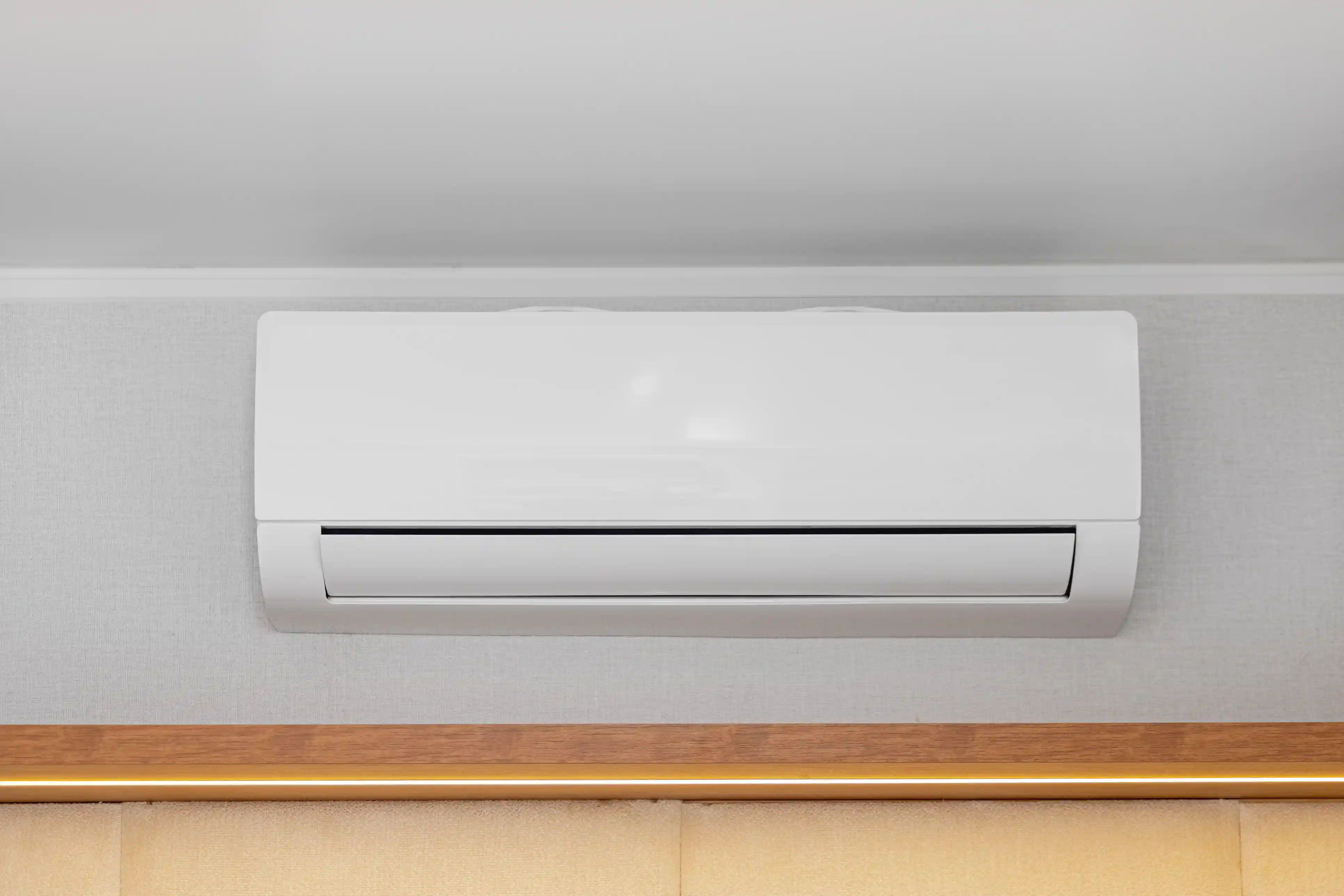
The Ductless Installation and Service Process
Installing a ductless system is significantly less invasive than installing central air, but it requires a higher degree of technical precision. The process is strictly regulated and follows a specific technical sequence to ensure the equipment operates according to the manufacturer's warranty specifications. We prioritize a streamlined workflow that respects your property and time.
- Site Evaluation and Load Calculation:
- The process begins with a technical assessment of the space. Technicians perform a Manual J load calculation to determine the exact cooling and heating requirements. Factors such as window orientation, insulation levels, and square footage are analyzed. This step is critical; an oversized unit will leave the room humid, while an undersized unit will run continuously without reaching the set temperature.
- Mounting the Indoor and Outdoor Units:
- Next, the indoor air handler is mounted. This requires a solid interior wall capable of supporting the unit's weight. The technician uses a mounting plate and ensures the unit is perfectly level to facilitate proper drainage.
- Simultaneously, the outdoor condenser is positioned. It is placed on a composite pad or mounted on wall brackets to keep it off the ground and away from debris. This placement ensures adequate airflow, which is vital for the heat exchange process.
- Drilling and Line Set Connection:
- A small, three-inch hole is drilled through the exterior wall. This is the only structural modification required. Through this conduit, the technician runs the refrigerant lines (copper tubing), the electrical communication wire, and the condensate drain line.
- Technicians then bend and flare the copper tubing to connect the indoor and outdoor units. This connection must be hermetically sealed to prevent refrigerant leaks, which is the most common cause of system failure in amateur installations.
- Pressure Testing and Vacuuming:
- Once the lines are connected, the system is pressurized with nitrogen to test for leaks.
- Following the pressure test, a vacuum pump is used to remove all moisture and air from the lines. Moisture inside the lines can freeze and damage the compressor or degrade the oil, leading to premature failure. This step is non-negotiable for professional service.
- System Charging and Final Commissioning:
- The refrigerant is released into the system. If the line set length exceeds standard manufacturer specifications, additional refrigerant is weighed in with a scale to ensure precise operation.
- Finally, the system is powered on. Technicians test all modes (heating, cooling, fan, dry) and verify that the condensate drain is flowing freely. The homeowner is then walked through the operation of the remote control or smart thermostat interface.
When to Repair vs. When to Replace Your System
Deciding between repairing an aging ductless unit or investing in a new system is a financial and operational decision. While ductless systems are durable, they have a finite lifespan, typically ranging from 15 to 20 years depending on usage and maintenance. Making the right choice depends on the age of the unit, the cost of the repair, and the efficiency of the current technology.
Scenarios Favoring Repair:
- The System is Under 10 Years Old: If the unit is relatively new and has been well-maintained, repairs are usually the most cost-effective route.
- Minor Component Failure: Issues such as a failed control board, a bad sensor, or a clogged condensate line are standard repairs. These components are replaceable and do not indicate a total system failure.
- Warranty Coverage: If the parts or labor are still covered under the manufacturer’s warranty, repair is the obvious choice. Most major brands offer 5 to 7-year warranties on compressors and parts.
- Simple Refrigerant Leaks: If a leak is located at a flare connection, it can often be re-flared and recharged without needing to replace the entire unit.
Scenarios Favoring Replacement:
- Compressor Failure: The compressor is the heart of the system. If it fails and the unit is out of warranty, the cost of the part and the labor to replace it often approaches the cost of a brand-new outdoor unit.
- Use of R-22 Refrigerant: Older systems that utilize R-22 refrigerant (Freon) are becoming obsolete. R-22 is no longer produced, making it prohibitively expensive to source. Upgrading to a system that uses R-410A or newer eco-friendly refrigerants is necessary.
- Frequent Breakdowns: If the system requires multiple service calls in a single year, the cumulative cost of repairs is better spent on a new system with a fresh warranty.
- Efficiency Gaps: Modern ductless systems have significantly higher SEER ratings than models from 15 years ago. Organ & Sons Mechanical, Inc. often advises homeowners to calculate the potential energy savings; a new high-efficiency unit may pay for itself over time through reduced utility bills.
Navigating Atascadero Climate and Regulations
Operating HVAC equipment in Atascadero requires specific considerations regarding local climate patterns and building codes. The Mediterranean climate presents unique challenges that standard equipment configurations may not address effectively.
Climate-Specific Considerations:
- High Cooling Demand: Summer temperatures regularly reach the mid-90s. Systems must be sized to handle this peak load without struggling. A unit with a high SEER rating is crucial to keeping electricity costs manageable during the dry season from May through October.
- Heating Performance: Winters are mild but wet, with lows dipping into the 50s or 40s. While some heat pumps lose efficiency as temperatures drop, modern low-ambient heat pumps are designed to extract heat from the air even in colder conditions.
- Humidity Control: During the wet season from November to April, indoor humidity can rise. Ductless systems feature a "Dry Mode" that acts as a dehumidifier without over-cooling the room, a feature essential for local comfort during rainy months.
Permits and Local Codes:
- Permit Requirements: In Atascadero and the surrounding San Luis Obispo County, installing a ductless mini-split is considered a structural and electrical alteration. A mechanical permit is required to ensure the installation meets safety standards.
- Title 24 Compliance: California’s energy code (Title 24) sets strict efficiency standards. New installations must meet minimum SEER and EER (Energy Efficiency Ratio) requirements. Professional installers ensure that the equipment selected is compliant with these state mandates.
- Electrical Circuits: Ductless systems typically require a dedicated 220V circuit. Local electrical codes dictate the type of disconnect box and wire gauge used. Ensuring the electrical panel has sufficient capacity is a standard part of the pre-installation check. Failing to pull the proper permits can result in fines and complications when selling the home in the future.
Proof of Professional Execution
The difference between a system that lasts 5 years and one that lasts 20 years is often the quality of the installation. Ductless systems are sophisticated pieces of technology that rely on precise internal pressures and electronics. Handyman specials or DIY attempts frequently result in refrigerant leaks, electrical shorts, and voided warranties.
Professional service providers bring specific assets to the project that ensure longevity and performance:
- Specialized Tools: Proper installation requires torque wrenches calibrated to manufacturer specs, micron gauges for vacuuming, and nitrogen regulators for pressure testing.
- Refrigerant Handling Certification: EPA Section 608 certification is required by federal law to handle refrigerants. Professionals ensure that refrigerants are recovered and charged responsibly, protecting the environment and ensuring system safety.
- Manufacturer Training: Leading brands often require installers to undergo specific training to offer extended warranties. This training covers the nuances of proprietary inverter technology and error code diagnostics.
- Condensate Management: Improper drainage is a leading cause of water damage in homes with ductless units. Professionals understand how to route gravity drains correctly or install condensate pumps when gravity drainage isn't possible.
When you choose a verified service provider, you are investing in a system that operates at its rated efficiency. You avoid the "ghost" energy usage of a poorly installed unit and the noise of vibrating components that weren't securely mounted. The focus is on delivering a "set it and forget it" experience, where the hardware disappears into the background, leaving only comfort.
Take the Next Step Toward Effortless Indoor Comfort
When uneven temperatures and rising energy costs disrupt your home, a professionally designed ductless solution delivers precise control, efficiency, and lasting comfort tailored to Atascadero’s climate. Trust Organ & Sons Mechanical, Inc. to provide expert guidance, quality installation, and dependable performance that transforms how your home feels in every season.
Ensure your home remains a sanctuary against the heat and cold. Secure a professional assessment today to upgrade your comfort and efficiency. Secure your appointment now.
Contact Us