



Is Your Energy Bill Rising While Your Comfort Drops? Update Your Home Heating Efficiency Today
Tired of unpredictable indoor temperatures and utility bills that seem to climb higher every month? A professional heat pump installation ensures year-round comfort and superior energy efficiency for your home in Atascadero, Contact us today for an estimate.
When your current system fails to keep up with the wet winters or the dry heat of summer, it is time to look at a modern solution that handles both heating and cooling. Heat pumps are the standard for energy-efficient climate control in California, moving heat rather than generating it to lower your operational costs. Organ & Sons Mechanical, Inc. provides comprehensive installation services designed to optimize your home’s airflow and energy consumption.
- Enjoy consistent and comfortable home temperatures, no matter the season.
- Reduce your energy bills with high-efficiency heat pump technology.
- Quick and hassle-free installation by certified professionals.
Fully licensed and insured installations, with flexible financing options available.
Comprehensive Heat Pump Installation Services: What to Expect
Investing in a new heat pump is about more than just swapping out a box outside your home; it is about engineering a solution that matches your property’s thermal profile. When you schedule an installation in Atascadero, the process begins with a detailed assessment of your home’s heating and cooling load. This ensures the unit selected is neither too large, which causes short-cycling and humidity issues, nor too small, which results in the system running constantly without reaching the desired temperature.
Modern heat pump systems offer a versatile solution for the local Mediterranean climate. Because these units act as both a heater and an air conditioner, the installation covers your year-round needs. You receive a system that includes the outdoor condenser unit and the indoor air handler, working in unison to transfer heat effectively.
The scope of a professional installation includes:
- Manual J Load Calculation: Technicians perform specific calculations based on your home’s square footage, insulation levels, window orientation, and local climate data to determine the exact BTU capacity required.
- System Selection: Guidance on choosing between air-source heat pumps, ductless mini-splits, or dual-fuel systems that pair with a furnace for extreme efficiency.
- Efficiency Analysis: Selection of units with high SEER2 (Seasonal Energy Efficiency Ratio) and HSPF2 (Heating Seasonal Performance Factor) ratings to maximize rebate eligibility and long-term savings.
- Ductwork Inspection: A thorough check of existing ducts to ensure they are sealed and sized correctly to handle the airflow of the new high-efficiency system.
You are not just buying equipment; you are purchasing a complete climate control strategy. This service ensures that from the moment the system is turned on, it operates at peak performance, complying with all local regulations and manufacturer specifications.
The Installation Process: From Assessment to Operation
A systematic approach to installation minimizes disruption to your daily life and ensures the longevity of your new equipment. The goal is to transition your home to a new system with as little downtime as possible. Certified technicians handle every aspect of the project, from the safe removal of old equipment to the final calibration of the thermostat.
Here is how the installation workflow typically proceeds:
- Site Preparation and Protection: The workspace is prepped with drop cloths and protective gear to keep your home clean. Technicians verify the electrical capacity of your panel to ensure it can support the new heat pump without safety hazards.
- Decommissioning the Old System: Existing HVAC units are disconnected. Refrigerant is recovered safely according to EPA guidelines, and old equipment is removed from the property for proper recycling or disposal.
- Indoor Unit Installation: For ducted systems, the air handler or evaporator coil is installed in the attic, garage, or closet. For ductless systems, the wall-mounted heads are positioned for optimal air distribution. Technicians ensure the unit is level and vibration-isolated to reduce noise.
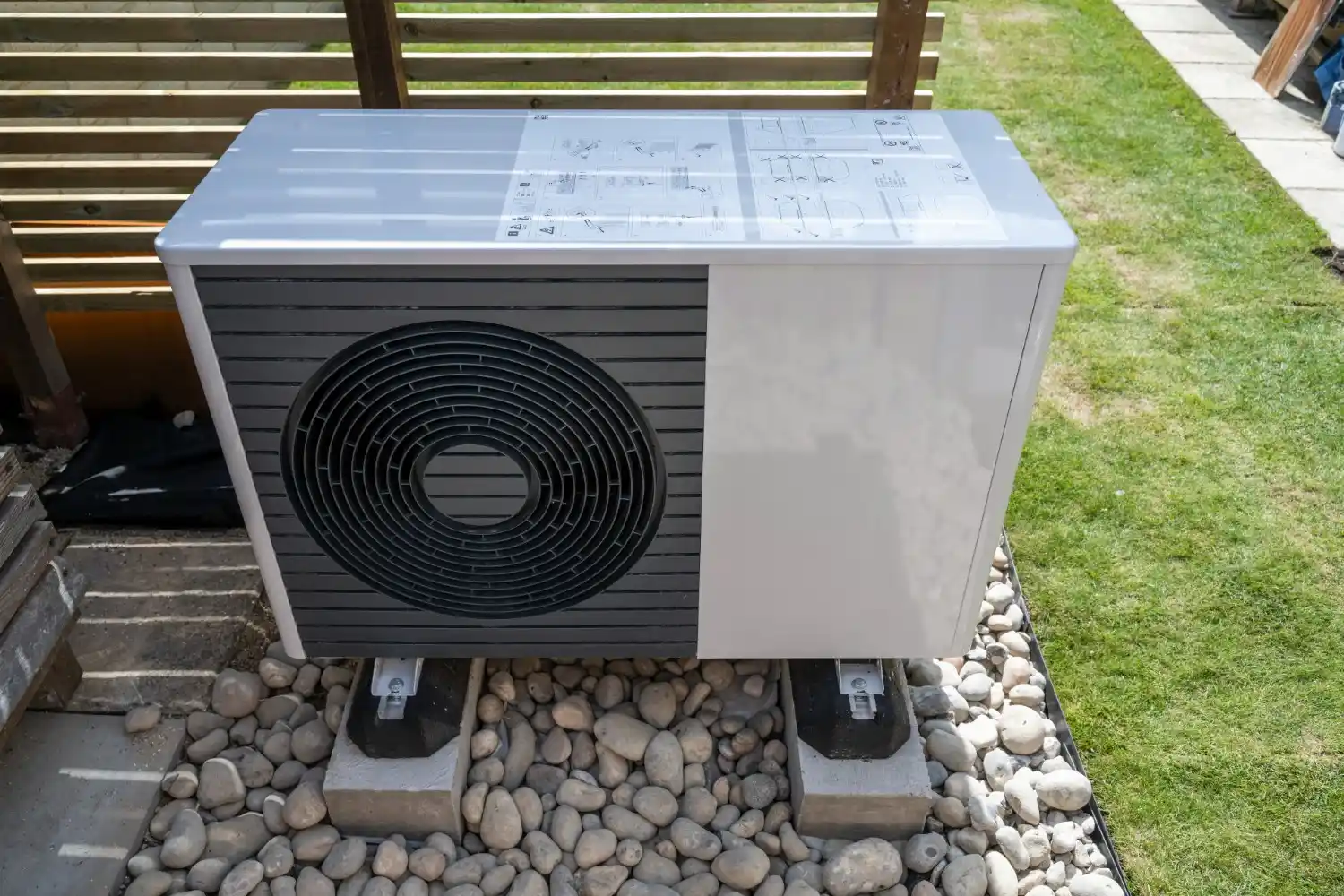
- Outdoor Unit Placement: The condenser is placed on a composite pad to keep it off the ground, protecting it from moisture and debris. Proper clearance is established around the unit to ensure adequate airflow, which is critical for heat exchange.
- Line Set and Electrical Connection: Refrigerant lines (copper tubing) are run between the indoor and outdoor units. These lines are sealed and insulated to prevent energy loss. Electrical wiring is connected, and a disconnect box is installed near the outdoor unit for safety and code compliance.
- Vacuum and Charge: The refrigerant lines are pressure-tested with nitrogen to check for leaks. A vacuum pump removes moisture and air from the lines before the factory-specified amount of refrigerant is released into the system.
- Final Testing and Walkthrough: The system is powered on and tested in both heating and cooling modes. Technicians measure airflow, static pressure, and temperature splits. Finally, you receive a walkthrough of the new thermostat and maintenance requirements.
Repair vs. Replace: Making the Financial Decision
Deciding whether to repair an aging system or invest in a new heat pump installation is a common dilemma for homeowners. While repairs may seem cheaper upfront, they often act as a temporary bandage on a failing system. Understanding when to stop pouring money into an old unit is key to financial prudence and home comfort.
Evaluate these factors to determine if replacement is the smarter path:
- The 50% Rule: If the cost of a necessary repair approaches 50% of the value of the system (or the cost of a new unit), replacement is almost always the better investment. A major component failure, such as a compressor or cracked heat exchanger, often signals the end of the unit's useful life.
- Age of the Equipment: Heat pumps generally last between 10 and 15 years. If your unit is over 12 years old and requires a significant repair, technology has likely advanced enough that a new system will offer vastly superior efficiency. Keeping an old unit running often costs more in energy usage than the monthly payment on a new, financed system.
- Rising Energy Bills: As components wear out, motors work harder, and coils degrade, efficiency drops. If you notice a steady increase in your electric bill despite normal usage patterns, your system is losing its ability to transfer heat effectively. New variable-speed heat pumps can cut energy consumption significantly.
- Frequency of Breakdowns: If you have needed service calls more than twice in the last year, the system is becoming unreliable. The "death spiral" of frequent repairs adds up quickly, often exceeding the cost of a new installation over a two-year period.
- Uneven Comfort: Old systems often struggle to push air to the far reaches of a home, leading to hot and cold spots. If your living room is freezing while the bedroom is hot, the system likely lacks the capacity or airflow control to manage the home’s load.
Local Considerations for Atascadero Residents
Operating a heat pump in Atascadero requires specific attention to the local environment and regulatory landscape. The region’s Mediterranean climate creates a unique demand where heating is crucial during the wet, cool winters, but powerful cooling is equally necessary for dry summer spikes.
- Permitting and Title 24 Compliance: California has some of the strictest energy codes in the country. Any new HVAC installation requires a permit and must adhere to Title 24 energy standards. This often involves duct sealing testing and verification by a third-party HERS (Home Energy Rating System) rater. A professional installer handles this paperwork and coordination, ensuring you do not face fines or issues when selling your home later.
- Electrical Panel Upgrades: Many older homes in the area may still operate on 100-amp electrical panels. switching from a gas furnace to an all-electric heat pump might require an electrical service upgrade to handle the increased amperage. This is assessed during the initial consultation.
- Rebates and Incentives: Residents in this area often have access to significant financial incentives. Programs like TECH Clean California and federal tax credits under the Inflation Reduction Act can offset a large portion of the installation cost. Organ & Sons Mechanical, Inc. stays updated on these changing programs to help you maximize your return on investment.
- Defrost Cycles: During the damp winter mornings common in the region, heat pumps will occasionally enter a "defrost mode" to melt ice off the outdoor coil. This is normal operation, but proper installation ensures that the meltwater drains away from the unit and does not re-freeze on walkways or damage the foundation.
- Coastal Influence: While not directly on the beach, the marine layer can influence humidity levels. Proper sizing ensures the unit runs long enough to dehumidify the home effectively during cooling cycles, preventing that "clammy" indoor feeling.
Why Professional Installation Matters
The performance of a heat pump is determined more by the quality of the installation than the brand of the equipment. Even the highest-rated system will suffer from poor efficiency and early failure if it is installed incorrectly. A verified installation guarantees that refrigerant levels are precise, airflow is balanced, and electrical connections are secure.
Choosing a reputable provider ensures you have access to:
- Warranty Protection: Manufacturers often void warranties if the equipment was not installed by a licensed contractor. Professional installation activates the full parts warranty, often ranging from 10 to 12 years.
- Labor Guarantees: Beyond the equipment, the workmanship itself is backed by a guarantee. If a weld leaks or a wire comes loose within the first year or two, it is corrected at no cost to you.
- Safety Assurances: HVAC systems involve high-voltage electricity and high-pressure refrigerants. Trained technicians follow strict safety protocols to protect your home and family during the installation process.
Investing in a high-quality installation means investing in peace of mind. It eliminates the guesswork and ensures that when you adjust your thermostat, the system responds immediately and quietly.
Secure Your Comfort with Expert Installation
Upgrading your home’s heating and cooling system is a significant decision that impacts your daily comfort and monthly budget for years to come. A modern heat pump offers the perfect balance of power and efficiency for the California climate, providing warmth on chilly winter nights and refreshing cool air during the summer heat. By prioritizing a professional installation, you ensure that your investment is protected, code-compliant, and optimized for maximum energy savings.
Organ & Sons Mechanical, Inc. is dedicated to delivering superior craftsmanship and reliable climate control solutions. Don't let an inefficient system drain your wallet or compromise your comfort any longer.
Take control of your home’s climate today—call now to schedule your heat pump consultation and estimate.
Contact Us