



Is Your Heating System Failing When You Need It Most?
Are erratic temperatures and strange noises making your home uncomfortable during the chilly season? When your heater fails to deliver consistent warmth, Organ & Sons Mechanical, Inc. offers rapid, reliable heating installation in Atascadero to restore your comfort quickly. Contact us today to schedule your assessment or discuss our flexible financing options.
- Experience immediate improvement in home warmth and comfort with a properly sized unit.
- Reduce your energy bills with efficient, professionally installed heating systems designed for modern standards.
- Enjoy peace of mind with our comprehensive warranty and 24/7 emergency support.
We are fully licensed and adhere to all local building codes, ensuring a safe installation with flexible financing options available for homeowners.
Comprehensive Heating Installation: What to Expect
Investing in a new heating system is about more than just swapping out a metal box; it is about upgrading the respiratory system of your home. When you commission a new installation, you are purchasing a complete climate control solution tailored to the specific thermal dynamics of your property. The goal is to eliminate cold spots, improve indoor air quality, and ensure the machinery operates at peak efficiency from the moment it is turned on.
A professional installation focuses on the entire ecosystem of your HVAC infrastructure. This includes evaluating the existing ductwork to ensure it can handle the airflow of a modern, high-efficiency unit. Older duct systems often have leaks or inadequate insulation that can undermine the performance of a new furnace or heat pump. The scope of work involves sealing these inefficiencies and, if necessary, modifying the plenum to guarantee static pressure remains within manufacturer specifications.
You also gain access to advanced control systems. Modern heating installation includes the integration of smart thermostats and zoning capabilities. These tools allow you to manage the temperature in specific areas of the house, reducing energy waste in unoccupied rooms. By upgrading the control interface, you gain granular control over humidity levels and fan speeds, which contributes significantly to overall comfort and respiratory health.
The equipment selection process is critical. Whether you are installing a gas furnace, an electric heat pump, or a dual-fuel system, the unit is selected based on a precise load calculation. This calculation considers the square footage, insulation levels, window orientation, and even the height of your ceilings. This ensures the unit is neither undersized, which leads to constant running and wear, nor oversized, which causes "short-cycling" and poor humidity control.
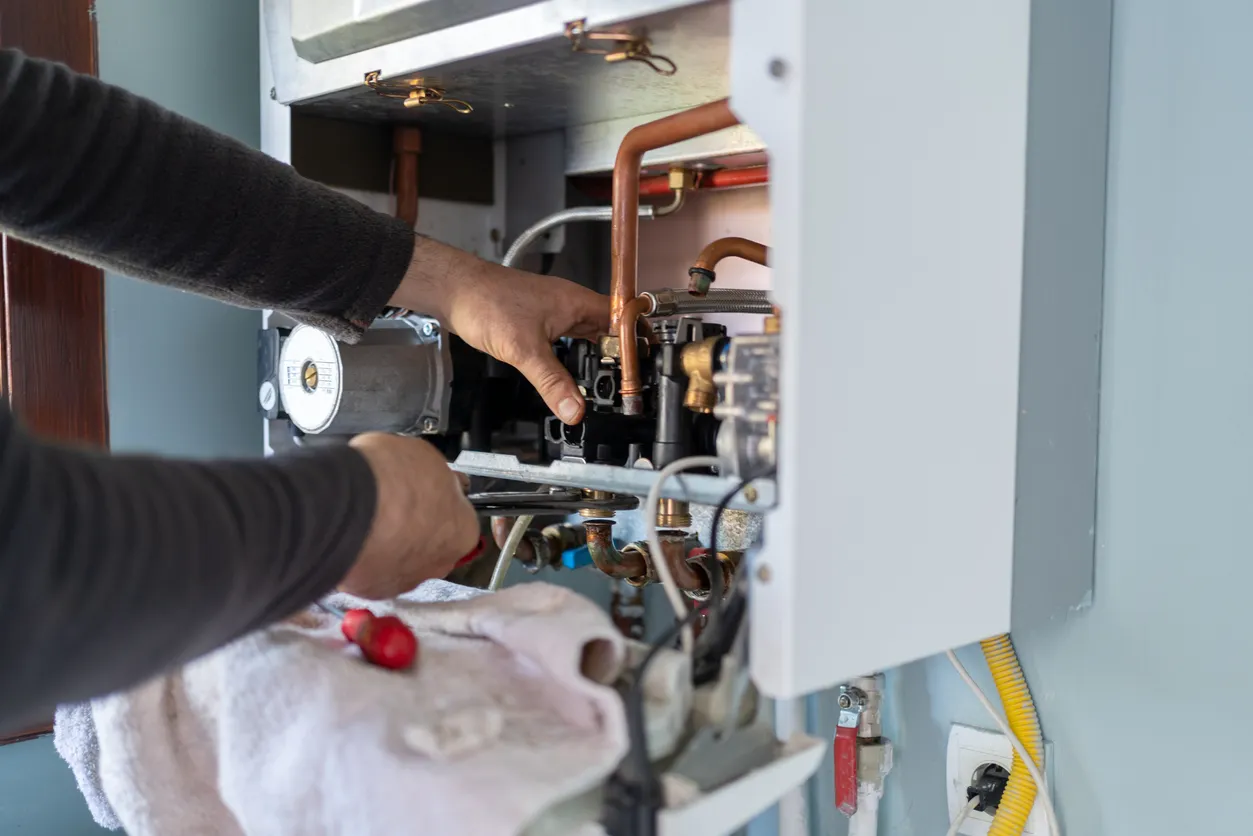
The Installation Process: From Assessment to Heat
A systematic approach ensures that your heating installation is completed efficiently and correctly. Professional technicians follow a rigorous workflow designed to protect your home while bringing your new system online. This process minimizes disruption to your daily routine and guarantees that safety standards are met at every stage.
- Site Evaluation and Load Calculation: The process begins with a detailed assessment of your home’s heating load. Technicians measure windows, floors, and walls to perform a Manual J calculation. This data determines the exact BTU capacity required to heat the home efficiently during Atascadero’s coldest nights. This step prevents the installation of incorrect equipment sizes that plague many DIY or amateur jobs.
- Removal and Disposal of Existing Equipment: Before the new unit arrives, the old system must be decommissioned safely. This involves disconnecting gas lines, electrical wiring, and venting systems. Technicians handle the removal of the heavy machinery and ensure that any hazardous materials, such as old refrigerant or compromised insulation, are disposed of according to environmental regulations.
- Preparation of the Installation Area: The area where the new unit will sit is prepped for stability and safety. If the installation is in a crawl space, attic, or garage, technicians ensure the flooring or mounting pads are level. For gas furnaces, the venting flue is inspected and upgraded if necessary to meet current safety codes regarding carbon monoxide exhaust.
- Mechanical and Electrical Connections: The new unit is moved into place, and the critical connections are made. This includes fitting the supply and return plenums to the unit, connecting the gas line with a new sediment trap and shut-off valve, and wiring the high-voltage electrical connections. Low-voltage wiring is then run to the thermostat and any zoning control boards.
- System Calibration and Testing: Once physically installed, the system is not simply turned on; it is calibrated. Technicians measure gas pressure at the manifold, check temperature rise across the heat exchanger, and verify static air pressure. This fine-tuning ensures the system runs at the efficiency rating (AFUE or HSPF) promised on the label.
- Final Walkthrough and Education: The final step involves a complete walkthrough. You are shown how to operate the new thermostat, how to change the filter, and what maintenance schedules are required to keep the warranty valid.
Determining When Replacement Beats Repair
Deciding between repairing an aging heater and installing a new one is a financial and logical decision based on the unit’s history and performance. While a repair might seem cheaper upfront, it is often a temporary fix for a system that is approaching the end of its useful life. Understanding when to stop throwing money at an old unit is key to long-term savings.
- The 50% Rule: A common industry standard is the 50% rule. If the cost of the repair approaches 50% of the value of a new system, replacement is the smarter financial move. For example, if a compressor or heat exchanger fails, the labor and part costs are significant. Investing that capital into a new unit with a fresh warranty provides better value than reviving a dying system.
- Age of the Equipment: Most furnaces and heat pumps have a lifespan of 15 to 20 years. If your system is over 15 years old and requires a moderate repair, parts may be hard to find or expensive. Furthermore, technology has advanced significantly in the last decade. A 15-year-old furnace likely operates at 60-70% efficiency, whereas modern units can achieve up to 98% efficiency. Replacing an old unit immediately lowers monthly utility costs.
- Rising Energy Bills: If your heating usage hasn't changed but your energy bills are climbing, your system is losing efficiency. As components wear out, the motor and burners must work harder to produce the same amount of heat. This steady increase in operational costs is a silent drain on your budget that a new, high-efficiency installation will resolve.
- Safety Concerns: Older units, particularly gas furnaces, can develop cracks in the heat exchanger. This poses a serious risk of carbon monoxide leaking into your home. If a technician flags a heat exchanger issue, repair is rarely recommended due to safety liabilities. Immediate replacement is the only way to ensure the safety of the household.
- Inconsistent Heating: If some rooms are freezing while others are roasting, the current system may be improperly sized or the blower motor may be failing. If ductwork modifications and balancing don't fix the issue, the unit itself likely lacks the variable-speed technology required to push air evenly throughout the home.
Local Factors Affecting Installation in Atascadero
Operating a heating system in Atascadero presents specific challenges due to the local climate and regulatory environment. While the area enjoys a Mediterranean climate, winter nights can drop into the 30s and 40s, requiring a heating system that can ramp up quickly and sustain warmth without driving up electricity or gas bills excessively.
Climate-Specific Sizing
The "design temperature" for the region dictates how heating systems are sized. Unlike the extreme freeze of the Midwest, local homes need systems that excel in moderate-to-chilly variability. Heat pumps are increasingly popular here because they handle the mild winters efficiently, but they must be correctly sized to handle the occasional frost without relying entirely on expensive emergency heat strips. Gas furnaces remain a viable option for those prioritizing rapid heat generation during cold snaps.
Permitting and Code Compliance
Any heating installation in this jurisdiction requires adherence to strict building codes. The City of Atascadero Building Division mandates permits for HVAC replacements to ensure safety and energy efficiency. This includes verifying that gas lines are pressure-tested and that electrical circuits are dedicated and grounded. California’s Title 24 energy standards also play a major role. These regulations require duct testing to ensure leakage is below a certain percentage (usually 5% or less) and that smart thermostats are installed. Hiring a professional ensures all these bureaucratic and technical hurdles are cleared, preventing issues when you eventually sell your home.
Utility Rebates and Incentives
California is aggressive in promoting energy efficiency. Programs like TECH Clean California often offer substantial rebates for homeowners who switch from gas furnaces to electric heat pumps. Local utility providers may also have incentives for installing high-SEER and high-AFUE equipment. Navigating these rebates requires specific documentation and installation by certified contractors. A professional installation includes assistance with identifying and qualifying for these potential savings, effectively lowering the net cost of the project.
Venting and Drainage
For high-efficiency condensing furnaces, local installation must account for condensate drainage. Since these units produce water as a byproduct of combustion, proper drainage lines must be routed to appropriate outlets, which can be tricky in older homes with limited access. Additionally, venting for these units typically uses PVC piping through the side of the house rather than a metal flue through the roof. This requires precise drilling and sealing to maintain the building envelope’s integrity.
Why Professional Execution is Non-Negotiable
The difference between a system that lasts 20 years and one that fails in five often comes down to the quality of the installation. Manufacturers build high-quality equipment, but that equipment is dependent on the field conditions set by the installer. If a unit is not leveled correctly, the bearings in the motor will wear out prematurely. If the refrigerant charge in a heat pump is off by even a few ounces, the efficiency rating plummets, and the compressor risks overheating.
Safety is the primary driver for professional service. Handling natural gas connections requires specialized certification to prevent leaks and fire hazards. Dealing with high-voltage electricity requires a thorough understanding of amperage loads and breaker sizing. Carbon monoxide is a silent killer; professional installers use combustion analyzers to verify that exhaust gases are being vented safely outside the home, a step often skipped by handymen or uncertified workers.
Warranty protection is strictly tied to professional installation. Almost all major HVAC manufacturers require proof that the unit was installed by a licensed contractor to honor the parts warranty. If a component fails three years down the line, a DIY or unpermitted installation will likely result in a voided warranty, leaving you to cover the full cost of repairs.
Organ & Sons Mechanical, Inc. prioritizes technical excellence and adherence to all safety protocols. By choosing a dedicated service provider, you ensure that the investment you make in your home increases its value and functionality. Professional installers also provide the necessary documentation for tax credits and insurance purposes, adding another layer of financial protection to the project.
The longevity of your system relies on the initial setup. Proper airflow, correct gas pressure, and secure electrical connections create an environment where the equipment can run without strain. This reduces the likelihood of emergency breakdowns during the holidays or the coldest weeks of the year.
Secure Your Home Comfort Today
Don't wait for a complete system failure to address your heating needs. A modern, efficient heating system transforms how you experience your home, providing consistent warmth and significantly lower energy costs. Whether you need to replace an aging furnace or install a high-performance heat pump, the right expertise ensures the job is done safely and correctly the first time.
Take control of your indoor climate and protect your family from the cold. Reach out to our team to discuss your heating installation needs and schedule a consultation.
Contact Us