



Emergency HVAC Repair in Atascadero, CA
Emergency HVAC Repair in Atascadero, CA
Facing a Critical Heating or Cooling Failure?
When your AC stops working on the hottest afternoon of the year or your heater fails during a chilly winter night, you need reliable, fast assistance immediately. Organ & Sons Mechanical, Inc. provides rapid emergency HVAC repairs to restore your comfort and safety without delay; Contact our team now for urgent dispatch or to discuss our financing options.
A breakdown is never convenient, but the solution should be straightforward. In Atascadero and the surrounding areas, we address system failures with urgency and precision. You do not have to wait for business hours to get your home back to a livable temperature.
- Get your system back up and running within hours, not days.
- Access experienced technicians on-call 24/7 for immediate response.
- Receive transparent pricing with no hidden fees, even during emergency calls.
We are fully licensed and insured for your peace of mind, with straightforward financing options available to handle unexpected repair costs.
What You Can Expect From Emergency Service Today
When you request emergency HVAC service, the priority is stabilization and diagnosis. You are likely dealing with a system that is either completely non-functional or operating in a way that poses a safety risk, such as a gas furnace emitting unusual odors or an air conditioner leaking water into your home. The goal of an emergency visit is to identify the root cause of the failure and, in most cases, effect a repair immediately using stocked components.
Upon arrival, a technician focuses on the immediate symptoms. For cooling systems, this often involves checking electrical components like capacitors and contactors, or assessing refrigerant levels if the unit is blowing warm air. For heating systems, the focus shifts to ignition sequences, flame sensors, and safety switches. The objective is to restore climate control as quickly as possible while ensuring the system is safe to operate.
Scope of service includes:
- Comprehensive Diagnostics: We utilize advanced testing equipment to measure airflow, electrical voltage, and refrigerant pressures. This data pinpoints exactly why the system shut down.
- Safety Inspection: Before restarting any unit, we inspect for hazards such as cracked heat exchangers, gas leaks, or frayed wiring that could pose fire or health risks.
- Immediate Repair Options: Our service vehicles are stocked with universal parts. If a specific OEM part is required and unavailable until morning, we provide clear options for temporary solutions or expedited ordering.
- Transparent Quoting: You receive a breakdown of the cost to fix the immediate issue versus the cost of a comprehensive overhaul. You approve the work before we proceed.
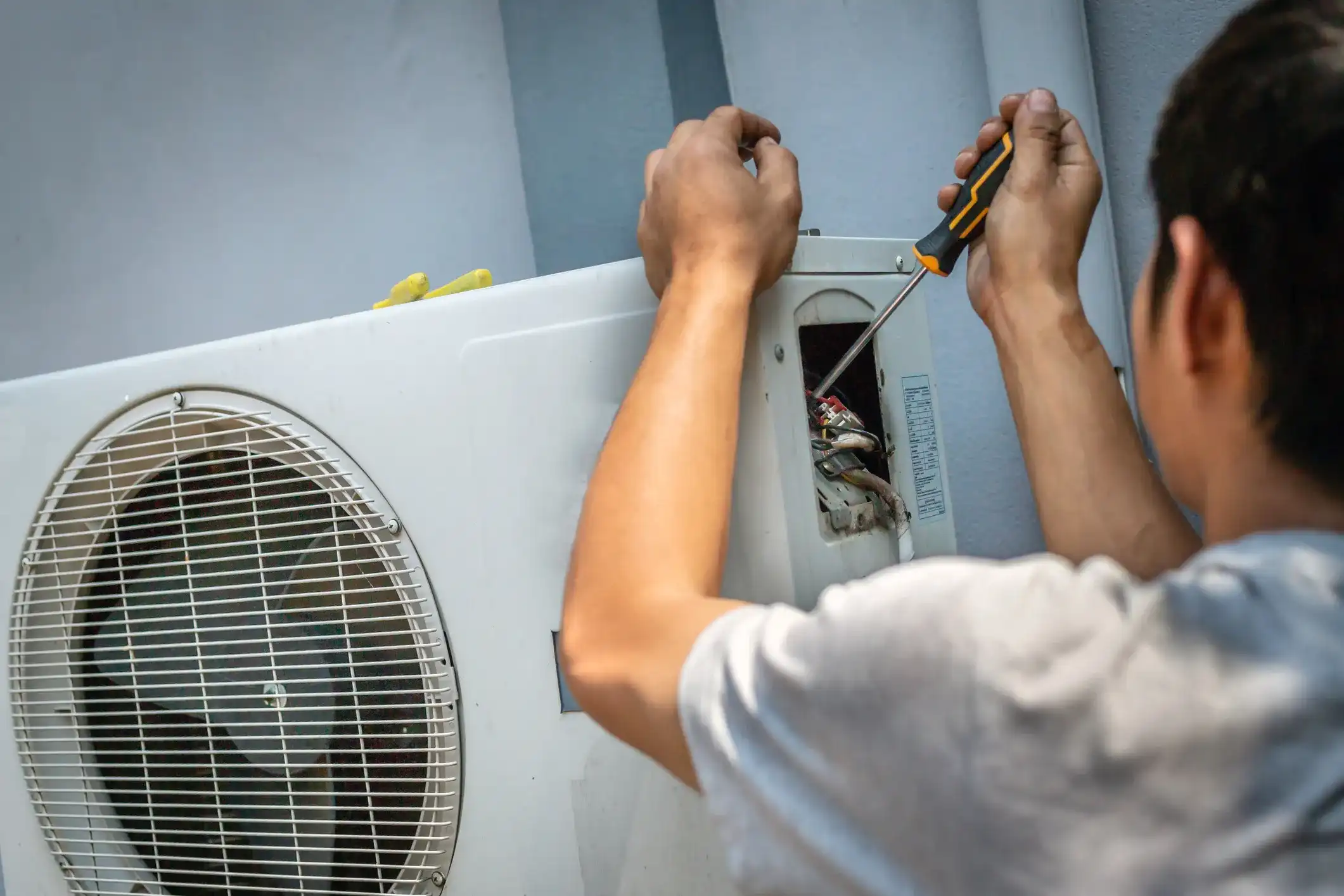
How the Emergency Repair Process Works
Navigating an HVAC breakdown is stressful, but the repair process is structured to minimize downtime. We follow a strict protocol to ensure nothing is missed and that your system is returned to manufacturer specifications.
- Initial Triage and Dispatch: When you reach out, we gather critical details about the symptoms—strange noises, complete silence, ice buildup, or burning smells. This prepares the technician with the right context before they arrive at your Atascadero property.
- On-Site Assessment: The technician arrives and performs a systematic check. This is not just a "kick the tires" approach; it involves testing the thermostat communication, the control board logic, and the mechanical components of the condenser or furnace.
- Problem Identification: We isolate the failed component. For example, if the AC compressor is humming but not starting, it may be a failed start capacitor rather than a dead compressor. Accurate identification saves you money.
- Review of Solutions: We present the findings. If the repair is minor, we fix it on the spot. If the system has suffered a catastrophic failure, we explain the implications and the costs involved in a major repair.
- Execution of Repairs: Once authorized, we perform the work. This involves swapping out components, cleaning sensors, clearing drain lines, or recharging refrigerant.
- System Validation: We do not leave the moment the unit turns on. We cycle the system through a full run to ensure it reaches the set temperature, cycles off correctly, and maintains proper pressure levels.
Deciding When to Repair vs. Replace During an Emergency
One of the most difficult decisions during an emergency service call is determining whether to pour money into a repair or invest in a new system. This decision often has to be made quickly, but it should be based on data, not pressure. We help you evaluate the viability of your current unit based on industry standards and financial logic.
Key factors in this decision include:
- The 50% Rule: If the cost of the repair approaches 50% of the value of a new system, replacement is generally the wiser financial move. Investing heavily in an aging asset often leads to diminishing returns.
- System Age and Refrigerant Type: Air conditioners over 10 to 15 years old likely use R-22 (Freon), a refrigerant that has been phased out. Repairing a leak in an R-22 system is prohibitively expensive and often not worth the investment. Newer systems use R-410A or R-454B, which are more efficient and readily available.
- Frequency of Breakdowns: If this is the third "emergency" call in two years, the system is signaling the end of its lifespan. "Band-aid" repairs accumulate costs that could have gone toward a warranty-backed new installation.
- Safety Concerns: If a furnace has a cracked heat exchanger, repair is rarely an option due to the risk of carbon monoxide poisoning. In these cases, replacement is mandated for the safety of the household.
- Efficiency Gap: Older systems often operate at 8-10 SEER, while modern units start at 14-16 SEER and go much higher. The energy savings from a new unit can sometimes offset the monthly financing cost of a replacement.
Local Considerations for Atascadero Homeowners
Operating an HVAC system in our region requires specific attention to local climate patterns and regulations. The Central Coast presents a unique environment that affects how systems wear down and how repairs must be handled.
- Climate Stressors: Atascadero experiences significant temperature swings, with hot, dry summers reaching the 90s and cool, wet winters. This dual demand puts year-round stress on systems, particularly heat pumps and combination units. The transition periods—where you might run heat in the morning and AC in the afternoon—are when most control board and thermostat failures occur.
- Permitting and Code Compliance: California has some of the strictest building codes in the nation, specifically under Title 24. Significant repairs, such as compressor replacements or ductwork modifications, may trigger requirements for HERS (Home Energy Rating System) testing. We ensure all emergency work remains compliant with local codes to avoid future liability or fines.
- Electrical Infrastructure: Older homes in the area may have outdated electrical panels that struggle with the amperage draw of modern, high-output HVAC systems during heatwaves. Our diagnostics include checking the voltage drop at your unit to ensure your home's power supply isn't killing your AC components.
- Air Quality and Wildfires: Given the regional risk of wildfires, many homeowners rely on their HVAC system for filtration. If your system fails during a smoke event, it is a health priority. We prioritize these calls to ensure indoor air quality is maintained.
Technical Scope of Emergency Repairs
Understanding what technically goes wrong helps in understanding the value of professional intervention. Emergency calls rarely involve simple filter changes; they usually involve mechanical or electrical failures that require specialized tools to fix.
- Electrical Component Failure: The most common cause of sudden failure is electrical. Capacitors, contactors, and relays wear out due to heat and vibration. A failed capacitor prevents motors from starting, leading to overheating. We replace these with high-rated components to prevent recurrence.
- Refrigerant Leaks: If your system is running but not cooling, it may have a refrigerant leak. This is not a "top-off" situation; the leak must be located using electronic sniffers or UV dye, then brazed and sealed before recharging.
- Condensate Drainage Issues: In the dry heat, AC units pull massive amounts of moisture from the indoor air. If the condensate drain line clogs with algae or debris, safety switches will shut the unit down to prevent water damage. We use pressurized nitrogen to clear these blockages effectively.
- Frozen Evaporator Coils: Low airflow or low refrigerant can cause the indoor coil to freeze into a block of ice. This stops cooling completely. We must safely defrost the unit and address the underlying airflow or pressure issue to prevent the compressor from burning out.
- Ignition Failure in Furnaces: For heating, issues often stem from the hot surface igniter (which can crack) or the flame sensor (which gets coated in carbon). These small components stop the furnace from firing up to prevent raw gas from pumping into the home.
Why Professional Execution Matters
Attempting DIY repairs during an HVAC emergency often leads to further damage or safety hazards. Modern HVAC equipment operates under high voltage and high pressure. Professional service ensures that the repair is not only effective but safe for the long term.
- Warranty Protection: Most manufacturer warranties require proof of professional service. DIY repairs can void these warranties, leaving you responsible for the full cost of future major component failures.
- Correct Tooling: Proper diagnosis requires multimeters, manometers, and refrigeration gauges. Guessing which part is broken leads to the "parts cannon" approach, where you replace working parts unnecessarily.
- Refrigerant Handling: Handling refrigerant requires an EPA Section 608 certification. Venting refrigerant is illegal and harmful to the environment. We recover and recharge refrigerant according to strict federal guidelines.
- Holistic View: A professional looks at the system as a whole. We check static pressure in the ductwork to ensure that the new motor we just installed won't burn out in a month due to restrictive airflow.
Organ & Sons Mechanical, Inc. brings this level of technical rigor to every emergency call. We do not look for shortcuts; we look for solutions that keep your home comfortable for the long haul.
Restore Your Comfort Now
A broken HVAC system disrupts your life and threatens your comfort. You need a resolution that is fast, technical, and transparent. Do not let a breakdown linger and cause further damage to your home or health. We are ready to diagnose the issue, explain your options clearly, and execute the necessary repairs to get your air flowing again.
Secure your appointment for emergency repair services today.
Contact Us