



Stay Comfortable Year-Round Despite Climate Extremes
Struggling with an inefficient HVAC system that can’t handle Atascadero's sweltering summers or chilly winters? Your comfort shouldn’t depend on outdated technology or slow service responses; Contact us today to schedule a comprehensive assessment of your home’s heating and cooling needs. Organ & Sons Mechanical, Inc. understands that reliable climate control is a necessity, not a luxury, when local temperatures fluctuate significantly between seasons.
We provide a seamless transition from old, failing units to modern, high-efficiency systems designed for the specific weather patterns of the Central Coast.
- Quick installation services ensure minimal downtime for your home.
- Energy-efficient systems tailored to handle high heat and freezing lows.
- Affordable financing options to manage installation costs without hassle.
All installations are compliant with California codes and backed by robust warranties and financing plans.
Why Upgrading Your HVAC is Essential in This Region
Living in a Mediterranean climate presents unique challenges for residential heating and cooling equipment. While the area is known for beautiful weather, the reality for a homeowner involves significant temperature variations. Summer highs frequently reach 95°F, demanding a robust cooling capacity, while winter nights can drop to an average of 30°F, requiring a heating system that can ramp up quickly. An aging system often struggles to bridge this 60-degree gap, leading to inconsistent indoor temperatures and skyrocketing utility bills.
Upgrading your system is about more than just replacing a broken part; it is about installing equipment capable of managing local humidity and temperature swings efficiently. Older units often lack the variable-speed technology required to maintain a steady temperature without constantly cycling on and off. This "short cycling" wastes energy and increases wear and tear. By installing a modern system, homeowners secure reliable performance during the peak of summer droughts and the damp chill of winter storms, ensuring the indoor environment remains stable regardless of the forecast.
Furthermore, California has some of the strictest energy standards in the nation. Continuing to operate a system that is 15 or 20 years old likely means you are paying a premium for energy usage that yields poor results. New installations meet higher Seasonal Energy Efficiency Ratio standards, which translates to immediate monthly savings. The investment in a new system addresses the dual problems of comfort and cost, providing a long-term solution to the region's climate extremes.
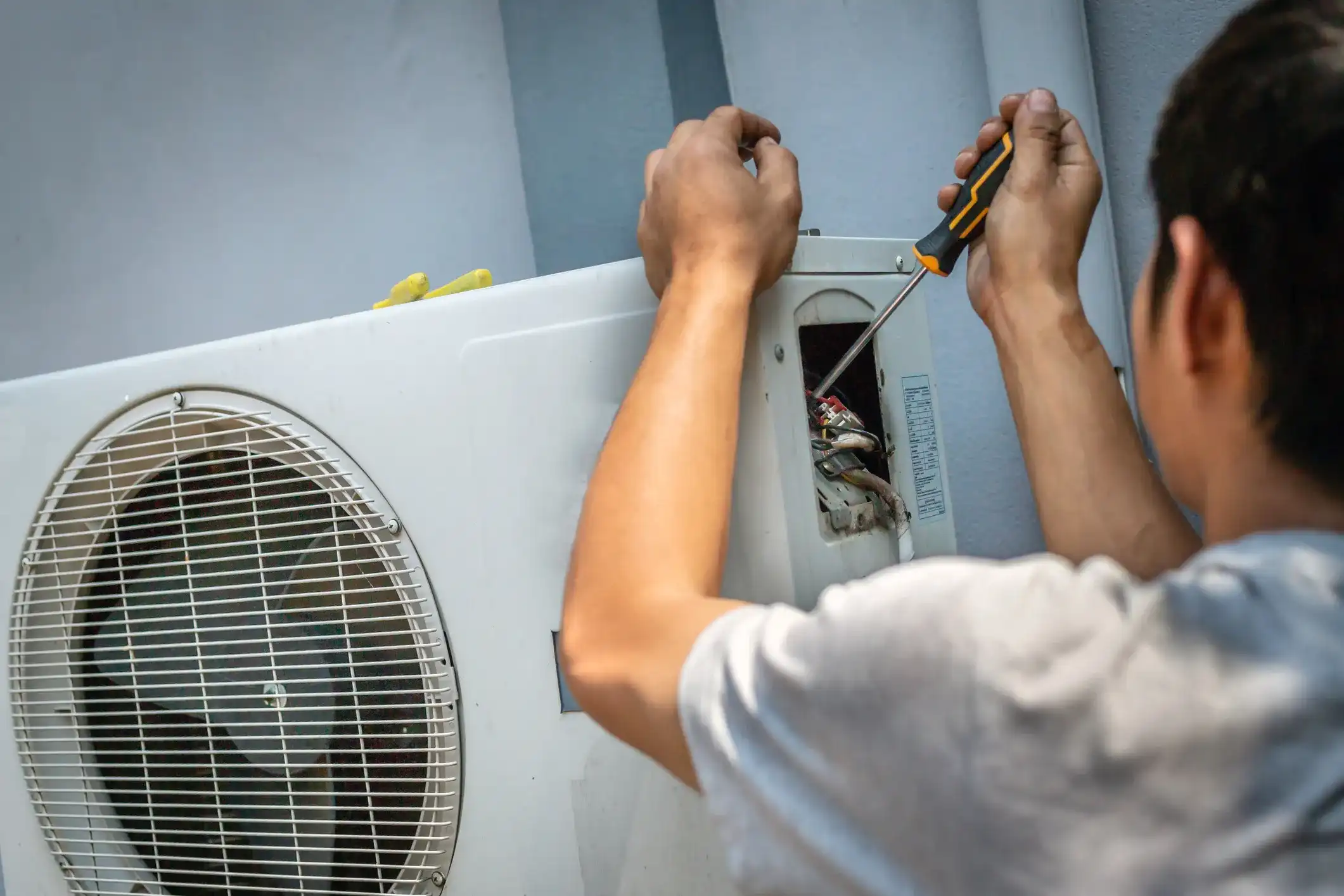
Comprehensive HVAC Installation Services - What’s Included?
When you authorize an installation, you are paying for a complete system integration, not just the delivery of a metal box. A professional installation encompasses every component necessary to ensure the unit operates at peak efficiency from day one. This process is designed to adhere to manufacturer specifications, which is critical for validating warranties and ensuring safety.
The scope of work generally includes the following components and services:
- Load Calculation and Sizing: Before any equipment is selected, technicians perform a detailed load calculation. This assesses the square footage, insulation levels, window orientation, and local climate data to determine exactly how much heating and cooling power is required. This prevents the common issue of "oversizing," which leads to humidity problems and inefficient operation.
- Site Preparation and Safety: The workspace is prepared to protect flooring and surrounding property. This includes laying down drop cloths and ensuring a clear path for the removal of the old unit. Safety checks are conducted to identify any potential hazards related to gas lines or electrical connections.
- Equipment Removal and Disposal: The existing furnace, air conditioner, or heat pump is disconnected and removed. This includes the environmentally safe recovery of old refrigerant, adhering to EPA regulations. The old equipment is hauled away and disposed of properly, so the homeowner is not left with debris.
- Ductwork Inspection and Modification: New high-efficiency systems often require modifications to the existing ductwork to handle increased airflow. The installation team inspects the plenum and supply ducts, sealing leaks and making necessary adjustments to ensure air reaches every room evenly.
- System Calibration and Testing: Once the physical installation is complete, the system is charged with refrigerant to the precise manufacturer specifications. Technicians calibrate the thermostat, test the airflow static pressure, and verify that all safety switches are functioning correctly.
Your HVAC Installation Roadmap: From Consultation to Completion
Understanding the workflow of an installation helps homeowners prepare for the project and sets clear expectations for the timeline — see our HVAC FAQs. A structured approach ensures that no steps are missed and that the final result is a system that performs flawlessly.
- Initial Consultation and Assessment: The process begins with a site visit. A technician evaluates the current system, discusses comfort concerns (such as hot or cold spots in the house), and reviews the budget. This is where options are presented, explaining the differences between single-stage, two-stage, and variable-speed systems.
- Proposal and System Selection: Based on the assessment, a detailed proposal is generated. This outlines the specific equipment models, the scope of work, warranty details, and financing options. Once the homeowner approves the proposal, the equipment is ordered, and an installation date is set.
- Installation Day: On the scheduled day, the crew arrives with the equipment and tools. The lead installer reviews the plan with the homeowner. Power and gas to the HVAC system are shut off for safety. The team works systematically to swap out the indoor and outdoor units.
- Commissioning and Quality Control: After the physical connections are made, the system undergoes a "start-up" procedure. This is a critical phase where the system is run through a full cycle of heating and cooling. Technicians measure temperature splits (the difference between air entering and leaving the system) to verify performance.
- Final Walkthrough and Education: The project concludes with a walkthrough. The technician demonstrates how to operate the new thermostat, how to change the filter, and reviews maintenance requirements. All warranty paperwork and manuals are handed over to the homeowner.
Deciding Between HVAC Repair vs. Replacement
Homeowners often face the difficult decision of whether to pour more money into an existing system or invest in a replacement. While a quick repair might seem cheaper upfront, it is often a temporary fix that leads to higher cumulative costs. Making the right choice requires analyzing the age of the unit, the cost of the repair, and the system's recent performance history. Organ & Sons Mechanical, Inc. helps homeowners navigate this financial analysis to determine the most logical path forward — try our HVAC troubleshooter.
Consider replacement if the equipment is over 10 to 15 years old. Most HVAC systems have a lifespan in this range. As components age, they become less efficient and more prone to failure. If a compressor or heat exchanger fails in an older unit, the cost of the part and labor usually approaches 50% of the cost of a new system. This is widely known as the "50% rule"—if the repair cost is half the value of a new unit, replacement is the better financial move.
Another critical factor is the type of refrigerant used. Older air conditioners use R-22 (Freon), which has been phased out due to environmental regulations. If an older unit has a refrigerant leak, the cost to recharge it is exorbitant because R-22 is scarce. Upgrading to a modern system utilizes R-410A or newer refrigerants, which are compliant, efficient, and affordable to service.
Energy bills also tell a story. If utility costs have risen steadily despite normal usage, the system is losing efficiency. A modern system can lower cooling and heating costs by 20% to 40% immediately. Finally, consider the frequency of breakdowns. If a system has required multiple repairs in the last two years, it has become unreliable. Replacement eliminates the stress of unexpected breakdowns during a heatwave or a winter storm.
Understanding Atascadero’s HVAC Installation Requirements
Installing an HVAC system in California involves navigating a specific set of building codes and regulations designed to ensure energy efficiency and safety. In Atascadero, compliance with Title 24 of the California Code of Regulations is mandatory for all HVAC alterations and replacements. This is not just red tape; these codes protect the homeowner by ensuring the system is safe and performs as advertised.
- Permit Procurement: A mechanical permit is required before work begins. This alerts the local building department that a change is being made to the property’s mechanical systems. Professional installers handle the application and submission process, ensuring all documentation is accurate.
- Title 24 and HERS Testing: California law often requires third-party verification known as HERS (Home Energy Rating System) testing. A certified rater inspects the installation to verify that duct leakage is minimized and that the system's airflow and refrigerant charge meet strict efficiency standards. This verification is crucial for closing out the permit.
- Carbon Monoxide and Smoke Detectors: When a permit is pulled for HVAC work, current codes typically require the home to be retrofitted with compliant smoke and carbon monoxide detectors if they are not already present. This safety measure is enforced to protect residents from potential gas leaks or fire hazards associated with heating equipment.
- Utility Rebates and Incentives: Local utility providers and state programs frequently offer rebates for installing high-efficiency heat pumps or air conditioners. These programs usually require proof of a permitted installation and specific SEER ratings. Professional installers assist in identifying eligible equipment to maximize these financial returns.
Why Choose Professional Installation Support
The longevity and efficiency of a heating and cooling system are determined more by the quality of the installation than the brand of the equipment. A top-tier unit installed poorly will never achieve its efficiency rating and will likely fail prematurely. Professional installation ensures that the investment is protected and that the home remains comfortable for years to come.
Experienced technicians bring a level of expertise that goes beyond connecting wires and pipes. They understand airflow dynamics, static pressure, and load balancing. They ensure that the ductwork supports the new equipment, preventing issues like noisy operation or uneven temperatures between rooms. This technical proficiency is backed by certifications and ongoing training in the latest HVAC technologies.
Furthermore, professional support provides peace of mind through warranties. Manufacturers can void warranties if equipment is not installed by a licensed contractor. By choosing a reputable provider, homeowners receive labor warranties that cover any issues related to the workmanship. This accountability ensures that if an adjustment is needed post-installation, it is handled promptly and without additional cost — visit our HVAC blog for more insights.
Organ & Sons Mechanical, Inc. is dedicated to delivering precise, code-compliant installations that stand up to the local climate. We prioritize clear communication, respect for your property, and technical excellence in every project.
Upgrade Your Comfort for Every Season Ahead
Extreme temperatures demand a dependable HVAC system designed for long-term performance, not temporary fixes. Investing in a modern, energy-efficient upgrade ensures consistent comfort, lower utility costs, and peace of mind no matter what the Central Coast weather brings. Organ & Sons Mechanical, Inc. delivers professional, code-compliant HVAC installations that are built to handle Atascadero’s climate challenges with confidence and precision.
Secure your comfort and efficiency today—Contact us to schedule your HVAC installation consultation.
Contact Us