



24 Hour HVAC Service in Atascadero, CA
24 Hour HVAC Service in Atascadero, CA
Immediate HVAC Help Available 24/7
Caught in a sudden heatwave or a chilly night in Atascadero with a failing HVAC system? Don’t sweat it—help is available around the clock. When your comfort system compromises your safety or sleep, you need a team that responds immediately rather than waiting for standard business hours. Contact us now or inquire about financing to restore your home's climate control immediately.
- Rapid response to all HVAC emergencies any time, any day to prevent prolonged discomfort.
- Certified technicians equipped to handle all major HVAC brands and models, ensuring a fix on the first visit whenever possible.
- Transparent pricing and flexible financing options to ease your situation without hidden after-hours fees.
Licensed, bonded, and insured—ensuring your peace of mind with every service call.
What You Can Expect From Emergency Service Today
When an air conditioner fails during an Atascadero summer or a furnace quits during a winter rainstorm, the immediate priority is stabilization. The goal of emergency service is to restore safety and comfort as quickly as possible. Upon contacting the dispatch team, the process moves from assessment to action without delay.
Technicians arrive in fully stocked service vehicles, often referred to as "rolling warehouses." These trucks carry the most common universal parts, including capacitors, contactors, motors, and refrigerant. The intent is to complete the repair during the initial visit. If a proprietary part is required that is not immediately available, the technician will focus on temporary measures to make the home habitable until the supply house opens.
The diagnostic phase is thorough but efficient. The technician tests electrical connections, measures refrigerant pressures, and inspects safety switches. You receive a clear explanation of exactly what failed, why it failed, and the specific cost to fix it before any work begins. There is no guesswork; only data-driven solutions provided by Organ & Sons Mechanical, Inc. professionals who understand the urgency of the situation.
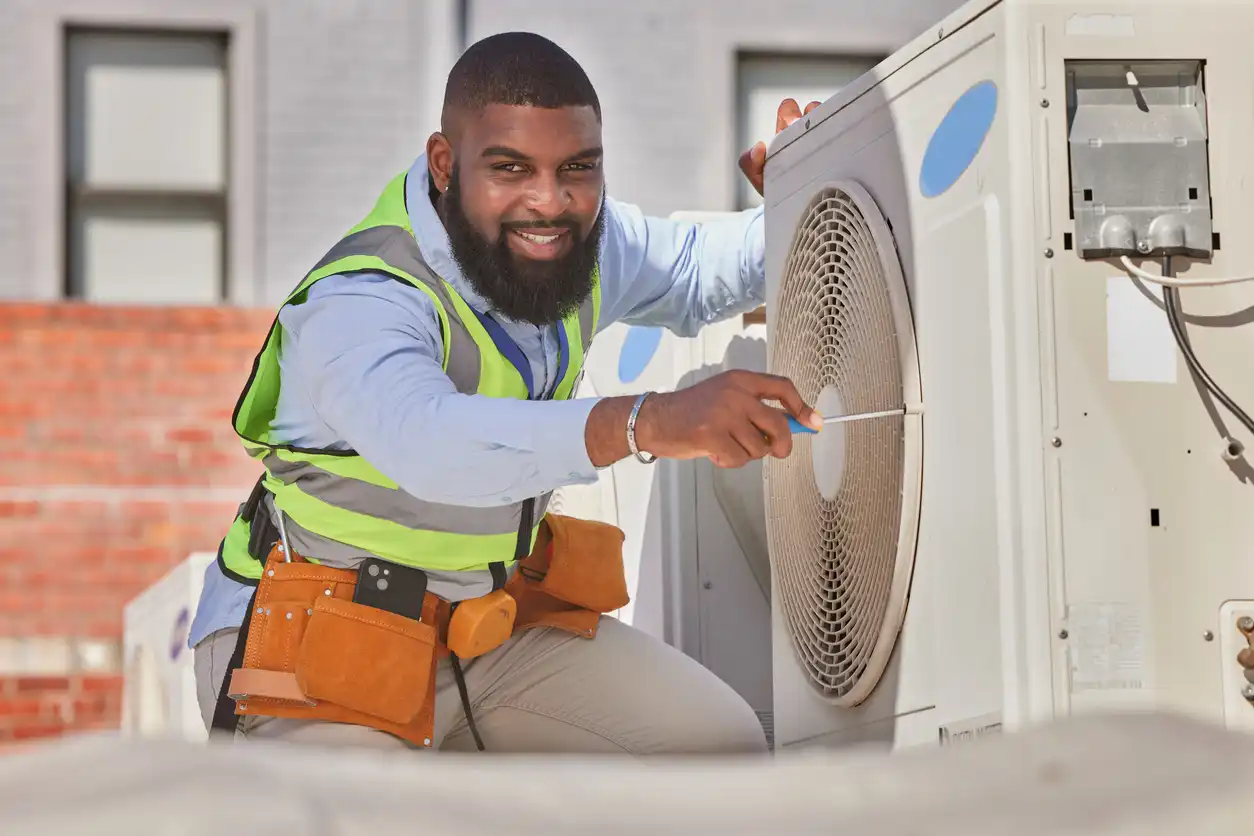
Identifying True HVAC Emergencies
Homeowners often hesitate to call for service outside of regular hours, unsure if their situation warrants an emergency response. However, certain system failures pose risks to the property or the health of the occupants, requiring immediate professional intervention.
- Electrical Hazards: Buzzing noises coming from the unit, burning smells, or a system that constantly trips the breaker indicate severe electrical faults. These issues present a fire risk and require immediate shutdown and professional repair.
- Gas Leaks: If there is a smell of sulfur or rotten eggs near a furnace, this indicates a potential natural gas leak. This is a critical safety hazard. Evacuating the home and calling for service immediately is the only correct course of action.
- Refrigerant Leaks: A frozen evaporator coil or a system blowing warm air often points to a refrigerant leak. Continued operation in this state can permanently damage the compressor, turning a repairable issue into a total system replacement.
- Water Leaks: Clogged condensate drains can cause water to back up and overflow, leading to structural damage in ceilings, walls, or flooring. Stopping the leak protects the integrity of the home.
- Health Vulnerabilities: For households with elderly residents, infants, or individuals with respiratory issues, extreme temperatures are not just uncomfortable; they are dangerous. Loss of cooling in high heat or heating in low temperatures is a medical necessity.
The Technical Diagnostic Process
Understanding the root cause of a breakdown is essential to preventing it from happening again next week. Emergency repairs go beyond swapping out a broken part; they involve a systemic check to ensure the entire unit is operating within manufacturer specifications.
- Airflow Analysis: Technicians measure static pressure to ensure the blower motor is moving enough air across the heat exchanger or coils. Restricted airflow is a leading cause of premature component failure.
- Electrical Testing: Multimeters are used to check voltage and amperage draws on motors and compressors. High amp draws suggest a component is working too hard, signaling underlying friction or resistance.
- Refrigerant Cycle Check: Gauges measure subcooling and superheat levels to determine if the refrigerant charge is correct. An incorrect charge reduces efficiency and cooling capacity.
- Safety Loop Inspection: Modern HVAC systems have multiple safety switches (limit switches, pressure switches, flame sensors). The technician verifies that these safety mechanisms are active and functioning to prevent hazardous operation.
When Replacement Beats Repair
During an emergency call, you may face a difficult decision: repair the existing unit or invest in a replacement. This decision relies on objective data regarding the age, condition, and efficiency of the current system.
- The 50% Rule: If the cost of the repair approaches or exceeds 50% of the value of a new system, replacement is generally the wiser financial move. Investing heavily in a dying system often leads to diminishing returns.
- System Age: Air conditioners and heat pumps typically last 10 to 15 years, while furnaces may last 15 to 20 years. If the equipment is nearing the end of this lifespan, a major repair serves only as a temporary bandage.
- Refrigerant Type: Older systems utilizing R-22 refrigerant are becoming prohibitively expensive to repair due to the phase-out of this chemical. Upgrading to a system that uses R-410A or newer refrigerants ensures future serviceability and lower environmental impact.
- Frequency of Breakdown: If the system has required multiple repairs in the last two years, it has likely become a "money pit." A new system eliminates these recurring costs and provides a warranty for labor and parts.
- Energy Efficiency: New systems offer significantly higher SEER (Seasonal Energy Efficiency Ratio) and AFUE (Annual Fuel Utilization Efficiency) ratings. The monthly savings on utility bills can help offset the cost of the new installation over time.
How Installation and Replacement Works
If a system is deemed unsafe or beyond economical repair, the replacement process is structured to minimize downtime. The focus shifts from emergency triage to precise installation practices that ensure long-term performance.
- Load Calculation: A Manual J load calculation is performed to determine the exact heating and cooling requirements of the home. This accounts for square footage, insulation levels, window orientation, and local climate data.
- System Selection: Based on the load calculation, a unit is selected that matches the home’s needs. Oversized units cycle on and off too frequently, while undersized units run constantly without reaching the set temperature.
- Site Preparation: The work area is prepped with drop cloths to protect flooring. Old equipment is disconnected from electrical and gas lines and removed for proper disposal.
- Installation: The new indoor and outdoor units are positioned and leveled. Refrigerant lines are brazed with nitrogen to prevent oxidation. Electrical connections are tightened to torque specifications.
- Commissioning: The system is not just turned on; it is commissioned. This involves adjusting blower speeds, checking gas pressure, and verifying refrigerant charge to ensure the unit performs exactly as the manufacturer intended.
Local Climate and Regulatory Notes
Operating in Atascadero presents specific challenges and requirements that influence HVAC service and installation. The local Mediterranean climate involves significant temperature swings, with hot, dry summers and cool, wet winters. This thermal variation places distinct stress on heat pumps and air conditioners, requiring robust insulation and properly sized equipment.
- Permitting Requirements: The City of Atascadero requires permits for most HVAC replacements and significant alterations. This ensures that the installation meets current safety and building codes. A compliant installation protects the homeowner’s insurance validity and future property resale value.
- Title 24 Compliance: California’s Title 24 energy standards mandate specific efficiency ratings and often require ductwork testing (HERS rating) during system change-outs. This ensures that new systems are not leaking conditioned air into attics or crawlspaces.
- Utility Rebates: Local utility providers often offer rebates for upgrading to high-efficiency heat pumps or furnaces. Staying informed about these programs can significantly reduce the net cost of a new system.
- Wildfire Season Considerations: Given the regional risk of wildfires, indoor air quality is a priority. Systems should be evaluated for their ability to handle high-efficiency filtration (MERV 13 or higher) without restricting airflow, protecting indoor environments from smoke and particulate matter.
Why Professional Service Matters
In the age of online tutorials, some homeowners attempt DIY repairs on HVAC systems. However, modern heating and cooling equipment involves high-voltage electricity, combustible gases, and high-pressure refrigerants. Without specialized training and tools, DIY attempts often result in misdiagnosis, further damage, or personal injury.
Professional technicians carry the liability insurance and certifications necessary to work safely on these complex systems. They have access to OEM (Original Equipment Manufacturer) parts that are not available to the general public. Furthermore, most manufacturer warranties require proof of professional maintenance and repair; DIY work frequently voids these warranties, leaving the homeowner responsible for the full cost of future failures.
Preventative Maintenance to Avoid Emergencies
While 24-hour service is available when disaster strikes, the most cost-effective strategy is preventing the emergency altogether. Routine maintenance is the primary defense against unexpected breakdowns.
- Coil Cleaning: Dirty condenser coils cannot release heat effectively, causing the compressor to overheat and fail. Regular cleaning maintains efficiency and longevity.
- Condensate Drain Clearing: Algae and sediment build up in drain lines over time. Flushing these lines prevents water damage and system shut-offs.
- Electrical Tightening: Vibration loosens electrical connections over time. Tightening these connections prevents arcing and component failure.
- Filter Changes: A clean filter is the simplest way to protect the system. Clogged filters restrict airflow, leading to frozen coils and strained blower motors.
Secure Your Comfort Now
A broken HVAC system disrupts life, affects sleep, and creates unnecessary stress. Whether dealing with a furnace that blows cold air or an AC unit that refuses to turn on, the solution requires immediate, professional attention. Do not let a mechanical failure dictate the comfort of your home for another hour.
The team is ready to deploy, diagnosing the issue accurately and providing the necessary repairs to get the system back online. From minor electrical fixes to major system overhauls, the focus remains on speed, accuracy, and safety. Organ & Sons Mechanical, Inc. delivers the expertise required to resolve HVAC crises efficiently.
Take control of your indoor climate today. Call now for immediate emergency service.
Contact Us