



Inefficient Heating Driving Up Your Costs? Upgrade Your System
Are increased energy bills and frequent repairs making you rethink your current heating and cooling setup? An upgrade can provide a more efficient, cost-effective home heating solution, especially given the specific climate needs of Salinas; contact us today to discuss your installation options.
- Reduce your energy use and save on monthly bills with a high-efficiency heat pump.
- Enjoy the comfort of reliable heating and cooling all year round.
- Get a quick, professional installation that fits your schedule.
All installations are backed by a full warranty and eligible for energy rebates where applicable.
When your existing system struggles to maintain consistent temperatures or your energy consumption spikes unexpectedly, it is often a sign that the equipment has reached the end of its useful life. Homeowners in the Salinas area rely on heat pumps for their unique ability to handle the coastal marine layer and the occasional heatwave with a single unit. Organ & Sons Mechanical, Inc. provides comprehensive installation services designed to maximize comfort and minimize long-term operational costs.
What You Get With a Modern Heat Pump Installation
Investing in a new heat pump is about more than just swapping out a box outside your home; it is an investment in advanced climate control technology. Modern systems offer capabilities that far exceed units manufactured just a decade ago. When you choose a professional installation, you are securing a system designed to manage both heating and cooling loads with precision.
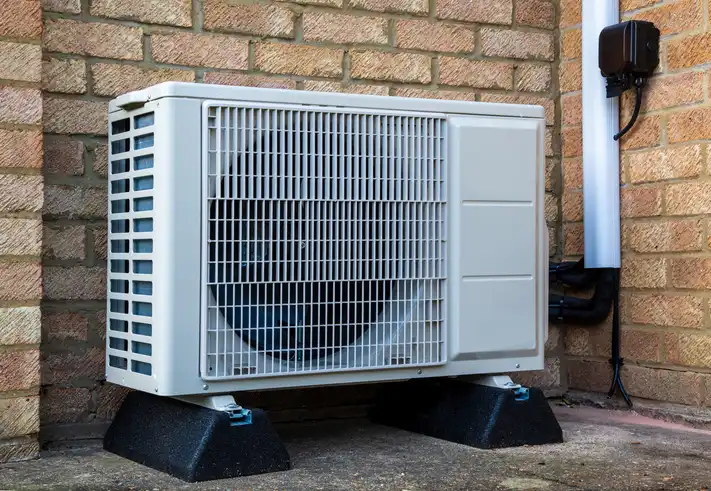
High-Efficiency Technology
Current heat pump models utilize variable-speed compressors and inverter technology. Unlike older, single-stage systems that blast at full capacity and then shut off, these modern units adjust their output in small increments to match the heating or cooling demand of the home. This results in significantly lower energy consumption and eliminates the uncomfortable temperature swings associated with older HVAC systems.
Dual-Function Performance
One of the primary advantages of this technology is the ability to provide both heating and cooling from a single footprint. This eliminates the need for a separate furnace and air conditioner. In a region where nights can be cool and damp while afternoons are sunny, having a system that can seamlessly switch modes is essential. A new installation ensures you are prepared for year-round comfort without maintaining two separate mechanical systems.
Comprehensive System Assessment
A professional installation includes a thorough evaluation of your home’s thermal characteristics. This includes:
- Load Calculation: Performing a Manual J calculation to determine the exact heating and cooling BTU requirements for your specific square footage and layout.
- Ductwork Inspection: Evaluating existing ducts for leaks, insulation gaps, or sizing issues that could impede airflow.
- Electrical Verification: Ensuring your home’s electrical panel can support the voltage and amperage requirements of the new high-efficiency equipment.
- Airflow Balancing: Designing the supply and return air strategy to prevent hot or cold spots in different rooms.
The Installation Process: From Assessment to Airflow
A heat pump installation is a complex mechanical and electrical project that requires adherence to strict protocols. The longevity and efficiency of the unit are directly tied to the quality of the installation.
Site Preparation and Removal
The process begins with the safe disconnection and removal of the old equipment. Technicians must recover any remaining refrigerant from the old system according to EPA guidelines to prevent environmental contamination. The installation site is then prepped, which may involve leveling the ground for the outdoor condenser or reinforcing the mounting pad to ensure stability and vibration reduction.
Indoor and Outdoor Unit Placement
The installation is split between the outdoor condenser and the indoor air handler (or multiple heads in a ductless configuration).
- Outdoor Unit: The condenser is positioned to allow for adequate airflow and service access. It is mounted on a composite pad or stand to keep it off the ground, protecting it from debris and moisture.
- Indoor Unit: The air handler is installed in the designated mechanical space, such as a garage, closet, or attic. Great care is taken to seal connections to the existing ductwork to prevent air loss.
Refrigerant Line and Electrical Connection
Copper refrigerant lines connect the indoor and outdoor components. These lines must be brazed or flared with precision to create a hermetic seal, ensuring no refrigerant leaks occur. Simultaneously, high-voltage electrical wiring is run to power the unit, and low-voltage control wiring is connected to the thermostat. Technicians ensure all wiring meets local electrical codes for safety.
Vacuum and Charging
Once the physical connections are made, the refrigerant lines are pressure-tested with nitrogen to check for leaks. Following a successful pressure test, a deep vacuum is pulled on the lines to remove all moisture and air. This step is critical; moisture left in the lines can freeze or cause acid formation, destroying the compressor. Finally, the system is charged with the precise amount of refrigerant required by the manufacturer.
Final Commissioning
The system is powered on and tested across all modes of operation. Technicians measure static pressure, temperature splits (the difference between supply and return air temperature), and voltage readings. The thermostat is programmed to your preferences, and the system is verified to be communicating correctly with any smart home zoning controls.
Deciding Between Repair and Replacement
Determining whether to sink more money into an aging system or invest in a new installation is a common dilemma. While repairs can offer a short-term fix, there comes a point where replacement is the more financially sound decision.
The 50% Rule
A standard industry guideline is the 50% rule. If the cost of a necessary repair approaches or exceeds 50% of the value of a new system, replacement is generally the better option. Major failures, such as a blown compressor or a leaking evaporator coil, often carry repair costs that make investing in a new unit with a fresh warranty the logical choice.
Age of the Equipment
Heat pumps generally have a lifespan of 10 to 15 years. If your unit is nearing or has surpassed this age range, its internal components are likely worn, and efficiency has degraded. Even if the unit is running, an older system may be operating at a SEER (Seasonal Energy Efficiency Ratio) or HSPF (Heating Seasonal Performance Factor) significantly lower than current standards, costing you more to operate every month — see our hvac terminology page.
Frequency of Breakdowns
If you find yourself calling for service multiple times a year, those costs add up quickly. A reliable system should not require frequent interventions. Continuous breakdowns indicate that the system is failing systemically, and fixing one part often leads to the next weakest link breaking shortly after — try our hvac troubleshooter for help.
Comfort and Air Quality Issues
Old systems often struggle to dehumidify effectively or maintain even temperatures. If your home feels clammy, has inconsistent temperatures between rooms, or if the unit is excessively noisy, these are signs that the technology is no longer capable of meeting your comfort needs. New systems offer superior humidity control and whisper-quiet operation.
Local Considerations for Salinas Homeowners
Installing a heat pump in Salinas requires specific knowledge of the local climate, utility landscape, and regulatory environment. A cookie-cutter approach does not work when dealing with the coastal microclimates of Monterey County.
Managing the Marine Layer
The climate in Salinas is characterized by mild temperatures, but high humidity and fog are common, particularly in the summer months. Heat pumps are excellent at dehumidification, which is essential for preventing mold growth and maintaining indoor air quality in this region. Unlike a standard furnace, which only heats, a heat pump runs in cooling mode to pull moisture out of the air, making the home feel cooler and fresher even when the thermostat setting isn't drastically low.
Electrical Infrastructure and PG&E
Many older homes in the area were built with gas furnaces and may not have the dedicated electrical circuits required for a heat pump. An installation often involves an assessment of your main electrical panel to ensure it can handle the load. Furthermore, navigating the rate plans offered by Pacific Gas & Electric (PG&E) is crucial. Transitioning from gas to electric heating can change your utility profile, and high-efficiency heat pumps are designed to maximize the benefits of time-of-use rate plans by maintaining steady temperatures rather than spiking energy usage.
Permits and Title 24 Compliance
California has some of the strictest energy codes in the nation. Any heat pump installation in Salinas must comply with Title 24 Building Energy Efficiency Standards. This involves:
- Permitting: Obtaining the correct mechanical and electrical permits from the local building department.
- SEER2 and HSPF2 Ratings: Installing equipment that meets the minimum federal and state efficiency mandates.
- HERS Testing: In many cases, a Home Energy Rating System (HERS) rater must verify the ductwork sealing and refrigerant charge after installation to close out the permit.
Professional installers handle this administrative burden, ensuring that the installation is legal, safe, and code-compliant, preventing issues when you eventually sell your home.
Incentives and Rebates
There is a significant push at both the state and federal levels to encourage electrification. Homeowners in Salinas may be eligible for various financial incentives when upgrading to high-efficiency heat pumps. These can include:
- Federal Tax Credits: The Inflation Reduction Act offers tax credits for qualified heat pump equipment.
- TECH Clean California: State-level rebates for switching from gas appliances to electric heat pumps.
- Local Utility Rebates: Potential incentives from regional energy providers for efficiency upgrades.
Navigating the eligibility requirements for these programs requires installing specific equipment models that meet high efficiency tiers. Professional installers are well-versed in these requirements and can guide you toward equipment that qualifies for the maximum return on investment — read our hvac blog for more.
Why Professional Installation Matters
The performance of a heat pump is more dependent on the quality of the installation than the brand of the equipment. An improperly sized or poorly installed unit can lose up to 30% of its rated efficiency, negating the benefits of the upgrade.
Precise Sizing and Selection
Bigger is not better when it comes to HVAC. An oversized unit will short-cycle, turning on and off rapidly. This wears out the compressor, fails to dehumidify the air, and leads to uncomfortable temperature fluctuations. An undersized unit will run continuously, failing to reach the set temperature on colder nights or warmer afternoons. Professionals use precise calculations to select the unit that fits the thermal envelope of your home perfectly.
Warranty Protection
Manufacturers require proof of professional installation to honor their warranties. If a system is installed by an uncertified individual, you risk voiding the parts and compressor warranty. Organ & Sons Mechanical, Inc. ensures that every step of the process is documented and performed to manufacturer specifications, protecting your investment for the long haul.
Long-Term Support
A professional installation establishes a relationship with a service provider. Regular maintenance is key to keeping a heat pump running efficiently. This includes cleaning coils, checking refrigerant levels, and verifying electrical connections. Having a trusted local partner means you have support for the entire lifecycle of the system, from the first day of operation to routine annual check-ups.
Secure Your Comfort with a New Heat Pump
Upgrading your heating and cooling system is a significant decision that impacts your daily comfort and your home’s energy efficiency. By choosing a modern heat pump, you are selecting a versatile solution perfectly suited for the Salinas climate, capable of handling damp mornings and sunny afternoons with equal ease. Don't let an aging system dictate your utility bills or leave you without heat when you need it most.
Take control of your indoor environment with a system designed for performance and longevity. Contact Organ & Sons Mechanical, Inc. today to schedule a consultation and take the first step toward a more comfortable, energy-efficient home.
Contact Us