



Unexpected HVAC System Breakdown Disrupting Your Comfort?
An unexpected HVAC breakdown can instantly turn a comfortable home into a source of stress, especially when temperatures shift. Whether you are facing a complete system failure during a dry, warm summer afternoon or need routine maintenance before the wet winter sets in, finding a reliable solution in Salinas can be challenging. For immediate assistance, Contact us or inquire about our flexible Financing options.
We prioritize restoring your indoor climate efficiently and correctly.
- Fast diagnostics and repair to restore your comfort quickly.
- Transparent pricing with no hidden fees or surprise charges.
- Efficient, same-day service by certified professionals.
- All services are fully licensed, bonded, and insured with flexible financing options available.
When your heating or cooling equipment fails, waiting days for a technician is rarely an option. Organ & Sons Mechanical, Inc. provides the responsive, technical expertise required to diagnose complex mechanical issues and implement lasting repairs.
Immediate Help for HVAC Failures
HVAC systems are complex machines that rely on airflow, refrigerant pressure, and electrical components working in perfect synchronization. When one component fails, it often triggers a cascade of issues that can compromise the entire unit. Identifying the root cause requires more than a cursory glance; it demands a systematic approach to troubleshooting.
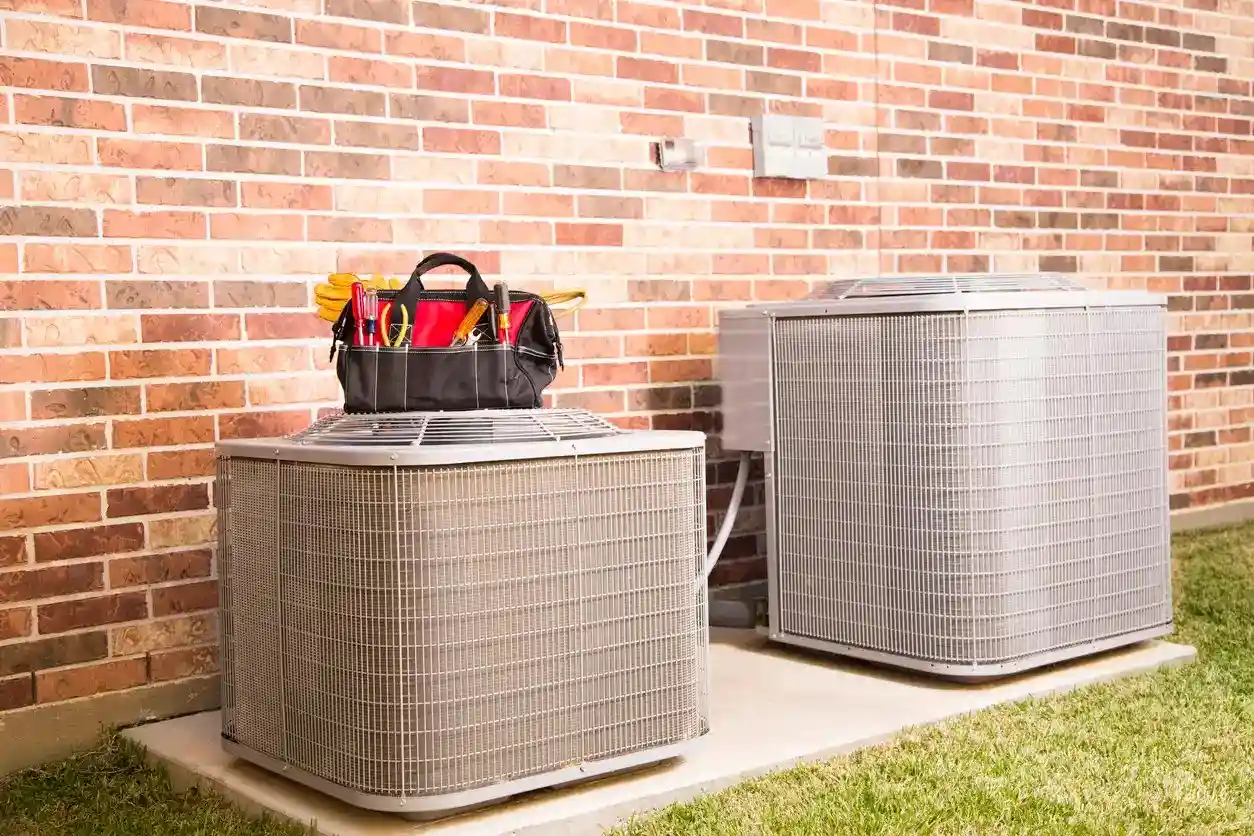
Homeowners in the region often encounter specific failure triggers due to local environmental factors. While the winters are generally mild, the moisture levels can impact electrical contacts and sensors within furnaces and heat pumps. Conversely, the dry heat of summer places a heavy load on capacitors and compressors. Addressing these issues immediately is crucial. Ignoring a small rattle, a weird smell, or a system that "short cycles" (turns on and off rapidly) can lead to a catastrophic failure of the compressor or heat exchanger, turning a minor repair into a major expense.
Common urgent failure signals include:
- Loss of Airflow: This often indicates a failed blower motor, frozen evaporator coils, or severe ductwork blockages.
- Inconsistent Temperatures: If one room is freezing while another is sweltering, it suggests issues with zoning, duct dampers, or low refrigerant levels.
- Unusual Noises: Grinding, squealing, or banging sounds are mechanical cries for help, often pointing to loose belts, failing motor bearings, or loose internal components.
- Spike in Utility Bills: A system running inefficiently to compensate for a failing part will draw significantly more power, visible immediately on your monthly statement.
Your Service Roadmap: What to Expect Today
When you request service, the goal is to move from "problem" to "resolution" with minimal friction. The repair process is designed to be transparent and informative, ensuring you understand exactly what is wrong and how it will be fixed before any work begins.
Upon arrival, a licensed technician performs a comprehensive site evaluation. This is not limited to just looking at the broken part. The technician evaluates the entire system environment, including thermostat communication, air intake, and electrical load.
- Initial Assessment: The technician listens to your description of the problem and runs the system (if safe to do so) to replicate the issue.
- Diagnostic Testing: Specialized tools are used to test voltage, amperage, refrigerant pressures, and static pressure within the ductwork.
- Clear Explanation: Once the issue is isolated, you receive a detailed explanation of the failure. You are presented with the cause, the required fix, and the total cost.
- Authorization and Repair: Work proceeds only after you approve the scope and price. Most common parts are stocked on the truck to facilitate same-day completion.
- Final System Check: After the repair, the system is cycled through its operation modes to ensure the fix is stable and performance is optimal.
Understanding Our HVAC Repair Process
Quality repair work goes beyond swapping out a broken part. It involves ensuring that the new component will integrate correctly with the existing system and that the underlying cause of the failure has been addressed. For example, if a compressor fails, simply replacing it without determining why it failed (such as a blocked thermal expansion valve or a refrigerant leak) will likely result in the new compressor failing shortly after.
Our technical process follows a strict protocol to ensure longevity:
- Safety Inspection: The first step is always ensuring the unit is safe to operate. This includes checking for carbon monoxide leaks in heating systems and electrical shorts in cooling units.
- Component Isolation: We isolate the faulty circuit or mechanical loop. For electrical issues, this means tracing the wiring diagram to find open circuits or shorted wires. For refrigerant issues, this means leak detection using electronic sniffers or UV dye.
- Precision Repair: Worn components are replaced with OEM (Original Equipment Manufacturer) or high-quality equivalent parts. We adhere to strict torque specifications and wiring standards.
- System Calibration: After a repair, the system often needs recalibration. This might involve adjusting the gas valve pressure on a furnace or fine-tuning the refrigerant charge on an AC unit to meet superheat and subcooling manufacturer specifications.
- Clean Up: The workspace is left exactly as it was found. Old parts, packaging, and debris are removed from your property.
Is It Time for a Replacement? Decision-Making Guide
One of the most difficult decisions for a homeowner is determining when a repair is no longer the most economical choice. While Organ & Sons Mechanical, Inc. focuses on repair whenever feasible, there is a mathematical tipping point where keeping an old unit running costs more than investing in a modern, efficient system.
Making this decision requires analyzing several data points regarding your current equipment — read common FAQs.
- The 50% Rule: A general industry standard suggests that if the cost of the repair approaches 50% of the value of a new system, replacement is the smarter financial move.
- System Age: ASHRAE (American Society of Heating, Refrigerating and Air-Conditioning Engineers) standards suggest the average lifespan of a heat pump or AC unit is 10 to 15 years, while gas furnaces may last 15 to 20 years. If your unit is in the upper bracket of these ranges, a major repair is rarely worth the investment.
- Frequency of Breakdowns: If you have required repairs more than twice in the last two years, the system is likely entering its "end of life" phase. The cumulative cost of these service calls often exceeds the monthly payments on a new, warranted unit.
- Efficiency Ratings (SEER/AFUE): Older units likely have SEER (Seasonal Energy Efficiency Ratio) ratings of 10 or 12. Modern standards require minimums of 14 or higher, with high-efficiency units reaching well over 20. Upgrading can reduce monthly energy consumption by 20% to 40%, effectively subsidizing the cost of the new unit over time.
- Refrigerant Type: If your older air conditioner utilizes R-22 refrigerant (Freon), repair costs will be astronomically high due to environmental phase-outs. Upgrading to a system using R-410A or newer refrigerants is necessary for future serviceability.
Salinas-Specific HVAC Information: Permits and Seasonal Advice
Operating an HVAC system in the Salinas Valley presents unique requirements compared to other regions. The local climate and municipal codes dictate how systems should be maintained and repaired.
Permitting and Code Compliance
In Salinas, major HVAC modifications, including system replacements and extensive ductwork repairs, typically require a building permit. This ensures that the installation meets safety standards regarding gas lines, electrical connections, and venting. Professional service providers handle the permitting process on your behalf, ensuring that all work passes inspection and adheres to current Title 24 energy efficiency standards mandated by California. Ignoring permits can lead to fines and complications when selling your home in the future.
Dealing with Coastal Influence and Seasonality
The proximity to the coast introduces moisture and salt air, which can accelerate corrosion on outdoor condenser coils.
- Rust and Corrosion: Regular inspections of the outdoor unit are vital. Technicians check for rust on the base pan and corrosion on the electrical contacts, which can cause intermittent failures.
- Humidity Control: While winters are wet, the goal of heating is often to dry out the interior air as much as warm it. Ensuring your furnace venting is clear and the heat exchanger is intact is critical for safe operation.
- Dry Summer Operations: During the dry, warm peaks of summer, dust and agricultural particulate matter can clog filters rapidly. While standard advice suggests changing filters every 90 days, local conditions may require monthly checks during harvest seasons or high-wind periods to maintain proper airflow.
Why Choose Us: Our Commitments to Quality and Community
Selecting a service provider is about trust. You need to know that the technician entering your home is vetted, skilled, and focused on your best interests. We distinguish our service through technical rigor and operational transparency.
- Certified Expertise: Technicians undergo continuous training to stay current with evolving HVAC technology, including variable-speed motors and smart thermostat integration.
- Fully Stocked Vehicles: To maximize the chance of a first-visit fix, service vehicles are stocked with a wide inventory of universal parts, ensuring you aren't left waiting for a common component.
- Respect for Property: Technicians use shoe covers and drop cloths to protect your flooring and workspace. The goal is to leave the home cleaner than it was found.
- Warranty Protection: Repairs are backed by labor and parts warranties, providing peace of mind that the solution is permanent.
We understand that HVAC issues rarely happen at convenient times. Our operational model is built to respond efficiently, providing the technical solutions necessary to secure your home comfort. Whether it is a minor electrical fix or a major component replacement, the focus remains on quality, safety, and reliability.
When your system falters, you need a partner who understands both the machinery and the local environment. Organ & Sons Mechanical, Inc. is ready to diagnose your issue and implement the right solution today — contact us now.
Don't let a broken system disrupt your life any longer. Contact us now to schedule your diagnostic visit and restore your comfort.
Corrective Solutions Focused on Long-Term Stability
Effective HVAC repair in Salinas, CA, depends on resolving underlying issues rather than temporary fixes. Organ & Sons Mechanical, Inc. uses detailed diagnostics to identify root causes and apply targeted repair solutions. Delayed service often increases system strain and repair scope. Our approach restores stability while reducing repeat service needs.
Resolve HVAC issues with repairs designed to protect system reliability.
Schedule Targeted HVAC Repair Services
Contact Us