



Restore Predictable Warmth to Your Home with Expert Heating Repair
Dealing with unexpected heating breakdowns can leave your home uncomfortably cold, especially during the damp winter months typical of the Salinas region. At Organ & Sons Mechanical, Inc., we provide fast relief with our experienced technicians ready to restore your comfort—contact us immediately to schedule a diagnostic visit or ask about our available financing options.
We understand that when your heat goes out, you need more than just a quick patch; you need a system that functions reliably through the wet season. Our approach focuses on accurate diagnostics and lasting repairs.
- Enjoy rapid, same-day service availability to minimize the time your home spends without heat.
- Receive expert solutions backed by industry-leading warranties on parts and labor.
- Benefit from transparent pricing structures provided upfront, avoiding any unpleasant surprises on your final bill.
Fully licensed and certified, we ensure total compliance with local codes and your peace of mind.
What to Expect From Your Heating Service Appointment
When your heating system fails, the immediate goal is to identify the root cause accurately rather than guessing with expensive parts. A professional service call begins with a comprehensive evaluation of the entire heating envelope. Technicians arrive fully equipped to handle common issues on the spot, reducing the need for follow-up visits and prolonged discomfort.
The diagnostic process involves a systematic check of your furnace or heat pump’s critical components. This includes testing the ignition system, verifying the integrity of the heat exchanger, and ensuring the blower motor is operating at the correct RPM. For gas furnaces, safety is paramount; technicians rigorously test for gas leaks and monitor carbon monoxide levels to ensure the air quality in your home remains safe.
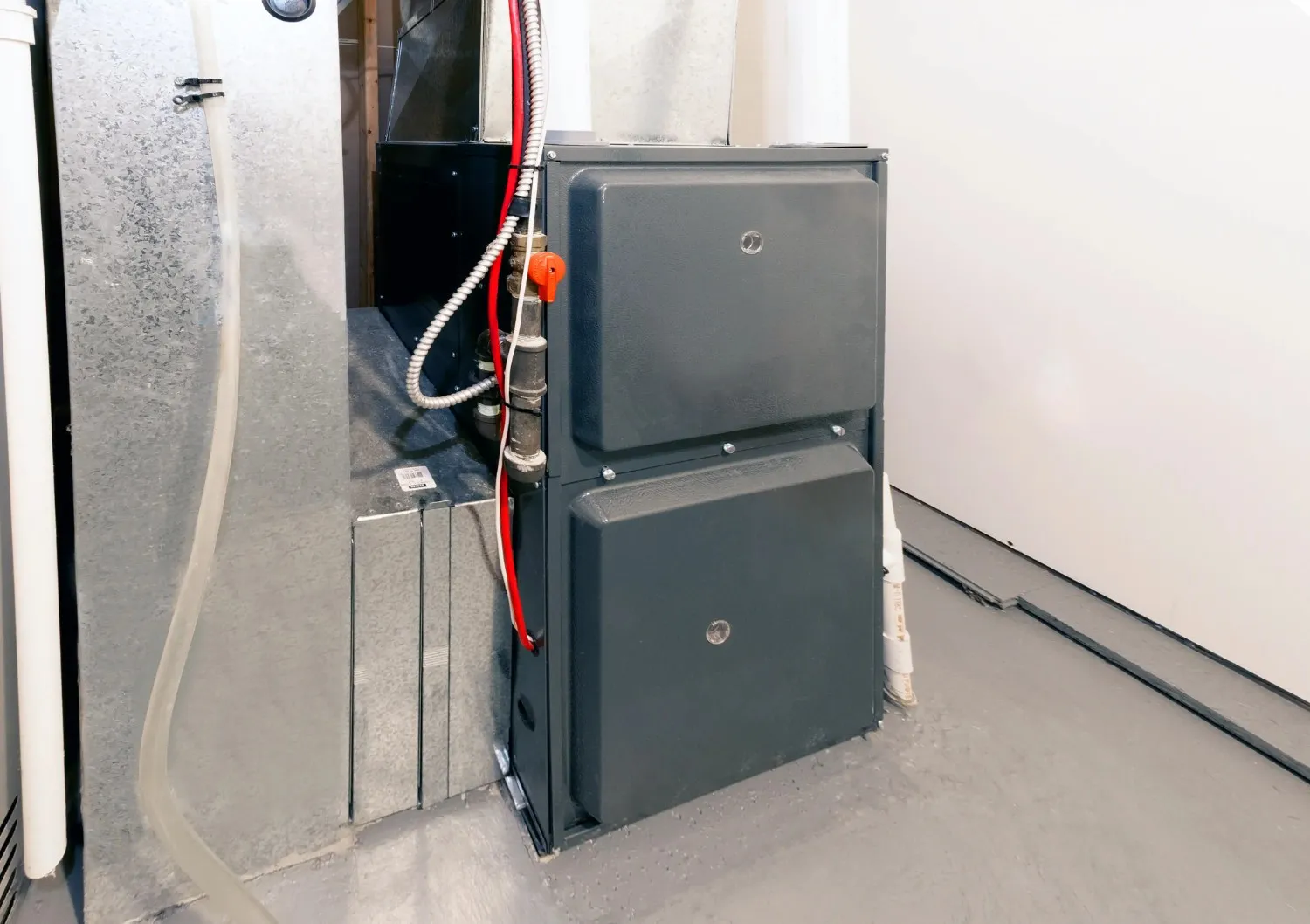
Once the assessment is complete, you receive a detailed report explaining exactly what has failed and why. This is not a sales pitch but a technical explanation of the mechanical failure. You are presented with clear options for repair, including the scope of work, the timeline for completion, and the total cost. If the required parts are on the truck, the repair often happens immediately. If specialized components are needed, a firm timeline for procurement and installation is established before the technician leaves your property.
- Comprehensive Safety Inspection: Technicians check the heat exchanger for cracks, test safety switches, and verify proper venting to prevent hazardous fumes from entering living spaces.
- Performance Testing: Airflow is measured to ensure the system is distributing heat evenly throughout the house, addressing cold spots or overheating in specific rooms.
- Electrical and Mechanical Analysis: Connections are tightened, capacitors are tested, and moving parts are lubricated to reduce friction and wear.
- Thermostat Calibration: The interface between your thermostat and the heating unit is verified to ensure it reads temperature accurately and cycles the system efficiently.
The Process of Heating System Installation and Replacement
There are times when a repair is either impossible due to the extent of the damage or financially unwise due to the age of the unit. When a new system is necessary, the installation process is handled with precision to ensure maximum efficiency and longevity. A successful installation relies heavily on proper sizing and ductwork integration, rather than simply swapping out the old box for a new one of the same size.
The installation workflow follows a strict protocol to ensure the new equipment meets manufacturer specifications and local building standards.
- Load Calculation and Sizing: First, a technician performs a Manual J load calculation. This determines the exact heating requirements of your home based on square footage, insulation levels, window types, and local climate data. This step prevents short-cycling caused by oversized units or the inability to reach set temperatures caused by undersized units.
- Site Preparation and Removal: Next, the area is prepped to protect flooring and surrounding property. The old unit is disconnected from gas and electrical lines and safely removed. Disposal of the old equipment is handled in accordance with environmental regulations.
- Ductwork and Air Quality Assessment: Before the new unit is placed, the existing ductwork is inspected for leaks or obstructions. If the ducts are compromised, the new high-efficiency system will lose energy before it reaches your living space. Necessary modifications or repairs are made at this stage.
- System Installation: The new furnace or heat pump is positioned and leveled. Gas lines, electrical connections, and venting systems are reconnected and sealed. Specialized attention is given to the flue pipe to ensure proper draft and prevent back-drafting of exhaust gases.
- Commissioning and Testing: Finally, the system is fired up for a commissioning phase. Technicians adjust the gas pressure, check static pressure in the ducts, and verify the temperature rise across the heat exchanger. This ensures the unit is running at the efficiency rating promised by the manufacturer.
Deciding When to Replace vs. Repair Your Heating System
Homeowners often struggle with the decision of whether to pour more money into an aging system or invest in a modern replacement. Making this decision requires analyzing the age of the unit, the cost of current repairs, and the long-term efficiency implications — view our FAQs for more insights. While repairs solve immediate problems, they do not reset the clock on a wearing machine.
Financial logic typically dictates the "50% Rule." If the cost of the repair approaches 50% of the value of a new system, replacement is generally the smarter financial move. Additionally, if you find yourself calling for service multiple times in a single season, the cumulative cost of these visits often outweighs the monthly investment of a new, warrantied system.
- Age of the Equipment: Most furnaces have a lifespan of 15 to 20 years, while heat pumps typically last 10 to 15 years. If your unit is approaching or has surpassed this range, parts may be obsolete, and major component failure becomes statistically probable.
- Rising Energy Bills: As heating systems age, they lose efficiency. If your utility usage has increased despite normal weather patterns and usage habits, the internal components are likely working harder to produce the same amount of heat. Modern systems offer significantly higher AFUE (Annual Fuel Utilization Efficiency) ratings, which can lower monthly costs.
- Safety Concerns: Older units, particularly gas furnaces, develop risks such as cracked heat exchangers. This can lead to carbon monoxide leaks. If a safety violation is found, replacement is often the only responsible option.
- Comfort Consistency: If some rooms are freezing while others are roasting, or if the house is constantly dusty and dry, the old unit may no longer be capable of managing airflow and humidity effectively.
- Frequency of Repairs: Consider the frequency of breakdowns. Organ & Sons Mechanical, Inc. advises that if a system requires repairs more than once a year, it is signaling the end of its reliable service life.
Local Considerations for Heating in Salinas
Operating a heating system in Monterey County requires specific attention to local environmental factors and building codes. The climate here involves wet winters with temperatures dipping into the 40s. While it rarely freezes hard, the high humidity and dampness from November through April can accelerate corrosion on heating components, particularly potential rust on burners and heat exchangers.
Regulatory compliance is also a major factor in local heating services. California has some of the strictest energy codes in the nation, specifically Title 24. These regulations dictate efficiency standards for new installations and alterations — visit our blog for updates. When replacing a furnace or heat pump, the project must comply with these standards, which may involve duct testing and sealing to ensure minimal air leakage.
- Permitting and Inspections: Major heating work, including replacements and significant repairs to gas lines, requires a permit from the local building department. This ensures the installation meets safety codes regarding venting, gas piping, and electrical grounding.
- Humidity Management: Because the region experiences damp winters, heating systems must be capable of drying the air sufficiently to prevent mold growth without making the indoor environment uncomfortably dry.
- Gas vs. Electric: Many local homes rely on natural gas, but there is a growing trend and incentive structure for electrification. Understanding the electrical capacity of your home is vital if you are considering switching from a gas furnace to an electric heat pump.
- Utility Rebates: Local utility providers and regional energy networks frequently offer rebates for upgrading to high-efficiency models. These programs change often, so verifying eligibility before installation is part of the planning process.
Why Professional Execution Matters
The difference between a heating system that lasts twenty years and one that fails in seven often comes down to the quality of the service and installation. High-quality equipment installed poorly will never achieve its rated efficiency or lifespan. Professional service prioritizes the technical details that are invisible to the homeowner but crucial for operation—such as proper voltage, gas pressure, and airflow dynamics.
Technicians who are factory-trained understand the nuances of modern, computerized heating equipment. They utilize advanced diagnostic tools rather than relying on guesswork. Furthermore, professional providers carry the necessary liability insurance and worker’s compensation coverage, protecting the homeowner from liability in the event of an accident on the property.
- Access to OEM Parts: Authorized service providers source Original Equipment Manufacturer parts. These components are designed specifically for your make and model, ensuring a perfect fit and preserving the manufacturer’s warranty.
- Respect for Property: Professional technicians use drop cloths and shoe covers to protect flooring and keep the workspace clean. The goal is to leave the home in better condition than it was found.
- Detailed Documentation: Every service call should result in a clear record of what was done, what parts were used, and the health status of the system. This history is valuable for future diagnostics and for proving maintenance compliance for warranty claims.
- Long-Term Support: Establishing a relationship with a dedicated service provider ensures priority response times during peak winter freezes when demand for service is highest.
If you are facing heating issues or need to evaluate the condition of your current system, do not wait for the temperature to drop further. Secure your home’s comfort and efficiency today.
Contact Organ & Sons Mechanical, Inc. now to schedule your heating service.
Professional Oversight That Preserves System Function
Routine heating service in Salinas, CA, plays a key role in maintaining balanced operation and preventing unexpected system issues. Organ & Sons Mechanical, Inc. performs detailed service evaluations that identify component wear, airflow concerns, and operational inconsistencies. Skipped service often leads to increased repair needs. Our structured approach supports predictable and stable system performance.
Maintain dependable heating operation through professional service performed with attention to detail.
Schedule Professional Heating Service Support
Contact Us