



Worry-Free Air Quality: Ensuring Safe, Healthy Indoor Environments
Concerned about the air quality in your home or office? Uncover potential health risks with expert air testing services before they compromise the well-being of your family or employees in Salinas. For immediate scheduling and peace of mind, contact our team today to arrange a comprehensive assessment.
Invisible pollutants often lurk in modern buildings, causing respiratory issues, fatigue, and long-term health complications that go unnoticed until symptoms arise. Organ & Sons Mechanical, Inc. provides the professional intervention needed to identify these hidden dangers accurately.
- Rapid, comprehensive assessments of indoor air pollutants.
- Actionable insights with clear, detailed reports.
- Tailored solutions to improve your air quality and health.
Certified by leading health organizations to ensure your peace of mind.
Your Path to Better Indoor Air: What We Test For and Why
Indoor air quality (IAQ) is rarely about a single pollutant; it is usually a complex mix of particulate matter, biological contaminants, and chemical vapors. Identifying the specific source of contamination is the only way to effectively remediate the issue. Without precise data, homeowners and facility managers are essentially guessing at solutions, often wasting money on ineffective air purifiers or ventilation changes that do not address the root cause.
Professional testing goes far beyond what consumer-grade sensors can detect. The objective is to isolate specific contaminants that correlate with health symptoms or structural issues within the building.
- Biological Contaminants: This category includes mold spores, bacteria, pollen, and dust mites. In coastal regions, excess moisture often leads to hidden mold growth behind drywall or in HVAC systems. Testing identifies the specific species of mold, determining if it is a toxic variety that requires professional remediation or a common allergen manageable with better filtration.
- Volatile Organic Compounds (VOCs): These are gases emitted from certain solids or liquids. Common sources include paints, lacquers, cleaning supplies, building materials, and office equipment. High concentrations of VOCs can cause headaches, eye irritation, and damage to the liver or kidneys over time.
- Particulate Matter (PM2.5 and PM10): These are tiny particles suspended in the air, including dust, soot, and smoke. Because of their microscopic size, they can be inhaled deep into the lungs. This is a critical metric to track during fire seasons or in areas with heavy agricultural activity.
- Combustion Gases: Appliances that burn fuel—such as gas stoves, furnaces, and water heaters—can leak carbon monoxide (CO) and nitrogen dioxide (NO2) if not properly vented. Testing ensures that these colorless, odorless killers are not present in the living space.
- Formaldehyde: Often found in pressed wood products, glues, and insulation, formaldehyde is a known carcinogen. Testing is particularly important in newer homes or recently renovated properties where off-gassing is most prevalent.
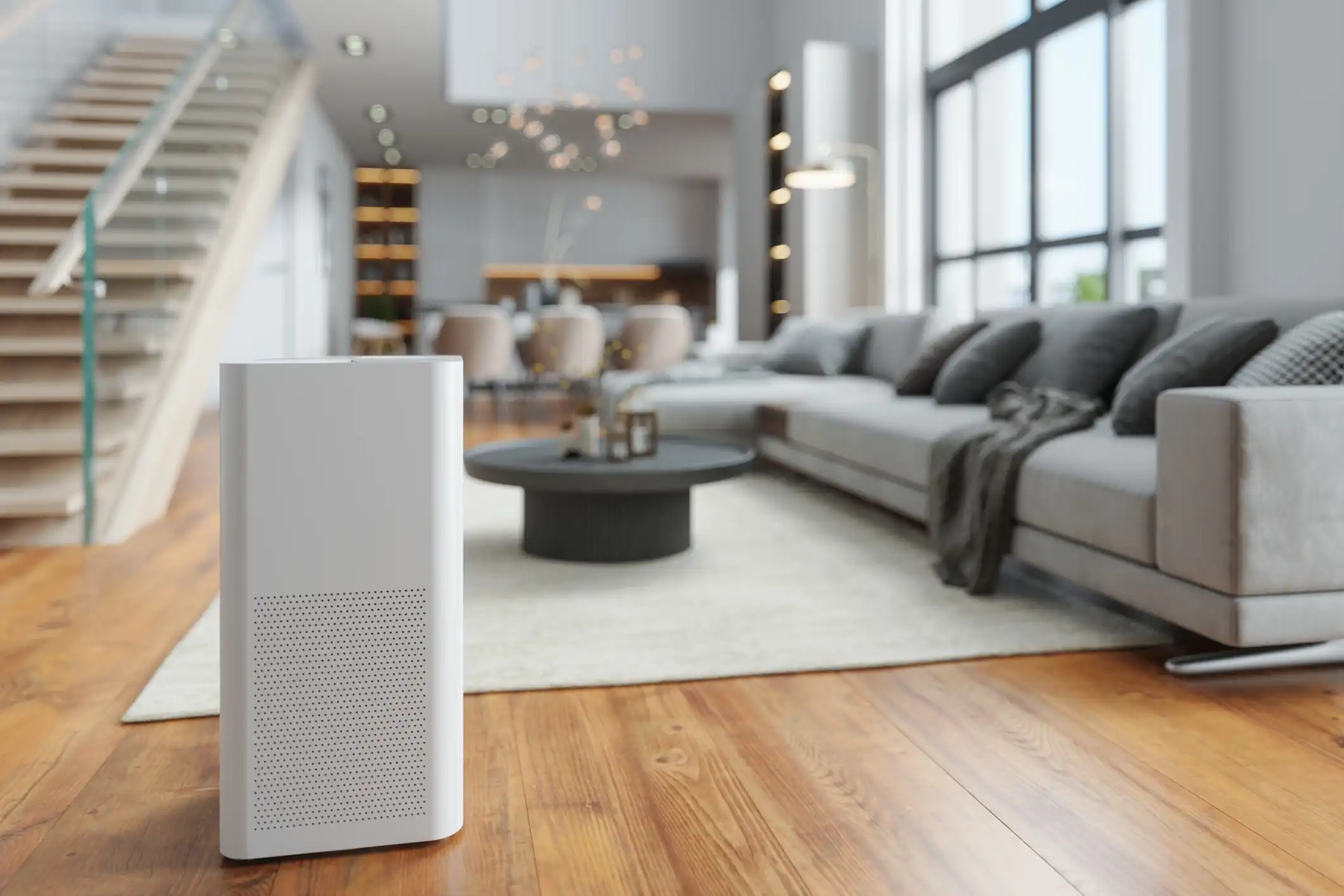
Immediate Service Response: Testing Process and What's Included
When you request air quality testing, the goal is to obtain a scientific snapshot of the environment. The process is systematic, non-invasive, and designed to yield data that holds up to scrutiny. Unlike a general home inspection, this service utilizes calibrated scientific equipment to capture samples that are analyzed by accredited laboratories.
The on-site assessment typically follows a rigorous protocol to ensure accuracy.
- Visual Inspection and Moisture Mapping: The process begins with a physical walkthrough. Technicians look for visible signs of water damage, discoloration on walls, condensation on windows, and potential ventilation blockages. Infrared cameras and moisture meters are used to detect dampness inside walls that is not visible to the naked eye, as moisture is the primary catalyst for biological growth.
- Air Sampling: Technicians set up air sampling pumps on tripods in key areas of the property. These pumps draw a specific volume of air through a cassette designed to trap particulates, spores, and fibers. Outdoor control samples are also taken to establish a baseline for comparison. If the indoor mold count is significantly higher than the outdoor count, it indicates active indoor growth.
- Surface Sampling: If visible growth or suspicious dust is present, surface samples are collected using tape lifts or swabs. This helps determine if a specific stain is mold, soot, or simple dirt, and identifies the exact biological makeup of the substance.
- Real-Time Data Collection: Handheld laser particle counters and gas monitors provide immediate readings for temperature, relative humidity, carbon dioxide levels, and particulate counts. This data helps identify ventilation issues immediately, even before lab results return.
- HVAC System Review: The heating and cooling system acts as the lungs of a building. Organ & Sons Mechanical, Inc. examines the intake, filters, and ductwork to determine if the mechanical system is distributing pollutants throughout the structure.
Understanding Your Report: From Data to Health Recommendations
The value of professional air testing lies in the interpretation of the data. A raw lab report listing spore counts or chemical concentrations is often meaningless without context. The final deliverable is a comprehensive report that translates scientific data into a narrative regarding the health of the building.
This report serves as the roadmap for any necessary remediation or equipment installation.
- Interpretation of Spore Trap Analysis: The report breaks down the types of mold spores found. It distinguishes between common outdoor molds (like Cladosporium) and water-damage indicators (like Stachybotrys, often called "black mold"). The analysis explains whether the levels detected are normal for the area or indicative of an infestation.
- Ventilation Assessment: High levels of Carbon Dioxide (CO2) often indicate poor ventilation. If the air exchange rate is too low, pollutants accumulate rather than being flushed out. The report will specify if fresh air intake needs to be increased.
- Source Identification: The data helps pinpoint where the problem originates. For example, high VOC levels in a bedroom might point to new carpet or furniture, while high particulate counts in the living room might suggest a fireplace issue or leaky return ducts drawing in attic dust.
- Prioritized Recommendations: The report concludes with a step-by-step action plan. This might include recommendations for duct cleaning, humidity control installation, specific filtration upgrades (such as HEPA or MERV 13), or structural repairs to stop water intrusion.
When to Opt for More Extensive Air Quality Solutions
Air testing results dictate the next steps. In some cases, the solution is a simple behavior change or maintenance task. In others, permanent mechanical solutions are required to ensure the environment remains safe. Understanding the difference between a temporary spike in pollutants and a chronic infrastructure failure is key to making cost-effective decisions.
Deciding between minor repairs and major equipment installation depends on the severity and source of the contamination.
- Persistent High Humidity: If testing reveals consistently high humidity levels (above 50-60%) that the current AC cannot manage, a whole-home dehumidifier is likely necessary. Reliance on portable units is often insufficient for controlling moisture throughout an entire property.
- Recurring Biological Growth: If mold returns after surface cleaning, or if air tests show systemic spore circulation, this indicates a failure in the building envelope or HVAC system. In this scenario, installing UV germicidal lights in the ductwork or upgrading to a highly specialized filtration system is more effective than repeated cleaning.
- Chronic Respiratory Aggravation: For occupants with asthma or severe allergies, "normal" air quality might not be good enough. If testing shows average levels of particulates but occupants still suffer, the installation of a bypass HEPA filtration system or an Energy Recovery Ventilator (ERV) to introduce filtered fresh air becomes a medical necessity rather than a luxury.
- Chemical Sensitivity: If high VOCs are detected due to the building materials themselves (off-gassing), increasing ventilation through mechanical means (ERV/HRV) is often the only way to dilute the chemicals to safe levels without losing energy efficiency.
Local Insights: How the Coastal Climate Affects Your Air Quality
The local climate in Salinas presents unique challenges for indoor air quality that differ significantly from inland or arid regions. The geography creates a specific set of environmental conditions that property owners must manage proactively.
- Marine Layer and Moisture Control: The prevalence of coastal fog, particularly in late spring and early summer, keeps outdoor humidity levels high. This ambient moisture can easily infiltrate homes through open windows or crawl spaces. Without adequate dehumidification or tight building envelopes, this creates the perfect breeding ground for mold and dust mites, even when it is not raining.
- Agricultural Particulates: Being in a hub of agricultural activity means that dust, soil, and potential pesticide drift are factors to consider. During tilling and harvest seasons, PM10 levels can spike. Homes and businesses closer to fields need more robust filtration strategies to prevent these outdoor contaminants from settling indoors.
- Wet Winters and Drainage: The concentration of rainfall in the winter months tests the waterproofing of every structure. Minor roof leaks or grading issues around the foundation can lead to water intrusion that remains damp for weeks due to cool temperatures, facilitating deep-seated fungal growth that requires testing to detect.
- Wildfire Smoke Intrusion: While coastal breezes often clear the air, regional wildfires can cause smoke to settle in the valley. Testing during or after fire season can determine if smoke particulates and ash have permeated the HVAC system and soft surfaces of the interior, necessitating deep cleaning.
Proven Expertise: Our Certifications and Community Commitment
Choosing a professional service for air quality testing ensures that the results are legally defensible and scientifically valid. DIY test kits often suffer from user error, lack of chain-of-custody protocols, and limited analysis capabilities (often growing mold that was never airborne). Professional testing provides a controlled environment and uses equipment calibrated to industry standards.
Reliability in air quality testing comes from adherence to strict protocols and an understanding of building science.
- Chain of Custody: Samples are handled, transported, and analyzed following strict chain-of-custody procedures. This ensures that the results are accepted by insurance companies, real estate transactions, and legal proceedings if necessary.
- Unbiased Reporting: The primary goal is accurate data. The testing is conducted to reveal the truth about the environment, providing a neutral baseline from which to make decisions.
- Comprehensive Analysis: Unlike single-parameter sensors, professional testing looks at the holistic picture of the indoor environment. It considers how temperature, humidity, pressure differentials, and pollutant loads interact to create the current conditions.
Protect your property and the health of those inside it by securing accurate, actionable data regarding your indoor air quality.
Identify the invisible threats in your air today—schedule your professional air quality test now.
Accurate Testing That Reveals Hidden Air Issues
Detailed air quality testing in Salinas, CA, provides reliable data about airborne particles, circulation concerns, and filtration gaps inside your property. Organ & Sons Mechanical, Inc. conducts professional testing to replace assumptions with clear, actionable insight. Without testing, air quality concerns often remain unaddressed. Our evaluations help guide precise improvement decisions.
Gain clarity on indoor air conditions through professional testing performed with accuracy.
Schedule Professional Air Quality Testing Services
Contact Us