



Inconsistent Temperatures or System Failure Requiring Immediate Attention
Is your heating or cooling system failing to maintain a comfortable environment, or has it shut down completely? In Salinas, property owners require prompt, technically accurate service from professionals who understand the specific demands of the coastal climate. Contact us today to schedule a diagnostic visit or inquire about available financing options.
When mechanical systems fail, the priority is restoring functionality with minimal downtime. You need a contractor who arrives equipped to handle complex repairs or assess the need for a full system replacement without unnecessary delays.
- Technicians arrive on-site prepared to diagnose and resolve critical failures rapidly.
- Installations and repairs are conducted by certified experts adhering to strict industry standards.
- Pricing is transparent and provided upfront, eliminating financial surprises after the work is done.
All services provided by Organ & Sons Mechanical, Inc. are fully licensed, insured, and compliant with local building regulations to protect your property and investment.
Comprehensive HVAC Contractor Services Available Today
Hiring a professional HVAC contractor is about more than just fixing a broken part; it is about ensuring the longevity and efficiency of your building’s climate control infrastructure. When you request service, the focus is on a holistic assessment of your heating, ventilation, and air conditioning systems. The goal is to identify the root cause of the issue—whether it is airflow restriction, electrical failure, or refrigerant leaks—and implement a permanent solution.
Service appointments generally fall into two categories: emergency repair and planned system replacement. For repairs, the objective is immediate restoration of comfort. This involves troubleshooting control boards, testing blower motors, and verifying refrigerant levels. For replacements, the scope includes removing old equipment, modifying ductwork if necessary, and installing high-efficiency units that meet modern SEER2 standards.
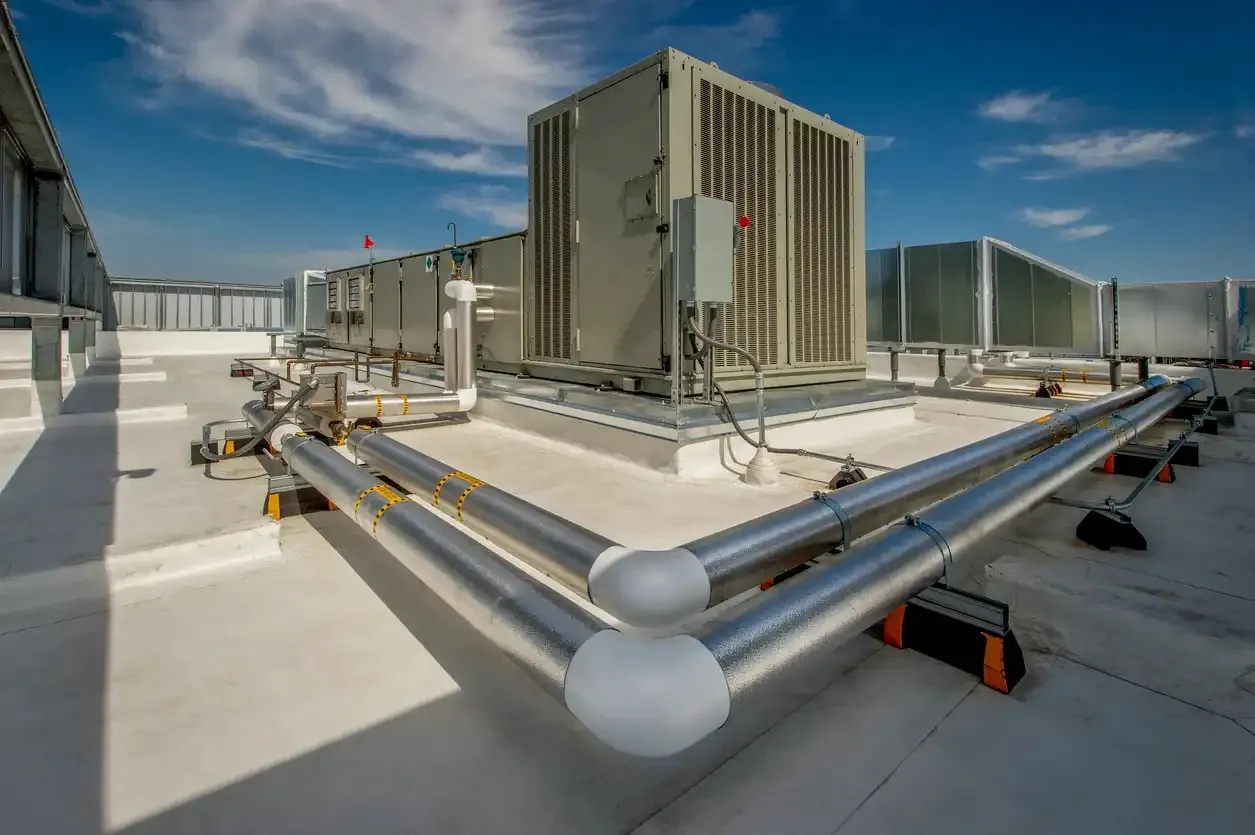
The scope of work for a standard service call typically includes:
- System Diagnostics: Utilizing advanced tools to measure static pressure, voltage, amperage, and temperature differentials to pinpoint inefficiencies.
- Component Replacement: Swapping out failed capacitors, contactors, compressors, or heat exchangers with OEM or high-grade equivalent parts.
- Airflow Optimization: Inspecting ductwork for leaks, kinks, or disconnections that force your system to work harder than necessary.
- Thermostat Calibration: Ensuring the interface controlling your system is reading temperatures accurately and communicating correctly with the furnace or condenser.
- Safety Inspections: Checking for carbon monoxide leaks in gas furnaces and ensuring all electrical connections are tight and insulated to prevent fire hazards.
In the Salinas area, where the climate can shift from damp, foggy mornings to warm afternoons, your system must be versatile. Contractors focus on ensuring your equipment can handle these rapid transitions without short-cycling, which causes premature wear and tear. Whether dealing with a gas furnace, a heat pump, or a traditional split air conditioning system, the service provided is comprehensive, covering every aspect from the thermostat on the wall to the condenser unit outside.
How the Installation and Replacement Process Works
When a system reaches the end of its service life, a structured installation process ensures the new unit operates at peak manufacturer specifications. A proper installation is the single most important factor in the longevity of HVAC equipment. Even the highest-rated brand will fail prematurely if installed incorrectly. The process is methodical, prioritizing correct sizing and code compliance over speed.
- Load Calculation and Sizing: The process begins with a Manual J load calculation. This engineering standard determines exactly how much heating and cooling capacity the property requires. It accounts for square footage, insulation levels, window orientation, and even the number of occupants. Skipping this step leads to oversized units that cycle too frequently or undersized units that run continuously without satisfying the thermostat.
- Site Preparation and Removal: Technicians protect the workspace with drop cloths and safety gear before disconnecting the old unit. Refrigerant is recovered safely according to EPA guidelines, ensuring no environmental contamination. The old equipment is removed and hauled away for proper recycling.
- Ductwork and Infrastructure Inspection: Before the new unit is set, the existing ductwork is examined. If the new system has a higher airflow requirement, modifications to the plenum or return drops may be necessary to prevent high static pressure, which kills efficiency.
- Equipment Installation: The new furnace, air handler, or evaporator coil is positioned and leveled. For outdoor units, a new pad is often laid to ensure stability. Refrigerant lines are brazed with nitrogen purging to prevent oxidation inside the copper lines—a critical step for system longevity.
- Electrical and Control Integration: High-voltage wiring is connected to a safety disconnect box, and low-voltage control wiring is routed to the thermostat. Modern systems often require updated wiring to handle communicating thermostats or variable-speed motors.
- System Charging and Commissioning: Once physically installed, the system is pressure-tested with nitrogen to ensure there are no leaks. A vacuum pump removes moisture from the lines before the factory-specified amount of refrigerant is weighed in. The system is then fired up, and technicians measure airflow and temperature split to verify performance.
Determining When Replacement Beats Repair
Property owners often face the difficult decision of whether to invest in repairs or opt for a full system replacement. Making this decision requires a logical analysis of the system’s age, repair costs, and future efficiency gains. BOFU content readers need to know the financial and practical tipping points.
There are specific benchmarks used in the industry to guide this decision:
- The 50% Rule: If the cost of the repair approaches 50% of the value of the system (or the cost of a new unit), replacement is generally the smarter financial move. Investing heavy capital into a degrading asset yields diminishing returns.
- The Age Factor: Most standard HVAC systems have a lifespan of 12 to 15 years. If a unit is over 10 years old and requires a major component replacement—such as a compressor or heat exchanger—replacement is recommended. Older units are also likely to use outdated refrigerants like R-22, which have become prohibitively expensive and difficult to source.
- Frequency of Breakdowns: A system that requires multiple service calls in a single season is signaling "end of life." The cumulative cost of minor repairs—service fees, labor, and parts—can quickly exceed the monthly payment of a financed new system.
- Efficiency Gaps: HVAC technology has advanced significantly in the last decade. A 15-year-old system likely operates at 8-10 SEER, whereas modern units start at 14-15 SEER and go much higher. Replacing an old unit can result in immediate utility bill reductions, offsetting the installation cost over time. Organ & Sons Mechanical, Inc. can assess your current energy usage to project potential savings.
- Comfort and Noise Issues: If some rooms are always too hot or too cold, or if the unit runs loudly and rattles, it indicates internal wear that a simple repair cannot fix. Variable-speed blowers and two-stage compressors found in new units provide consistent temperatures and near-silent operation.
Navigating Local Notes: Permits, Utilities, and Seasonality
Operating in this region requires specific knowledge of environmental factors and regulatory requirements. A generic approach does not work when dealing with the specific microclimates and municipal codes found here.
- Permitting and Code Compliance: Any significant alteration to a heating or cooling system, particularly system replacements, requires a permit from the local building department. This ensures the installation meets safety codes regarding gas line connections, electrical load, and venting. Professional contractors handle the permit application and schedule the final city inspection, removing the liability from the property owner.
- The Marine Layer Impact: The proximity to Monterey Bay brings frequent fog and higher humidity levels. This "marine layer" carries salt air, which is highly corrosive to outdoor condenser coils. In this region, it is often necessary to select equipment with enhanced corrosion protection or schedule more frequent coil cleanings to prevent the aluminum fins from rotting away.
- Ductwork Insulation Requirements: Due to local energy codes (Title 24 in California), ductwork in unconditioned spaces like attics or crawlspaces must be heavily insulated and strictly sealed. Leaky ducts are a major source of energy loss. Testing for duct leakage is often a required part of the inspection process for new installations.
- Utility Programs: Local utility providers frequently offer rebates for upgrading to high-efficiency electric heat pumps or smart thermostats. These programs are designed to reduce strain on the grid. A knowledgeable contractor can guide you toward equipment that qualifies for these financial incentives.
- Heating Season Specifics: While winters are mild compared to other parts of the country, they are wet. High humidity can make 50 degrees feel much colder. Systems here must be calibrated to manage humidity effectively while heating. A simple furnace replacement must account for the moisture content in the air to prevent condensation issues within the venting system.
Proof of Expertise and Service Differentiators
Choosing the right contractor is the final step in resolving your HVAC issues. You need a partner who combines technical proficiency with operational reliability. The focus should be on verified experience and the ability to deliver results without requiring micromanagement from the property owner.
- Technical Certification: Technicians undergo rigorous training to stay current with evolving HVAC technologies, including inverter-driven compressors and smart home integration. This ensures that the person working on your equipment understands the physics and electronics behind it.
- Warranty Support: Professional installations come with robust warranties—both from the manufacturer for parts and from the contractor for labor. If an issue arises post-installation, reputable providers return to correct it without hassle.
- Availability and Response: Mechanical failures rarely happen at convenient times. A service provider structured for urgency ensures that you are not left without heat or cooling for extended periods. The ability to source parts quickly through established supply chain relationships minimizes downtime.
- Detailed Documentation: From the initial quote to the final invoice, every aspect of the job is documented. You receive clear records of what was done, what parts were used, and the results of any performance tests. This documentation is vital for maintaining manufacturer warranties and for future property sales.
- Respect for Property: The work area is treated with care. Technicians use shoe covers, drop cloths, and protective mats to ensure your home remains clean. Post-job cleanup is mandatory, leaving the space exactly as it was found, only with a functioning climate system.
Secure Your Comfort and System Efficiency
Ignoring HVAC irregularities leads to higher energy bills, reduced indoor air quality, and the inevitable failure of the system at the worst possible time. Whether you require an emergency repair to get back up and running or a strategic replacement to improve efficiency, the solution lies in professional intervention.
Organ & Sons Mechanical, Inc. provides the technical expertise and local experience necessary to handle the unique climate challenges of the area. Do not let a minor issue escalate into a major expense.
Take control of your indoor climate—contact us immediately to schedule your service.
Contact Us