



Eliminate Uneven Temperatures and Rising Energy Costs
Inconsistent temperatures and escalating energy bills often plague homeowners in Pismo Beach due to aging infrastructure or lack of central ductwork, but a modern ductless system provides a precise, energy-efficient remedy. Contact us today to schedule your site evaluation or explore our financing options.
Organ & Sons Mechanical, Inc. specializes in retrofitting homes with high-performance ductless mini-split systems that deliver targeted comfort without the need for major renovation. Whether you are looking to cool a single room or create a whole-home zoning solution, we provide the technical expertise required for a flawless setup.
- Experience quick, professional installation: Most systems are operational within a single day, minimizing disruption to your routine.
- Reduce energy costs immediately: Utilize inverter-driven compressors that adjust output to match demand, significantly lowering monthly utility expenses.
- Secure long-term peace of mind: All projects come with comprehensive warranties and responsive local support for ongoing reliability.
Rest assured that every installation we perform is fully permitted, code-compliant, and backed by robust manufacturer warranties to ensure your investment is protected.
What to Expect: Installation Scope, Timelines, and Inclusions
Ductless air conditioning, often referred to as a mini-split system, bridges the gap between inefficient window units and complex central air systems. For residents in Pismo Beach, where many homes were built without original ductwork or have additions that the main system cannot reach, this technology is the gold standard for climate control. Understanding the scope of work helps homeowners prepare for the transition to zonal cooling.
The scope of a ductless installation is significantly less invasive than traditional HVAC replacements. A standard system comprises two main components: an outdoor condenser unit and one or more indoor air handling units. These are connected by a conduit housing the power cable, refrigerant tubing, and a condensate drain. Because the conduit requires only a three-inch hole through the wall, the structural integrity and security of the home remain compromised.
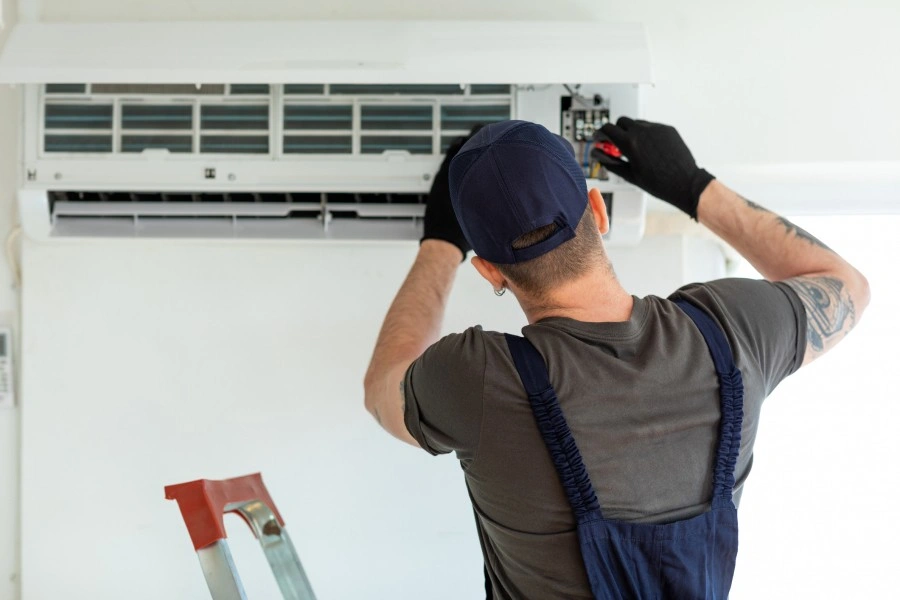
Typical Project Timelines
- Single-Zone Systems: These installations are typically the fastest. A certified technician can usually mount the indoor unit, set the outdoor condenser, and establish connections within four to six hours. This makes it an ideal solution for a bonus room, garage, or master bedroom addition.
- Multi-Zone Systems: If you are opting for a whole-home solution involving four to five indoor heads connected to a single outdoor compressor, the timeline may extend to two days. This allows time for precise line-set running, electrical upgrades if necessary, and thorough system balancing.
Core Inclusions
- System Design and Sizing: We do not guess. A load calculation is performed to determine the exact BTU capacity needed for the specific square footage and thermal characteristics of the room.
- Mounting Hardware: Whether wall-mounted, floor-mounted, or ceiling-cassette styles are chosen, all necessary brackets and vibration isolation pads are included to ensure quiet operation.
- Electrical and Refrigerant Lines: High-quality, insulated copper line sets are used to prevent energy loss and condensation issues.
- Smart Controls: Modern ductless systems come equipped with handheld remotes or wall thermostats, with many offering Wi-Fi capabilities for control via smartphone apps.
Our Installation Process: Steps to Enhance Your Home Climate Control
A successful installation relies on a strict adherence to technical protocols. Cutting corners on the installation process is the leading cause of premature system failure and inefficiency. We follow a rigorous, step-by-step procedure to ensure the equipment operates at the manufacturer’s rated efficiency (SEER) levels.
Site Evaluation and Load Calculation
- The process begins with a detailed assessment of the installation site. Technicians verify the wall structure can support the weight of the indoor unit and locate a suitable position for the outdoor unit that allows for proper airflow and maintenance access.
- A Manual J load calculation is performed to verify the cooling and heating requirements of the space, ensuring the unit is neither undersized (which causes it to run constantly) nor oversized (which leads to short-cycling and humidity issues).
Indoor Unit Mounting
- A mounting plate is secured to the interior wall, ensuring it is perfectly level. Even a slight tilt can impede the drainage of condensate water, leading to potential leaks.
- A three-inch hole is drilled through the exterior wall. This hole is drilled at a slight downward angle to the exterior to facilitate gravity drainage.
Running Connections and Sealing
- Refrigerant lines, control wiring, and the drain hose are bundled and passed through the wall.
- The exterior penetration is sealed with high-grade silicone or weather-tight sleeves to prevent moisture ingress and pest intrusion.
Outdoor Unit Installation
- The condenser is placed on a composite concrete pad or mounted to the side of the house using heavy-duty brackets. In coastal areas like Pismo Beach, elevating the unit can help protect it from ground debris and potential water accumulation.
- Refrigerant lines are connected to the service valves using flared fittings. A torque wrench is used to tighten these connections to precise manufacturer specifications to prevent leaks.
Vacuum and Pressure Testing
- Before releasing the refrigerant, the lines are pressure-tested with nitrogen to identify any leaks.
- A vacuum pump is used to remove all moisture and air from the lines. This step is critical; any moisture left in the system can freeze or react with the oil to form acid, destroying the compressor.
System Start-Up and Commissioning
- Refrigerant is released into the system.
- Technicians run the unit in both cooling and heating modes, measuring the temperature differential (Delta T) between the intake and discharge air to confirm optimal performance.
- The user is trained on how to operate the remote control and clean the washable filters.
Deciding Between Ductless AC Replacement and Repair
Homeowners often face a dilemma when their current cooling solution begins to falter. Whether you are relying on window units, portable ACs, or an older central system, determining when to pivot to a ductless installation requires analyzing long-term costs versus short-term fixes.
When to Repair
- Minor Component Failure: If a capacitor or contactor fails on a relatively new unit (under 5 years old), repair is usually the most cost-effective option — try our HVAC troubleshooter for guidance.
- Warranty Coverage: If the existing equipment is still under a parts and labor warranty, utilizing that coverage makes financial sense.
When to Replace with Ductless
- Inefficiency and Age: If your current system is over 10 to 15 years old and uses R-22 refrigerant, repairs will be exorbitantly expensive. Modern ductless systems offer SEER ratings upwards of 20-25, drastically outperforming older units that may operate at 10-13 SEER.
- Zoning Needs: If you struggle with "hot spots" where one room is boiling while the rest of the house is freezing, repair cannot fix this design flaw. Organ & Sons Mechanical, Inc. recommends ductless replacement in these scenarios to achieve room-by-room temperature control.
- Security and Noise: If you are currently using window units, you are exposing your home to security risks and excessive noise. Replacing these with a permanently installed mini-split improves home security and operates at a whisper-quiet decibel level.
- Lack of Ductwork: For homes undergoing renovations or additions where extending ductwork is structurally impossible or cost-prohibitive, a ductless installation is the only viable permanent solution.
Local Insights: Permitting Requirements and Optimal Installation Times
Operating in Pismo Beach presents specific environmental and regulatory considerations that affect HVAC installations. Understanding these local factors ensures that your project remains compliant and performs well against the coastal climate — read our HVAC FAQs for more info.
Permitting and Title 24 Compliance
- Mandatory Permits: In California, mechanical installations, including ductless mini-splits, require a building permit. This ensures the installation meets safety codes regarding electrical connections and structural mounting.
- Energy Standards: California’s Title 24 energy standards are among the strictest in the nation. New installations must meet specific efficiency criteria. A professional contractor handles the documentation and HERS testing (if applicable) to certify compliance. Unpermitted work can lead to fines and complications when selling the property.
Coastal Climate Considerations
- Corrosion Protection: The marine layer and salt air in Pismo Beach can accelerate corrosion on outdoor condenser coils. We recommend units with anti-corrosive coatings (often called "gold fin" or "blue fin" technology) to extend the lifespan of the equipment in this specific environment.
- Heat Pump Capability: While the region is known for mild weather, winter nights can get damp and chilly. Ductless systems are heat pumps, meaning they can reverse their operation to provide efficient heating as well as cooling. This dual capability eliminates the need for separate space heaters during the wet winter months.
Seasonality and Scheduling
- Best Time to Install: The demand for cooling services peaks during the warm, dry summer months. Scheduling an installation during the "shoulder seasons" (spring or late autumn) often results in faster appointment availability.
- Morning Marine Layer: Installations are often scheduled to account for the morning marine layer, ensuring that electrical work and sealant applications are done when moisture levels are manageable.
Why Choose Us: Certifications and Technical Expertise
Selecting the right contractor is just as important as selecting the brand of equipment. The efficiency and longevity of a ductless system are almost entirely dependent on the quality of the installation. A poor install—characterized by bad flares, improper vacuuming, or messy electrical work—will ruin even the most expensive equipment.
Technical Precision
- Correct Sizing: We avoid "rule of thumb" sizing. We ensure the unit size matches the thermal load of the room to prevent humidity issues and short cycling.
- Specialized Tools: We utilize digital manifolds, micron gauges, and torque wrenches specifically calibrated for mini-split systems.
- Cleanliness: We treat your home with respect, using drop cloths and ensuring all drilling dust is contained and removed.
Transparency and Verification
- Clear Scope: You will receive a detailed explanation of where units will be placed and how lines will be run before any work begins.
- Testing: We do not leave until the system is pressure tested, vacuumed, and verified to be cooling and heating correctly.
Organ & Sons Mechanical, Inc. is committed to delivering high-efficiency cooling solutions that stand the test of time and the coastal elements.
Take Control of Your Comfort Today
Don't let inefficient cooling or loud window units disrupt your home life any longer. Upgrade to a whisper-quiet, energy-saving ductless system designed for your specific needs.
Ready for a more comfortable home? Contact us now to schedule your consultation and start your journey toward efficient, customized climate control.
Contact Us