



Unreliable Heating or Cooling Disrupting Your Comfort?
Experiencing inconsistent temperatures, strange noises, or a complete system shutdown is stressful, especially when you need your home to be a sanctuary against the elements. You require immediate, professional intervention to restore safety and climate control to your property without unnecessary delays. Contact us immediately to schedule a diagnostic visit or ask about our available financing options.
Residents in Pismo Beach rely on functioning HVAC systems to manage humidity and maintain comfort throughout the year. When a system fails, you need a solution that goes beyond a quick patch. You need a comprehensive repair or installation that ensures long-term efficiency.
- Same-day service availability to address critical heating and cooling failures.
- Energy-efficient system designs that lower utility costs and meet strict local codes.
- Certified technicians equipped to handle the specific climate challenges of the Central Coast.
- Fully licensed and insured services backed by comprehensive warranties and compliance guarantees.
Comprehensive HVAC Solutions for Your Home
When you engage a professional contractor, you expect a thorough approach to climate control. It is not enough to simply swap out a part; the entire system must be evaluated to ensure it operates at peak performance. Organ & Sons Mechanical, Inc. delivers a full spectrum of services designed to address the root causes of inefficiency and breakdown.
Advanced Diagnostics and Repair
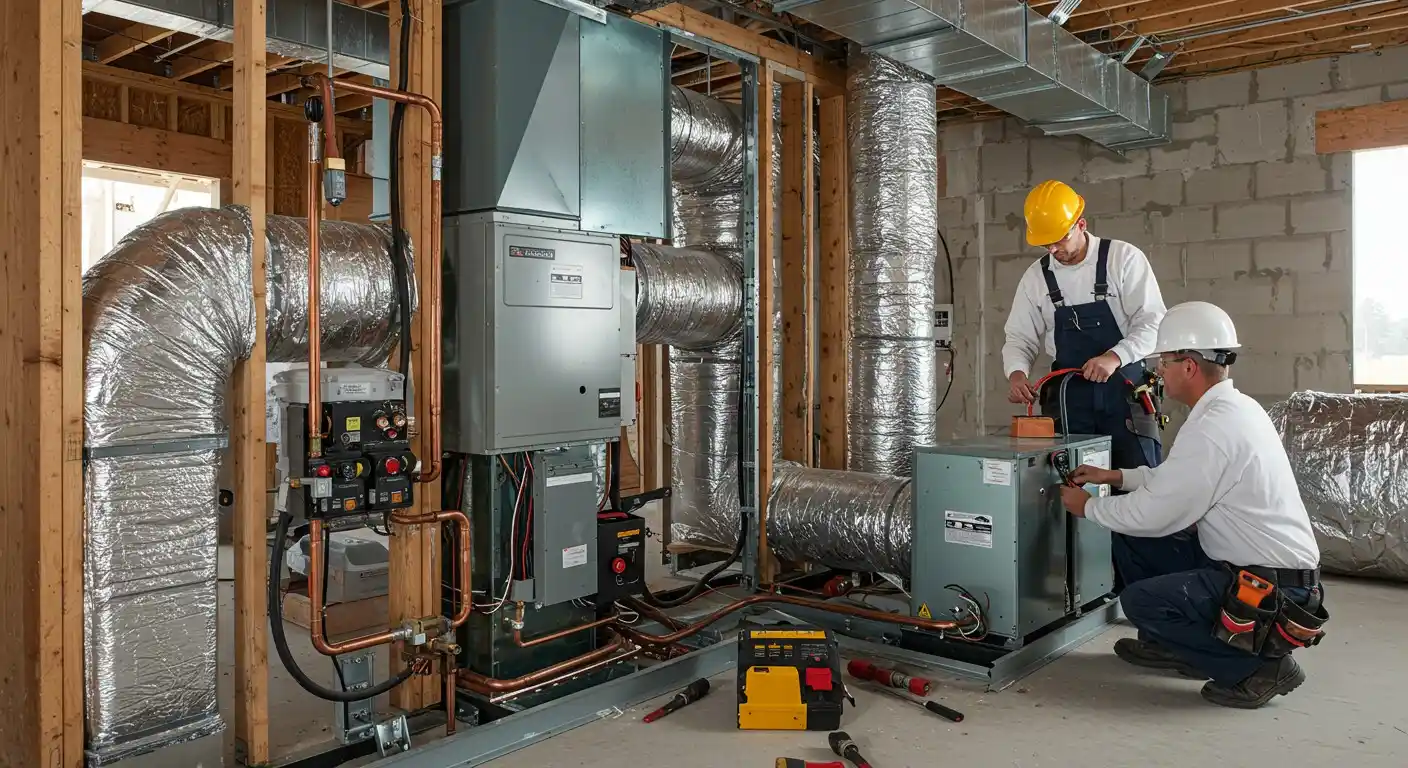
Modern HVAC systems are complex networks of electrical, mechanical, and chemical components. Effective repair begins with accurate diagnostics. Technicians utilize advanced tools to measure static pressure, test refrigerant levels, and analyze combustion efficiency. This data-driven approach allows for the identification of issues that are not visible to the naked eye, such as micro-leaks in the refrigerant lines or hairline cracks in a heat exchanger.
- Airflow Analysis: Technicians measure the volume of air moving through the ducts to ensure the blower motor is not being overworked. Restricted airflow is a primary cause of compressor failure.
- Electrical Safety Inspections: Loose connections and worn capacitors can cause fire hazards or system shorts. These are tightened and tested during every service call.
- Thermostat Calibration: ensuring communication between the control unit and the furnace or AC is instantaneous and accurate prevents short-cycling.
System Maintenance and Tune-Ups
Preventative maintenance is the most effective way to extend the lifespan of your equipment. In coastal environments, maintenance takes on added importance due to the corrosive nature of salt air. A comprehensive tune-up involves cleaning condenser coils to improve heat transfer, flushing condensate drains to prevent water damage, and lubricating moving parts to reduce friction. This proactive care ensures that the warranty on your unit remains valid and that energy consumption stays low.
Indoor Air Quality Integration
Temperature is only one aspect of comfort. Controlling humidity and airborne particulates is equally important. Services often include the integration of dehumidifiers, air purifiers, and upgraded filtration systems directly into the existing ductwork. This is particularly relevant in Pismo Beach, where marine layers can introduce excess moisture into the home, potentially leading to mold growth if not managed by the HVAC system.
Your Guide to HVAC Installation and Replacement
Installing a new heating and cooling system is a significant investment that requires precise planning and execution. The process is not a simple swap; it is a construction project that involves electrical work, plumbing, and airflow dynamics. A proper installation determines the efficiency and longevity of the unit for the next 15 to 20 years.
Accurate Load Calculation
The first step in any installation is a Manual J load calculation. This engineering standard calculates the exact amount of heating and cooling energy your specific home requires. Factors influencing this calculation include square footage, insulation levels, window orientation, and even the number of occupants. Installing a unit that is too large will result in short-cycling and high humidity, while a unit that is too small will run continuously without reaching the desired temperature.
Ductwork Assessment and Modification
A high-efficiency unit cannot perform if the ductwork is compromised. Before a new unit is installed, the existing ducts are inspected for leaks, disconnects, and proper sizing. In many older homes, ductwork may need to be sealed or resized to handle the airflow requirements of modern, high-efficiency equipment. This ensures that the conditioned air you are paying for actually reaches the living spaces.
The Installation Sequence
- Site Preparation: The workspace is prepped with drop cloths to protect flooring. Power to the system is shut off at the breaker panel for safety.
- Removal and Disposal: The old unit is disconnected, resulting in the safe recovery of any refrigerant according to EPA guidelines. The equipment is hauled away for recycling.
- Equipment Placement: The new furnace, air handler, or condenser is positioned. For outdoor units, a new composite pad is often laid to ensure the unit remains level and off the ground.
- Connection: Refrigerant lines are brazed, electrical whips are connected, and condensate drains are plumbed.
- System Commissioning: Once physically installed, the system is started. Technicians adjust the refrigerant charge to manufacturer specifications and balance the air registers to ensure even cooling and heating across all rooms.
Post-Installation Walkthrough
After the installation is complete and the system is running, the technician walks you through the operation of the new thermostat and explains maintenance requirements. This includes how to change filters and what sounds to listen for. All warranty paperwork is processed, and permits are closed out with the local building department.
Deciding Between HVAC Repair or Replacement
Homeowners often face the difficult decision of whether to invest in a repair or commit to a full system replacement. Making the right financial and comfort-based decision requires analyzing the age of the system, the cost of repairs, and the potential energy savings.
- The 50% Rule: A common industry standard for making this decision is the 50% rule. If the cost of the repair approaches 50% of the value of a new system, replacement is generally the smarter financial move. Investing significant capital into a dying system often leads to diminishing returns, as other components are likely to fail shortly after the repair.
- Age and Refrigerant Type: The average lifespan of a central air conditioner or heat pump is 10 to 15 years, while furnaces may last 15 to 20 years. If your system is nearing the end of this window, a major failure is usually a signal to replace. Furthermore, older systems often utilize R-22 refrigerant (Freon), which has been phased out. Repairing a leak in an R-22 system is exorbitantly expensive and increasingly difficult due to supply scarcity. Upgrading to a system that uses R-410A or newer refrigerants is a future-proof strategy.
- Frequency of Breakdowns: If you find yourself calling for service multiple times a year, the cumulative cost of these visits will quickly outpace the monthly cost of financing a new unit. Frequent breakdowns also indicate that the system has lost its reliability, leaving you vulnerable to outages during extreme weather.
- Efficiency and Utility Bills: Organ & Sons Mechanical, Inc. often advises clients to review their energy bills over the past few years. A steady increase in energy consumption, despite normal usage patterns, indicates the system is losing efficiency. Modern systems with high SEER2 (Seasonal Energy Efficiency Ratio) ratings can reduce cooling costs by significant margins compared to units installed a decade ago. If your current system has a SEER rating below 13, the monthly savings from a new unit can help offset the installation cost.
- Comfort and Air Quality Issues: Uneven heating, hot spots in the summer, or excessive dust in the home are signs that the current system can no longer manage the airflow effectively. If the equipment cannot maintain a consistent temperature or fails to dehumidify the air, replacement allows for the installation of variable-speed technology that solves these comfort issues.
Understanding Local Requirements and Rebates
Operating in the Central Coast region involves specific considerations regarding climate, compliance, and incentives. Pismo Beach has unique environmental factors and regulatory standards that must be met for a successful HVAC project.
Combatting Marine Corrosion
The coastal environment introduces salt air, which is highly corrosive to metal components. Standard condenser coils can deteriorate rapidly if not protected. We recommend systems with specially coated coils or "coastal packages" designed to withstand the elements. Regular rinsing and maintenance are mandatory in this region to prevent premature failure of the outdoor unit.
Title 24 and Permit Compliance
California has some of the strictest energy codes in the country, known as Title 24. Any significant alteration to an HVAC system, including replacement, requires a permit and must meet specific efficiency standards. This often includes duct testing to ensure leakage is below a certain percentage and the installation of smart thermostats. Hiring a contractor who handles the permitting process and understands Title 24 compliance is essential to avoid fines and ensure your home remains insurable.
Utility Rebates and Incentives
To encourage energy efficiency, utility providers like Pacific Gas and Electric (PG&E) and regional bodies frequently offer rebates for upgrading to high-efficiency heat pumps or smart HVAC systems. These programs are designed to reduce the load on the grid.
- Tech Clean California: Incentives for switching from gas appliances to electric heat pumps.
- Federal Tax Credits: The Inflation Reduction Act provides tax credits for high-efficiency electric home upgrades.
- Utility-Specific Rebates: Direct rebates for installing equipment that meets specific SEER and HSPF ratings.
Navigating these rebates requires documentation and proof of installation by a licensed professional. We assist in identifying which rebates apply to your specific project and provide the necessary certification to help you claim these savings.
Why Choose Professional Credentials and Commitments
Selecting the right contractor is as important as selecting the right equipment. The quality of the installation dictates the performance of the machine. You need a partner who values transparency, technical excellence, and long-term customer relationships.
- Technical Certification and Training: Our technicians undergo rigorous training to stay updated on the latest HVAC technologies, including variable refrigerant flow systems and smart home integration. Certification ensures that the individual working in your home understands thermodynamics, electrical safety, and local building codes. This technical expertise translates to faster diagnostics and more precise installations.
- Transparent Communication: You deserve a clear explanation of what is wrong with your system and a straightforward breakdown of your options. We provide written estimates that detail the scope of work, eliminating surprise costs. Whether it is a simple repair or a complex installation, the process, timeline, and costs are communicated clearly before any work begins.
- Respect for Your Property: Inviting a contractor into your home requires trust. Professionalism extends to how the workspace is treated. Technicians wear shoe covers, use drop cloths, and clean up the work area thoroughly upon completion. The goal is to leave your home more comfortable than it was found, without leaving behind debris or damage.
- Long-Term Support: The relationship does not end when the truck drives away. We stand behind our work with labor warranties and responsive support. Should any issue arise post-installation, priority scheduling ensures it is resolved quickly. This commitment to accountability is what separates a reputable local business from a fly-by-night operation.
Call Us Now!
Don't let a breakdown compromise your home or your budget. Secure a system that delivers consistent comfort and efficiency for years to come. Call today to schedule your comprehensive HVAC service.
Contact Us