



Emergency Plumbing in Pismo Beach, CA
Emergency Plumbing in Pismo Beach, CA
Emergency Plumbing Meltdowns Fixed Now
Facing unexpected plumbing disasters? Our skilled experts are ready 24/7 to handle your emergencies swiftly and efficiently in Pismo Beach, so contact us immediately for dispatch. Organ & Sons Mechanical, Inc. provides the rapid response necessary to halt water damage and protect your property’s structural integrity.
- Same-day service guarantees to mitigate damage and restore normalcy.
- Round-the-clock availability means help is always just a call away.
- Experienced professionals ensure quality and satisfaction.
Fully licensed and insured for your peace of mind, with transparent pricing and no hidden fees.
Immediate Response Protocols for Critical Plumbing Failures
When a plumbing system fails catastrophically, time is the single most critical variable. Water damage compounds by the minute, threatening drywall, flooring, and electrical systems. The service provided is not merely about repair; it is about damage control and asset protection. Upon dispatch, trucks arrive fully stocked to address the most common high-priority issues immediately. The goal is to isolate the issue, stop the flow of water or waste, and stabilize the plumbing infrastructure.
Residents often hesitate to call because they are unsure if their situation constitutes a "true" emergency. If water is entering the home where it should not, or if sewage is not leaving the home as designed, professional intervention is required immediately. Waiting until regular business hours can result in exponential remediation costs regarding mold abatement and structural carpentry.
Services deployed during an emergency call-out typically include:
- Main Line Shutdown and Isolation: Locating and seizing seized or buried shut-off valves to stop active flooding.
- Hydro-Jetting and Auger Services: Clearing total obstructions in the main sewer line that cause sewage backup into bathtubs or sinks.
- Leak Detection and Slab Leak Repair: Utilizing acoustic and thermal equipment to pinpoint burst pipes behind walls or beneath the foundation without unnecessary demolition.
- Water Heater Stabilization: Addressing ruptured tanks, failed pressure relief valves, or gas supply issues that pose immediate safety hazards.
- Gas Leak Detection: Identifying and repairing gas line breaches that require immediate utility shut-off and repair for occupant safety.
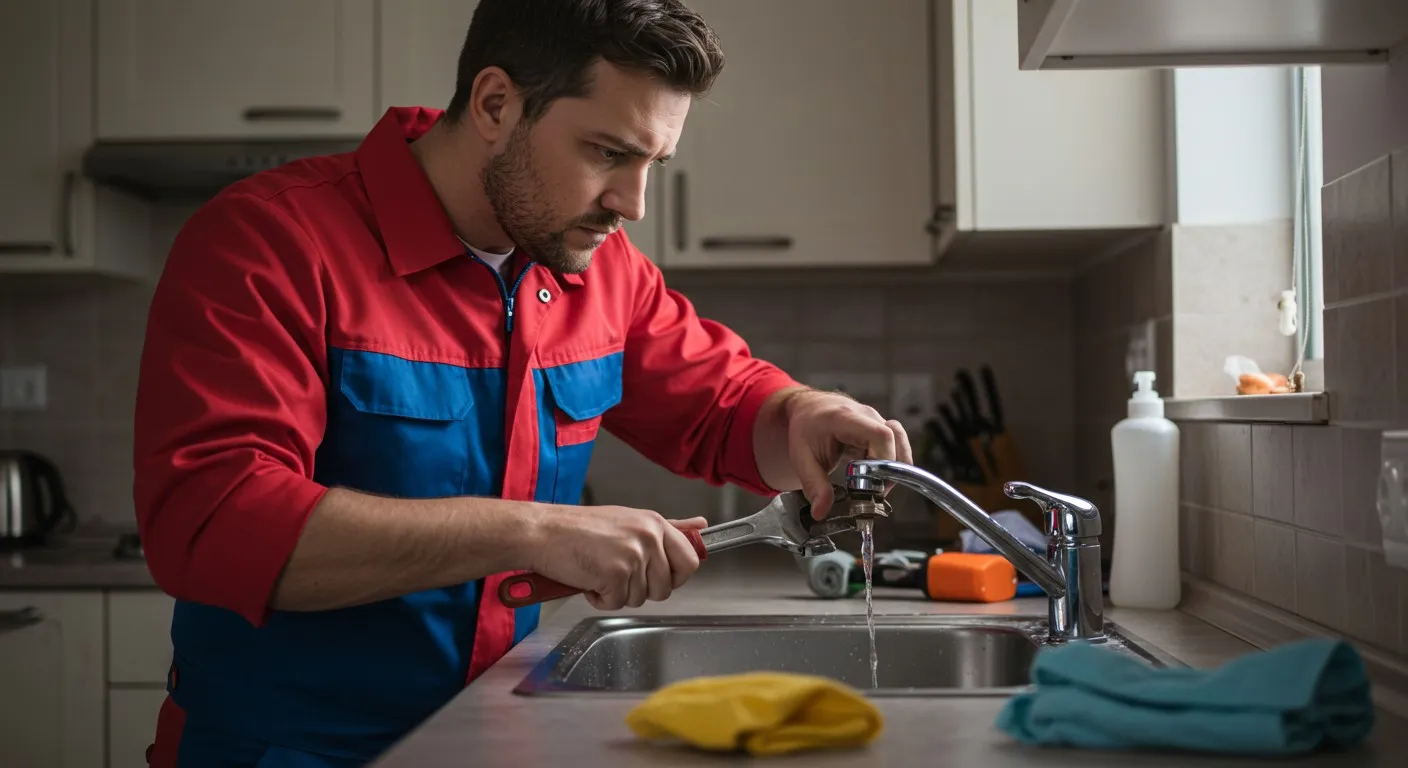
The Emergency Repair and Mitigation Process
Understanding the sequence of events during an emergency service call helps manage expectations and ensures the situation is resolved systematically. The priority is always safety and containment followed by permanent rectification. This process is designed to move a property from a state of crisis to a state of operation with minimal friction.
- Triage and Dispatch: The process begins with an assessment of the severity over the phone. You will be instructed on how to turn off the main water supply if possible. A technician is routed immediately to the location with specific notes regarding the suspected failure point.
- Site Containment and Diagnostics: Upon arrival, the technician enters the property with protective gear to ensure cleanliness. The immediate physical objective is to stop active leaking. Once the water is off, advanced diagnostic tools—such as sewer cameras or moisture meters—are employed to determine the root cause of the failure.
- Presentation of Options: Before major work begins, you receive a clear explanation of the problem and the available solutions. This includes a breakdown of what acts as a temporary patch versus what serves as a permanent solution.
- Execution of Repairs: The technician performs the necessary mechanical work. This involves cutting out damaged pipe sections, soldering new connections, clearing blockages, or replacing failed components like pressure regulators or valves.
- System Testing and Restoration: After the repair is complete, the water is turned back on incrementally. The technician tests the system under high pressure to ensure the new components hold and that no secondary leaks exist.
- Clean-up and Documentation: The workspace is cleaned and sanitized, particularly in cases of sewage backup. You receive documentation detailing the work performed, which is often necessary for insurance claims or future property sales.
Critical Decisions: Repairing vs. Replacing Damaged Systems
In the heat of an emergency, homeowners often default to the quickest, cheapest fix. However, a "band-aid" repair on a failing system often leads to a recurrence of the disaster within months. It is vital to evaluate the condition of the plumbing infrastructure to decide whether a repair is financially prudent or if full replacement is the more economical long-term path.
Organ & Sons Mechanical, Inc. technicians provide honest assessments based on the age and material of your current system.
Water Heaters
If a water heater tank has ruptured, repair is rarely an option; replacement is mandatory. However, for issues like failed heating elements or thermostats, the decision relies on age.
- Repair: If the unit is under six years old and the warranty is active.
- Replace: If the unit is over ten years old or if there is visible rust at the bottom of the tank. Investing in a repair for a unit at the end of its lifecycle is generally a sunk cost.
Sewer Lines
Sewer backups are often caused by root intrusion or collapsed clay pipes.
- Repair (Spot Fix): If the blockage is localized to a single section and the remaining pipe is structurally sound.
- Replace (Trenchless/Excavation): If the pipe is Orangeburg or old cast iron that has corroded through the bottom (channeling). Repeated backups signal that the line has lost its structural integrity and requires a full liner or replacement.
Piping and Re-Pipes
Pinole leaks in copper piping can occur due to water chemistry or age.
- Repair: If the leak is an isolated incident in an accessible location.
- Replace: If you are experiencing multiple leaks in different areas of the home over a short period. This indicates systemic corrosion, and patching one leak will simply increase pressure on the next weak spot. A whole-home PEX repipe is often the correct solution here.
Coastal Considerations and Local Plumbing Codes
Plumbing in coastal regions faces unique environmental stressors that differ from inland areas. The combination of salt air, specific soil conditions, and local municipal codes dictates how emergency repairs must be handled to ensure compliance and longevity.
Corrosion and Material Selection
The marine layer and salt air common in this region can accelerate the corrosion of exposed metal piping and outdoor fixtures.
- Standard galvanized fittings often seize or rot faster in coastal environments.
- Emergency repairs often utilize corrosion-resistant materials, such as high-grade brass or plastic composites, to withstand the elements.
- Outdoor tankless water heaters must be properly shielded or rated for exterior coastal installation to prevent premature failure of the heat exchanger.
Seasonality and Soil Saturation
Winters here are characterized by periods of heavy rainfall. This seasonality directly impacts plumbing systems.
- Saturated soil expands, putting immense pressure on buried water and sewer lines, leading to shearing or shifting.
- During the wet season, storm drains often become overwhelmed. If a property does not have a properly functioning backwater valve, municipal sewer systems can back up into private laterals. Emergency services during winter frequently involve installing or servicing these valves to prevent city sewage from entering the home.
Permit and Regulatory Compliance
Major plumbing work, even when done on an emergency basis, is subject to local building codes.
- Water Heater Replacement: Local codes require specific strapping for earthquake safety, as well as proper venting and drip pan installation. An emergency replacement must meet these current standards, not just the standards that were in place when the house was built.
- Sewer Lateral Ordinance: Many local municipalities have strict requirements regarding the condition of sewer laterals. If an emergency repair reveals a breach, the property owner may be required to bring the entire line up to code.
- Gas Line Repair: Any work involving gas lines requires strict adherence to pressure testing protocols before service is restored. This is non-negotiable for safety and insurance purposes.
The Risks of DIY Emergency Patching
In an attempt to stop a flood, homeowners often turn to chemical drain cleaners, epoxy putties, or temporary clamps. While these may seem like immediate solutions, they frequently complicate the professional repair process.
- Chemical Damage: Caustic drain cleaners can eat through older pipes, turning a simple clog into a collapsed line that requires excavation. They also pose a significant chemical burn hazard to the plumber who eventually services the line.
- Improper Sealants: Using incorrect sealants can prevent a proper solder bond later, forcing the technician to cut out more pipe than initially necessary.
- Overtightening: Panic often leads to overtightening valves or compression fittings, which can crack porcelain fixtures or shear off copper lines, instantly doubling the scope of the damage.
Professional isolation of the problem ensures that the warranty on your fixtures remains valid and that the repair adheres to homeowners' insurance requirements. Insurance adjusters may deny claims related to water damage if the repair work was attempted by unlicensed individuals or if the damage was exacerbated by improper handling.
Restoring Safety and Sanitation
The aftermath of a plumbing emergency extends beyond the plumbing hardware itself. It involves ensuring the home is safe for habitation. Sewage backups introduce pathogens and bacteria into the living space. Burst hot water lines can create humidity levels that encourage rapid mold growth within 24 to 48 hours.
A professional emergency plumbing service does not just fix the pipe; the service ensures the environment is safe. This involves verifying that gas combustion appliances are venting correctly after disruption and that potable water lines are free from cross-contamination.
When the unexpected occurs, rapid, decisive, and code-compliant action is the only way to protect your investment. We prioritize structural preservation and occupant safety above all else. Organ & Sons Mechanical, Inc. stands ready to deploy resources the moment a crisis arises, ensuring that your plumbing system is restored to full functionality without delay.
24/7 Plumbing Rescue—Help Is Just a Call Away!
Don’t let a plumbing disaster escalate. Call Organ & Sons Mechanical, Inc. now for immediate emergency service and safeguard your home today!
Secure your property against water damage—call our emergency dispatch team now for immediate service.
Contact Us