



AC Installation in Oxnard, CA
Upgrade your AC in Oxnard with energy-efficient models for lower bills and enhanced comfort. Contact us for an assessment and discover affordable financing!
Old Cooling Systems Drain Your Budget and Comfort
Is your AC failing to keep up with the unique humidity and heat patterns common to Oxnard’s summer weather? You may be paying significantly higher utility bills for a system that leaves your home feeling sticky or unevenly cooled, indicating it is time to upgrade. Contact us today to schedule an assessment or ask about our flexible financing options to make your upgrade affordable.
- Get a new, energy-efficient AC installed by certified technicians who understand coastal climate challenges.
- Enjoy a consistently cooler home and lower energy bills with a properly sized, modern AC system.
- Benefit from quick, professional installation and extended manufacturer warranties that protect your investment.
We handle all necessary municipal permits and offer transparent financing options to ensure a stress-free replacement process.
Why Upgrading Your AC Is a Smart Investment
Homeowners often delay replacing their air conditioning units, hoping to squeeze one last season out of an aging system. However, operating a unit that is over ten years old or frequently malfunctioning is often more expensive than investing in a new system. In Oxnard, where the marine layer brings humidity in the mornings and temperatures rise significantly by afternoon, an inefficient system struggles to balance temperature and moisture levels. This results in a clammy indoor environment and a condenser that runs constantly, driving up electricity costs.
Modern air conditioning systems are designed with higher Seasonal Energy Efficiency Ratio ratings. A system installed today uses a fraction of the electricity required by a system manufactured a decade ago. Beyond energy savings, new units utilize environmentally safer refrigerants and variable-speed technology. Variable-speed compressors adjust their output to match the cooling demands of your home specifically, rather than blasting at 100% capacity and then shutting off. This leads to quieter operation and more consistent temperatures throughout every room.
When you choose Organ & Sons Mechanical, Inc. for your installation, you are choosing a pathway to long-term reliability. A new system eliminates the fear of a breakdown during the hottest week of the year and provides better air filtration, which is essential for maintaining indoor air quality in coastal regions.
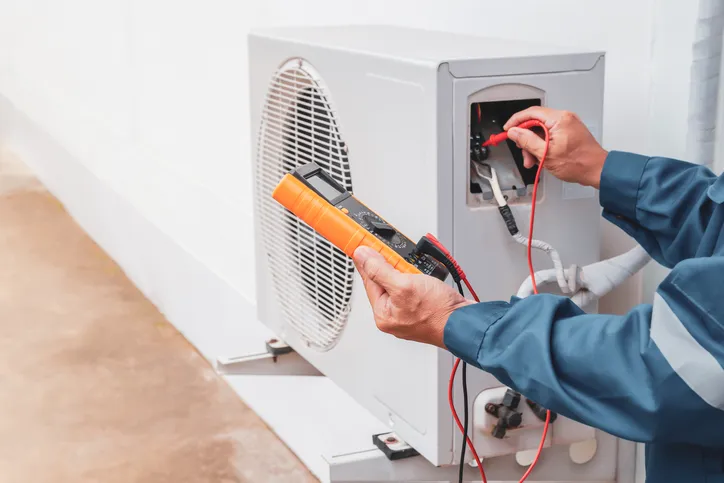
Today’s AC Installation: What to Expect
A professional installation is about much more than simply swapping out a metal box. It requires a comprehensive approach to ensure the new unit integrates perfectly with your home's existing infrastructure. The goal is to maximize the lifespan of the equipment and ensure it delivers the efficiency promised on the rating label.
Comprehensive Load Calculation
Before any equipment is selected, a proper load calculation is performed. This process, often referred to as a Manual J calculation, determines the exact cooling capacity your home requires. Factors influencing this calculation include:
- Square footage and ceiling height.
- Insulation levels in the attic and walls.
- Window type, placement, and solar orientation.
- Heat-generating appliances and average occupancy.
Installing an oversized unit causes "short-cycling," where the AC turns on and off too frequently, leading to wear and tear and poor humidity control. An undersized unit runs continuously without ever reaching the set temperature. Precision sizing is the only way to guarantee comfort.
Ductwork and Airflow Analysis
The most efficient air conditioner will fail if the ductwork cannot deliver the air effectively. Inspecting the ventilation system is a critical part of the installation scope. Technicians look for leaks, disconnects, or crushed ducts that could leak conditioned air into the attic or crawlspace. Ensuring the return air supply is sufficient is equally important; starved airflow creates high static pressure that can burn out blower motors prematurely.
Timeline and Logistics
Most residential installations are completed within a single day. The process is designed to be minimally invasive. Technicians arrive with a fully stocked truck, protective floor coverings, and all necessary equipment. The workspace is kept tidy, and the old unit is hauled away for proper recycling. You receive a clear timeline before work begins, so you know exactly when your power might be briefly interrupted and when you can expect to feel cool air again.
Your AC Installation Journey, Step-by-Step
Understanding the sequence of events helps homeowners prepare for installation day. The process is systematic, adhering to strict safety protocols and manufacturer specifications.
Site Preparation and Safety Setup
- Technicians arrive and lay down drop cloths to protect flooring and furniture.
- Electrical power to the existing HVAC equipment is shut off at the breaker panel and the disconnect box for safety.
- The area around the indoor and outdoor units is cleared of debris to ensure ample workspace.
Refrigerant Recovery and Removal
- Existing refrigerant is pumped out of the old system into recovery cylinders. This is a legal requirement to prevent releasing ozone-depleting chemicals into the atmosphere.
- Linesets (copper tubing) and high-voltage wiring are disconnected.
- The old condenser (outdoor unit) and evaporator coil (indoor unit) are physically removed from the property.
Equipment Positioning and Connection
- A new pad is placed for the outdoor condenser to ensure it sits level and off the ground, protecting it from moisture and vibration.
- The new indoor evaporator coil and furnace or air handler are set into place.
- Refrigerant lines are connected. If the existing copper lines are compatible and clean, they may be reused; otherwise, new linesets are run.
- Technicians braze (weld) the copper connections while flowing nitrogen through the lines to prevent oxidation and future blockages.
Electrical and Drainage Integration
- High-voltage wiring is reconnected, and a new electrical disconnect box is often installed outdoors to meet current codes.
- Low-voltage thermostat wiring is connected to the control board.
- Condensate drain lines are installed or cleared to ensure water removed from the air flows safely to a drain or outdoor location.
Vacuum, Charge, and Start-Up
- A vacuum pump is attached to the system to remove all air and moisture from the refrigerant lines. This is critical for preventing acid buildup in the compressor.
- The system is charged with the precise amount of refrigerant specified by the manufacturer.
- The unit is powered on, and technicians measure airflow, static pressure, and temperature splits (the difference between air entering and leaving the system) to verify performance.
Deciding Between AC Repair or Replacement
Homeowners often struggle with the decision to repair a faltering unit or invest in a replacement. While repairs can be a quick fix, they are not always the most improved financial decision in the long run. There are clear indicators that signal when replacement is the superior option.
- The 50% Rule: If the cost of the repair equals or exceeds 50% of the value of a new system, replacement is generally recommended. Sinking money into a dying asset rarely yields a return on investment.
- Age of the Equipment: Air conditioners generally last between 10 and 15 years. If your unit is over 10 years old and requires a major component replacement, such as a compressor or blower motor, it is likely nearing the end of its life. Newer models offer efficiency gains that older units cannot match.
- Refrigerant Type: Older systems utilize R-22 (Freon), which has been phased out due to environmental regulations. As supply dwindles, the cost of R-22 has skyrocketed. If your older unit leaks refrigerant, repairing it is often prohibitively expensive compared to installing a system that uses modern, available refrigerants like R-410A or R-454B.
- Frequency of Breakdowns: If you find yourself calling for service multiple times a year, those repair bills add up quickly. A new system provides peace of mind and warranty protection that eliminates unexpected repair costs for years.
- Comfort Issues: Issues like uneven cooling, high humidity levels, or excessive noise are signs that the system’s mechanical integrity is compromised. Replacement solves these comfort issues immediately.
Local Guidelines and Seasonal Advice for Oxnard
Installing an air conditioner in Oxnard involves specific considerations related to the coastal environment and local building regulations.
- Coastal Corrosion Protection: The proximity to the ocean introduces salt air, which can be highly corrosive to standard aluminum and copper coils. In this region, it is often advisable to select equipment with enhanced corrosion protection or specialized coatings on the condenser coils. This simple step can significantly extend the lifespan of the outdoor unit, preventing premature leaks caused by ocean breeze exposure.
- Permits and Title 24 Compliance: California has some of the strictest energy codes in the country. AC installations require a building permit to ensure safety and compliance. Furthermore, Title 24 regulations require specific testing, such as duct leakage verification and refrigerant charge measurement, performed by a third-party HERS (Home Energy Rating System) rater. A professional installer manages this entire administrative process, coordinating the testing and final inspections to ensure the project is fully legal and compliant.
- Timing Your Installation: While the weather is mild for much of the year, heat spikes in late summer and early autumn drive high demand for HVAC services. Scheduling your installation during the shoulder seasons (spring or late fall) can often result in faster appointment availability. However, modern inventory management allows for prompt service year-round for urgent replacements.
Our Commitments: Licensed, Insured, and Reviewed
Choosing the right contractor is as important as choosing the right brand of air conditioner. The quality of the installation dictates 70% of the system's efficiency and longevity.
- Full Licensing and Insurance: We operate with full state licensing, ensuring that every technician has the training and qualifications required by law. Comprehensive liability and workers' compensation insurance protect your property and our team during the project.
- Manufacturer Warranties: As authorized installers for leading HVAC brands, we register your equipment to ensure you receive the maximum manufacturer warranty available. This typically covers parts for 10 years, provided the system is maintained regularly.
- Labor Guarantees: We stand behind our craftsmanship. Beyond the equipment warranty, we offer guarantees on the installation labor. If an issue arises due to the installation process, we return to correct it at no cost to you.
- Transparent Communication: From the initial estimate to the final walkthrough, communication is clear and upfront. You will never encounter hidden fees or surprise charges on your invoice. We explain how to use your new thermostat and how to change your filters before we leave.
Dependable AC Installation Backed by Experience You Can Trust
Organ & Sons Mechanical, Inc. is dedicated to elevating the comfort of your home with precision and integrity. Upgrading your cooling system is a significant decision, but it is one that pays dividends in comfort, energy savings, and peace of mind. Upgrade your home comfort today. Contact us to schedule your consultation.
Contact Us