



Immediate Comfort Restored: Your Oxnard Area HVAC Solution
System failures rarely happen at a convenient time, leaving your home uncomfortably hot during a humid afternoon or dangerously cold during a winter storm. If you are struggling with an HVAC breakdown in Oxnard or the surrounding areas, our certified technicians offer fast, reliable service ensuring your comfort is restored swiftly—contact us today to discuss financing options or schedule a dispatch.
We understand that when your heating or cooling system malfunctions, you need more than just a quick patch; you need a comprehensive solution that addresses the root cause of the issue. Whether you are dealing with a frozen evaporator coil, a furnace that blows cold air, or a complete system blackout, our team is equipped to handle the logistics of restoring your indoor climate.
- Rapid same-day service to tackle emergencies promptly.
- Transparent pricing and flexible financing options.
- Expert maintenance to prolong your HVAC system's lifespan.
Fully licensed, bonded, and insured—with comprehensive warranties on all services.
Comprehensive Diagnostics and Immediate Repairs
When a technician arrives at your property, the objective is to move beyond symptoms and identify the specific mechanical or electrical failure compromising your system. Modern HVAC equipment is complex, involving intricate low-voltage wiring, high-pressure refrigerant circuits, and combustible fuel sources — learn HVAC terminology. A cursory glance is insufficient. Professional service involves a complete audit of the system’s performance to ensure that the repair performed today prevents a recurrence next week.
In the Oxnard area, where the climate shifts from damp, cool winters to humid, marine-layer influenced summers, your system faces unique stress factors. Service calls typically address a wide range of performance issues, from airflow restrictions to component fatigue.
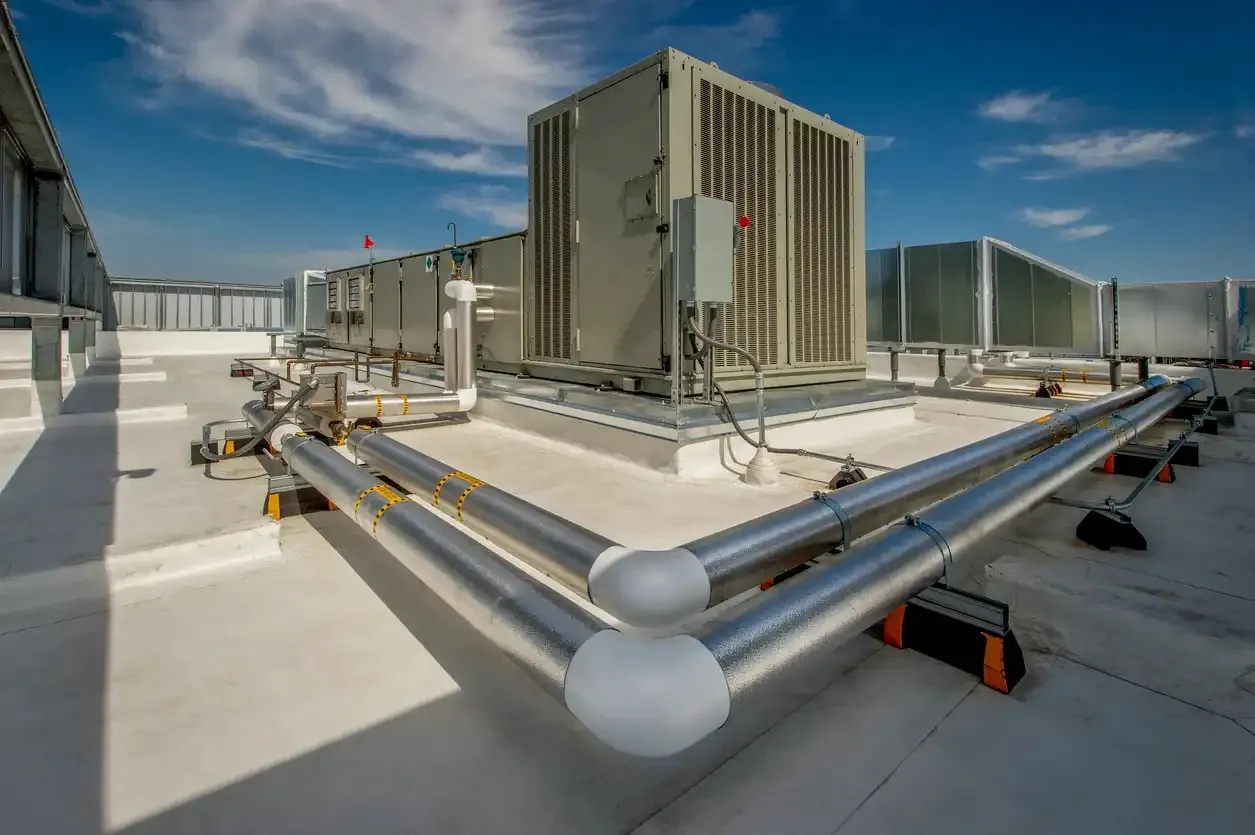
Scope of Repair and Analysis
Upon arrival, the diagnostic process covers the critical systems required for operation. This includes:
- Electrical Components: Testing capacitors, contactors, and relays for proper voltage and amperage. Loose connections or pitted contactors often cause intermittent failures that mimic more serious problems.
- Refrigerant Levels: Measuring superheat and subcooling to ensure the refrigerant charge is optimized. Low levels indicate a leak that must be located and sealed, while high levels suggest an improper previous installation.
- Airflow and Static Pressure: Evaluating the ductwork and blower motor. Restrictions in airflow strain the compressor and heat exchanger, leading to premature failure and high energy bills.
- Safety Controls: Verifying that high-pressure switches, limit switches, and flame sensors are functioning correctly to prevent the system from operating in dangerous conditions.
- Thermostat Calibration: Ensuring the interface between your control unit and the equipment is communicating effectively, cycling the unit on and off at the appropriate intervals.
A Systematic Approach to HVAC Restoration
Restoring your heating and cooling system follows a strict protocol designed to protect your property and ensure transparency. You should never be in the dark about what work is being performed or why it is necessary. From the moment a service truck is dispatched to your location, the focus is on efficiency and technical precision.
The Service Workflow
- Initial Assessment: The technician listens to your description of the problem—strange noises, odors, or lack of temperature control—and performs a visual inspection of the indoor and outdoor units.
- Testing and Isolation: Using specialized diagnostic tools, the technician isolates the faulty component. This might involve testing the compressor windings for resistance or checking the heat exchanger for cracks using a combustion analyzer.
- Explanation of Findings: You receive a detailed report of what failed, why it failed, and the options available for resolution. This includes a clear breakdown of parts and labor costs before any work begins.
- Execution of Repairs: Once authorized, the repair is performed using OEM or high-quality equivalent parts. This ensures compatibility and maintains the manufacturer's warranty status.
- System Validation: After the repair, the system is not just turned on; it is stress-tested. The technician monitors the system through a full cycle to verify that temperature splits are correct and that the unit is draining condensate properly.
- Site Cleanup: The workspace is returned to its original condition, with all discarded parts and packaging removed from your premises.
Determining When to Repair or Replace Your System
One of the most difficult decisions a homeowner faces is whether to invest in a repair or transition to a new system. This decision should not be based on guesswork but on data regarding the age, efficiency, and condition of your current unit. While our goal is always to repair when feasible, there are mathematical tipping points where replacement becomes the more financially sound investment — read our HVAC FAQs.
Critical Decision Factors
- The 50% Rule: If the cost of the repair approaches or exceeds 50% of the value of the system (or the cost of a new unit), replacement is generally the wiser financial choice. Putting expensive parts into an old system offers diminishing returns.
- Equipment Age: The average lifespan of a central air conditioner or furnace is between 10 and 15 years. If your unit is in this age range and requires a major component like a compressor or blower motor, it is often nearing the end of its reliable service life.
- Refrigerant Type: Older systems often utilize R-22 (Freon), which has been phased out due to environmental regulations. Repairing leaks in R-22 systems is becoming prohibitively expensive due to the scarcity of the refrigerant. Upgrading to a system that uses R-410A or newer alternatives eliminates this supply chain risk.
- Energy Efficiency (SEER Ratings): Older units often operate at 10 SEER or lower. Modern systems start at 14 SEER and can go much higher. The energy savings from a high-efficiency unit can often offset the monthly cost of financing a new installation, effectively paying for the upgrade over time.
- Frequency of Breakdowns: If you are calling for service multiple times a year, the cumulative cost of service calls and minor repairs will quickly outpace the investment in a new system with a factory warranty.
Organ & Sons Mechanical, Inc. provides honest assessments regarding the viability of your current equipment, ensuring you have the data needed to make a long-term financial decision.
Managing Oxnard’s Coastal Climate and Compliance
Operating HVAC equipment in Oxnard presents specific challenges that differ from inland valleys. The proximity to the ocean introduces salt air and moisture, which accelerates corrosion on outdoor units. Additionally, local building codes and utility requirements dictate how repairs and replacements must be handled to ensure safety and efficiency.
Coastal Corrosion and Maintenance
The "marine layer" brings high humidity and salt aerosols inland. This environment is particularly aggressive toward the aluminum fins and copper tubing found in condenser coils.
- Fin Rot: Salt accumulation can cause the delicate aluminum fins to disintegrate, reducing the unit's ability to reject heat. This forces the compressor to work harder, shortening its life.
- Rust Accumulation: Steel cabinets and electrical connections are prone to rust. Regular maintenance in this region must include cleaning coils to remove salt deposits and inspecting electrical terminals for corrosion that could cause high resistance and overheating.
Permits, Safety, and Regulations
HVAC work is not the "Wild West"; it is a regulated trade designed to protect public safety and energy grid stability.
- Title 24 Compliance: California’s energy code (Title 24) sets strict standards for duct sealing, airflow, and equipment efficiency. When significant alterations or replacements occur, HERS (Home Energy Rating System) testing may be required to certify the work meets state standards.
- Permit Requirements: Major repairs and all system replacements typically require a permit from the local building department. This ensures the installation meets fire safety codes, gas piping regulations, and electrical standards.
- Utility Programs: Southern California Edison and other local utilities often offer rebates or incentives for upgrading to high-efficiency heat pumps or smart thermostats. Navigating these programs requires a contractor who understands the documentation and qualification criteria.
- Carbon Monoxide Safety: During the wet winter months, gas furnaces are in heavy use. Ensuring that flue pipes are venting properly and that heat exchangers are intact is a critical life-safety service. Moisture in the air can impact draft pressure, making professional combustion analysis vital.
Why Professional Diagnostics Outperform DIY Fixes
In an era of instructional videos, it is tempting to attempt HVAC repairs independently. However, modern climate control systems are integrated machines where a single error can lead to catastrophic failure or personal injury. Professional service brings a level of diagnostic accuracy and safety that cannot be replicated with consumer-grade tools.
The Professional Advantage
- Specialized Tooling: Technicians utilize manometers to measure static pressure, psychrometers to calculate enthalpy, and micron gauges to verify deep vacuums. These tools provide the quantitative data necessary to tune a system for peak performance.
- High-Voltage Safety: HVAC systems operate on 240-volt circuits that can be lethal if mishandled. Professionals follow strict lock-out/tag-out procedures and understand how to safely discharge capacitors that store energy even when power is disconnected.
- Refrigerant Handling: It is illegal under federal law to vent refrigerant into the atmosphere. Certified technicians hold EPA Section 608 certification, authorizing them to handle, recover, and recycle refrigerants responsibly.
- Warranty Preservation: Most equipment manufacturers require proof of professional maintenance and repair to honor parts warranties. DIY repairs often void these agreements, leaving the homeowner liable for future costs.
Securing Long-Term Comfort and Reliability
Your home’s comfort system is a significant investment that dictates the quality of your daily life. Whether you are dealing with a sudden breakdown or planning a strategic replacement, the goal is consistent, efficient temperature control. By choosing a service provider that prioritizes technical excellence and transparent communication, you ensure that your heating and cooling infrastructure remains robust against the elements.
From navigating local codes to combating coastal corrosion, Organ & Sons Mechanical, Inc. delivers the expertise required to keep your environment stable. Don't let a breakdown dictate your comfort level or compromise your safety.
Secure your appointment now for immediate diagnostics and expert HVAC restoration.
Contact Us