



Is Your Heating System Failing to Keep Your Home Warm?
Is your heater failing to keep up with the chilly nights, leaving your home uncomfortable and cold? We understand the urgency and discomfort that comes with a malfunctioning heating system in Oxnard, and you need a solution that restores warmth immediately. Contact us now to schedule a comprehensive diagnostic and get your system running efficiently.
When your furnace or heat pump stops working, you need more than just a quick patch; you need a reliable repair that addresses the root cause of the failure. Our team prioritizes accurate diagnostics and rapid response times to minimize downtime.
- Quickly restore comfort with our targeted heating repair and maintenance services.
- Benefit from transparent pricing structures and absolutely no hidden fees before work begins.
- Enjoy peace of mind with a 1-year warranty on all repairs and installations.
All services are performed by licensed professionals with stringent adherence to local codes and safety standards. Organ & Sons Mechanical, Inc. ensures that every job meets the specific heating requirements of coastal California homes.
Comprehensive Diagnostics and Heating Repair Services
When a heating system fails, the symptoms are often obvious, but the underlying causes can be complex. You might notice the furnace blowing cold air, making rattling noises, or short-cycling (turning on and off frequently). A professional service visit begins with a systematic evaluation to pinpoint the exact failure point. This eliminates guesswork and ensures that you are only paying for the repairs you actually need.
Upon arrival, a technician assesses the entire heating envelope. This is not simply kicking the tires; it involves testing electrical components, fuel lines, and airflow dynamics. The goal is to determine if the issue is a minor component failure or a symptom of a larger system breakdown.
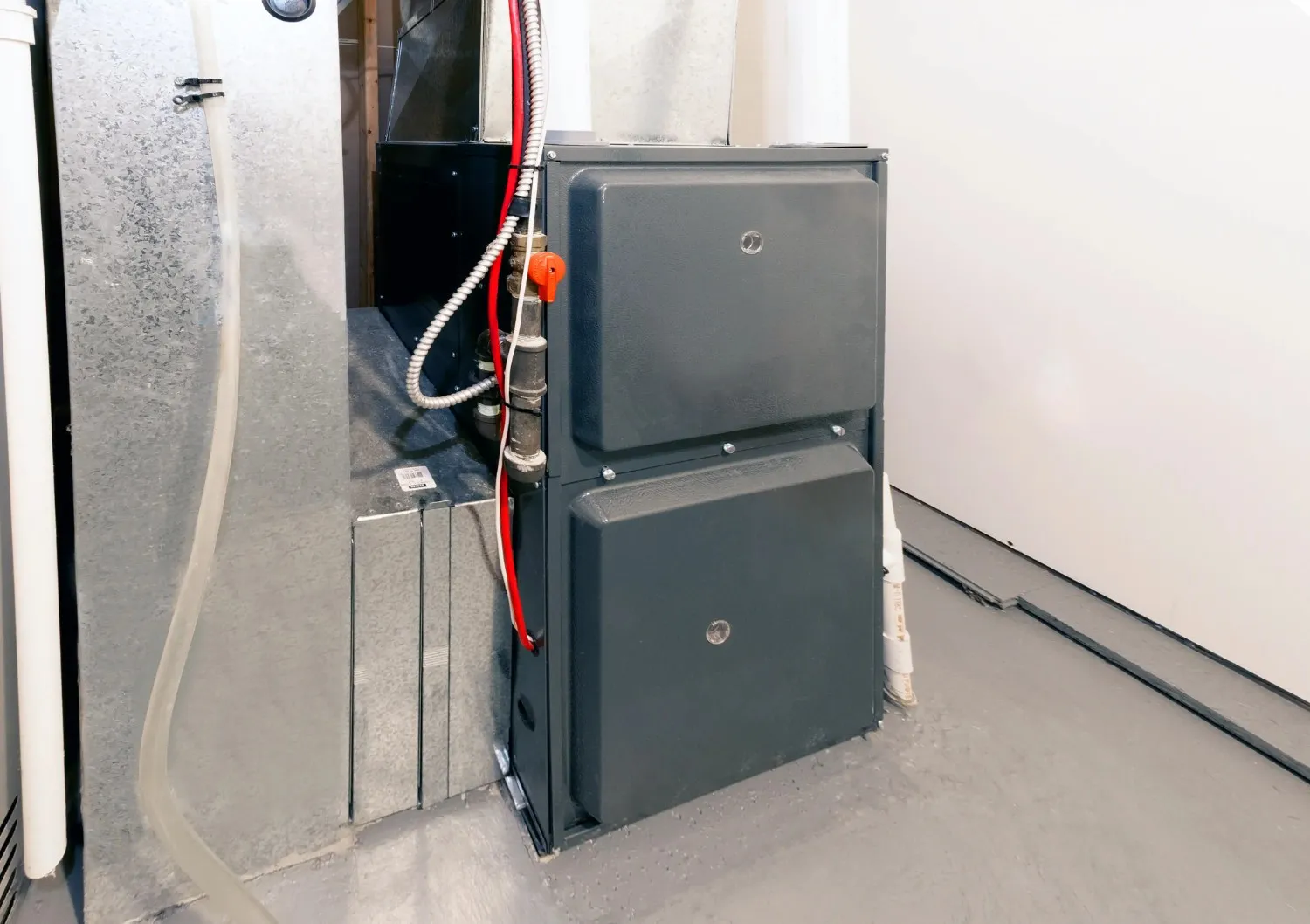
What Is Included in a Service Visit
A standard heating service call involves a multi-point inspection designed to check safety, efficiency, and functionality. Technicians utilize specialized tools to measure pressure, voltage, and gas flow.
- Thermostat Calibration: The interface between you and your heater must be accurate. Technicians verify that the thermostat is reading the room temperature correctly and sending the right signals to the furnace board.
- Ignition and Pilot Light Inspection: For gas furnaces, the ignition sequence is critical. The technician checks the hot surface ignitor or pilot light, cleans the flame sensor, and ensures the burners ignite smoothly without delayed ignition (which causes booming noises).
- Blower Motor and Capacitor Testing: The blower moves air through your ducts. If the capacitor is weak or the motor is straining, airflow drops, and the system overheats. Technicians measure the amp draw to ensure these parts are within manufacturer specifications.
- Heat Exchanger Analysis: This is a critical safety step. A cracked heat exchanger can leak carbon monoxide into the home. Visual inspections and combustion analysis are used to verify the integrity of this component.
- Filter and Airflow Check: Restricted airflow is the number one cause of furnace failure. The service includes checking the filter condition and static pressure in the ductwork to ensure the system isn't suffocating.
- Safety Switch Testing: Modern furnaces have limit switches, rollout switches, and pressure switches designed to shut the unit down if unsafe conditions occur. These are tested to ensure they engage properly when needed.
A Systematic Approach to Heating Installation and Replacement
There comes a point where a heating system is beyond viable repair, or the cost of operation is too high due to inefficiency. Installing a new heating system is a construction project that requires precise calculation and skilled labor. It is not a plug-and-play appliance. The longevity and efficiency of your new unit are dictated almost entirely by the quality of the installation.
The process follows a strict protocol to ensure the new unit is sized correctly for your specific floor plan and insulation levels. An oversized unit will short-cycle and wear out prematurely, while an undersized unit will run continuously without ever reaching the set temperature.
The Installation Process Step-by-Step
To ensure optimal performance, the installation process adheres to a rigorous sequence of events.
- Load Calculation: First, technicians perform a Manual J load calculation. This takes into account the square footage, window placement, insulation values, and local climate data to determine exactly how many BTUs (British Thermal Units) your home requires.
- Ductwork Inspection and Sealing: Next, the existing ductwork is examined. Leaky ducts can lose up to 30% of the heated air before it reaches the living space. Technicians seal accessible leaks and recommend modifications if the existing ducts are sized incorrectly for the new, high-efficiency equipment.
- System Removal and Disposal: The old unit is safely disconnected from gas and electrical lines. Refrigerant (if a heat pump) is recovered according to EPA guidelines, and the old equipment is hauled away for proper recycling.
- Equipment Placement and Connection: The new furnace or air handler is positioned and leveled. This is crucial for proper drainage of condensate (in high-efficiency condensing furnaces) and quiet operation. Gas lines, electrical connections, and flue pipes are connected and sealed.
- Venting Verification: Proper venting is essential for safety. The flue pipe is inspected to ensure it has the correct slope and diameter to exhaust combustion gases safely out of the home.
- Commissioning and Testing: Finally, the system is fired up. Technicians adjust gas pressure, measure temperature rise (the difference in air temperature entering and leaving the unit), and verify that all safety controls are functioning.
Deciding Between Heating Repair and System Replacement
Homeowners often face the difficult decision of whether to approve a repair quote or invest that money into a new system. This decision should be based on data and financial logic rather than guesswork. There are specific benchmarks that industry professionals use to guide this recommendation.
The primary factor is the age of the equipment. In the Oxnard area, the average lifespan of a well-maintained gas furnace is typically between 15 and 20 years. Heat pumps may have a slightly shorter lifespan due to year-round usage. If your system is approaching the 15-year mark, major repairs are often throwing good money after bad.
The Financial Assessment
Two main rules of thumb help clarify the financial side of this decision.
- The 50% Rule: If the cost of the repair approaches 50% of the value of a new system, replacement is generally the smarter financial move. A major repair on an old system does not reset the clock on other aging components; it simply fixes one part while the rest of the unit remains old.
- The $5,000 Rule: Multiply the age of the equipment by the estimated repair cost. If the total exceeds $5,000, replacement is recommended. For example, a 12-year-old furnace with a $500 repair ($6,000 total) is a candidate for replacement, whereas a 5-year-old furnace with the same repair ($2,500) is worth fixing.
- Utility Bill Analysis: Compare your current heating bills with those of neighbors or your own history. As systems age, they lose efficiency. A modern furnace with an AFUE (Annual Fuel Utilization Efficiency) rating of 96% wastes almost no energy compared to an older 80% or 70% unit. The monthly savings on utility bills can help offset the cost of a new installation.
Navigating Local Climate Factors and Building Codes
Operating a heating system in Oxnard presents unique challenges compared to other regions. The Mediterranean climate means that while winters are generally mild, the combination of damp, salt-laden air can accelerate corrosion on external components and inside the combustion chamber. This makes regular maintenance even more critical to prevent rust-related failures that can compromise safety.
Furthermore, California has some of the strictest energy codes in the country. Any significant alteration to your HVAC system triggers requirements under Title 24. These regulations dictate efficiency standards, duct testing requirements, and thermostat capabilities.
Regional Compliance and Safety
When servicing or replacing a heater in this region, compliance is mandatory.
- Permits and Inspections: Most heater replacements require a building permit. This ensures that the installation meets current safety codes regarding gas line sizing, electrical grounding, and exhaust venting. A final inspection by a city official is usually required to close out the permit.
- Title 24 HERS Testing: For many installations, a third-party HERS (Home Energy Rating System) rater must verify the duct sealing and airflow. This ensures the system performs as efficiently as the manufacturer claims.
- Nitrogen Oxide (NOx) Regulations: Local air quality management districts often have strict limits on NOx emissions for gas furnaces. Replacement units must meet "Ultra-Low NOx" standards to be legally installed in the area. Organ & Sons Mechanical, Inc. stays updated on these environmental regulations to ensure every installed unit is compliant.
- Condensate Management: High-efficiency furnaces produce water (condensate) as a byproduct of combustion. In our local climate, ensuring this water drains properly without freezing or causing water damage to the property is a key installation detail.
Why Homeowners Choose Professional Mechanical Services
Heating systems are complex appliances that utilize combustible fuels, high-voltage electricity, and pressurized gases. The difference between a functional system and a hazardous one often comes down to the skill level of the technician performing the work. Professional service providers invest heavily in training and tooling to ensure diagnostics are accurate and repairs are permanent.
Choosing a professional service means relying on technicians who understand the specific load requirements of homes in this area. It means having access to OEM (Original Equipment Manufacturer) parts rather than generic substitutes that may fail prematurely. Professionalism also extends to the respect shown for your home, including the use of drop cloths, shoe covers, and thorough cleanup after the job is complete.
The Value of Warranties and Licensing
Working with established service providers offers protections that independent handymen cannot provide.
- Labor Warranties: reputable companies stand behind their craftsmanship. If a repair fails within a specified period, they return to fix it at no cost.
- Manufacturer Warranty Support: To keep manufacturer parts warranties valid, proof of professional maintenance is often required. Licensed contractors provide the documentation needed to process warranty claims effectively.
- Insurance and Liability: Licensed contractors carry general liability and workers' compensation insurance. This protects the homeowner from financial liability should an accident occur on the property during the service call.
Secure Your Comfort and Safety Today
A reliable heating system is not a luxury; it is a necessity for a safe and comfortable home environment. Whether you are dealing with a sudden breakdown, rising energy bills, or an aging unit that needs replacement, professional intervention ensures the job is done right the first time. Do not wait for the temperature to drop further or for a minor noise to turn into a catastrophic failure.
Take control of your home’s climate. Contact us immediately to schedule your service or request an estimate for a new system installation.
Contact Us