



Restore Comfort With Rapid Ductless Mini-Split Repair
Is your ductless unit failing to heat or cool effectively, leaving your home uncomfortable? Immediate and reliable repairs can get your system back in top condition swiftly, restoring the precise temperature control you expect. Contact us immediately to schedule a diagnostic visit or inquire about financing options for major repairs.
When a mini-split system malfunctions, you need a solution that addresses the root cause rather than a temporary patch. Residents in Oxnard rely on ductless systems for year-round comfort, and downtime is simply not an option. Organ & Sons Mechanical, Inc. provides comprehensive troubleshooting and repair services designed to minimize disruption to your day.
- Speedy, on-location diagnostics and repairs to identify the issue immediately.
- Service availability ensuring you are not left without climate control for long.
- Free, no-obligation estimates provided before any repair work begins.
- All services are performed by licensed professionals, ensuring compliance and satisfaction.
Comprehensive Diagnostics and Immediate Repair Solutions
When a technician arrives at your property, the primary goal is to move from uncertainty to a clear plan of action. Ductless mini-split systems are sophisticated pieces of equipment that rely on complex communication between the indoor air handler and the outdoor condenser. Unlike standard central air conditioning, these units utilize inverter technology and specialized electronic boards that require specific expertise to diagnose correctly.
Upon arrival, the focus is on isolating the failure. This involves more than just checking if the unit turns on. The technician evaluates the error codes often displayed on the indoor unit or the remote control. These codes provide the first clue, whether it is a communication error, a sensor failure, or a motor issue. Following the code reading, the electrical connections are tested to ensure power is flowing correctly to the inverter board.
You receive a detailed explanation of the findings. If the system is leaking water, the technician checks the condensate line and pump. If the air is not cold or hot enough, the refrigerant levels and operating pressures are measured. Once the issue is pinpointed, you receive a clear, flat-rate quote for the repair. This eliminates the anxiety of hourly billing and ensures you know exactly what the restoration of your comfort will cost.
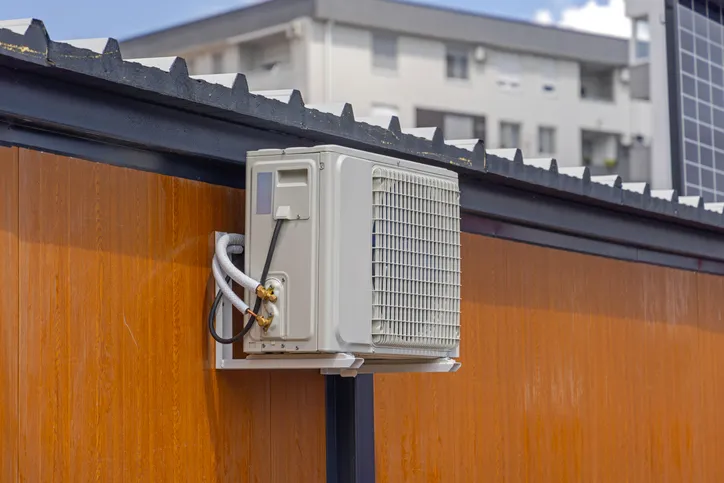
The Ductless Repair Process: What to Expect
Fixing a ductless system requires a methodical approach to ensure the repair lasts and the unit returns to its original efficiency ratings. High-efficiency systems are sensitive; incorrect repairs can lead to higher energy bills or shortened equipment lifespans. The repair process is structured to protect your home and your equipment.
- Site Preparation and Protection: The process begins with preparing the workspace. Technicians wear shoe covers and use drop cloths to protect flooring and furniture beneath the indoor wall-mounted unit. Since many ductless units are installed in finished living spaces like bedrooms or living rooms, keeping the area clean is a priority.
- System Isolation and Safety Check: Power to the unit is safely disconnected at the disconnect box. Capacitors are discharged to prevent electrical shock. This step is critical for safely handling internal components like printed circuit boards (PCBs) or fan motors.
- Component Testing and Verification: Technicians use multimeters and specialized gauges to test individual components. For electrical issues, the resistance of the fan motor windings and the compressor is measured. For cooling issues, the technician checks the superheat and subcooling levels to determine if the refrigerant charge is accurate.
- Part Replacement and Repair: Faulty components are removed and replaced with OEM (Original Equipment Manufacturer) or equivalent high-quality parts. This might involve soldering a new compressor connection, replacing a blown control board, or clearing a blockage in the condensate drain line. If a refrigerant leak is detected, the leak is repaired, and the system is recharged to manufacturer specifications.
- System Reassembly and Cleaning: Once the part is installed, the unit is reassembled. Filters are inspected and cleaned if necessary, as dirty filters are a leading cause of system icing and poor performance. The outer casing is wiped down, and the louvers are checked for proper movement.
- Operational Testing: Power is restored, and the system is run through a full cycle. The technician verifies that the unit reaches the set temperature, the fan speeds adjust correctly, and the outdoor unit ramps up and down as required by the inverter logic.
Deciding Between Repair and Replacement
Homeowners often face the difficult decision of whether to invest in a repair or replace the entire system. Ductless mini-splits generally have a lifespan of 15 to 20 years with proper maintenance, but this can vary based on usage and environmental factors. Making the right financial decision depends on the age of the unit, the cost of the repair, and the availability of parts.
- When to Repair: Repair is usually the best option if the system is under ten years old and the warranty for parts is still active. Issues such as failed sensors, clogged drain lines, bad capacitors, or minor electrical issues are cost-effective to fix. If the repair cost is less than 50% of the cost of a new unit, retaining the current system is typically the logical choice.
- When to Replace: Replacement becomes necessary when major components fail on an older system. If the compressor—the heart of the system—fails and the unit is out of warranty, the cost of labor and parts often rivals the price of a new outdoor unit. Additionally, if the system uses older, phased-out refrigerant (like R-22), finding a supply is difficult and expensive, making replacement the more economical long-term solution.
- Efficiency Considerations: Newer models offer significantly higher Seasonal Energy Efficiency Ratio ratings. If your current unit requires frequent repairs and results in high electric bills, upgrading to a modern system can offset the installation cost through monthly energy savings.
Critical Component Failures in Ductless Systems
Understanding what goes wrong helps in making informed decisions. Ductless systems differ from central HVAC in their components and failure points.
- Inverter Board Failures: The inverter board controls the speed of the compressor motor to regulate temperature precisely. These boards are sensitive to power surges. When they fail, the system may not start at all, or the outdoor unit may cease to communicate with the indoor head.
- Condensate Pump and Drain Issues: Since many units are mounted on interior walls, they rely on gravity or small pumps to remove moisture from the air. Algae and mold can clog these lines, causing water to back up and leak down the wall. Pump failure is a common repair that requires immediate attention to prevent water damage to drywall.
- Refrigerant Leaks: Ductless systems rely on flared connections which, if not torqued perfectly during installation or if subjected to vibration over time, can develop leaks. Low refrigerant causes the coils to freeze, leading to water dripping and a lack of cooling or heating capacity.
- Blower Wheel Accumulation: Over time, dust and biological growth can accumulate on the blower wheel inside the indoor unit. This unbalances the fan, causing noise, vibration, and reduced airflow. While this is a maintenance issue, it often requires a repair technician to disassemble the unit and physically clean the wheel to restore performance.
Local Considerations for Oxnard Residents
The specific climate and environment in Oxnard influence how ductless systems perform and break down. The Mediterranean climate features mild, wet winters and warm, dry summers. While extreme freezing temperatures are rare, the heating function of a mini-split is crucial during the winter months when lows dip into the 40s and highs hover in the mid-60s.
- Corrosion from Marine Layer: Proximity to the ocean introduces salt air, which accelerates corrosion on the outdoor condenser coils. Aluminum fins can deteriorate, reducing the unit's ability to transfer heat. Technicians in this area look specifically for galvanic corrosion and may recommend specific coatings or more frequent rinsing of outdoor coils to extend the unit's life.
- Year-Round Usage Wear: Unlike regions with distinct off-seasons, local weather often demands year-round usage—heating in the damp winters and cooling in the summer when temperatures reach the low 80s. This continuous operation puts more hours on the compressor and fans compared to systems in other climates, potentially shortening the maintenance intervals.
- Moisture Management: The wet winter season from November to March requires that the defrost cycle on the heat pump works perfectly. If sensors fail, the outdoor unit can ice up, stopping heat production inside the home. Verifying defrost operation is a standard part of winter diagnostics.
Why Professional Diagnostics Matter
Attempting DIY repairs on ductless systems is rarely successful and often dangerous. These units contain high-voltage electronics and high-pressure refrigerants. Generic troubleshooting guides often fail to account for the proprietary logic used by different manufacturers.
Organ & Sons Mechanical, Inc. utilizes advanced diagnostic tools that interface directly with the system’s computer board. This eliminates guesswork. A professional diagnosis ensures that the part being replaced is actually the cause of the problem. For example, a system that isn't cooling might seem low on refrigerant, but the root cause could be a faulty expansion valve (EEV) or a thermistor reading incorrect resistance. Adding refrigerant to a system with a bad valve will not fix the problem and can damage the compressor.
Professional repair also ensures that the warranty remains intact. Most manufacturers require proof that a licensed contractor performed repairs to honor parts warranties. Without this validation, homeowners may be liable for the full cost of future part replacements.
Ensuring Long-Term Reliability
Once a repair is completed, the focus shifts to reliability. The technician validates the repair by checking the temperature differential (Delta T) between the intake air and the discharge air. This confirms that the unit is transferring heat effectively.
- Pressure Testing: If the refrigeration circuit was opened, a nitrogen pressure test ensures the system is sealed tight. This prevents future leaks and protects the environment.
- Electrical Safety: All electrical connections are re-torqued. Loose connections cause resistance, heat, and eventual wire failure. Ensuring tight connections prevents future electrical repairs.
- User Education: Technicians provide advice on operation settings. Using the "Auto" mode versus specific "Heat" or "Cool" modes can affect efficiency and wear. Guidance on filter cleaning schedules is also provided, as this is the single most effective action a homeowner can take to prevent future calls.
Final Thoughts on Restoring Your System
A malfunctioning ductless mini-split disrupts the comfort of your home, but the solution is straightforward when handled by experts. Prompt attention to unusual noises, water leaks, or performance drops prevents minor issues from escalating into major component failures. By choosing a specialized service provider, you ensure accurate diagnostics, transparent repair processes, and a system that operates efficiently for years to come.
Whether you are facing a complete system breakdown or a decline in performance, professional intervention is the key to restoring your indoor environment. Don't let a faulty unit compromise your comfort or increase your energy costs.
Get your ductless system running like new again—schedule your repair today.
Contact Us