



Ensure Healthy Indoor Air in Your Home
Concerned about the air quality in your Oxnard home? You're not alone, as many families are turning to professional air quality tests to safeguard their health against unseen contaminants. Contact us today to schedule your comprehensive assessment and breathe easier.
- Identify hidden pollutants like mold, VOCs, and radon within a day.
- Receive comprehensive results with actionable recommendations.
- Enhance your living environment based on expert analysis.
Licensed and certified by California's health and safety standards to give you peace of mind.
Organ & Sons Mechanical, Inc. understands that the air you breathe inside your home is just as critical as the temperature setting on your thermostat. While the coastal breeze in Oxnard often feels fresh, indoor environments can trap pollutants, allergens, and moisture that degrade your living conditions over time. Professional testing provides the data necessary to make informed decisions about your home’s ventilation and filtration systems.
What Professional Air Quality Testing Includes
Indoor air quality (IAQ) is complex, comprised of various particulate matter, gases, and biological factors that are invisible to the naked eye. A professional assessment goes far beyond a simple smoke detector or carbon monoxide alarm. It involves a multi-faceted approach to analyzing the chemical and physical composition of the air circulating through your HVAC system and living spaces.
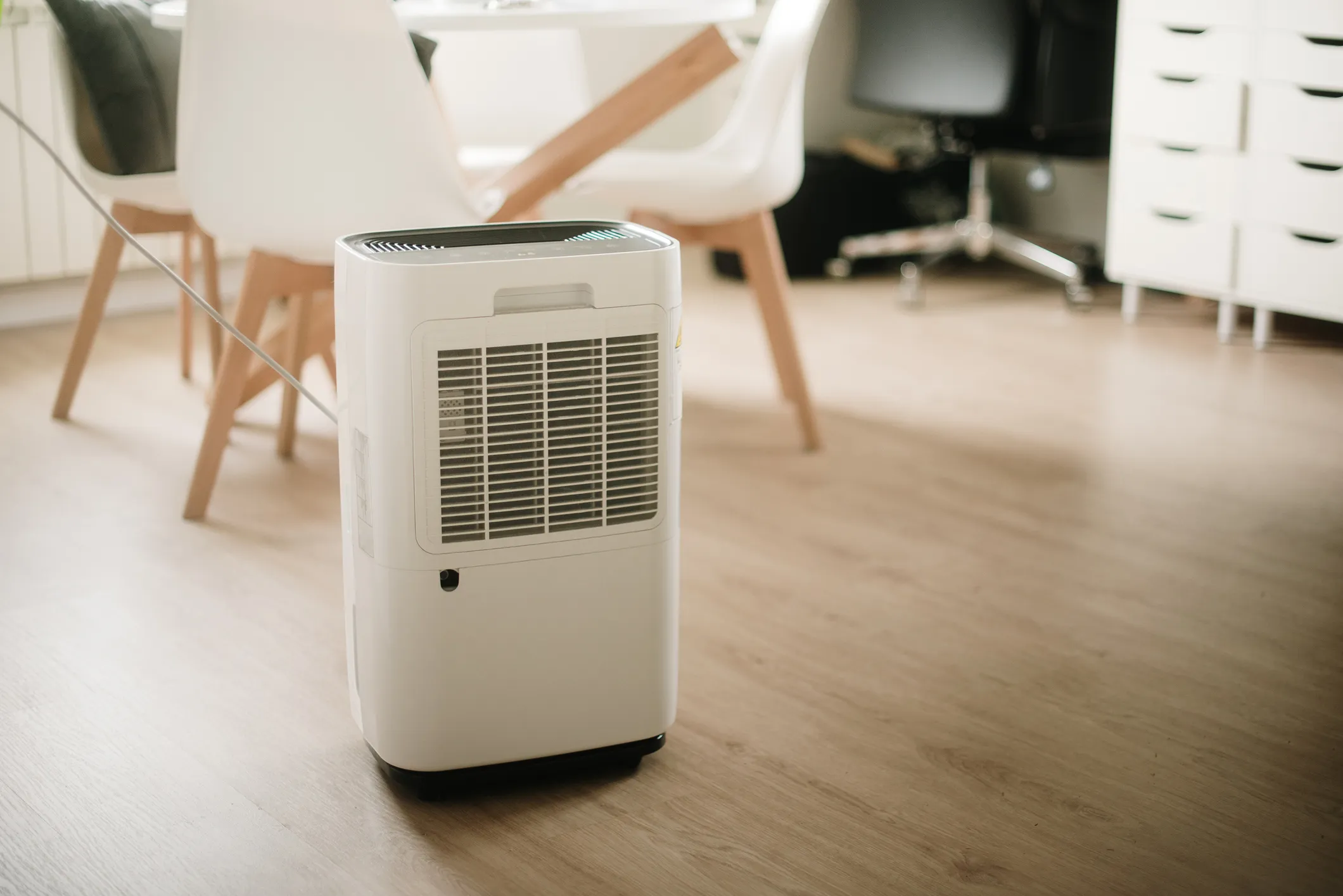
comprehensive Pollutant Analysis
The core of the service involves identifying specific contaminants that may be affecting respiratory health or causing structural damage to the home. This includes:
- Volatile Organic Compounds (VOCs): These are gases emitted from certain solids or liquids. Common sources include paints, cleaning supplies, pesticides, building materials, and furnishings. High concentrations can cause headaches, dizziness, and long-term health issues.
- Particulate Matter (PM2.5 and PM10): These are microscopic particles of dust, dirt, soot, and smoke. Due to their small size, they can be inhaled deep into the lungs. In our region, this is particularly relevant during wildfire season or high-pollen counts.
- Biological Contaminants: This category includes mold spores, bacteria, viruses, animal dander, and dust mites. High humidity levels near the coast can encourage biological growth within ductwork or in damp corners of the home.
- Combustion Gases: Testing checks for elevated levels of carbon monoxide and nitrogen dioxide, which can leak from gas stoves, heaters, or attached garages.
Humidity and Ventilation Assessment
Air quality is inextricably linked to moisture control. Testing includes a detailed analysis of relative humidity levels throughout the property. Excess moisture promotes mold growth and dust mite proliferation, while overly dry air can irritate mucous membranes. The assessment also verifies air exchange rates, ensuring that your home is bringing in enough fresh air to dilute indoor pollutants effectively.
Detailed Reporting and Interpretation
The service does not end with data collection. Homeowners receive a detailed report that interprets the raw data against recognized health standards. This report moves beyond confusing scientific metrics to provide clear summaries of what is in your air. It identifies "hot spots" in the home where pollutant levels are highest and correlates these findings with potential sources, such as a leaky pipe, new furniture off-gassing, or insufficient exhaust ventilation in kitchens and bathrooms.
The Testing Process: How It Works
Understanding the condition of your indoor environment requires a systematic approach. The testing process is designed to be non-invasive while gathering accurate samples representing the air you breathe daily.
- Initial Visual Inspection: The technician begins by walking through the property to identify visible signs of air quality issues. This includes checking for discoloration on walls, condensation on windows, dust buildup on vents, and potential water intrusion points.
- HVAC System Review: Because the heating and cooling system acts as the lungs of the home, the technician inspects the air handler, filters, and accessible ductwork. They look for bypass gaps where unfiltered air might be entering the system or signs of microbial growth on the coils.
- Active Air Sampling: using calibrated pumps and collection media, the technician captures air samples from multiple zones in the house. This usually involves a control sample taken outdoors to establish a baseline for comparison.
- Surface Sampling: If visual mold or unusual dust is present, tape lifts or swab samples may be taken from surfaces to determine the specific type of fungal growth or particulate.
- Real-Time Monitoring: Specialized handheld devices are used to measure particulate counts, CO2 levels, temperature, and humidity in real-time. This helps identify immediate issues that might fluctuate throughout the day.
- Laboratory Analysis: Physical samples are sent to accredited laboratories where microbiologists and chemists analyze the collection media. This ensures that the identification of mold species or chemical compounds is scientifically accurate.
- Strategy Consultation: Once the lab results are finalized, the data is compiled into a strategy session. This is where you learn not just what is wrong, but how to fix it—whether that involves installing UV lights, upgrading media filters, or addressing humidity control.
Deciding Between Testing and Routine Cleaning
Homeowners often wonder if they truly need a full air quality test or if a standard duct cleaning will suffice. While cleaning is a maintenance task, testing is a diagnostic tool. Understanding when to employ each is vital for solving the underlying problem effectively.
Signs You Need Diagnostic Testing
Testing is the correct path when there are unexplained symptoms or persistent issues that cleaning alone has not resolved — try our HVAC troubleshooter for help. You should prioritize testing if:
- Unexplained Health Symptoms: Residents experience chronic headaches, fatigue, congestion, or eye irritation that improves when they leave the house.
- Persistent Odors: Musty, chemical, or stale smells linger even after cleaning or airing out the home. This often indicates hidden mold or off-gassing building materials.
- Recent Renovations: Construction work kicks up significant dust and exposes new materials like flooring or cabinetry that may release VOCs.
- Real Estate Transactions: Before buying a home, especially an older property, testing can reveal hidden history such as previous water damage or smoke contamination.
- Humidity Issues: If you notice frequent condensation on windows or if the air feels heavy and clammy, testing can determine if the HVAC system is failing to dehumidify effectively.
When Maintenance May Be Sufficient
If the goal is preventative upkeep and there are no acute health concerns, standard maintenance might be the first step — visit our HVAC FAQs page. This includes routine filter changes and visual inspections of the ductwork. However, if these maintenance steps do not improve the feeling of the air, or if dust reappears immediately after cleaning, the issue is likely systemic, and testing becomes necessary to pinpoint the source.
Regional Factors Affecting Oxnard Indoor Air
The local environment plays a significant role in how indoor air quality is managed. While the Mediterranean climate is generally pleasant, it presents specific challenges that homeowners must navigate.
Coastal Humidity and Marine Layer
The frequent coastal fog and marine layer bring consistent moisture into homes. While this moderates temperatures, it also creates an environment ripe for mold and mildew if homes are not properly ventilated. Older homes that lack modern vapor barriers or adequate insulation are particularly susceptible to this moisture intrusion. Testing often reveals that high indoor spore counts are directly related to this unmanaged humidity.
Agricultural and Seasonal Particulates
Surrounding agricultural activity can introduce specific particulates into the air, including dust, soil, and agricultural byproducts. During windy conditions, these outdoor contaminants infiltrate homes through small cracks, open windows, and attic vents. Furthermore, the region is not immune to the impacts of wildfire smoke from surrounding areas, which leaves behind fine ash and char particulates that can settle in ductwork and recirculate for months after the fires are extinguished.
Building Codes and Energy Efficiency
California has some of the strictest energy efficiency standards in the country (Title 24). Modern homes are built to be airtight to conserve energy. While this lowers utility bills, it also means that indoor pollutants are trapped inside unless mechanical ventilation is utilized. In tight homes, CO2 levels can rise, and off-gassing chemicals have nowhere to go. Testing is crucial in these newer or retrofitted properties to ensure that energy efficiency hasn't compromised air breathability.
Why Rely on Professional Grade Assessments
It is tempting to rely on consumer-grade monitors or DIY mold kits found at hardware stores. However, these tools often lack the sensitivity and specificity required to make health-based decisions.
Accuracy of Equipment
Professional industrial hygienists and technicians use equipment that is calibrated regularly and capable of detecting particles as small as 0.3 microns. Consumer monitors often have a high margin of error and cannot distinguish between harmless dust and dangerous spores. Organ & Sons Mechanical, Inc. utilizes industry-standard technology to ensure that the data collected is legally and scientifically sound.
Interpretation Matters
A number on a screen is useless without context. A DIY kit might tell you there is mold, but it won't tell you if it is a common outdoor species that drifted in or a toxic variety growing inside your walls. Professionals understand "background levels." They compare indoor data against outdoor control samples to determine if the indoor environment is actually amplified or simply reflecting the outdoor weather.
Actionable Roadmap
The primary value of professional testing is the roadmap it provides. A DIY kit cannot tell you that your return air duct is undersized or that your filtration rating is too low for the particle size found. A professional assessment connects the air quality data directly to the mechanical performance of your HVAC system, providing a clear path to remediation.
Translating Results into Home Improvements
Once the testing is complete and the results are analyzed, the focus shifts to improvement. The goal is to turn the data into a healthier home.
Filtration Upgrades
If the test reveals high levels of particulate matter (PM2.5 or PM10), the solution often involves upgrading the HVAC filtration. This might mean moving from a standard 1-inch filter to a 4-inch media filter or a HEPA filtration system capable of trapping the specific particle sizes identified in the report.
Ventilation Solutions
If carbon dioxide (CO2) or VOC levels are high, it indicates that the home is not "breathing" well. Solutions include installing Energy Recovery Ventilators (ERVs) or Heat Recovery Ventilators (HRVs). These devices exchange stale indoor air for fresh outdoor air without losing the energy used to heat or cool the home.
Purification and Sterilization
For biological contaminants like viruses, bacteria, and mold spores, active purification is often recommended. This can include the installation of UV-C lights within the ductwork to sterilize surfaces and air passing through the system, or whole-home air purifiers that use ionization or oxidation technologies to neutralize contaminants.
Humidity Control
If the testing highlights humidity issues, installing a whole-home dehumidifier can prevent mold growth before it starts. This is particularly effective in coastal areas where the ambient humidity remains high year-round. Conversely, if the air is too dry, causing static and irritation, a whole-home humidifier can maintain the optimal range of 30-50% relative humidity.
By understanding exactly what is in your air, you move from guessing to knowing. This precision allows you to invest only in the equipment you actually need, rather than buying generic products that may not solve your specific issues.
Take control of your indoor environment today. If you are experiencing symptoms or simply want to ensure the safety of your living space, professional testing provides the answers you need. Contact Organ & Sons Mechanical, Inc. to discuss your air quality concerns and schedule your detailed assessment.
Clear Answers for Healthier Indoor Decisions
Professional air quality testing in Oxnard, CA gives property owners accurate insight into airborne conditions affecting daily living and system performance. Organ & Sons Mechanical, Inc. conducts detailed evaluations to identify pollutants, circulation issues, and filtration gaps that often go unnoticed. Without testing, air quality concerns remain assumptions rather than facts. Our process delivers reliable data that supports informed next steps.
Get clarity on indoor air conditions with testing designed to guide meaningful improvements.
Schedule Professional Air Quality Testing Today
Contact Us