



Restore Reliable Hot Water to Your Home Today
Waking up to a freezing shower or discovering a leak in your utility closet creates immediate stress and disrupts your entire household routine. When your water heating system fails, you need a rapid, professional solution to regain safety and comfort without unnecessary delays. Organ & Sons Mechanical, Inc. provides immediate, expert installation services to homeowners throughout Oxnard, ensuring your home returns to normal operation as quickly as possible; contact us immediately to discuss your options or inquire about our flexible financing plans.
- Same-day installation availability ensures you are never left waiting in the cold.
- Energy-efficient solutions are prioritized to help lower monthly utility bills and reduce environmental impact.
- Expert, licensed technicians guarantee that every installation meets strict quality standards and safety compliance.
Fully licensed and insured for your peace of mind, we offer transparent service and financing options to make your replacement seamless.
Comprehensive Installation Services for Modern Homes
Selecting the right water heating system is a critical decision that impacts your daily comfort and long-term energy costs. A professional installation involves more than just swapping out an old unit; it requires calculating the specific hot water demand of your household and matching it with the appropriate technology. Whether you are upgrading an aging unit or responding to an emergency failure, the goal is to provide a consistent supply of hot water that keeps pace with your showers, laundry, and dishwashing needs simultaneously.
Homeowners today have access to a variety of high-performance options. The choice often comes down to storage tank systems versus tankless technology. Understanding the capabilities of each ensures you invest in a unit that serves your specific lifestyle.
- Traditional Storage Tank Heaters: These units store anywhere from 30 to 80 gallons of hot water, keeping it heated and ready for use. They are generally more affordable upfront and have a simpler installation process if you are replacing a similar unit. Modern tanks feature improved insulation and recovery rates, making them far more efficient than models from a decade ago.
- Tankless Water Heaters: Also known as on-demand heaters, these units heat water only when a faucet is turned on. They provide an endless supply of hot water and significantly reduce energy consumption by eliminating standby heat loss. While the initial investment is higher, the long-term savings and space-saving design make them a popular choice for many households.
- Hybrid Heat Pump Systems: These advanced units pull heat from the surrounding air to warm the water, offering extreme energy efficiency. They are ideal for certain installation locations where there is ample space and airflow.
Each installation includes a full assessment of your current fuel source—whether natural gas, electric, or propane—and a verification of the venting and piping infrastructure.
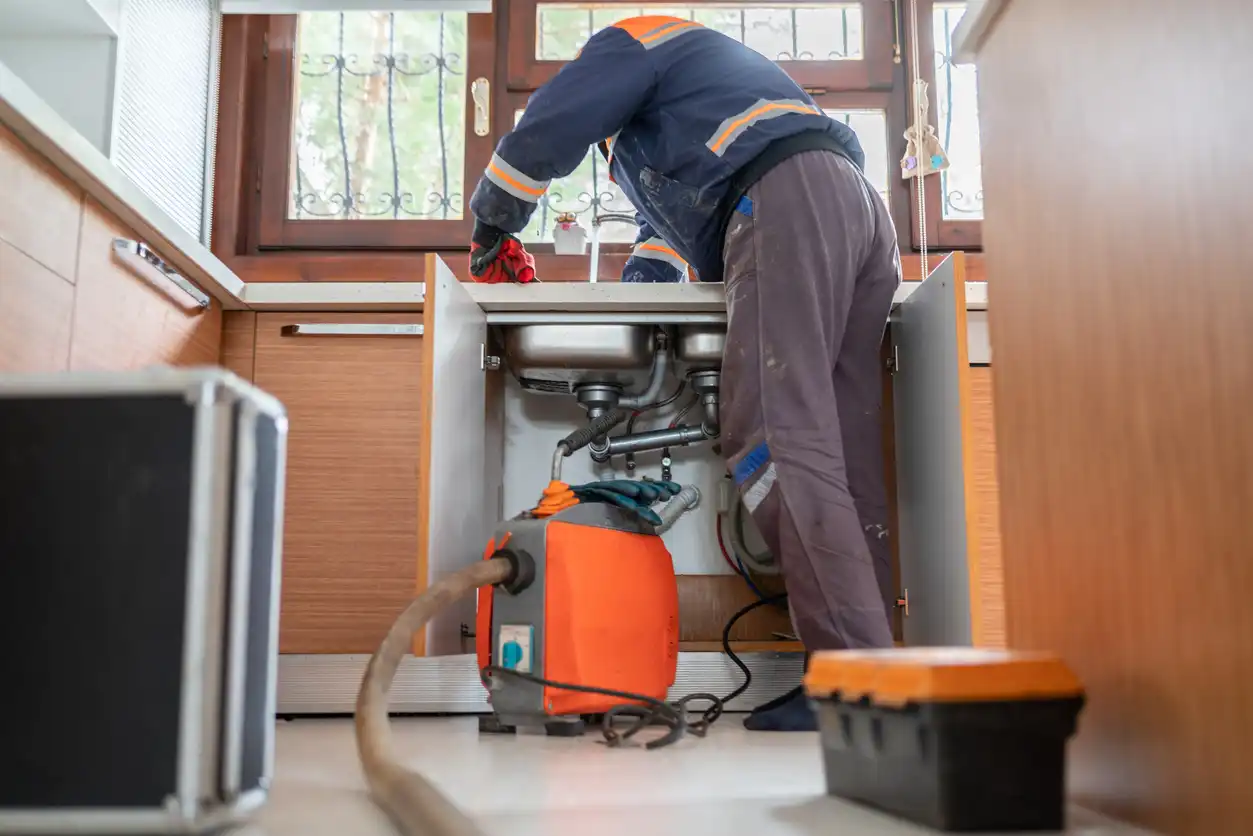
The Professional Installation Process: What to Expect
A water heater replacement is a major plumbing project that involves gas lines, high-voltage electricity, and water pressure systems. Professional execution is vital to ensure safety and longevity. The process is designed to be efficient and minimally invasive, respecting your home and your time.
- Initial Assessment and Sizing: First, a technician evaluates your current setup. This involves checking the fuel source, measuring the physical space, and inspecting the venting system. The technician calculates your household’s peak hour demand to recommend a unit with the correct First Hour Rating (FHR) or flow rate.
- Safety Preparation and Shutoff: Before any work begins, the water supply, gas line, or electrical circuit connected to the old unit is shut off. The area is prepped with drop cloths to protect flooring and surrounding areas from water damage or debris.
- Draining and Removal: The existing tank is drained completely using a hose connected to a floor drain or pumped out if necessary. Once empty, the old unit is disconnected from the plumbing and fuel lines. The crew carefully removes the heavy unit from the premises for proper disposal and recycling.
- Positioning and Connection: The new unit is positioned in place. For gas units, this involves connecting the gas line and ensuring the flue vent is properly drafted to expel carbon monoxide safely. For electric units, the wiring is connected to the thermostat and heating elements. Cold and hot water lines are soldered or connected using code-compliant fittings.
- Seismic Strapping and Code Compliance: In California, securing the water heater is a non-negotiable safety step. The unit is strapped to the wall studs using heavy-gauge metal straps to prevent tipping during a seismic event. This is a critical part of the inspection and safety process.
- Filling and Testing: The tank is filled with water, and a faucet is opened to release trapped air from the system. Once full, the power or gas is turned on. The technician tests the burner or heating elements, checks for gas or water leaks, and verifies that the water reaches the target temperature.
- Final Cleanup and Walkthrough: All packaging materials and the old unit are hauled away. The technician walks you through the operation of the new system, showing you how to adjust the temperature and maintain the unit for optimal performance.
Deciding When to Replace vs. Repair
Determining whether to repair a struggling unit or invest in a replacement is a common dilemma. While repairs can resolve minor issues, there comes a point where sinking money into an old system is no longer cost-effective. Recognizing the signs of total failure can save you from the disaster of a burst tank.
- Age of the Unit: Most traditional tank water heaters have a lifespan of 8 to 12 years. If your unit is approaching or has surpassed the 10-year mark, replacement is usually the smarter financial move, even if the repair seems minor. Tankless units can last closer to 20 years with proper maintenance.
- Rusty or Discolored Water: If hot water comes out of the tap with a rusty or brown tint, it often indicates that the interior lining of the tank is corroding. Once the steel tank begins to rust, a leak is inevitable. This is a clear signal that replacement is necessary.
- Rumbling and Banging Noises: Over time, sediment builds up at the bottom of the tank. As this sediment hardens, it traps heat and causes the tank to overheat, leading to loud popping or rumbling sounds. This buildup reduces efficiency and can cause the metal tank to crack due to thermal stress.
- Leaking Around the Base: Pooling water around the base of the heater is a critical warning sign. While a leaking valve can be replaced, a leak coming from the tank body itself signifies a catastrophic failure. This requires immediate replacement to prevent water damage to your home.
- Inconsistent Heating: If the water never gets hot enough or runs out much faster than it used to, the unit is losing efficiency. In gas models, this could be a burner issue; in electric models, it could be a failing heating element. However, on older units, this often signals that the system can no longer keep up with demand.
At Organ & Sons Mechanical, Inc., we provide honest assessments to help you weigh the cost of a repair against the benefits of a new, warrantied installation.
Important Considerations for Local Installations
Operating a water heater in Oxnard requires specific attention to local codes, climate factors, and water quality. The Mediterranean climate means that while we don't face the deep freeze issues of colder regions, the mild, wet winters and warm, dry summers dictate specific efficiency needs.
- Seismic Safety Requirements: Local building codes strictly enforce seismic bracing for all water heaters. The unit must be anchored to the structure of the building to prevent falling or horizontal movement during an earthquake. This protects the gas and water lines from rupturing, which could cause fires or flooding.
- Permitting and Inspections: Replacing a water heater is not a DIY job; it requires a permit from the local building department. This ensures that the installation meets all safety standards regarding venting, pressure relief valves, and gas connections. A professional installer handles the permit acquisition and coordinates the required city inspection.
- Hard Water and Sediment: The local water supply can contain minerals that precipitate out when heated, leading to scale buildup. This is particularly relevant for tankless units, which may require more frequent descaling maintenance, and for traditional tanks where sediment can accumulate at the bottom. Installing a sediment trap or a water softener alongside the heater can extend the lifespan of the new unit.
- Thermal Expansion Tanks: Modern plumbing codes often require the installation of a thermal expansion tank. Because Oxnard homes often utilize closed-loop plumbing systems (due to check valves or pressure regulators), water expands when heated and has nowhere to go. An expansion tank absorbs this excess pressure, protecting your pipes and the water heater itself from stress.
- Energy Efficiency Standards: California leads the nation in energy efficiency requirements. New installations must meet strict Ultra-Low NOx emissions standards for gas units and high efficiency ratings. Upgrading to a modern, code-compliant unit often qualifies homeowners for various rebates and significantly lowers monthly energy expenditures.
Why Professional Installation Ensures Longevity
Water heaters are complex appliances that combine water, gas or high-voltage electricity, and high pressure. The risk of improper installation ranges from code violations and voided warranties to serious safety hazards like carbon monoxide leaks or fires.
Professional installers ensure that the venting system is correctly sized and pitched. If a water heater is not vented properly, dangerous combustion gases can backdraft into the living space. Furthermore, professionals ensure that the Temperature and Pressure (T&P) relief valve is correctly piped to the exterior or a proper drain, preventing an explosion hazard in the event of a malfunction.
Manufacturers also maintain strict warranty conditions. Most warranties cover the equipment only if it was installed by a licensed professional. Attempting a self-install or hiring an unlicensed handyman can leave you without coverage if the unit fails prematurely. A professional installation provides the documentation needed to validate your warranty and often comes with a labor guarantee from the installer.
Sizing is another area where expertise is invaluable. An undersized unit will be overworked, leading to early failure and cold showers. An oversized unit wastes energy heating water you will never use. Professionals calculate the exact needs of your home based on the number of bathrooms, appliances, and peak usage times to ensure optimal performance.
Secure Your Comfort and Safety
A reliable water heater is essential for the hygiene and comfort of your home. Ignoring the signs of a failing unit can lead to cold showers, higher energy bills, and the risk of significant water damage. Upgrading your system provides consistent hot water, improved safety, and better energy efficiency.
Don't wait for a complete system failure to take action. Trust the team at Organ & Sons Mechanical, Inc. to handle your installation with the speed, precision, and local expertise your home deserves.
Call us now to schedule your same-day assessment and restore hot water to your home immediately.
Contact Us