



Emergency HVAC Repair in Oxnard, CA
Emergency HVAC Repair in Oxnard, CA
Suffering From an HVAC Breakdown? Immediate Help Available
When your HVAC system fails, especially during the peak temperatures common in this region, you cannot afford to wait for a scheduled appointment days in the future. Contact us immediately to dispatch a certified technician to your location for emergency diagnosis and repair.
In Oxnard and the surrounding coastal areas, a broken air conditioner or furnace disrupts your life and can compromise safety during extreme weather shifts. You need a team that responds instantly with the right tools and expertise to resolve the issue on the first visit. Organ & Sons Mechanical, Inc. provides rapid response services designed to restore your indoor climate control without unnecessary delays.
Our emergency service commitment includes:
- Same-Day Service: Technicians arrive on-site within hours of your call to assess and address the failure.
- 24/7 Availability: No matter the hour, our team is standing by to restore your comfort and safety.
- Expert Solutions: We provide quick diagnostics and implement lasting fixes using industry-standard protocols.
All services are fully licensed and come with a satisfaction warranty to ensure your peace of mind regarding the quality and longevity of the repair.
What You Get Today: Fast Service, Reliable Repairs
When you request emergency HVAC service, the priority is mitigation and restoration. We do not waste time with upsells or lengthy sales pitches during a crisis. Our objective is to identify the root cause of the system failure and implement a solution that gets your air flowing again. The service focuses on immediate relief while ensuring the safety and efficiency of your mechanical systems.
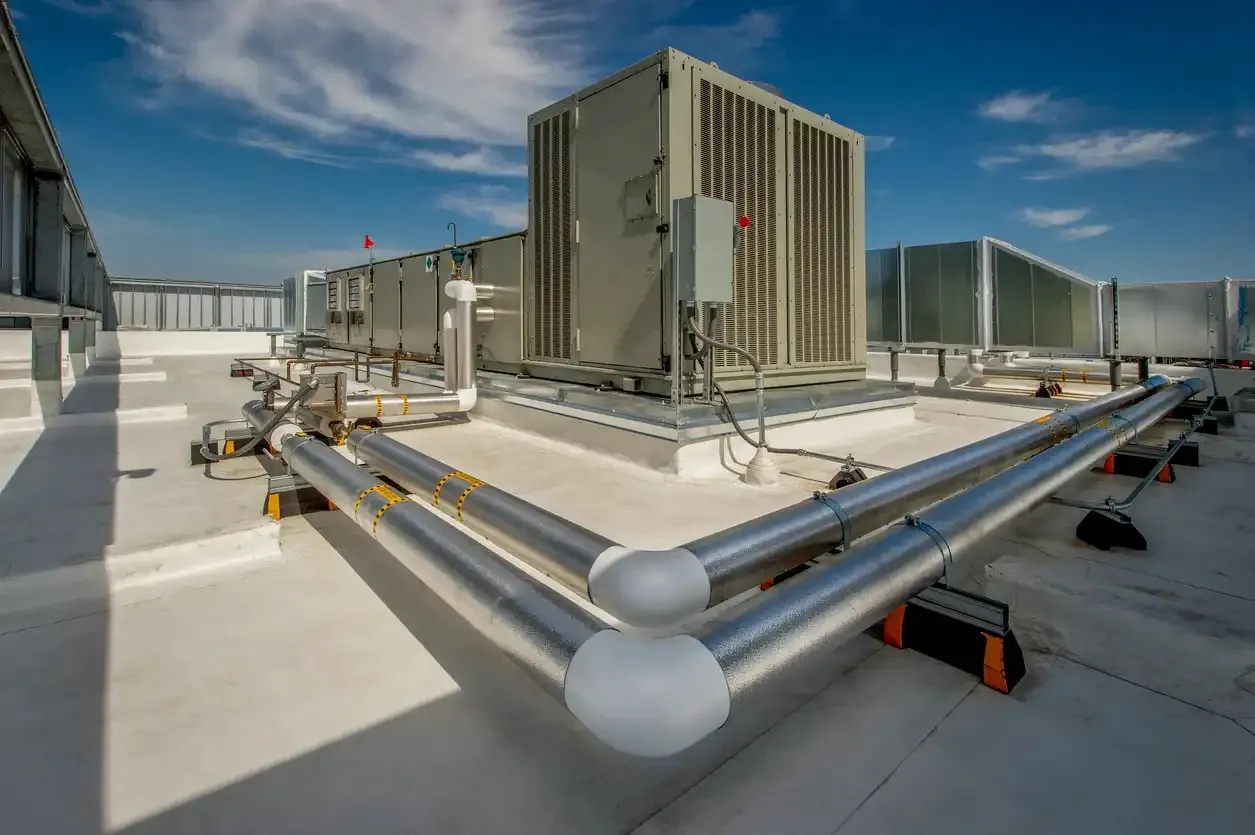
Here is what you can expect during an emergency visit:
- Rapid Mobilization: Our fleet is strategically positioned to navigate local traffic patterns efficiently, ensuring we reach your property as quickly as possible.
- Comprehensive Diagnostics: We utilize advanced diagnostic tools, including thermal imaging and digital manometers, to pinpoint exact failure points rather than guessing.
- Fully Stocked Trucks: Our service vehicles carry a wide inventory of universal parts, including capacitors, contactors, motors, and control boards, minimizing the need for supply house runs.
- Transparent Explanations: Before any work begins, the technician explains the specific failure, the required repair, and the anticipated outcome so you retain full control over the service.
- System Safety Checks: Beyond the immediate repair, we verify that safety mechanisms—such as high-pressure switches and carbon monoxide detectors—are functioning correctly to protect your household.
We understand that HVAC emergencies often happen at the most inconvenient times. Whether it is a furnace failure on a chilly winter night or an AC blackout during a summer heatwave, our operational structure is built to handle high-urgency demands with precision and professionalism.
How Our Emergency Repair Services Work
Navigating an HVAC breakdown is stressful, but our process is designed to be streamlined and predictable. We remove the uncertainty from the situation by following a strict operational protocol from the moment you initiate the request until the system is running smoothly again.
The service workflow proceeds as follows:
- Initial Triage: When you reach out, our dispatch team collects critical details about your system type and the symptoms you are experiencing. This allows us to assign the technician best suited for your specific equipment.
- Arrival and Site Protection: Upon arrival, the technician respects your property by using shoe covers and drop cloths where necessary. We treat your home with the same care we would treat our own.
- System Testing and Diagnosis: The technician performs a sequence of electrical and mechanical tests. This involves checking voltage across components, measuring refrigerant pressures, and inspecting airflow dynamics to isolate the fault.
- Presentation of Options: Once the issue is identified, we present the findings. If multiple repair paths exist—such as a temporary patch versus a permanent component replacement—we explain the pros and cons of each.
- Execution of Repairs: With your approval, the technician performs the repair. This may involve brazing refrigerant lines, replacing electrical components, or clearing condensate blockages.
- Validation and Performance Check: After the repair is complete, we do not simply leave. We cycle the system through its operations to verify it reaches the target temperature and that all pressures and amperages are within manufacturer specifications.
- Post-Service Report: You receive a detailed report of the work performed, parts used, and any recommendations for preventing future breakdowns.
Critical HVAC Failure: Identifying True Emergencies
Not every noise or minor inefficiency requires an emergency call-out, but certain symptoms indicate a critical failure that demands immediate professional attention. Ignoring these signs can lead to catastrophic equipment damage or significant safety hazards for the occupants of the building. Understanding what constitutes an emergency helps you make informed decisions about when to call for immediate service.
Situations requiring immediate professional intervention include:
- Electrical Burning Smells: If you detect the scent of burning plastic or ozone coming from your vents, shut the system down immediately. This often indicates melting wiring, seized motors, or short circuits that pose a fire risk.
- Complete System Refusal in Extreme Weather: If the unit will not turn on during a heatwave or a freeze, the internal temperature of the home can reach dangerous levels quickly, particularly for vulnerable individuals like the elderly or infants.
- Loud Screeching or Grinding Noises: High-pitched screeching usually indicates a compressor or fan motor bearing failure. Continuing to run the system in this state can destroy the most expensive components of the unit.
- Water Leaks Near Electrical Components: Clogged condensate lines can cause water to back up and overflow. If this water reaches the furnace control board or electrical connections, it can cause short circuits and permanent damage.
- Gas Smells or Yellow Pilot Flames: For gas furnaces, the smell of sulfur or a yellow, flickering pilot light (instead of steady blue) suggests incomplete combustion or a gas leak. This is a severe safety emergency requiring immediate shutdown and professional repair.
- Rapid Cycling: If the system turns on and off every few minutes, it is "short cycling." This places immense stress on the compressor and start components, leading to premature burnout if not addressed instantly.
When Replacement Beats Repair: Decision Factors
During an emergency service call, you may face the decision between repairing the existing unit or opting for a system replacement. While our primary goal is to repair your system and restore comfort, there are mathematical and practical thresholds where repair becomes economically unwise. We help you navigate this decision using objective criteria rather than sales pressure.
Consider the following factors when weighing repair versus replacement:
- The 50% Rule: If the cost of the repair approaches or exceeds 50% of the value of the system (or the cost of a new unit), replacement is generally the smarter financial move. Investing heavily in a dying system often results in throwing good money after bad.
- System Age: The average lifespan of a well-maintained HVAC system in coastal California is 10 to 15 years. If your unit is over 12 years old and requires a major component like a compressor or heat exchanger, replacement offers better long-term value.
- Refrigerant Type: Older systems often use R-22 (Freon), which has been phased out and is exponentially expensive to replenish. If your older unit has a refrigerant leak, upgrading to a system that uses R-410A or newer refrigerants is more cost-effective.
- Frequency of Breakdowns: If you have required emergency repairs multiple times in the last two years, the system is likely unreliable. A new system eliminates the stress and cost of frequent service calls.
- Energy Efficiency (SEER2 Ratings): Modern systems are significantly more efficient than those manufactured just a decade ago. Replacing a low-SEER unit can result in immediate monthly utility savings that help offset the installation cost over time, so pay attention to SEER2 Ratings.
- Warranty Status: A major repair on an out-of-warranty unit is a sunk cost. A new installation comes with fresh manufacturer warranties (often 10 years on parts), providing a decade of financial protection.
Local Notes on Oxnard's HVAC Needs: Climate-Informed Services
Operating HVAC equipment in Oxnard presents unique challenges due to the specific coastal environment. The local climate is characterized by mild, wet winters and warm, dry summers, but the marine influence plays a significant role in equipment longevity and performance. Our emergency services are tailored to address these specific regional stressors.
Key local factors influencing your HVAC repairs:
- Salt Air Corrosion: Proximity to the ocean introduces salt-laden air to outdoor condenser units. This accelerates corrosion on aluminum fins and copper coils, leading to refrigerant leaks and reduced heat transfer efficiency. We inspect for marine corrosion during every emergency visit.
- Thermal Shock: The region often sees significant temperature swings between day and night. Systems must transition from cooling loads during the day to heating loads at night. This constant switching strains reversing valves in heat pumps and control boards in standard split systems.
- Humidity Management: While not tropical, the coastal fog (marine layer) brings moisture. If an AC unit is oversized or short-cycling, it fails to dehumidify the home effectively, leading to clammy indoor conditions and potential mold growth in ductwork.
- Local Permitting and Codes: If an emergency repair escalates to a system replacement or major alteration, we handle all compliance with local building codes. We ensure that your system meets current Title 24 energy efficiency standards required in California.
- Electrical Grid Fluctuations: Local power grids can experience fluctuations during high-demand periods. We often recommend and install hard start kits and surge protectors to shield sensitive compressor electronics from voltage spikes common in the area.
Proof & Differentiators: Why Trust Us for Your HVAC Emergency
In the HVAC industry, technical competency varies significantly between providers. Your emergency requires a technician who understands thermodynamics, electrical theory, and airflow dynamics—not just a salesperson with a wrench. We focus on technical excellence and operational integrity.
Organ & Sons Mechanical, Inc. differentiates itself through a strict adherence to quality standards and transparent business practices.
Reasons homeowners choose our emergency services:
- NATE-Certified Technicians: Our team members undergo rigorous training and certification processes. They are tested on their knowledge of modern HVAC technology, ensuring they can diagnose complex inverter systems and communicating thermostats accurately.
- Inventory Depth: We maintain relationships with major local supply houses and keep our own stock of critical components. This reduces the "parts on order" delays that leave you uncomfortable for days.
- Respect for Property: We utilize drop cloths, wear protective shoe covers, and clean the workspace thoroughly after the job is done. We believe in leaving your home in better condition than we found it.
- Upfront Flat-Rate Pricing: You will never be surprised by the bill. We provide a clear price for the repair after diagnosis and before the work starts. There are no hidden hourly fees that rack up if a job takes longer than expected.
- Data-Driven Diagnostics: We do not guess. We measure static pressure, superheat, and subcooling to ensure the system is charged correctly and flowing air efficiently. This scientific approach eliminates callbacks and recurring issues.
- Comprehensive Documentation: Every service call is documented with photos and detailed notes. This history helps us track the health of your system over time and provides proof of maintenance for warranty claims.
Restore Your Comfort Now
An HVAC breakdown disrupts your life, but the solution is a phone call away. You do not need to tolerate uncomfortable temperatures or worry about the safety of your home. We provide the speed, expertise, and professionalism required to resolve heating and cooling emergencies effectively.
Trust the team that prioritizes your comfort and respects your time. For immediate diagnostic and repair services that get your system back up and running, contact Organ & Sons Mechanical, Inc. today.
Don't wait—secure your emergency appointment now.
Contact Us