



Is Your Heat Pump Blowing Cold Air or Short Cycling?
Is your heat pump failing to keep up with the Oxnard weather, leaving your home uncomfortable during those chilly coastal evenings or humid afternoons? You are not alone—many residents face disruptions due to common heat pump problems like stuck reversing valves, refrigerant leaks, or electrical failures. For immediate scheduling or to discuss financing options for your repair, contact our team today.
When your climate control system fails, you need more than a quick patch; you need a comprehensive solution that ensures long-term performance. Organ & Sons Mechanical, Inc. provides diagnostic accuracy and technical precision to restore your comfort immediately.
- Rapid response: Technicians are available to ensure your heat pump is fixed promptly, minimizing downtime in your home.
- Expert solutions: From refrigerant leaks and frozen coils to faulty wiring and thermostat calibration, experienced professionals handle every technical challenge.
- Guaranteed service: Enjoy peace of mind with comprehensive warranties on all repairs and parts installed.
All repairs are carried out with proper permits and are backed by solid labor and parts warranties to protect your investment.
Immediate Diagnosis and Repair Scope
When a heat pump malfunctions, the symptoms are often obvious, but the root cause requires professional investigation. A system blowing cold air in heat mode might indicate a refrigerant leak, a dirty coil, or a stuck reversing valve. A unit that refuses to turn on could be suffering from a tripped breaker, a blown capacitor, or a complete compressor failure. The goal of a service visit is to move past the symptoms and address the mechanical or electrical origin of the failure — check our HVAC FAQs for details.
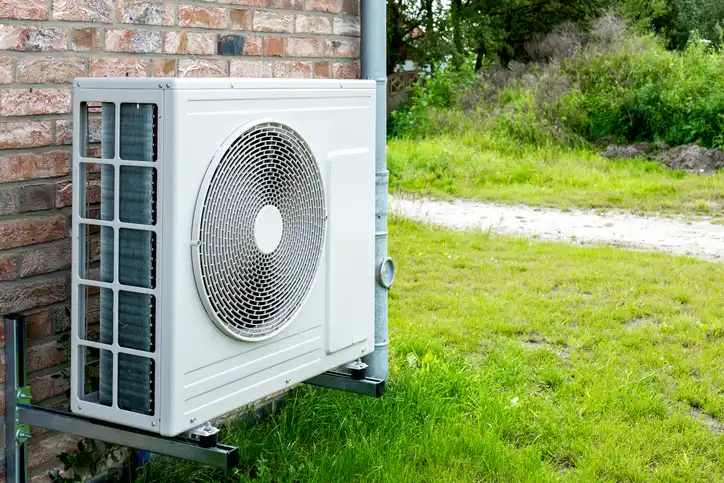
Residents in Oxnard deal with a unique marine environment that can accelerate wear and tear on HVAC equipment. Salt air corrosion and high humidity often degrade outdoor connections and coils faster than in inland climates. A professional diagnostic visit involves a thorough inspection of both the indoor air handler and the outdoor condenser unit to isolate the issue.
What Is Included in a Diagnostic Visit
Upon arrival, a certified technician performs a systematic evaluation of the heat pump. This is not a cursory glance; it is a multi-point inspection designed to safeguard the system against future breakdowns.
- Refrigerant Level Check: Technicians measure superheat and subcooling levels to determine if the system has the correct refrigerant charge. Low levels indicate a leak that must be located and sealed before recharging.
- Electrical Component Testing: The capacitor, contactor, and compressor windings are tested for continuity and proper voltage. Loose or corroded wires, common in coastal areas, are tightened or replaced.
- Airflow Analysis: The static pressure of the ductwork and the condition of the air filter are checked. restricted airflow is a leading cause of frozen coils and compressor overheating.
- Reversing Valve Inspection: The reversing valve is the component that switches the unit between heating and cooling. If this valve is stuck, the system cannot change modes.
- Defrost Board Testing: In cooler weather, the outdoor unit must go into a defrost cycle to melt ice off the coils. If the control board or sensors fail, the unit will freeze up and stop heating.
The Repair Process: From Arrival to Restoration
Understanding the sequence of a repair appointment helps homeowners prepare for the service. The process is designed to be efficient, transparent, and focused on restoring home comfort with minimal disruption. Professional technicians arrive with fully stocked trucks containing common parts like capacitors, fan motors, and control boards, which significantly speeds up the resolution time.
Step-by-Step Restoration
- Site Protection and Safety: First, the technician secures the work area. This involves laying down drop cloths to protect flooring and ensuring that power is safely disconnected at the disconnect box before opening any equipment panels.
- Fault Isolation: Next, using specialized gauges and multimeters, the technician isolates the specific failing component. For example, if the compressor is humming but not starting, the technician determines if it is a "hard start" issue requiring a kit or a terminal failure requiring a compressor replacement.
- Repair Execution: The faulty part is removed and replaced with an OEM (Original Equipment Manufacturer) or equivalent high-quality component. If the repair involves the refrigerant circuit, such as replacing a reversing valve or repairing a leak, the technician will recover the old refrigerant, braze the new part in with nitrogen to prevent oxidation, and then pull a vacuum to remove moisture before recharging the system.
- System Testing: Once the part is installed, the system is powered back on. The technician tests the unit in both heating and cooling modes (if outdoor temperatures allow) to ensure the reversing valve engages correctly.
- Performance Verification: Finally, the technician measures the temperature split—the difference in temperature between the air entering the return vent and the air leaving the supply vents. A proper split confirms the system is heating or cooling effectively.
Repair vs. Replace: Making the Financial Decision
Homeowners often face the difficult choice between repairing an existing heat pump or investing in a new system. This decision relies on more than just the immediate cost of the repair; it involves analyzing the age of the unit, its efficiency rating, and the frequency of recent breakdowns.
Heat pumps generally have a lifespan of 10 to 15 years. As systems age, their energy efficiency (SEER and HSPF ratings) declines, and the risk of major component failure increases.
The 50% Rule and Multipliers
A common industry standard for making this decision is the "50% Rule." If the cost of the repair approaches 50% of the value of the system (or the cost of a new system), replacement is usually the wiser financial choice. However, other factors weigh in.
- Refrigerant Type: Older systems use R-22 (Freon), which has been phased out and is exponentially expensive to replenish. If an R-22 system develops a refrigerant leak, replacement is almost always the only viable option due to the cost and scarcity of the refrigerant. Modern systems use R-410A or newer, eco-friendly alternatives.
- Frequency of Repairs: If a system has required repairs in consecutive seasons, the cumulative cost of service calls will quickly outpace the cost of a new, warrantied unit.
- Warranty Status: If the heat pump is still under the manufacturer's parts warranty (often 5 to 10 years), a repair is likely the best path, as the homeowner only pays for labor and refrigerant. If the warranty has expired, the homeowner bears the full cost of the compressor or coil.
- Energy Efficiency: Newer heat pumps offer variable-speed compressors and higher efficiency ratings. Replacing a 10-SEER unit with a 16-SEER or higher unit can result in significant monthly utility savings, which helps offset the installation cost over time.
Local Factors Affecting Heat Pumps in Oxnard
The operational environment in Oxnard dictates specific maintenance and repair needs that differ from inland or desert regions. The coastal geography introduces elements that can drastically shorten the life of a heat pump if not properly managed — visit our HVAC blog for more.
Corrosion and Marine Layer
The proximity to the ocean means salt spray and high humidity are constant factors.
- Aluminum Fin Degradation: The aluminum fins on the outdoor condenser coil can corrode and turn to powder over time when exposed to salt air. This reduces the unit's ability to transfer heat, causing the compressor to work harder and eventually fail.
- Electrical Oxidation: Electrical contacts and wire nuts can oxidize rapidly in damp, salty air, leading to voltage drops and intermittent electrical failures. Technicians in this area often use specific anti-corrosive sprays or coatings on connections during repairs.
Climate-Specific Settings
While the winters are mild compared to other parts of the country, the humidity makes the "cold" feel colder.
- Defrost Cycle Frequency: High humidity levels in the winter mean that outdoor coils frost over more frequently than they would in a dry climate. The defrost board and sensors must be calibrated perfectly to ensure the unit melts this ice quickly without disrupting indoor comfort.
- Backup Heat Strips: Although the climate is moderate, emergency heat strips are still a necessary component of the air handler. Technicians ensure these electric resistance heaters are functioning to provide supplemental warmth during the rare nights when temperatures drop significantly or during the defrost cycle to prevent cold air from blowing into the home.
Permitting and Regulations
HVAC work in California is subject to strict Title 24 energy standards.
- Duct Testing: Significant repairs or replacements often trigger a requirement for duct leakage testing to ensure the home is not losing conditioned air into the attic or crawlspace.
- Refrigerant Handling: EPA regulations strictly govern the handling, recovery, and disposal of refrigerants. Professional service providers adhere to these environmental protocols to prevent fines and environmental damage.
Why Technical Expertise Matters
In the era of complex, high-efficiency HVAC equipment, the "handyman special" is no longer a viable option for heat pump repair. Modern inverters and communicating systems require sophisticated diagnostic tools and proprietary software to troubleshoot. A technician must understand thermodynamics, fluid dynamics, and advanced electrical theory to resolve issues correctly.
Choosing a provider with deep technical knowledge ensures that the diagnosis is accurate the first time. Misdiagnosis leads to unnecessary part replacements ("parts changing") and prolonged discomfort. A professional approach focuses on the entire system—ductwork, airflow, refrigerant charge, and electrical integrity—as an interconnected ecosystem.
Organ & Sons Mechanical, Inc. prioritizes this holistic approach to service. By maintaining a fleet of well-stocked vehicles and employing technicians who undergo continuous training on the latest heat pump technologies, the focus remains on reliability and efficiency. The goal is not just to get the system running, but to ensure it operates at peak efficiency for the specific demands of the local climate.
Whether the issue is a simple capacitor failure or a complex refrigerant restriction, professional intervention restores the balance of the system. This ensures that homeowners can rely on their heating and cooling regardless of the season.
Don't let a malfunctioning heat pump disrupt your comfort any longer. Contact us now to schedule a diagnostic visit and restore your home's temperature.
Contact Us